Photo: Wikipedia
Quality of Life in Kotzebue, AK
A high quality of life with strong walkability, manageable living costs, healthy neighborhood signals, and solid amenity access.
What does Quality of Life tell us?
Quality of Life blends cost of living, nearby amenities, socioeconomic signals, and neighborhood character. City-level scores represent the whole municipality; individual neighborhoods can differ.
What does this tell us?
Quality of Life blends cost of living, nearby amenities, socioeconomic signals, and neighborhood character. City-level scores represent the whole municipality; individual neighborhoods can differ.
Cost of Living
21% above national average
The Real Cost of Living in Kotzebue, AK for 2026
| Tier | Individual | Family (4) |
|---|---|---|
| Survival | $26k | $48k |
| Comfortable | $51k | $76k |
| Luxury | $141k+ | $218k+ |
| Elite (Top 5%) | $166k+ | $257k+ |
141%
The Area Signal
A metric tracking the socioeconomic signals of the area.


Hobbies
Explore the areaGroceries
3 within 10 miles
Gas
0 within 10 miles
Hospital
1 within 20 miles
Airport
Alaska Airlines - Kotzebue
Post Office
USPS — Kotzebue, AK
Critical Amenities
Quality-of-Life Analysis
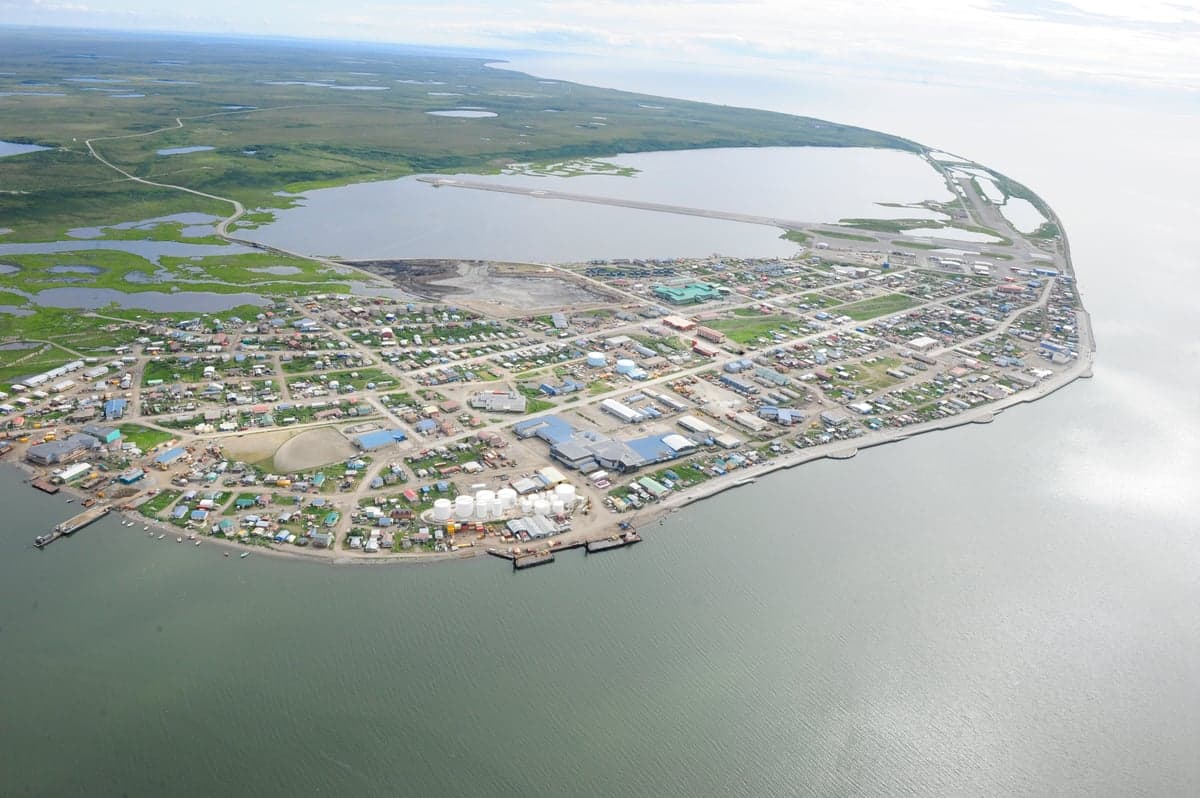
Kotzebue, the regional hub of Northwest Arctic Borough, presents a quality of life defined by its remote Arctic location, strong Iñupiaq cultural identity, and a cost of living significantly above the national average. With a cost of living index of 121 (where 100 equals the U.S. average), the area is notably more expensive than the U.S. norm, yet it is not as costly as larger Alaska cities like Nome or Fairbanks. The population is predominantly Alaska Native, and the economy is a blend of subsistence activities, public sector employment, and service industries, creating a community where traditional values intersect with modern infrastructure.
Cost of living, housing affordability, and how Kotzebue compares to other Alaska hubs
Housing in Kotzebue is both scarce and expensive, driven by high construction costs and limited land availability. The median home value sits at $264,500, which is roughly on par with the national median but far below Anchorage’s median of over $380,000. However, median rent is $1,610, a figure that is higher than many U.S. cities and comparable to rents in Fairbanks. The average commute of just under 20 minutes is short by any standard, reflecting the town’s compact footprint and the fact that many residents walk or use four-wheelers for local travel. While housing costs are a major factor in the elevated COL index, utilities—especially heating fuel and electricity—are even more burdensome, often exceeding costs in the Lower 48 by 50% or more. Compared to other remote Alaska communities, Kotzebue’s housing market is slightly more affordable than Nome’s, but the overall cost of goods and services remains high due to the reliance on air and barge transport.
What daily life is like for families: schools, amenities, and community rhythm
Daily life in Kotzebue revolves around a mix of modern services and traditional subsistence cycles. The community is served by the Northwest Arctic Borough School District, with Kotzebue High School and several elementary schools offering education through grade 12. The town has a hospital (Norton Sound Health Corporation’s Maniilaq Health Center), a grocery store, a hardware store, and a small airport that connects to Anchorage and other villages. Amenities are limited compared to urban areas—there is no movie theater or chain restaurant—but the community center, library, and gym provide gathering spaces. The rhythm of life is heavily influenced by seasonal subsistence activities: fishing for salmon and whitefish, hunting for caribou and moose, and berry picking in summer. Winter brings snowmachine travel and ice fishing. This lifestyle fosters strong social bonds but requires self-sufficiency and adaptability. For families, the lack of retail variety and high food costs are challenges, while the safe, close-knit environment and outdoor access are major draws.
Kotzebue is best suited for individuals and families who value cultural immersion, outdoor subsistence living, and a tight-knit community over urban convenience. People who thrive here are typically those with a high tolerance for isolation, extreme weather (average winter lows near -20°F), and limited consumer goods. Professionals in healthcare, education, and tribal administration will find stable employment, while those seeking a slower pace and deep connection to Iñupiaq traditions will appreciate the area’s unique character. It is not a place for those who need constant entertainment or low-cost living, but for the right person, Kotzebue offers a quality of life rich in community and natural abundance.

Crime in Kotzebue, AK
Lower crime rates than 80% of comparable U.S. locations.
Violent CrimeViolent Crime Analysis
Property CrimeProperty Crime Analysis
Crime Analysis
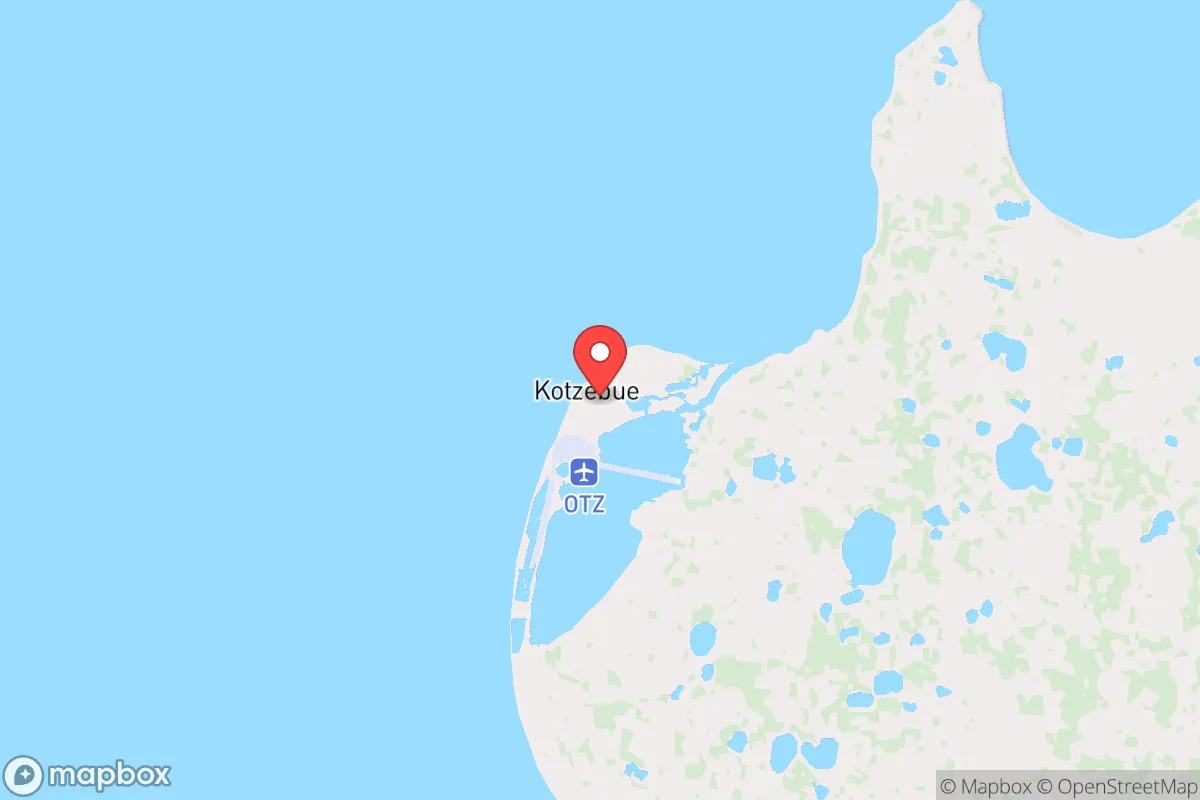
Kotzebue, a remote hub community in Northwest Alaska above the Arctic Circle, presents a crime and safety profile that differs markedly from both the national average and the state's larger urban centers. The most recent data shows a violent crime rate of 739.7 incidents per 100,000 residents, which is roughly double the national average, while the property crime rate of 281.8 per 100,000 is significantly lower than the U.S. norm. These figures must be understood within the context of a small, isolated population of roughly 3,200 people, where a single incident can dramatically skew annual statistics.
Crime in context
Kotzebue's violent crime rate is notably higher than the Alaska state average of approximately 650 per 100,000, placing it among the more challenging communities in the state for personal safety. The property crime rate, however, is less than half the national average of roughly 1,900 per 100,000 and well below the Alaska state average of about 2,200 per 100,000. This pattern—elevated violence but low property crime—is common in many remote Alaska villages, where factors like alcohol abuse, limited law enforcement resources, and the social stresses of isolation play a significant role. The Northwest Arctic Borough, which includes Kotzebue, has a population density of less than one person per square mile, meaning police response times can be lengthy and community members often rely on each other for immediate safety.
What residents experience
Residents of Kotzebue report that the most visible safety concerns are alcohol-related disturbances, domestic violence, and occasional assaults, which together drive the violent crime rate. The community's small size means that most incidents involve people who know each other, and random stranger-on-stranger violence is rare. Property crimes like burglary and theft are less common than in urban Alaska, largely because the remote location makes it difficult to sell stolen goods and because many homes are occupied by extended families. The Kotzebue Police Department, with roughly a dozen officers, works closely with the Alaska State Troopers and the Northwest Arctic Borough's public safety officers to cover the region. It is important to note that Alaska's justice system, particularly in rural areas, often faces criticism for progressive sentencing practices that some argue prioritize rehabilitation over incarceration, which can result in repeat offenders returning to small communities quickly.
Neighborhood-level crime data for Kotzebue is not published in granular detail, but anecdotal reports from residents suggest that the downtown core near the hospital and airport experiences more public intoxication and disorderly conduct, while the outlying residential areas like the "Bypass Road" and "Front Street" neighborhoods are generally quieter. The community's isolation means that most serious crimes are committed by local residents rather than outsiders, and the lack of road connections to the rest of Alaska limits the influx of transient criminal elements. For those considering relocation, the overall safety picture is one where personal awareness and community connections matter more than neighborhood choice, and where the high violent crime rate is a genuine concern that should be weighed against the low property crime and the strong social bonds that characterize life in this Arctic hub.
* Values derived from national, state, county, city and local statistics and may differ in a specific area. Last updated: 2026-04-19T09:46:56.000Z
Narrative content on this page is AI-generated and may contain mistakes. Verify any details that matter before acting on them.
ReloMaps may earn a commission from affiliate links at no extra cost to you.

