Photo: Wikipedia
Find The Best Places To Live
in La Plata
PRO TIP! You can paste a Zillow or Redfin link to get info on that property.
What It's Like Living in La Plata, MD
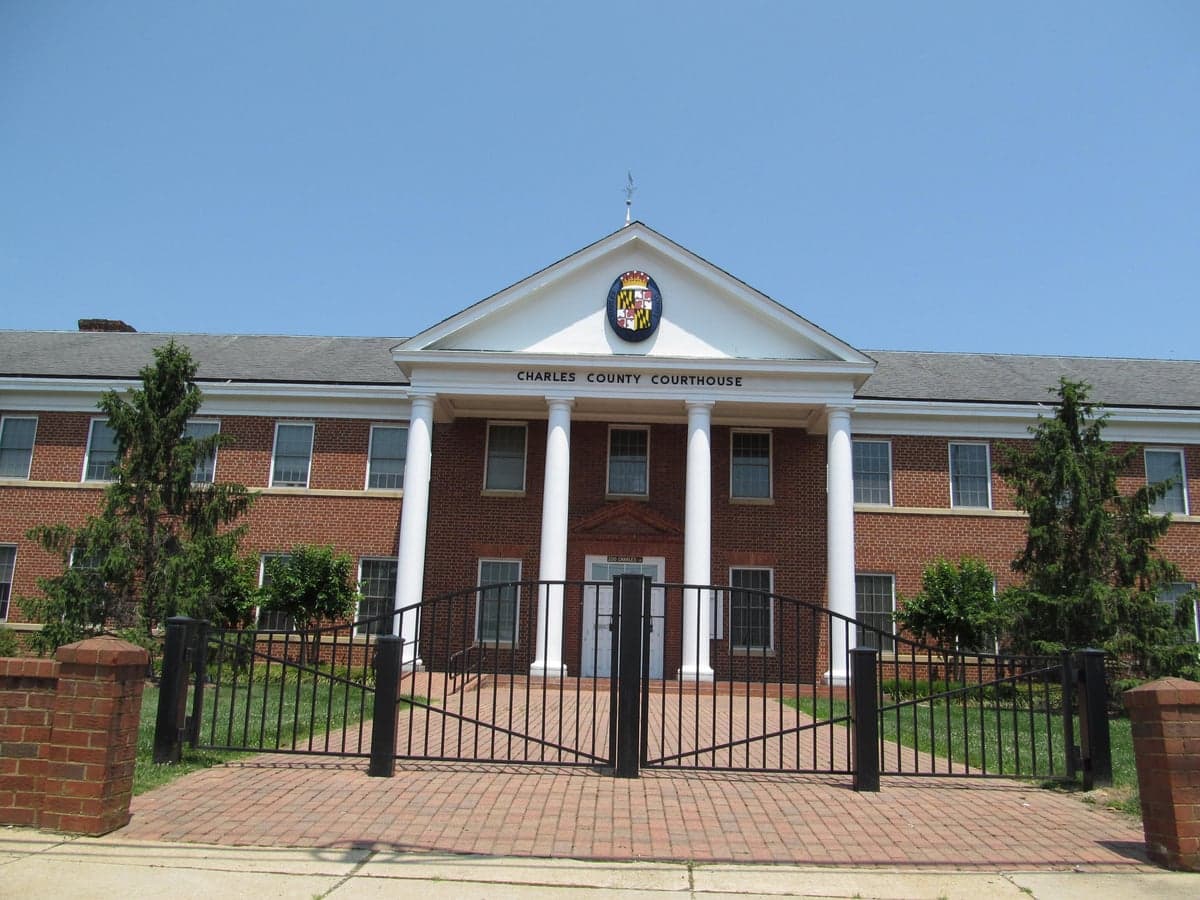
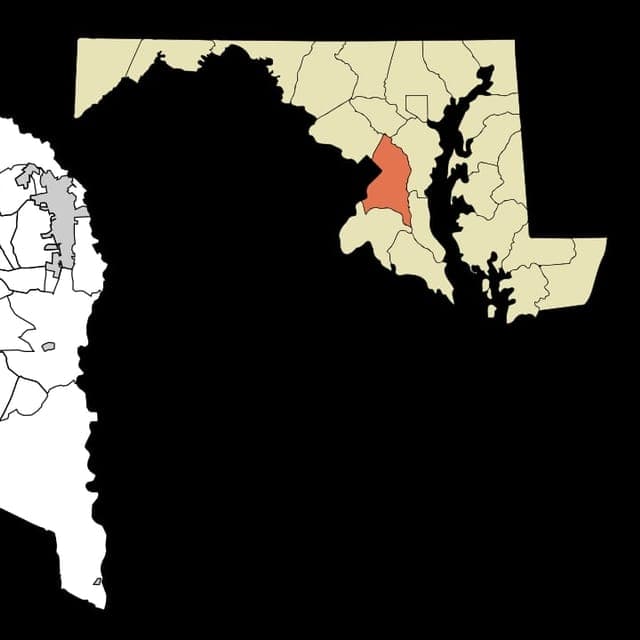
La Plata, Maryland, feels like a small town that got dressed up for a big job. With a population just over 10,400, it’s the seat of Charles County, but it doesn’t have the sprawling, anonymous feel of a typical county hub. Instead, it’s a place where the courthouse square still anchors the center, where high school football games are genuine community events, and where the biggest local debate might be whether to grab a crab cake at the Charles County Fair or a burger at the local pub. It’s a community built for people who want a slower pace without giving up proximity to D.C., and that tension—between quiet local life and the pull of the metro area—defines almost everything about living here.
The Daily Rhythm: Commute, School, and the Weekend Reset
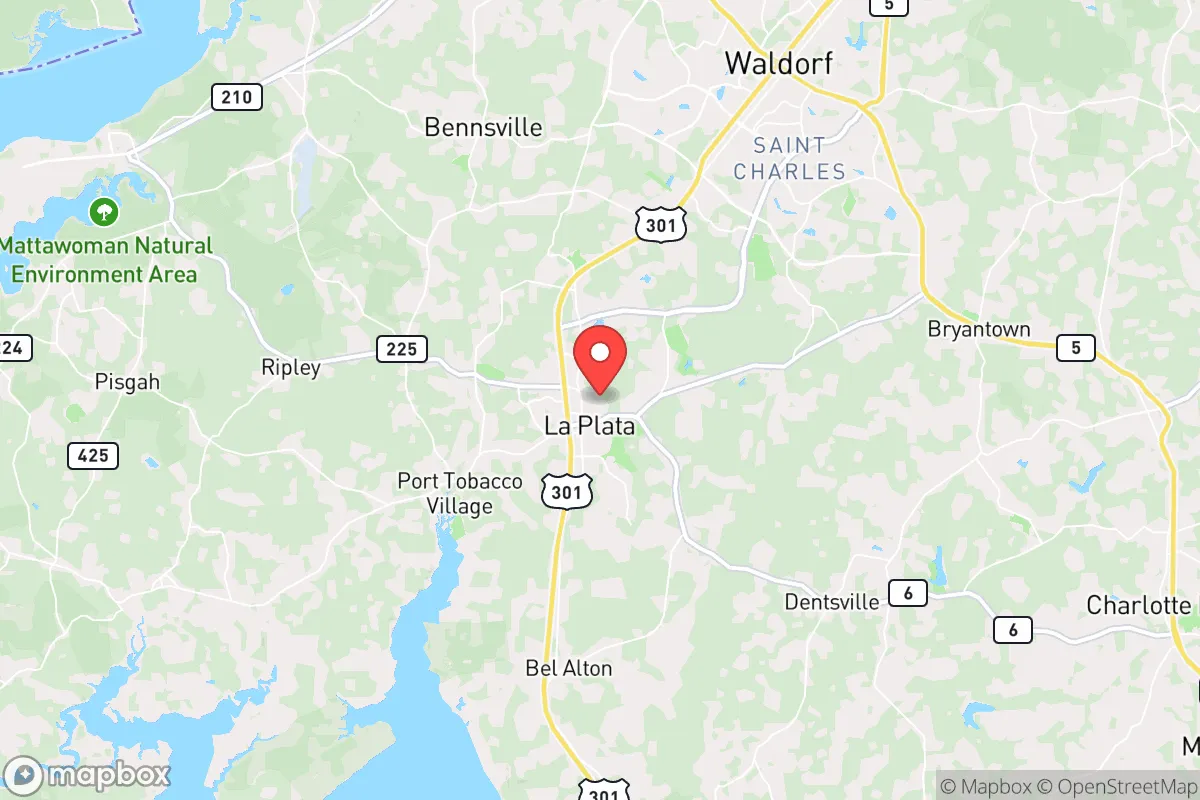
For most residents, the day starts early. The average commute clocks in at just over 39 minutes, and that’s not a number people brag about—it’s a reality of living far enough out to afford a yard while working in or near Washington, D.C. You’ll see a steady stream of cars heading north on US-301 and MD-5 each morning, and the reverse flow in the evening. But once you’re home, the pace shifts. Weekends are for the farmer’s market on Charles Street, a walk through the La Plata Town Park with its pond and walking trails, or a trip to the Port Tobacco Village historic area just a few miles west. The Charles County Fair in September is a genuine highlight—think livestock shows, carnival rides, and enough fried Oreos to test your willpower.
Dining leans toward reliable chains and a few local standbys. Rookies Sports Bar & Grill is the unofficial living room for game-day crowds, while La Tolteca serves the kind of Tex-Mex that families have been ordering from for years. For a nicer night out, The Greene Turtle in nearby Waldorf is a common choice, but most locals will tell you the real gem is Captain Billy’s Crab House down in Newburg, a 15-minute drive that feels like a mini-vacation. Grocery shopping is straightforward—there’s a Giant and a Food Lion—but the absence of a Trader Joe’s or Whole Foods is a frequent quiet complaint among transplants used to more options.
Sports, Schools, and the Community Anchor
High school sports are a big deal here, and not in a nostalgic, “remember when” way. La Plata High School football games on Friday nights draw crowds that include current students, alumni, and families who never even attended the school. The Warriors are the local team, and their games against rival Westlake High or North Point are the kind of events where you’ll see the whole town represented. Basketball and lacrosse also have strong followings, but football is the cultural centerpiece. There’s no major pro team in La Plata itself—you’re a 45-minute drive from FedEx Field for Commanders games—but the local youth leagues and high school programs are where community pride lives.
The schools themselves are a major reason families choose La Plata. Charles County Public Schools serve the area, and while they’re not the top-ranked in the state, they’re solid and well-funded. The median age here is 41.5, and the median household income is $121,707—numbers that reflect a population of established professionals and dual-income families who prioritize stability. About 34% of adults hold a bachelor’s degree or higher, which is respectable but not elite, and the community feels more “working professional” than “academic enclave.”
What’s There to Do: Outdoors, History, and the Occasional Night Out
If you’re looking for a vibrant nightlife scene, La Plata will disappoint you. The bars close early, the live music is sporadic, and the most exciting thing on a Tuesday is trivia night at Rookies. But if you value outdoor access and quiet weekends, the area delivers. Smallwood State Park is a 15-minute drive south, offering fishing, boating, and camping on the Potomac. Mallows Bay, a bit farther, is a National Marine Sanctuary where you can kayak through the “Ghost Fleet” of sunken World War I-era ships—it’s genuinely unique and worth the trip. The La Plata Rail Trail is a paved path popular with walkers and cyclists, and the Port Tobacco River offers paddling opportunities that feel far from suburban life.
For history buffs, the Dr. Samuel A. Mudd House Museum is a local landmark—the home of the physician who set John Wilkes Booth’s leg after Lincoln’s assassination. It’s a quirky, slightly morbid piece of local identity that residents mention with a mix of pride and bemusement. The Charles County Courthouse itself is a handsome 19th-century building that anchors the town’s aesthetic, and the annual La Plata Wine & Arts Festival brings a touch of sophistication to the town square.
Pros and Cons of Living Here
The honest trade-offs are worth laying out. On the upside: the cost of living is high but not insane. The index sits at 134 (100 is the U.S. average), driven mostly by housing—median home value is $405,200—but that’s still well below D.C. or Northern Virginia. You get a lot of house for the money, with yards, garages, and quiet streets. The violent crime rate is 153.8 per 100,000, which is below the national average and feels even lower in practice; most residents consider the town very safe. The schools are decent, the community is friendly without being nosy, and you can be in D.C. in under an hour if traffic cooperates (which it rarely does).
On the downside: the commute is a grind. That 39-minute average masks the fact that a bad accident on 301 can turn it into 90 minutes. Entertainment options are limited—you’ll drive to Waldorf or Alexandria for a movie theater, a bowling alley, or any kind of live music venue. The weather is classic Mid-Atlantic: humid summers, mild winters, and a pollen season that’s brutal for allergy sufferers. And while the town is growing, it still lacks the kind of walkable downtown that many transplants from older cities miss. La Plata is a place you choose for the lifestyle, not the amenities—and for the right person, that’s exactly the point.

Similar towns to La Plata
* Values derived from national, state, county, city and local statistics and may differ in a specific area. Last updated: 2026-04-22T01:05:53.000Z
Narrative content on this page is AI-generated and may contain mistakes. Verify any details that matter before acting on them.
ReloMaps may earn a commission from affiliate links at no extra cost to you.

