Photo: Wikipedia
Quality of Life in Laredo, TX
A high quality of life with strong walkability, manageable living costs, healthy neighborhood signals, and solid amenity access.
What does Quality of Life tell us?
Quality of Life blends cost of living, nearby amenities, socioeconomic signals, and neighborhood character. City-level scores represent the whole municipality; individual neighborhoods can differ.
What does this tell us?
Quality of Life blends cost of living, nearby amenities, socioeconomic signals, and neighborhood character. City-level scores represent the whole municipality; individual neighborhoods can differ.
Cost of Living
22% below national average
The Real Cost of Living in Laredo, TX for 2026
| Tier | Individual | Family (4) |
|---|---|---|
| Survival | $16k | $30k |
| Comfortable | $35k | $52k |
| Luxury | $107k+ | $166k+ |
| Elite (Top 5%) | $126k+ | $196k+ |
121%
The Area Signal
A metric tracking the socioeconomic signals of the area.
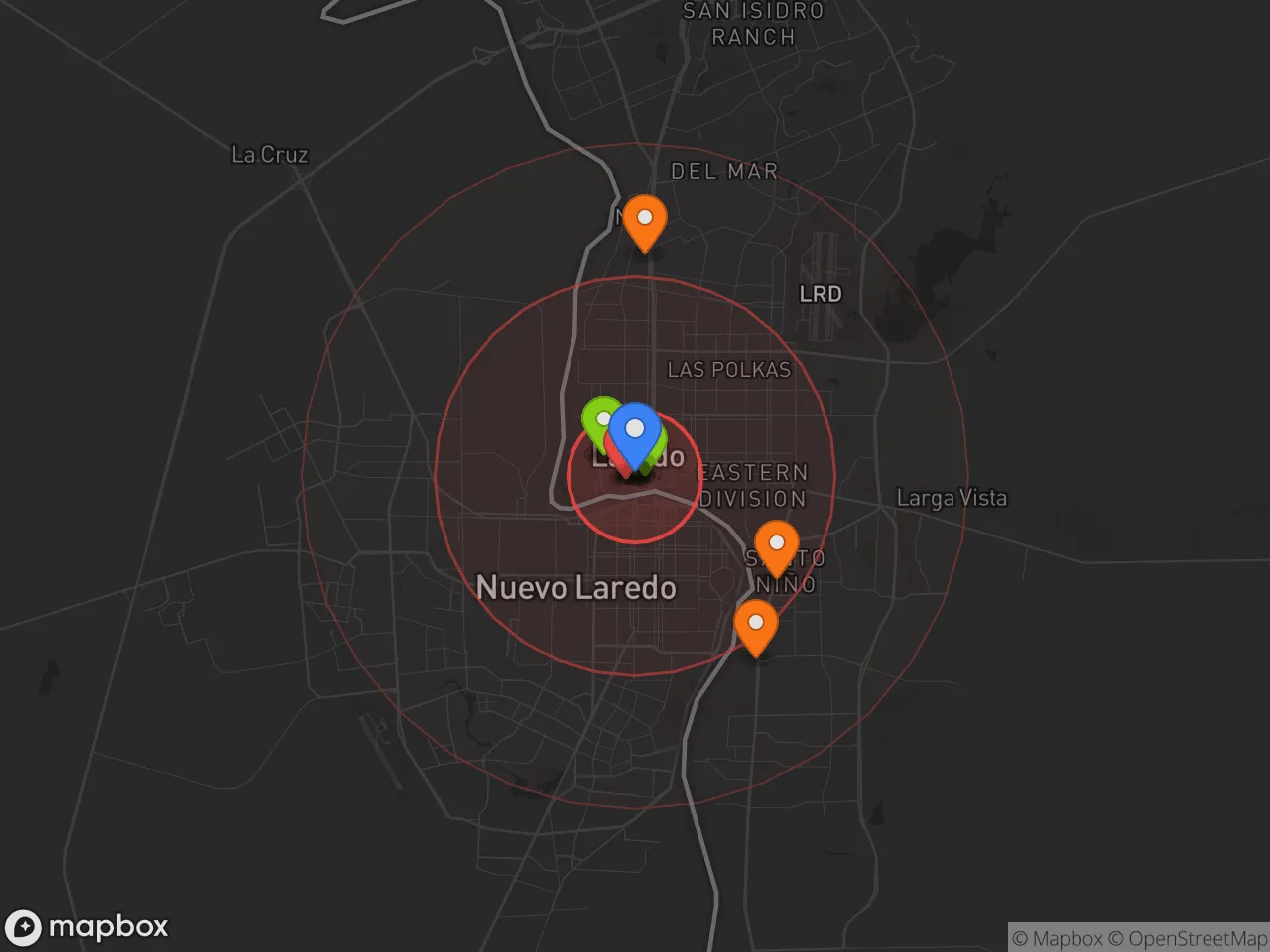
Hobbies
Explore the areaGroceries
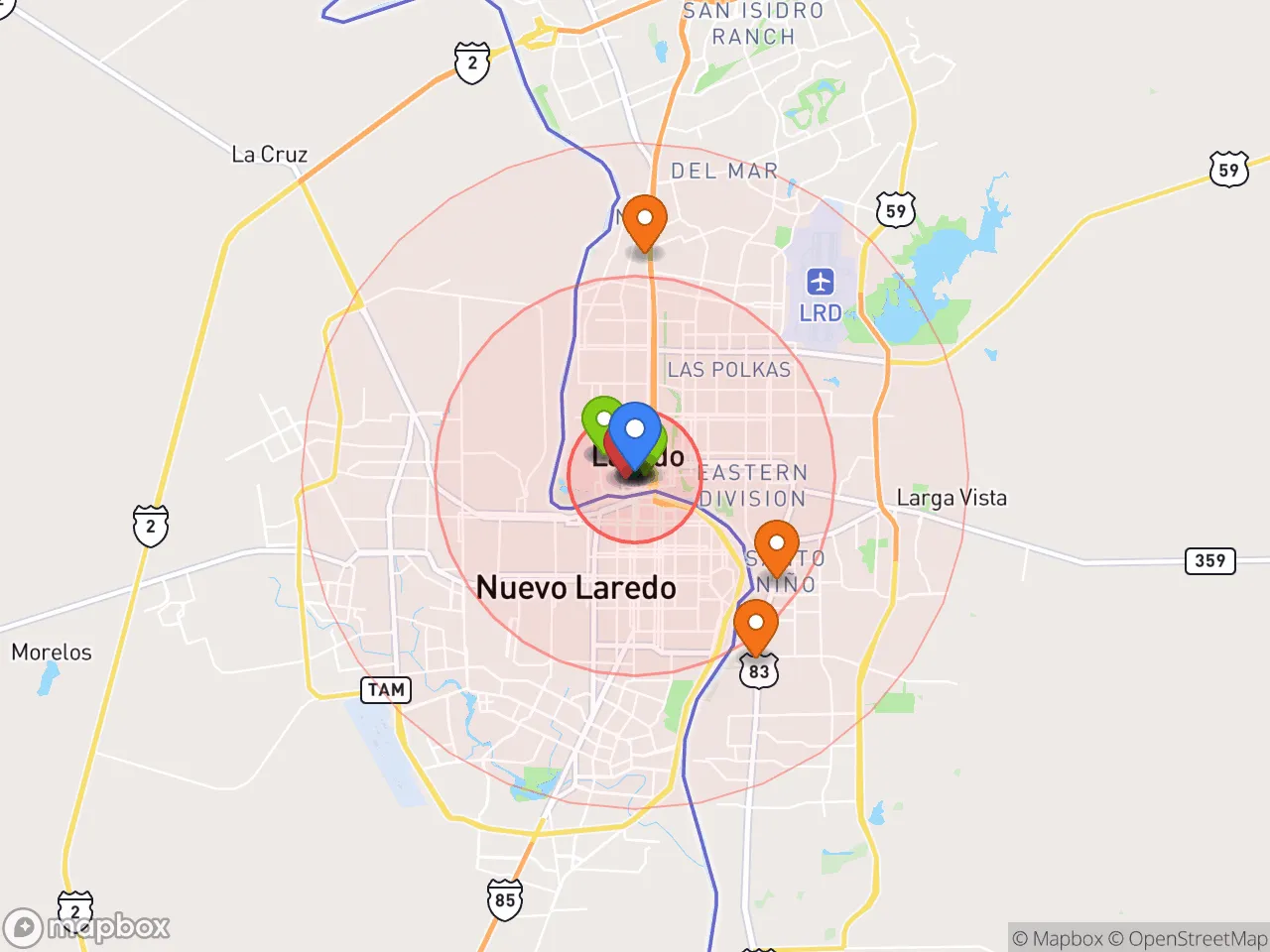
6 within 10 miles
Gas
20 within 10 miles
Hospital
17 within 20 miles
Airport
SAN — San Antonio International
Post Office
USPS — Laredo, TX
Critical Amenities
Quality-of-Life Analysis
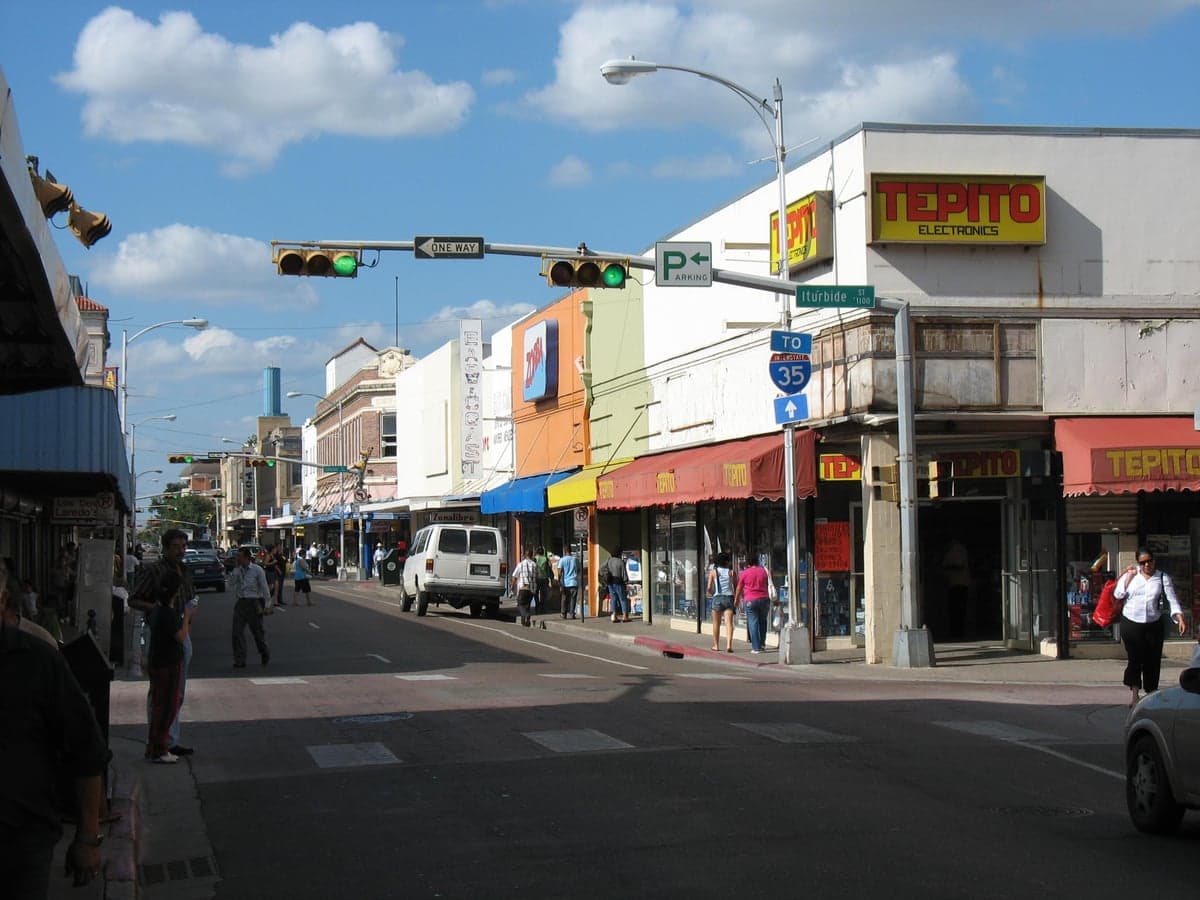
Laredo, Texas, presents a distinctive quality-of-life profile shaped by its border economy, deep cultural roots, and notably low cost of living. With a cost-of-living index of 78—22 points below the national average—the city offers significant financial breathing room, attracting a mix of young families, trade professionals, and retirees seeking affordability without sacrificing urban amenities. The population is overwhelmingly Hispanic (over 95%), and daily life is heavily influenced by binational commerce, family-centric values, and a slower, community-oriented pace that contrasts sharply with the sprawl of Houston or Dallas.
Cost of living, housing affordability, and how Laredo compares to nearby cities
Laredo’s cost of living is among the lowest in Texas for a metro area of its size. The median home value sits at $182,400, roughly half the national median and significantly below the Texas state average of about $300,000. Median rent is $1,001, making it feasible for single-income households and essential workers to live comfortably. Compared to nearby San Antonio (COL index 89) or Corpus Christi (COL index 84), Laredo offers a clear affordability edge, especially in housing. The average commute of 21.3 minutes is shorter than the national average (26 minutes), reflecting the city’s compact layout and limited highway congestion—a major quality-of-life plus for workers in healthcare, education, and logistics. However, property taxes are relatively high (around 2.5% of assessed value), which can offset some savings for homeowners, and the local job market is heavily concentrated in retail, trade, and government, limiting high-wage opportunities outside the energy and logistics sectors.
What daily life is like for families: schools, amenities, and community rhythm
Daily life in Laredo revolves around family, faith, and the Rio Grande. The city’s school system, primarily Laredo Independent School District and United Independent School District, serves over 40,000 students; United ISD is the larger and generally higher-rated district, with several campuses earning B ratings from the Texas Education Agency. For higher education, Laredo College and Texas A&M International University provide accessible degree programs. Amenities are modest but functional: the Laredo Energy Arena hosts concerts and rodeos, Lake Casa Blanca International State Park offers fishing and hiking, and the downtown San Agustín Plaza area provides a walkable historic core. The city’s rhythm is notably slower than other Texas metros—retail and restaurants often close earlier, and the weekend social calendar is dominated by quinceañeras, church events, and family gatherings. For families, the trade-off is clear: lower housing costs and short commutes come with fewer entertainment options and a less diverse job market than larger cities.
Laredo is best suited for people who prioritize financial stability, close-knit community ties, and a slower pace over career diversity or nightlife. Retirees on fixed incomes, remote workers seeking low overhead, and families with ties to the border economy will find the city’s affordability and short commutes compelling. Professionals in specialized fields like tech or finance may struggle with limited local opportunities, but for those who value a low-stress, family-oriented environment with genuine cultural richness, Laredo delivers a quality of life that larger, pricier cities cannot match.

Crime in Laredo, TX
Generally safer than 59% of comparable U.S. locations.
Violent CrimeViolent Crime Analysis
Property CrimeProperty Crime Analysis
Crime Analysis
Laredo, Texas, presents a mixed safety profile for potential residents. The city's violent crime rate of 310.6 incidents per 100,000 residents is notably lower than the national average, but its property crime rate of 1,147.2 per 100,000 exceeds both state and national benchmarks. This combination means that while the risk of violent confrontation is relatively low, property-related offenses like theft and burglary are a more common concern for daily life.
Crime in context
Laredo's violent crime rate sits well below the U.S. average of roughly 380 per 100,000, placing it in a safer tier for major Texas border cities. However, its property crime rate is significantly higher than the Texas average of approximately 2,500 per 100,000—though this figure is skewed by the state's inclusion of very large, high-crime metros. A more direct comparison shows Laredo's property crime rate is about 15% higher than the national average. A critical factor for residents to consider is the local judicial environment. Webb County, which encompasses Laredo, has a history of electing progressive district attorneys and judges who prioritize rehabilitation and diversion programs over incarceration. While well-intentioned, this ideological approach can lead to shorter sentences and more offenders cycling back onto the streets, directly undermining public safety and victim justice. This pattern is a known concern in large metro areas and their surrounding communities, where progressive prosecutorial policies have been linked to increased recidivism and a perception of lawlessness.
What residents experience
For those living in Laredo, the most tangible safety issue is property crime. Vehicle burglaries, package theft, and home break-ins are the most frequently reported incidents. Residents in central neighborhoods and areas near the border crossing report higher rates of these offenses. Violent crime, while less common, is not absent—it tends to be concentrated in specific corridors and is often related to disputes or organized crime activity rather than random attacks. The city's police department has implemented community policing initiatives, but the effectiveness is hampered by the judicial system's leniency. Residents should take proactive measures: secure vehicles, install outdoor lighting, and participate in neighborhood watch programs. The perception of safety varies widely; many long-time residents feel secure in their daily routines, while newcomers from areas with stricter law enforcement may find the property crime rate and judicial philosophy unsettling.
Neighborhood-level variation is significant. Areas like the Del Mar Hills and the Lakeside district generally report lower crime rates, while older, denser neighborhoods near downtown and the international bridges experience higher property crime. The safest approach for a new resident is to research specific zip codes (e.g., 78045 vs. 78040) and consult local crime mapping tools before choosing a home. Ultimately, Laredo offers a lower violent crime risk than many comparably sized cities, but the elevated property crime rate and a progressive justice system that prioritizes offender rehabilitation over public protection are serious factors that should weigh heavily in any relocation decision.
* Values derived from national, state, county, city and local statistics and may differ in a specific area. Last updated: 2026-05-03T04:47:33.000Z
Narrative content on this page is AI-generated and may contain mistakes. Verify any details that matter before acting on them.
ReloMaps may earn a commission from affiliate links at no extra cost to you.

