
Photo: Wikipedia
Quality of Life in Las Vegas, NV
Above-average quality of iife. The area offers a reasonable cost of living, decent mobility, and a mix of neighborhood amenities.
What does Quality of Life tell us?
Quality of Life blends cost of living, nearby amenities, socioeconomic signals, and neighborhood character. City-level scores represent the whole municipality; individual neighborhoods can differ.
What does this tell us?
Quality of Life blends cost of living, nearby amenities, socioeconomic signals, and neighborhood character. City-level scores represent the whole municipality; individual neighborhoods can differ.
Cost of Living
31% above national average
The Real Cost of Living in Las Vegas, NV for 2026
| Tier | Individual | Family (4) |
|---|---|---|
| Survival | $23k | $44k |
| Comfortable | $77k | $113k |
| Luxury | $128k+ | $198k+ |
| Elite (Top 5%) | $164k+ | $254k+ |
63%
The Area Signal
A metric tracking the socioeconomic signals of the area.


Hobbies
Explore the areaGroceries
4 within 10 miles
Gas
0 within 10 miles
Hospital
3 within 20 miles
Airport
LAS — Harry Reid International
Post Office
USPS — Las Vegas, NV
Critical Amenities
Quality-of-Life Analysis
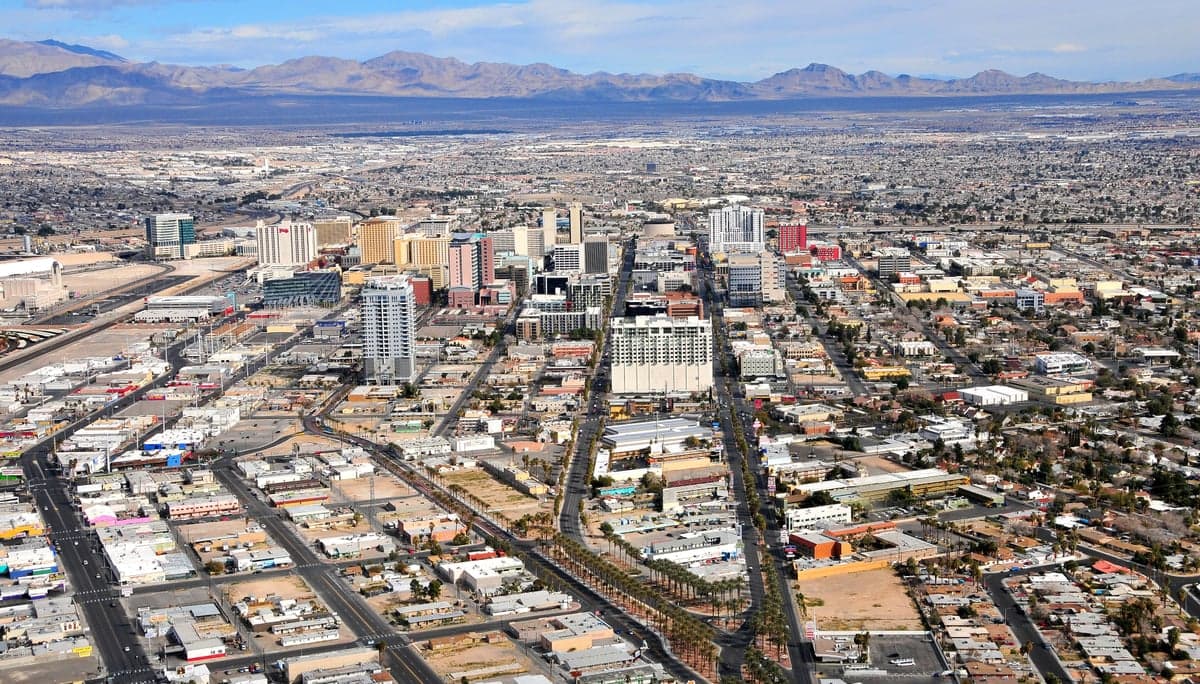
Las Vegas, Nevada, presents a unique quality-of-life profile defined by its status as a major entertainment hub with a cost of living that is 31% above the national average (COL index 131), yet remains more affordable than many other Western metropolitan areas like Los Angeles or San Francisco. The population is a dynamic mix of long-time locals, recent transplants from California and the Midwest, and a transient workforce tied to the hospitality and service industries. This creates a city where high-energy tourism coexists with a growing residential community seeking economic opportunity and a lower tax burden.
Cost of living, housing, and affordability compared to nearby areas
Housing in Las Vegas is the primary driver of its above-average cost of living, with a median home value of $395,300 and a median rent of $1,456. While these figures are significantly higher than the national median, they are roughly 40-50% lower than comparable homes in Los Angeles or San Diego, making Las Vegas a relative bargain for Californians. The average commute of 25.8 minutes is slightly below the national average, a notable advantage given the city's sprawling layout, though traffic on the I-15 corridor can spike during peak tourist seasons. Compared to nearby suburbs like Henderson or Summerlin, home values in central Las Vegas are generally lower, but property taxes remain among the lowest in the nation due to Nevada's lack of a state income tax, which offsets some of the higher housing costs for homeowners.
Everyday amenities, schools, and daily life rhythm
Daily life in Las Vegas is defined by a 24-hour service economy and a climate that encourages indoor and outdoor recreation year-round. The Clark County School District, the fifth-largest in the U.S., serves over 300,000 students, with performance varying widely by neighborhood; magnet schools like the Advanced Technologies Academy and private options such as Bishop Gorman High School are highly regarded. Amenities are abundant: residents have access to world-class dining, entertainment, and shopping on the Strip, but also to extensive parks, hiking trails at Red Rock Canyon, and Lake Mead for water sports. The city's rhythm is distinct—many residents work non-traditional hours (evenings, weekends), which can make socializing and family scheduling challenging but also reduces congestion during standard 9-to-5 windows. The lack of a state income tax is a major draw for high-earners, while the dry desert climate means over 300 sunny days per year, though summer temperatures routinely exceed 105°F.
Las Vegas is best suited for individuals and families who prioritize economic opportunity, low taxes, and a vibrant entertainment scene over traditional suburban quiet or strong public school systems. Professionals in hospitality, gaming, logistics, and healthcare will find the most robust job market, while retirees are attracted to the low property taxes and active adult communities. Those who thrive here are comfortable with a fast-paced, 24-hour environment, can adapt to extreme summer heat, and value the trade-off of a higher cost of living for a lower tax burden and proximity to outdoor recreation. For anyone seeking a more conventional, slower-paced lifestyle, nearby suburbs like Henderson or Boulder City may offer a better fit, but for those drawn to the energy and economic dynamism of a major metropolitan hub, Las Vegas delivers a distinctive quality of life.

Crime in Las Vegas, NV
Higher crime rates than 61% of comparable U.S. locations.
Violent CrimeViolent Crime Analysis
Property CrimeProperty Crime Analysis
Crime Analysis
Las Vegas, Nevada, reports a violent crime rate of 399.6 per 100,000 residents and a property crime rate of 2,370.5 per 100,000, placing it well above both state and national averages. While the city’s tourism-driven economy and 24-hour environment create unique safety dynamics, residents face elevated risks that demand careful consideration, particularly given the influence of progressive justice policies in Clark County.
Crime in context
Las Vegas’s violent crime rate is roughly 14% higher than the Nevada state average and about 15% above the national median for cities of comparable size. Property crime is even more pronounced, exceeding the national average by approximately 30%. The Clark County District Attorney’s office and local judges have adopted progressive stances on bail reform and sentencing, including a 2023 policy shift that reduced cash bail for non-violent offenses. Critics argue these measures, while intended to reduce jail overcrowding, have led to repeat offenders cycling through the system more quickly. Data from the Las Vegas Metropolitan Police Department shows that property crime rose 8% in 2024 following the implementation of these reforms, with auto theft and larceny driving the increase.
What residents experience
For everyday residents, property crime is the most tangible concern. Package theft, vehicle break-ins, and home burglaries are common in both suburban tracts like Summerlin and older neighborhoods near the Strip. Violent crime, while less frequent, is concentrated in specific corridors: the downtown area around Fremont Street and parts of North Las Vegas report double the citywide violent crime rate. The presence of progressive prosecutors who prioritize diversion programs over incarceration means that repeat property offenders often face minimal jail time, a pattern that frustrates victims and neighborhood watch groups. Residents in areas like Green Valley and Henderson frequently report that stolen property cases are deprioritized, with police citing limited resources for follow-up.
Neighborhood-level variation is significant. The affluent enclaves of Southern Highlands and Anthem have violent crime rates below 200 per 100,000, while the historic Westside and areas near the University of Nevada, Las Vegas campus exceed 600 per 100,000. Tourists are most vulnerable to theft and fraud on the Strip, where pickpocketing and rental-car break-ins account for 40% of all reported property crime. For families considering relocation, the safest bets are master-planned communities in Henderson or the far northwest valley, where homeowners associations fund private security patrols and crime rates are roughly half the city average. However, even these areas are not immune to the broader effects of a justice system that many residents feel prioritizes offender rehabilitation over public safety.
* Values derived from national, state, county, city and local statistics and may differ in a specific area. Last updated: 2026-04-15T23:42:23.000Z
Narrative content on this page is AI-generated and may contain mistakes. Verify any details that matter before acting on them.
ReloMaps may earn a commission from affiliate links at no extra cost to you.

