Photo: Wikipedia
Find The Best Places To Live
in Columbus
PRO TIP! You can paste a Zillow or Redfin link to get info on that property.
What It's Like Living in Columbus, MT
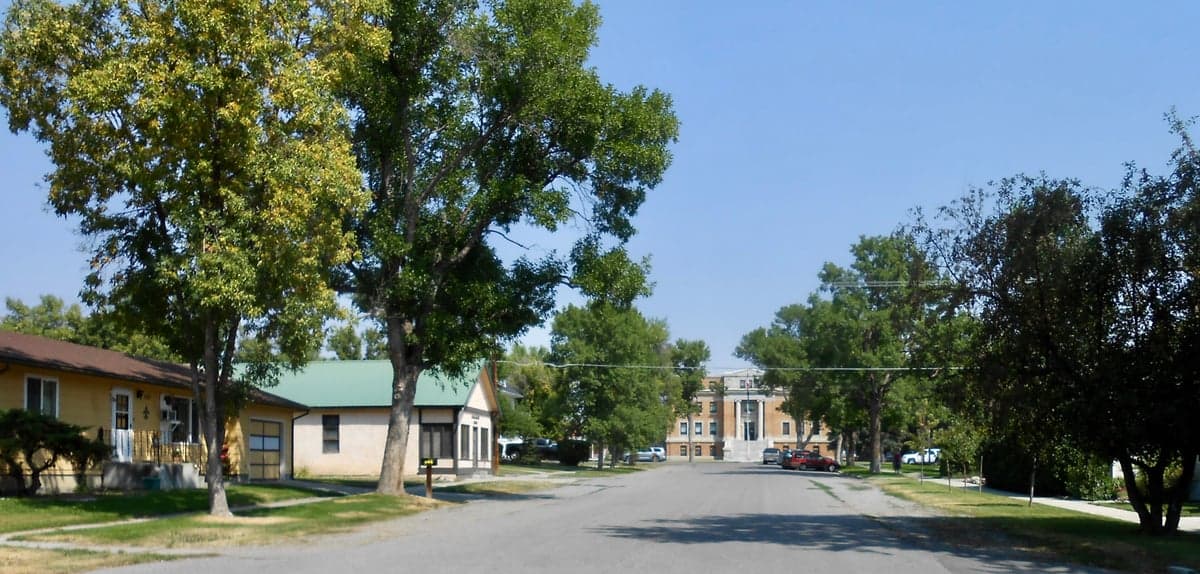
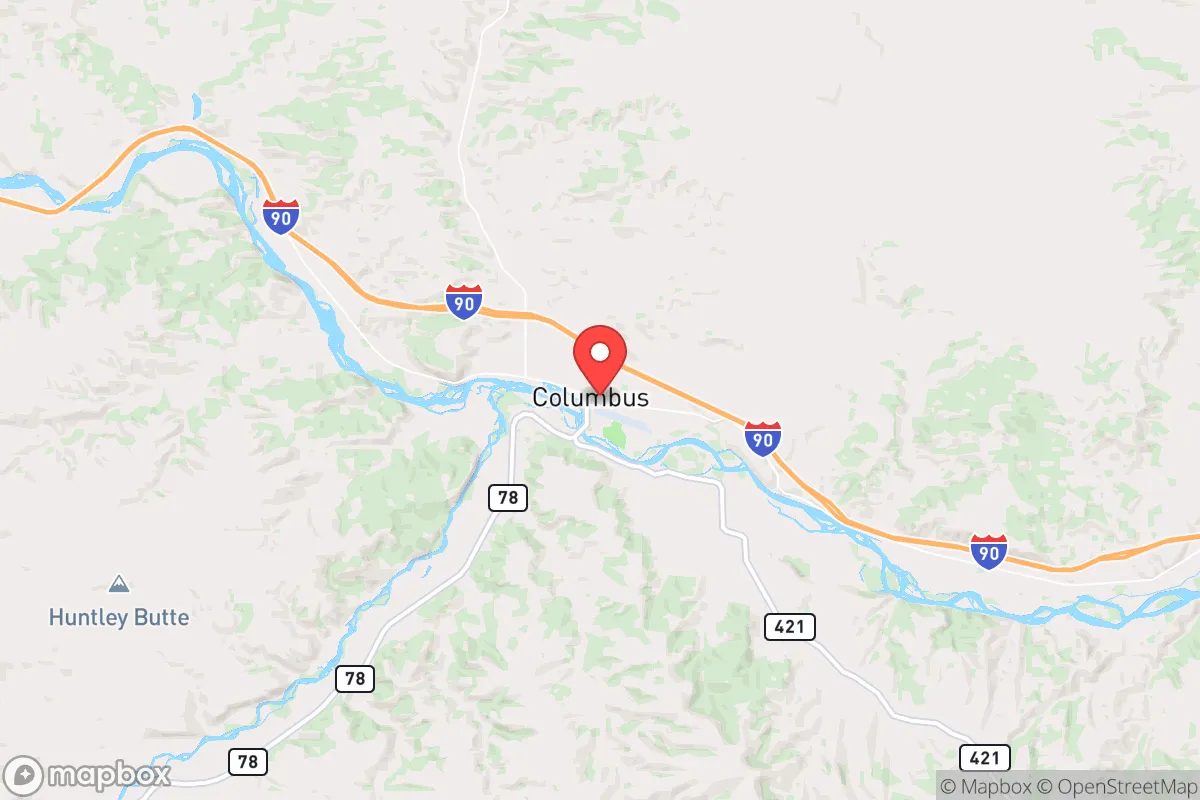
Living in Columbus, Montana, feels a lot like stepping into a quieter, more deliberate chapter of life—one where the Yellowstone River is the main artery and the Beartooth Mountains are the backdrop you never get tired of. With just under 2,000 people, this isn’t a place you stumble into by accident; it’s a town you choose, often because you want elbow room, a slower pace, and a community where people still wave from their pickups. It’s conservative, practical, and deeply tied to the land—think ranch families, railroad workers, and folks who value self-reliance over convenience.
Daily Rhythm and the Kind of Person Who Fits In
Most mornings here start early, often with a stop at the Hitching Post for coffee and eggs before heading to work at the Stillwater Mine, the local school district, or one of the small ag businesses that line the main drag. The median age is 46, and that skews the vibe toward settled, not rowdy—you’ll see more pickup trucks than party crowdscars. The kind of person who fits in is someone who doesn’t mind driving 20 minutes for a decent grocery run (the average commute is about 19 minutes, but that’s to Billings for many) and who finds satisfaction in fixing things themselves rather than calling a service. Weekends are for floating the river, hunting in the Custer Gallatin National Forest, or grabbing a burger at the Riverfront Bar & Grill while the kids play in the park out back. It’s a place where your neighbor might help you haul firewood, and where the high school football game on Friday night is the social event of the week.
Sports, Community, and What People Actually Do for Fun
High school sports are a big deal here—Columbus Cougars football and basketball games draw a solid crowd, and the gym gets loud during rivalry matchups against Absarokee or Joliet. There’s no pro or college team within an hour, so the community pours its energy into local athletics, 4-H events at the fairgrounds, and the annual Columbus Day Festival in October, which features a parade, rodeo, and enough barbecue to feed the whole county. For outdoor types, the Yellowstone River offers solid fly fishing and floating, while the Beartooths provide hiking and snowmobiling within a 30-minute drive. The biggest cultural quirk? People here genuinely don’t understand why anyone would want to live in a city—they’ll tell you straight up that the traffic in Billings (45 minutes north) is “unbearable,” even though it’s mild by national standards. The Columbus Rod & Gun Club is a social hub for hunters and shooters, and the local library hosts a surprisingly active book club for a town this size.
Pros and Cons of Living Here
Let’s be honest: Columbus has real trade-offs. On the upside, the cost of living is well below the national average (index of 85), and a median home value of $264,000 buys you a three-bedroom with a yard and a shop—something that would cost double in Bozeman. The violent crime rate of 351.4 per 100,000 is higher than the national average, but most of that is tied to a few specific incidents and doesn’t reflect the day-to-day reality of a town where people still leave their doors unlocked. The schools are small (K-12 in one building) and teachers know every kid by name, which parents love, but the trade-off is limited extracurricular options—no orchestra, no AP physics. The biggest frustration for longtime residents is the lack of shopping and dining variety; you’ll drive to Billings for a Target or a sit-down chain restaurant, and the local grocery store closes early. Weather-wise, winters are cold and dry (expect single digits from December through February), while summers are hot and short, with July highs in the upper 80s. The wind is a constant companion—locals joke that it’s either blowing or getting ready to blow.
Practical Realities: Traffic, Schools, and Seasonal Rhythms
Traffic is essentially a non-issue—the only bottleneck is the railroad crossing on Main Street when a freight train rolls through, which happens a few times a day and can add a five-minute wait. The schools are the heart of the community; the elementary and high school share a campus, and events like the fall carnival or spring musical are where you’ll meet everyone. With only 20.6% of adults holding a college degree, the workforce is heavy on trades, mining, and agriculture—people here value hands-on skills over diplomas. The median household income of $62,500 is enough to live comfortably, but you won’t get rich. Seasonal rhythms are strong: spring means calving season and muddy roads, summer is for county fairs and river floats, fall is hunting and harvest, and winter is for hunkering down with a wood stove and a good book. If you’re the kind of person who needs a 24-hour gym or a craft brewery on every corner, this isn’t your place. But if you want a town where your word is your bond and the stars are bright enough to read by, Columbus might feel like home.

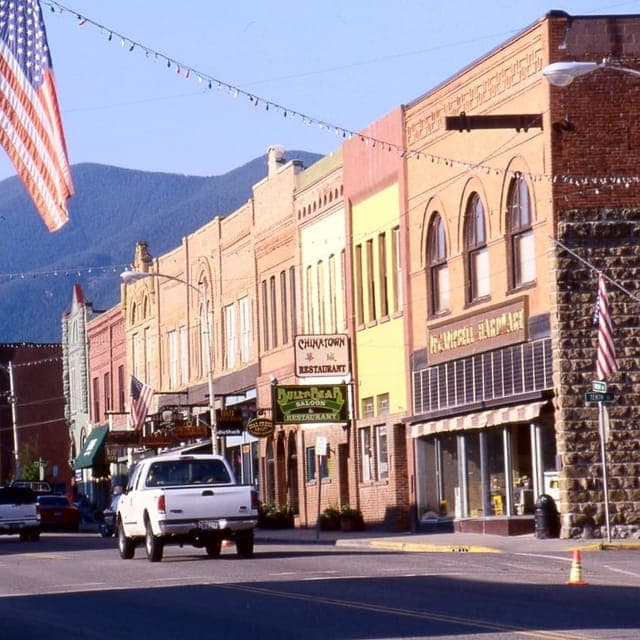
Similar small towns to Columbus
* Values derived from national, state, county, city and local statistics and may differ in a specific area. Last updated: 2026-04-29T21:22:13.000Z
Narrative content on this page is AI-generated and may contain mistakes. Verify any details that matter before acting on them.
ReloMaps may earn a commission from affiliate links at no extra cost to you.

