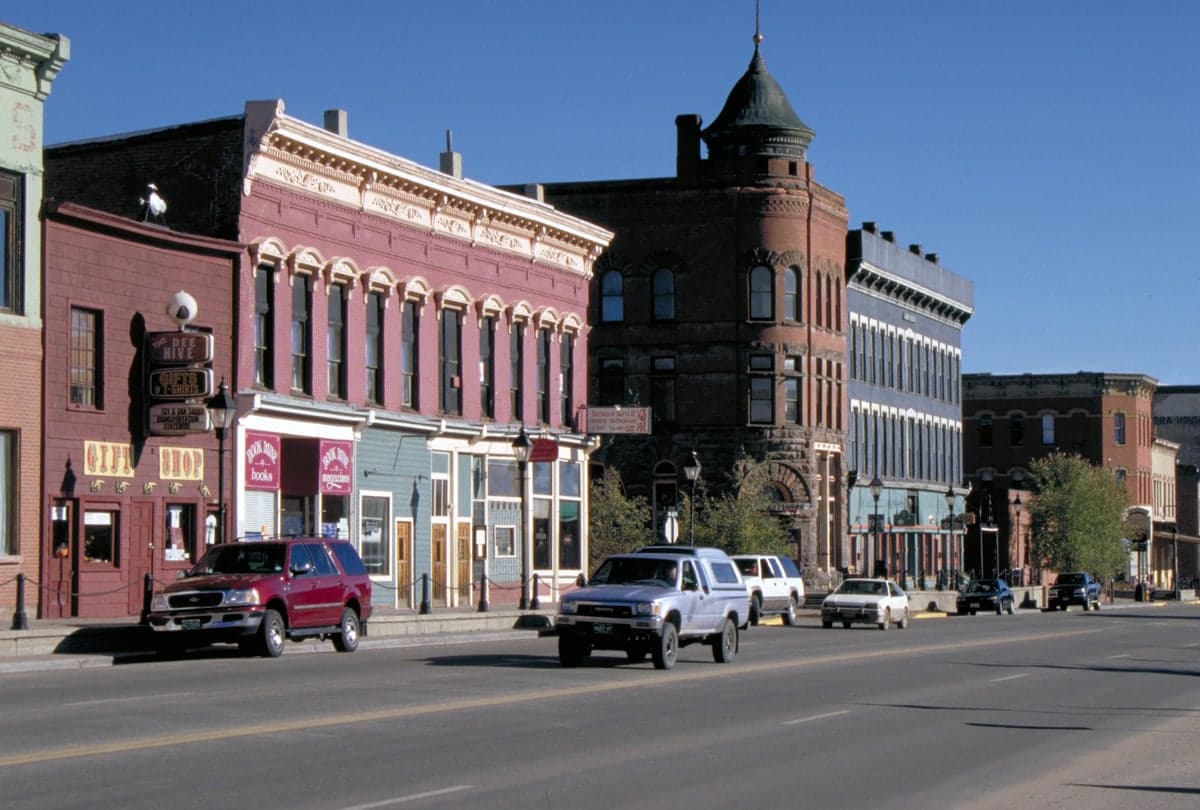
Photo: Wikipedia
Strategic Assessment of Leadville, CO
Workable tactical position. Some exposure to population density or targets, but generally defensible in a crisis.
What does the Strategic Assessment tell us?
Our Strategic Assessment grades tactical survivability of an area. Major population centers, military targets, fallout zones, natural disasters, and border exposure all drive risk — lower exposure means a more defensible position in a crisis.
This is heavily inspired by Joel Skousen's Strategic Relocation book. Highly recommended you checkout the book ($)What does this tell us?
Our Strategic Assessment grades tactical survivability of an area. Major population centers, military targets, fallout zones, natural disasters, and border exposure all drive risk — lower exposure means a more defensible position in a crisis.
This is heavily inspired by Joel Skousen's Strategic Relocation book. Highly recommended you checkout the book ($)Strategic Pillars

Key Distances
Regional Safe Places
Below is our recommended "safe zones" in Colorado and the surrounding area based on our strategic heuristics. For most people, it's unrealistic to live in a “safe zone” full-time due to work, family or other personal reasons. They tend to be more rural. However, many of these areas are perfect for second homes and retreat properties that double as a vacation home or even a short-term rental.
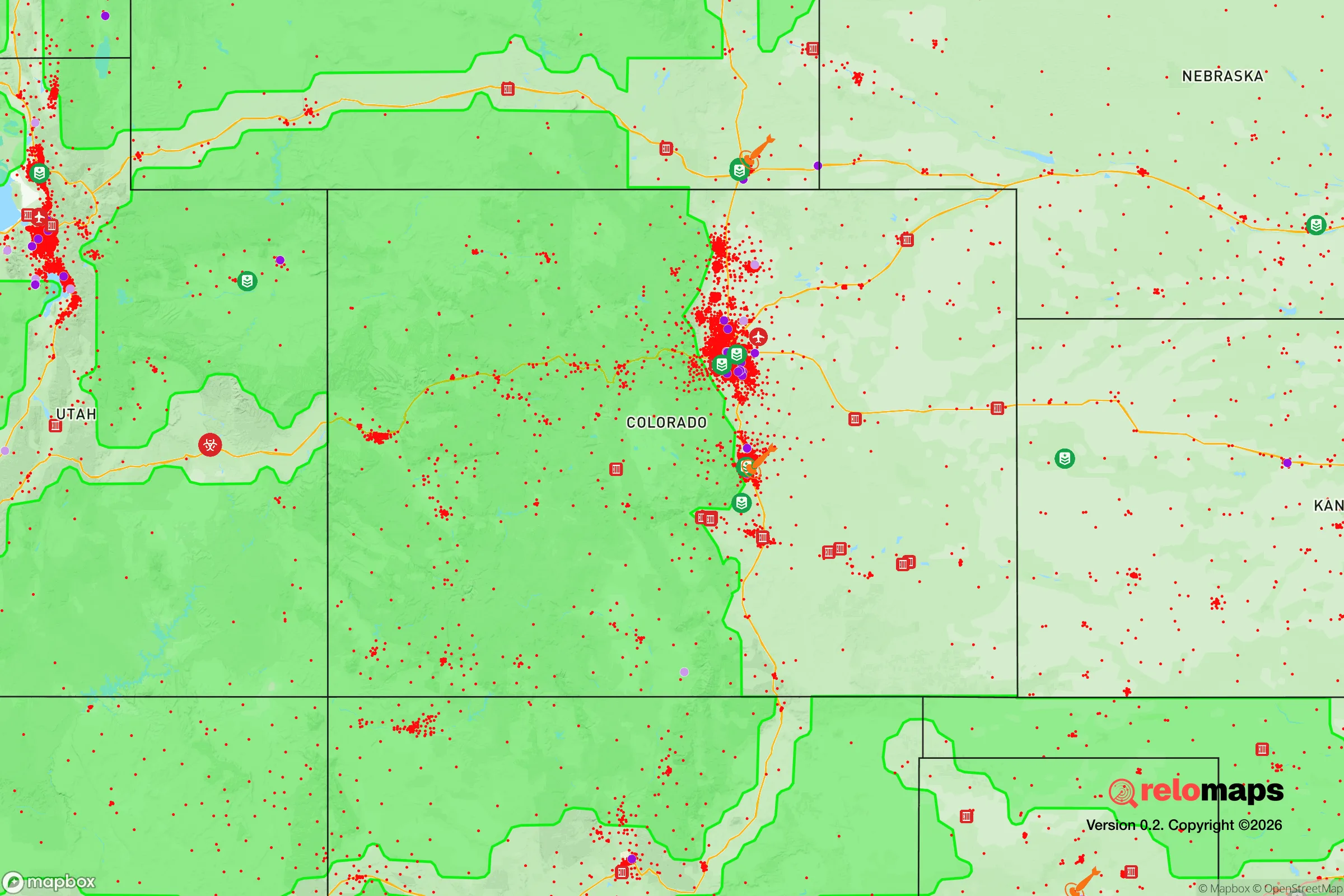
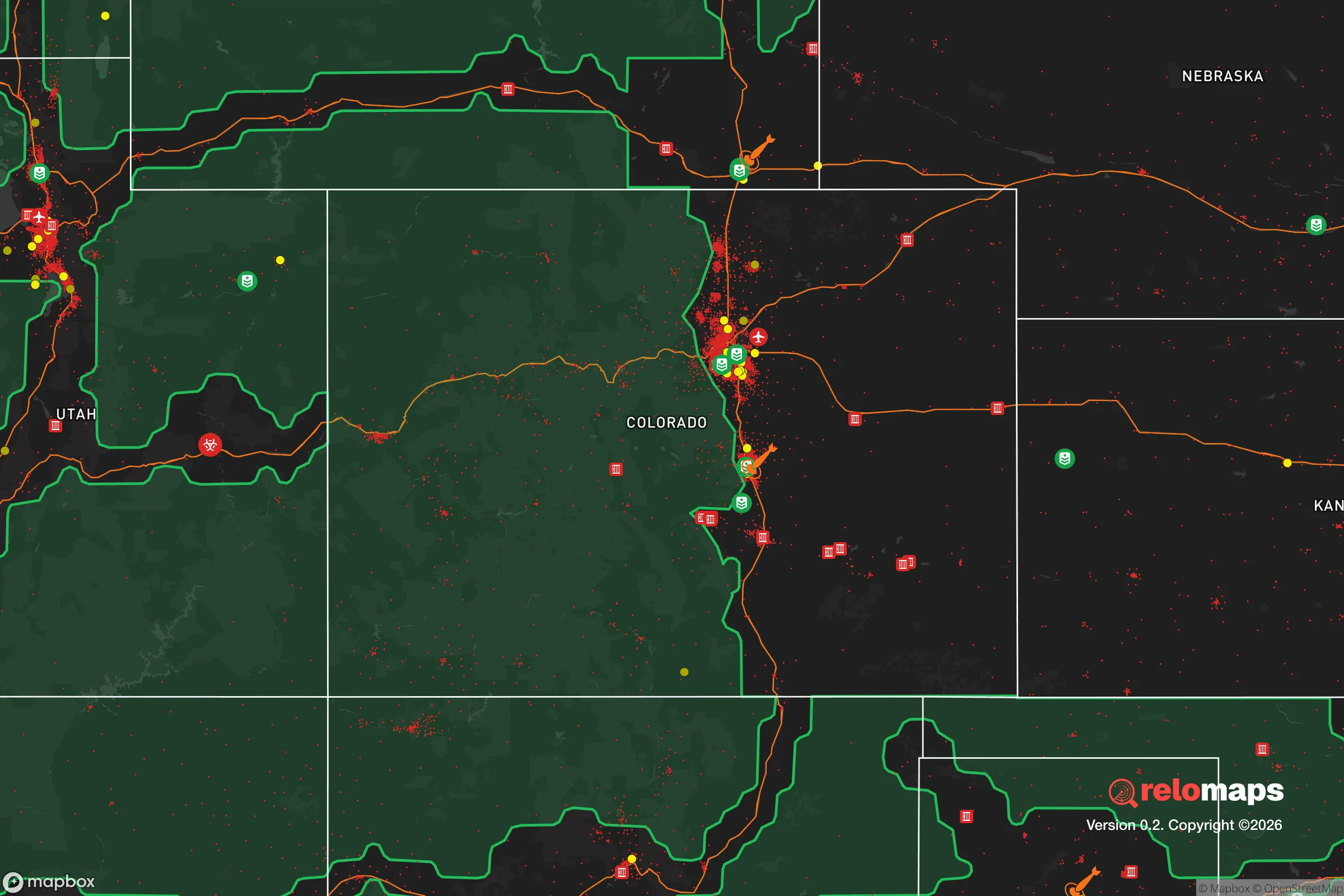


Important Note: For informational purposes only. This does not mean nothing bad ever happens in the green zones. Please use common sense. This is based on public data and modeled with AI. We tried to take a conservative approach but mistakes happen. We update this regularly as new information becomes available.
Solar Generator Recommendations
Backup power matters more here than in safer locations. We've picked three solar generators across budgets and capacity tiers — start with the budget unit if you only need a few essentials, or step up if you want to run a fridge and HVAC for days at a time.

Jackery Portable Power Station Explorer 300
Budget OptionPower on the Go: Weighing only 11 lbs, it's convenient to set up and store with book-sized foldable solar panels

BLUETTI Portable Power Station AC180
Designed for both indoor and outdoor scenarios, AC180 is highly capable as it has a robost capacity and continuous output power.

EF ECOFLOW DELTA Pro Ultra Power Station
Upgraded PickEcoFlow DELTA Pro Ultra is a whole-home energy system designed to grow with your family. Integrated with the Smart Home Panel 2, it scales to meet your evolving energy needs — keeping your home powered, intelligent, and secure through every stage of life.
We earn a commission, at no additional cost to you.
Strategic Assessment Analysis
Leadville, Colorado, sits at 10,200 feet in the heart of the Rocky Mountains, offering a strategic resilience profile that is both formidable and nuanced. Its high-altitude isolation, historic mining infrastructure, and position away from major population corridors make it a serious candidate for those prioritizing self-reliance and security in an uncertain future. However, the same geography that provides natural barriers also imposes harsh environmental constraints, and the town’s proximity to certain legacy industrial sites demands careful consideration. For a conservative-leaning relocator—whether a single individual or a family—Leadville presents a trade-off between extreme defensibility and extreme logistical challenge.
Geographic position and natural defensive advantages
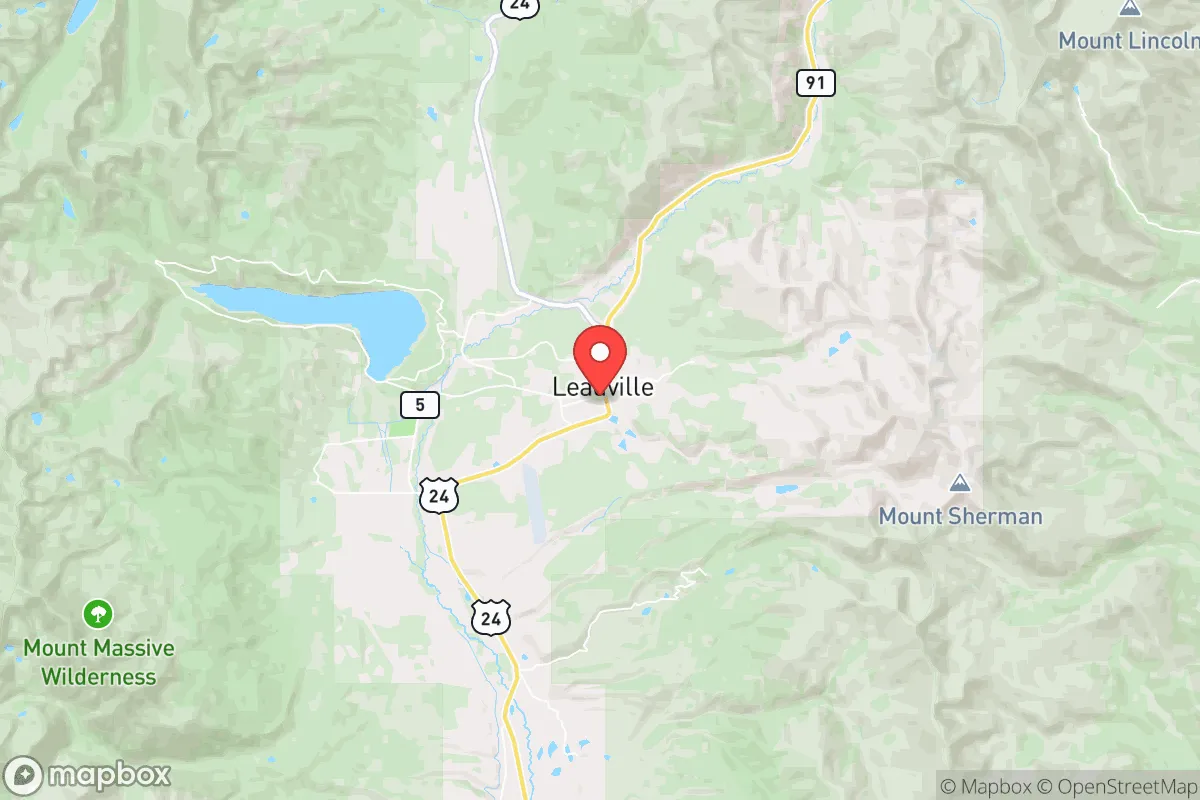
Leadville’s primary strategic asset is its location in a high mountain valley surrounded by the Sawatch and Mosquito ranges, with multiple passes exceeding 12,000 feet serving as the only vehicular access points. This creates a natural choke point: anyone approaching from the Front Range (Denver, about 100 miles east) must navigate either U.S. Highway 24 over Tennessee Pass or State Highway 91 over Fremont Pass—both easily monitored and, in a collapse scenario, blockaded with minimal effort. The town itself sits in a bowl, offering 360-degree visibility of the surrounding ridges, which is a significant tactical advantage for early warning and perimeter defense. The Arkansas River headwaters run through the valley, providing a reliable surface water source that is less contested than Front Range supplies. For a prepper, the ability to control access and observe approaching threats is invaluable, and Leadville’s geography delivers that in spades.
Risks, exposures, and proximity to fallout-relevant landmarks
No strategic assessment is honest without addressing the downsides. Leadville’s most glaring vulnerability is its legacy as a Superfund site—the California Gulch area, contaminated by over a century of heavy metal mining (lead, zinc, cadmium, and arsenic). While remediation has reduced acute risks, soil and water contamination remain a concern for anyone planning long-term food cultivation or relying on untreated wells. Testing is non-negotiable. More critically, Leadville lies roughly 80 miles southwest of the Rocky Flats National Wildlife Refuge, a former nuclear weapons plant that, while cleaned up, remains a psychological and potential logistical risk in a major disaster scenario. Additionally, the town is within 120 miles of the Cheyenne Mountain Complex (NORAD) and the U.S. Air Force Academy near Colorado Springs—both high-value targets in a conflict. While not a direct fallout zone, a strike on those facilities could send panic and refugees westward through the mountain passes. The town’s isolation cuts both ways: it’s hard to reach, but if you’re there when things go bad, resupply and medical evacuation become extremely difficult. Winter storms can close all routes for days, and the nearest Level I trauma center is in Denver—a 2.5-hour drive in good weather.
Practical resilience for a relocator: food, water, energy, and defensibility
Let’s get practical. Water is abundant—the Arkansas River and numerous alpine lakes provide year-round flow, but freezing is a constant issue. Any off-grid setup requires buried pipes, heated cisterns, or a willingness to haul water in winter. Growing season is brutally short (last frost often in June, first frost by September), making traditional gardening nearly impossible without a greenhouse or high-tunnel system. Hay and livestock can work at lower elevations nearby, but Leadville itself is marginal for crops. Energy is a mixed bag: solar panels produce well at high altitude due to clear skies, but snow cover and short winter days (less than 9 hours of sunlight in December) demand battery storage and a backup generator. Wind is consistent but can be destructive—anchoring is critical. The town’s historic mining infrastructure includes old shafts and tunnels that could be repurposed for storage or shelter, but many are unstable and require inspection. Defensively, the terrain favors the prepared: a small group with line-of-sight communication can hold the passes against a larger force. However, the population of roughly 2,600 includes a mix of long-time locals, seasonal workers, and a growing number of remote workers and second-home owners—meaning social cohesion is not guaranteed. Building trust with neighbors before a crisis is essential.
The overall strategic picture for a conservative relocator
Leadville is not a bug-out location for the unprepared or the faint of heart. It is a long-term, high-altitude outpost for those willing to invest in infrastructure, accept harsh winters, and maintain a low profile. Its strengths—natural barriers, water access, and isolation—are real. Its weaknesses—contamination, short growing season, and dependence on a single road network—are equally real. For a single individual or family with a prepper mindset, the calculus comes down to this: if you can secure a property with clean soil, a reliable water source, and a defensible position, Leadville offers a level of security that few places in the lower 48 can match. But if you’re looking for a turnkey retreat where you can ride out a crisis with minimal effort, look elsewhere. This is a place that demands competence, community, and a tolerance for discomfort. For those who meet that bar, it’s one of the most strategically sound redoubts in the Rocky Mountain region.

* Values derived from national, state, county, city and local statistics and may differ in a specific area. Last updated: 2026-04-29T00:32:22.000Z
Narrative content on this page is AI-generated and may contain mistakes. Verify any details that matter before acting on them.
ReloMaps may earn a commission from affiliate links at no extra cost to you.

