Photo: Wikipedia
Quality of Life in Lebanon, TN
A high quality of life with strong walkability, manageable living costs, healthy neighborhood signals, and solid amenity access.
What does Quality of Life tell us?
Quality of Life blends cost of living, nearby amenities, socioeconomic signals, and neighborhood character. City-level scores represent the whole municipality; individual neighborhoods can differ.
What does this tell us?
Quality of Life blends cost of living, nearby amenities, socioeconomic signals, and neighborhood character. City-level scores represent the whole municipality; individual neighborhoods can differ.
Cost of Living
13% above national average
The Real Cost of Living in Lebanon, TN for 2026
| Tier | Individual | Family (4) |
|---|---|---|
| Survival | $19k | $36k |
| Comfortable | $70k | $103k |
| Luxury | $123k+ | $190k+ |
| Elite (Top 5%) | $144k+ | $223k+ |
70%
The Area Signal
A metric tracking the socioeconomic signals of the area.
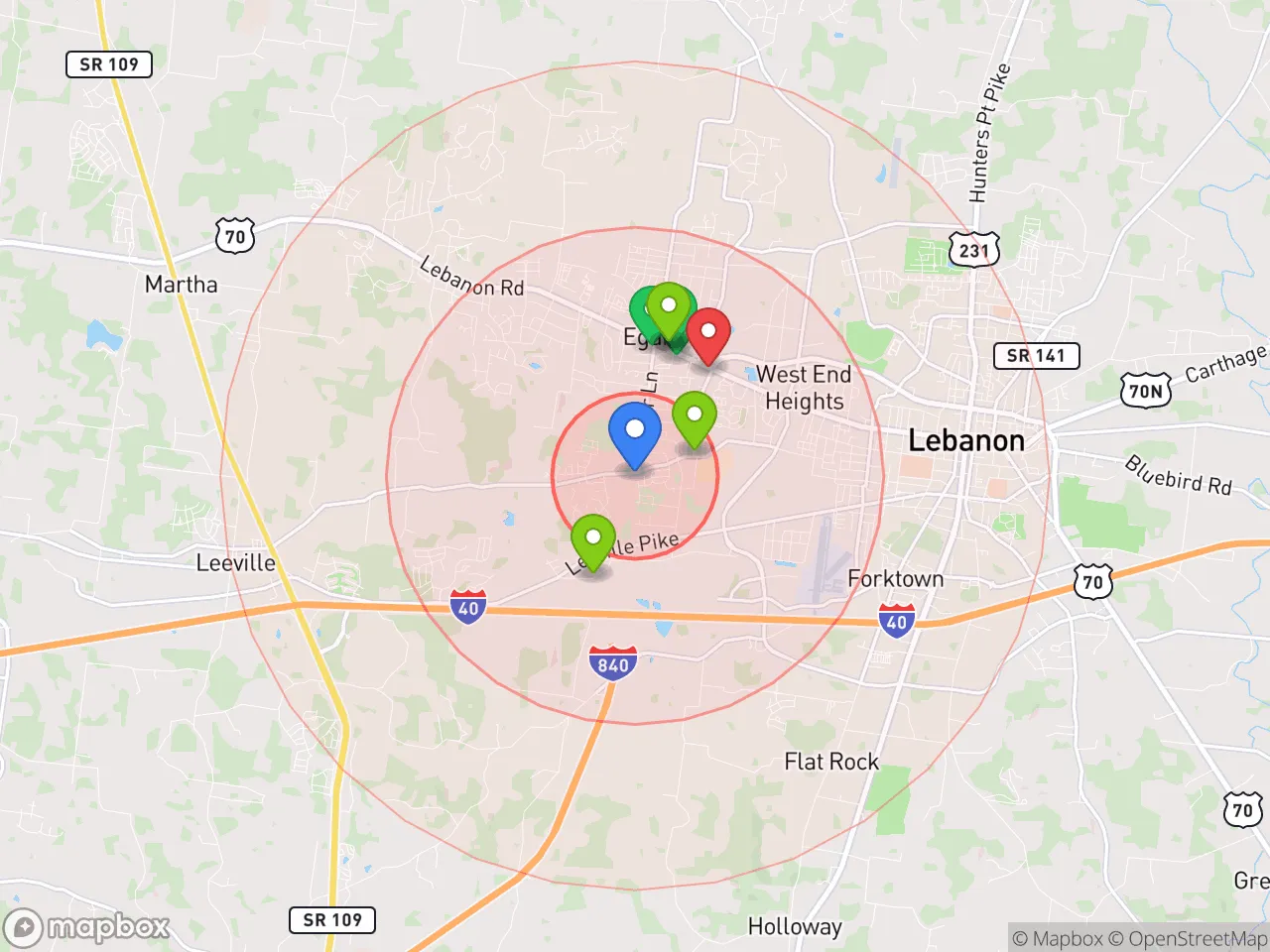
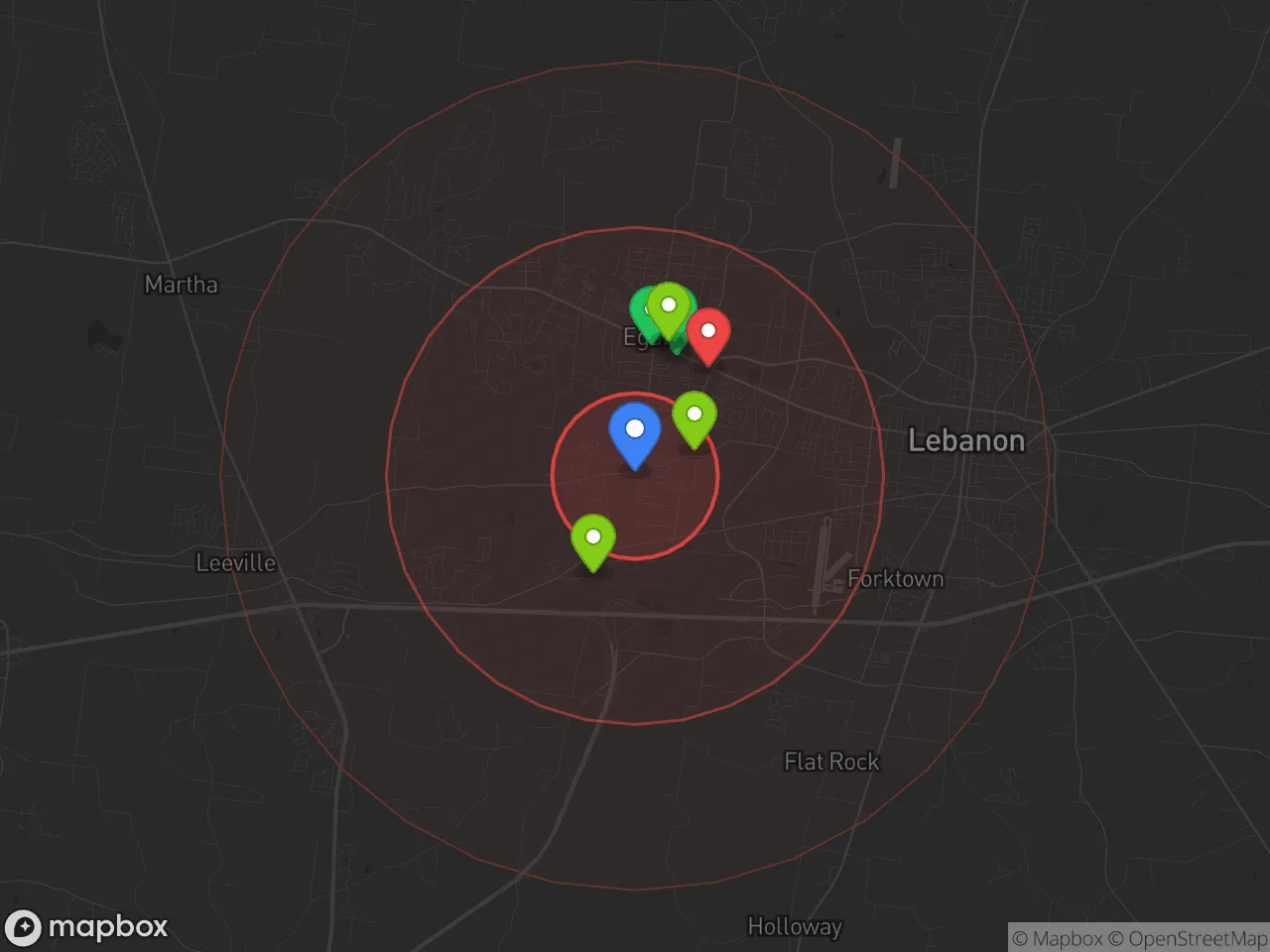
Hobbies
Explore the areaGroceries
6 within 10 miles
Gas
20 within 10 miles
Hospital
8 within 20 miles
Airport
BNA — Nashville International
Post Office
USPS — Gladeville, TN
Critical Amenities
Quality-of-Life Analysis
Lebanon, Tennessee, has evolved into a sought-after Middle Tennessee suburb where the cost of living index of 113 sits 13% above the national average, reflecting its growing affluence and desirability. The city attracts a mix of young families priced out of Nashville proper, established professionals seeking more space, and retirees drawn to the slower pace and proximity to outdoor recreation. With a median home value of $359,300 and median rent of $1,210, Lebanon offers a tangible middle ground between Nashville’s soaring prices and the more rural affordability of counties farther east.
How housing costs and daily expenses compare to Nashville and surrounding areas
Lebanon’s housing market is the primary driver of its above-average cost of living, yet it remains a relative bargain compared to Nashville’s median home value of roughly $450,000. The median home value of $359,300 buys a notably larger lot and more square footage than a similarly priced property in Davidson County. Renters face a median rent of $1,210, which is about $300 less per month than the Nashville metro average, making Lebanon a practical choice for those who work in the city but want to avoid its rental premiums. The average commute of 26.1 minutes is manageable by regional standards—shorter than the 30+ minute drives common from Franklin or Murfreesboro—thanks to direct access to I-40. However, utility costs and grocery prices track close to the national average, so the overall savings come almost entirely from housing. Property taxes in Wilson County are moderate, and Tennessee’s lack of a state income tax further stretches take-home pay for new residents.
What daily life is like for families: schools, amenities, and local rhythm
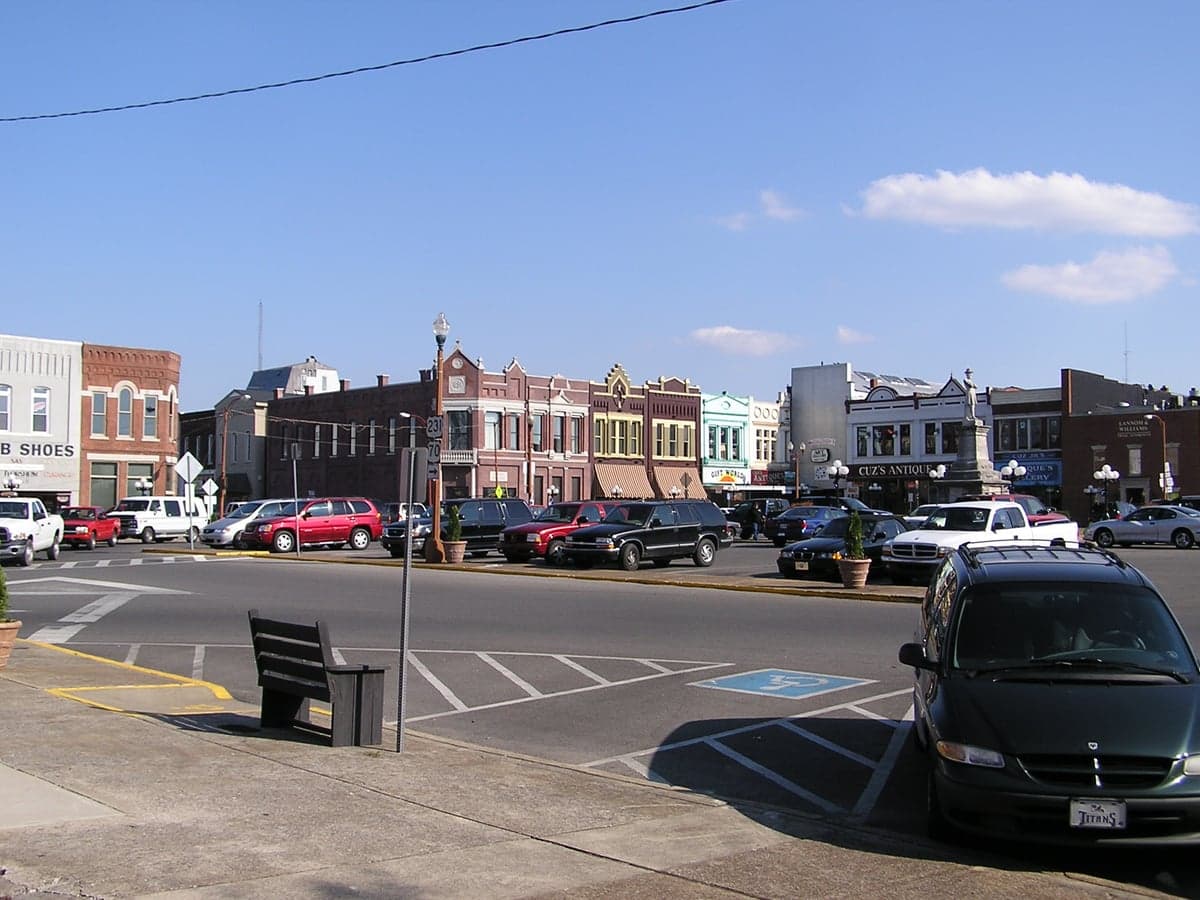
Lebanon’s daily rhythm is defined by a blend of historic downtown charm and suburban convenience. The Wilson County School District serves the area, with Lebanon High School and Walter J. Baird Middle School receiving above-average ratings for academic performance and extracurricular offerings. Families frequently cite the city’s parks—particularly the 200-acre Cedars of Lebanon State Park and the newer Don Fox Community Park—as central to weekend routines. The downtown square hosts a weekly farmers market and seasonal festivals, while the nearby Providence Marketplace provides big-box retail and dining. For entertainment, the Grand Ole Opry and Nashville’s music venues are a 30-minute drive west, but many residents find that Lebanon’s own local restaurants and craft breweries (such as the popular Yazoo Brew taproom) satisfy most social needs. The city’s growth has brought new grocery stores, medical clinics, and a YMCA, reducing the need to commute for everyday errands. Traffic on I-40 can back up during peak hours, but the average commute of 26.1 minutes reflects that most residents work within Wilson County or the eastern edge of Davidson County.
Lebanon is best suited for those who want Nashville’s economic opportunities without its urban density and price tag. Young professionals and remote workers will appreciate the lower rent and home prices, while families benefit from the strong school system and abundant green space. Retirees often choose Lebanon for its quieter atmosphere and access to outdoor activities like hiking at Cedars of Lebanon State Park or fishing at Old Hickory Lake. The city’s steady population growth—up roughly 15% since 2020—signals continued demand, but its infrastructure is keeping pace with new schools and road improvements. For anyone seeking a balanced, affordable Middle Tennessee lifestyle with a 26-minute commute to the state capital, Lebanon represents a compelling, data-backed choice.

Crime in Lebanon, TN
Lower crime rates than 79% of comparable U.S. locations.
Violent CrimeViolent Crime Analysis
Property CrimeProperty Crime Analysis
Crime Analysis
Lebanon, Tennessee, reports a violent crime rate of 266.1 incidents per 100,000 residents and a property crime rate of 711.3 per 100,000, placing it below national averages for both categories. While these figures suggest a community with moderate safety risks, the city's proximity to Nashville and its status as a growing exurban hub introduce specific concerns, particularly regarding property crime and the broader regional justice environment. Prospective residents should weigh these statistics against the realities of daily life and the legal climate in Wilson County.
Crime in context
Lebanon's violent crime rate of 266.1 per 100,000 is approximately 24% lower than the U.S. national average of roughly 380 per 100,000, and significantly below Tennessee's state average of about 620 per 100,000. Property crime in Lebanon, at 711.3 per 100,000, is roughly 10% below the national average of 1,954 per 100,000 and well under the Tennessee state average of 2,200 per 100,000. These numbers position Lebanon as a relatively safer option compared to many other Middle Tennessee communities, though the property crime rate still translates to a tangible risk of theft or burglary for residents. The city benefits from being in Wilson County, which has a more conservative judicial philosophy compared to Nashville's Davidson County, a factor that can influence prosecution rates and sentencing outcomes.
What residents experience
Residents commonly report that violent crime—such as homicide, robbery, and aggravated assault—is rare and tends to be concentrated in specific, isolated incidents rather than being a widespread daily concern. The more prevalent issue is property crime, including vehicle break-ins, package theft, and burglary, particularly in areas near Interstate 40 and commercial corridors like South Cumberland Street. The presence of a progressive district attorney in neighboring Davidson County has been linked to a higher rate of pretrial releases and reduced sentences for repeat offenders, some of whom travel into Wilson County to commit crimes. This dynamic means that while Lebanon's own law enforcement is effective, the broader regional justice system can undermine public safety by returning habitual property offenders to the streets more quickly than in more conservative jurisdictions.
Neighborhood-level variation is notable. Established subdivisions like those near the Wilson County Country Club and the historic downtown district experience very low crime, while areas closer to the city's industrial zones and apartment complexes near the interstate see higher property crime rates. The Lebanon Police Department maintains a visible presence and a community-oriented policing approach, but residents are advised to secure vehicles, use outdoor lighting, and participate in neighborhood watch programs. For those seeking a balance of small-town feel with access to a major metro, Lebanon offers a safer baseline than many Nashville suburbs, provided one accounts for the regional spillover effects of progressive criminal justice policies.
* Values derived from national, state, county, city and local statistics and may differ in a specific area. Last updated: 2026-05-01T17:04:23.000Z
Narrative content on this page is AI-generated and may contain mistakes. Verify any details that matter before acting on them.
ReloMaps may earn a commission from affiliate links at no extra cost to you.

