Photo: Wikipedia
Find The Best Places To Live in Wilson County
PRO TIP! You can paste a Zillow or Redfin link to get info on that property.
Best Places to Live in Wilson County

Cities & Towns in Wilson County
Cities in Wilson County
What It's Like Living in Wilson County, TN
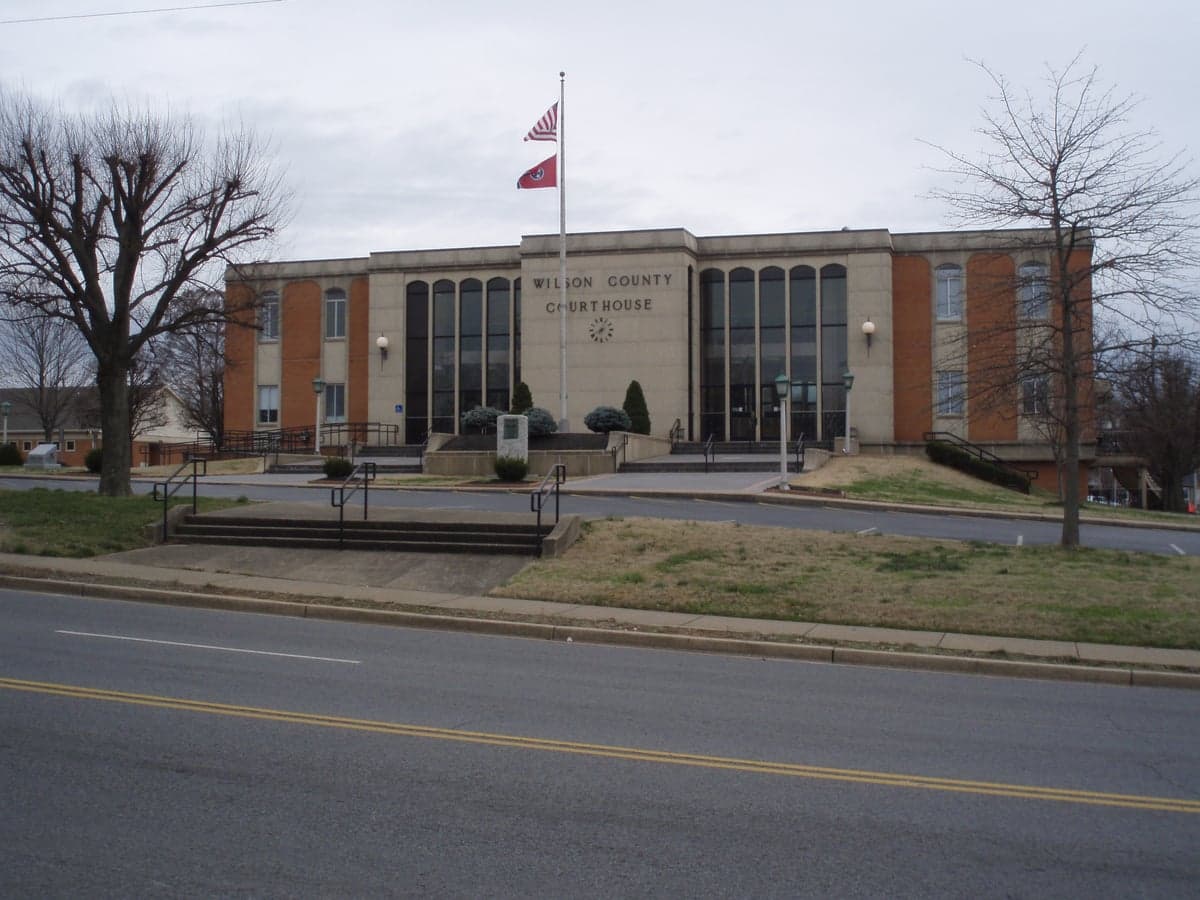
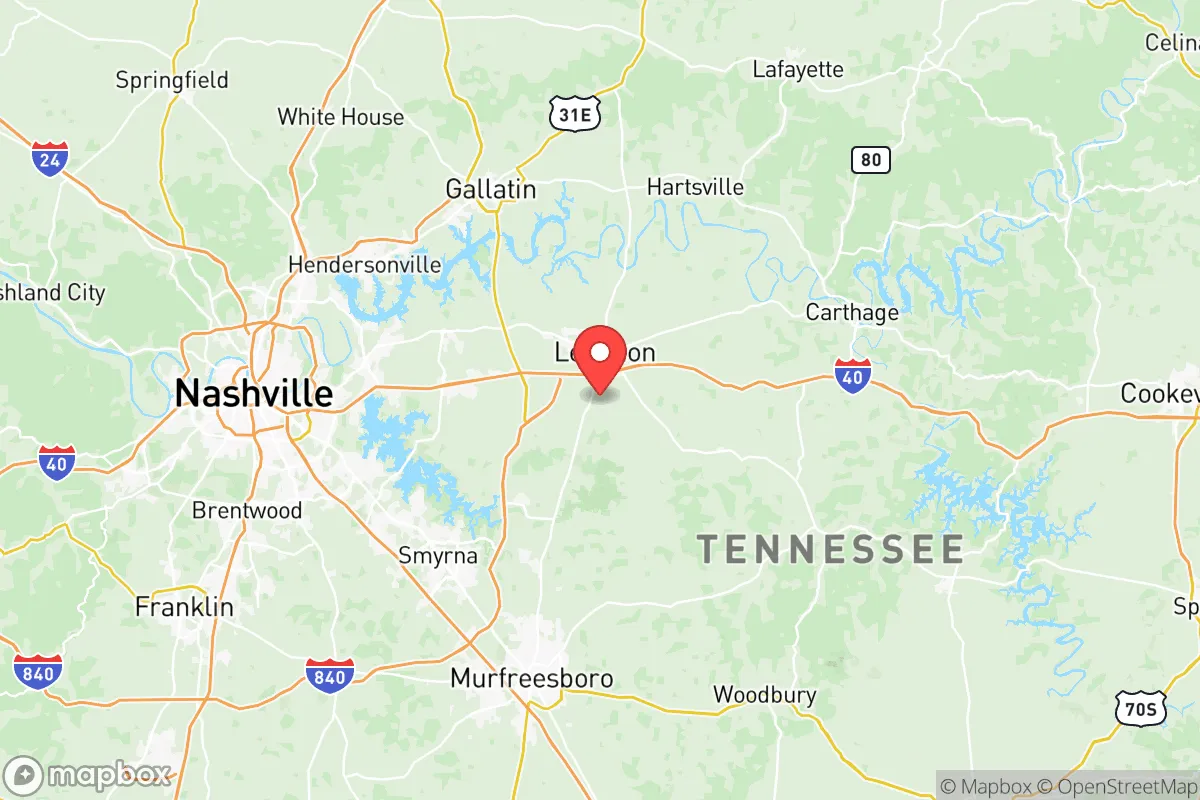
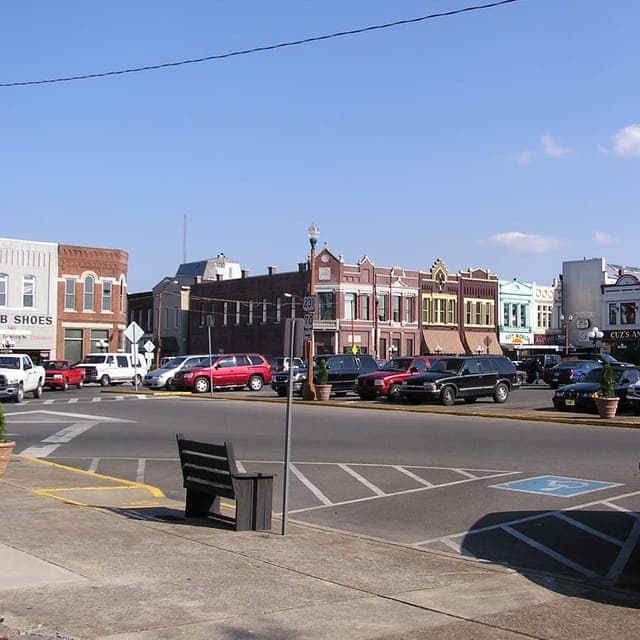
Wilson County, Tennessee, sits just east of Nashville, and it feels like the place where the city’s energy finally relaxes into something slower and more neighborly. People here will tell you they moved for the space—a house with a yard, a shorter line at the grocery store, and a school system that feels like a community anchor—but they stay because the commute to Music City is manageable enough to keep a good job while living on a quieter street. It’s a county of contrasts: Lebanon is the historic hub with a walkable square, Mt. Juliet is the fast-growing suburb with chain restaurants and new subdivisions, and Watertown is the tiny town where everyone knows your truck.
Daily Rhythm: Commutes, Coffee, and the Square
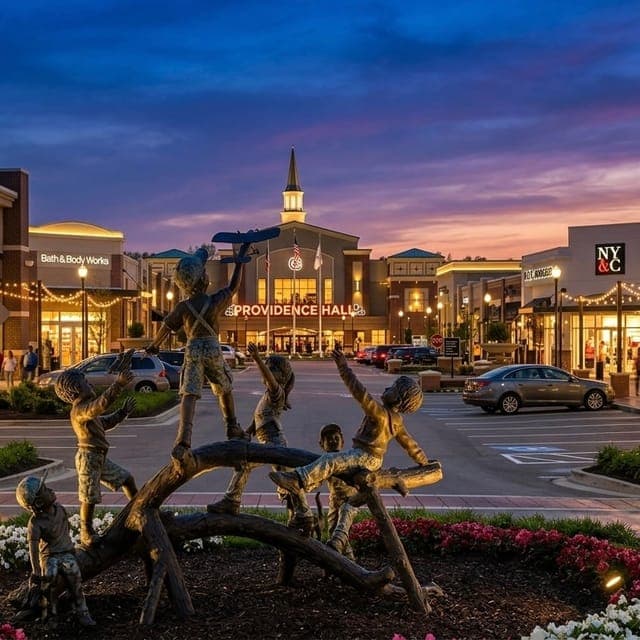
A typical weekday in Wilson County starts early. The average commute clocks in at just over 30 minutes, which is noticeable but not soul-crushing—most of that time is spent crawling along I-40 or State Route 109 toward Nashville or the industrial parks in Lebanon. Locals grab coffee at The Daily Brew in Lebanon or Puckett’s Grocery in Mt. Juliet, where the breakfast crowd is a mix of construction workers in high-vis vests and remote workers with laptops. By 5 p.m., the reverse commute means the interstate is thick again, but the pace slows once you’re past the city limits. Weekends are for the Lebanon Square: the Wilson County Farmers Market runs Saturday mornings from April through October, and the antique shops along the square draw browsers from as far as Franklin. In Mt. Juliet, the big draw is the Providence Marketplace—a sprawling outdoor mall with a Target, a movie theater, and a dozen chain restaurants that feels like the center of suburban gravity. For a quieter afternoon, people head to Cedars of Lebanon State Park, where the hiking trails through the cedar glades are a 15-minute escape from pavement.
Sports, Schools, and the Social Glue
High school sports are the closest thing Wilson County has to a civic religion. Lebanon High School’s Blue Devils and Mt. Juliet High School’s Golden Bears pack bleachers on Friday nights in the fall, and the rivalry between them is genuine but good-natured—expect to see “Beat Lebanon” signs in Mt. Juliet windows during game week. Baseball and softball are nearly as big, with travel teams eating up summer weekends. The schools themselves are a major reason families choose Wilson County: the Wilson County School District is consistently rated among the top in Middle Tennessee, and parents will tell you the elementary schools feel small and personal even as the county grows. That growth is a double-edged sword, though. Traffic around the high schools before and after the bell is a real headache, and some parents worry that new subdivisions are outpacing the district’s ability to build new classrooms.
What’s There to Do: Festivals, Food, and the Outdoors
Wilson County doesn’t have a nightclub scene, but it has a social calendar. Lebanon’s Heritage Festival in early October draws thousands to the square for live bluegrass, a car show, and fried everything. Mt. Juliet’s July 4th celebration at Charlie Daniels Park is the biggest event of the summer, with a fireworks show that rivals Nashville’s. For music, the Lebanon Opry is a small, no-frills venue where local country and gospel acts play most Saturdays—think folding chairs and a BYOB cooler, not a concert hall. Dining leans toward family-owned meat-and-threes: Demoss’ Restaurant in Lebanon has been serving catfish and fried chicken since the 1950s, and Burgers & Cream in Mt. Juliet is the go-to for a patty melt and a milkshake. For a nicer night out, Nashville’s Germantown is a 25-minute drive, but most locals are content with a patio at Fleet Street Pub in Lebanon, where the fish and chips are solid and the bartenders remember your name. Outdoorsy types spend weekends at Old Hickory Lake, where boating and fishing are year-round activities, or at the Wilson County Greenway, a paved trail system that connects several parks in Lebanon.
Pros and Cons of Living Here
- What people love: The schools are genuinely good, and the sense of community is tangible—neighbors know each other, and the county’s Facebook groups are full of people offering to lend a trailer or watch a kid. The cost of living index sits at 127 (100 is the U.S. average), which is higher than rural Tennessee but still well below Nashville’s 140+. The median home value of $397,000 buys a 3-bedroom with a yard in a good school zone, something impossible in Davidson County for the same price. The median household income of $94,048 means most families can afford that house without being house-poor.
- What frustrates people: The violent crime rate of 490.5 per 100,000 is noticeably higher than the national average of about 380—most of it is property crime and domestic incidents concentrated in specific apartment complexes, but it’s a stat that gives newcomers pause. Traffic on I-40 is getting worse every year, and there’s no real alternative route when a wreck shuts it down. The weather is classic Tennessee: humid summers in the 90s, mild winters with the occasional ice storm that shuts everything down for a day, and tornado sirens that test your nerves in the spring. Some longtime residents grumble that the county is losing its small-town feel as subdivisions replace farmland, especially along the Mt. Juliet corridor.
Wilson County works best for people who want Nashville’s job market without Nashville’s price tag or pace. It’s a place where you trade walkability for a yard, where your kid’s soccer coach is also your neighbor, and where a Friday night at the Lebanon Square feels like a genuine small-town evening—even if the traffic on the way home reminds you that the city is never far away.

* Values derived from national, state, county, city and local statistics and may differ in a specific area. Last updated: 2026-05-12T07:34:08.000Z
Narrative content on this page is AI-generated and may contain mistakes. Verify any details that matter before acting on them.
ReloMaps may earn a commission from affiliate links at no extra cost to you.

