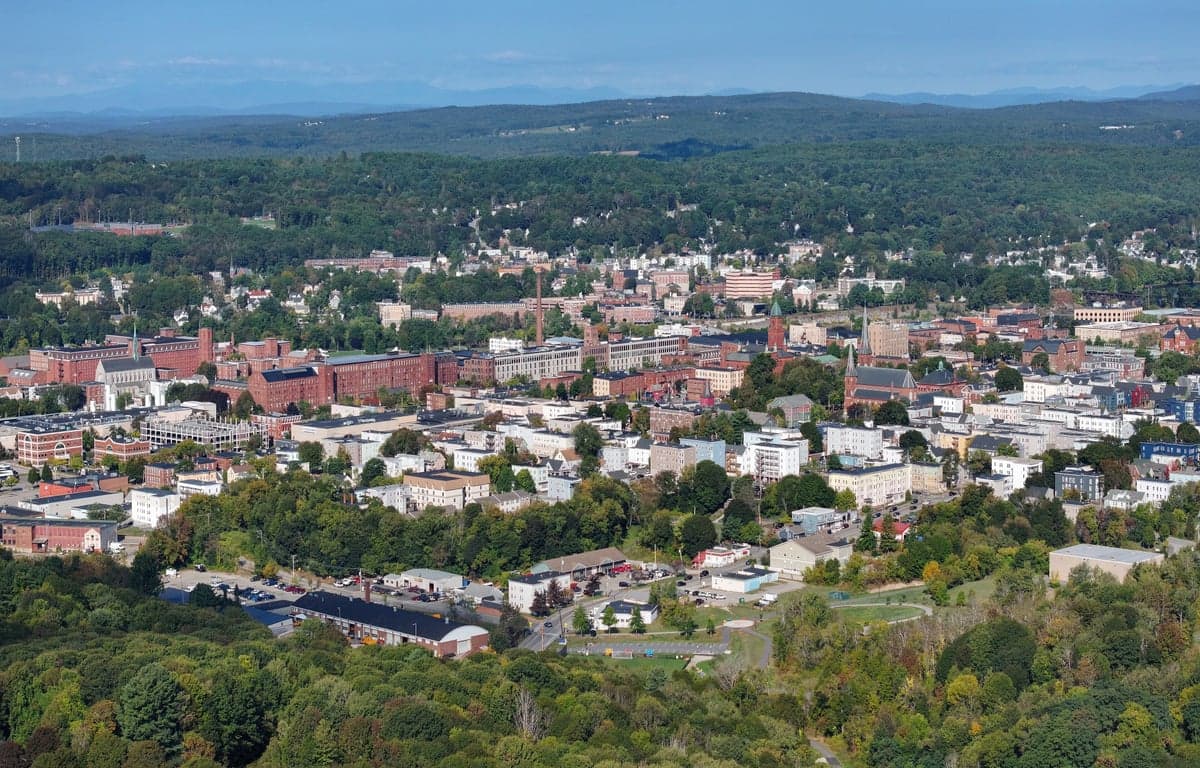
Photo: Wikipedia
Quality of Life in Lewiston, ME
A high quality of life with strong walkability, manageable living costs, healthy neighborhood signals, and solid amenity access.
What does Quality of Life tell us?
Quality of Life blends cost of living, nearby amenities, socioeconomic signals, and neighborhood character. City-level scores represent the whole municipality; individual neighborhoods can differ.
What does this tell us?
Quality of Life blends cost of living, nearby amenities, socioeconomic signals, and neighborhood character. City-level scores represent the whole municipality; individual neighborhoods can differ.
Cost of Living
20% below national average
The Real Cost of Living in Lewiston, ME for 2026
| Tier | Individual | Family (4) |
|---|---|---|
| Survival | $15k | $29k |
| Comfortable | $42k | $61k |
| Luxury | $91k+ | $140k+ |
| Elite (Top 5%) | $107k+ | $165k+ |
92%
The Area Signal
A metric tracking the socioeconomic signals of the area.
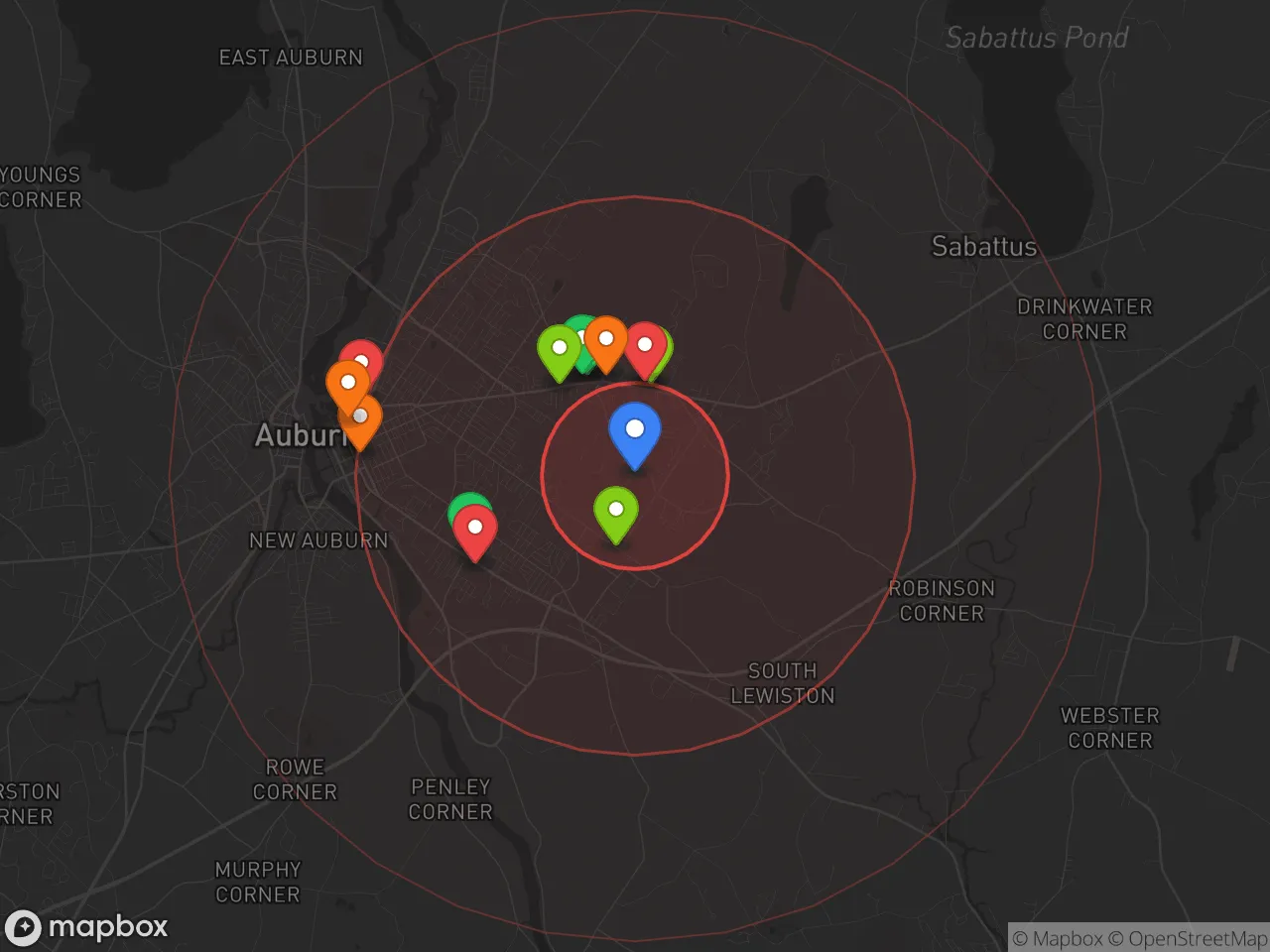
Hobbies
Explore the areaGroceries
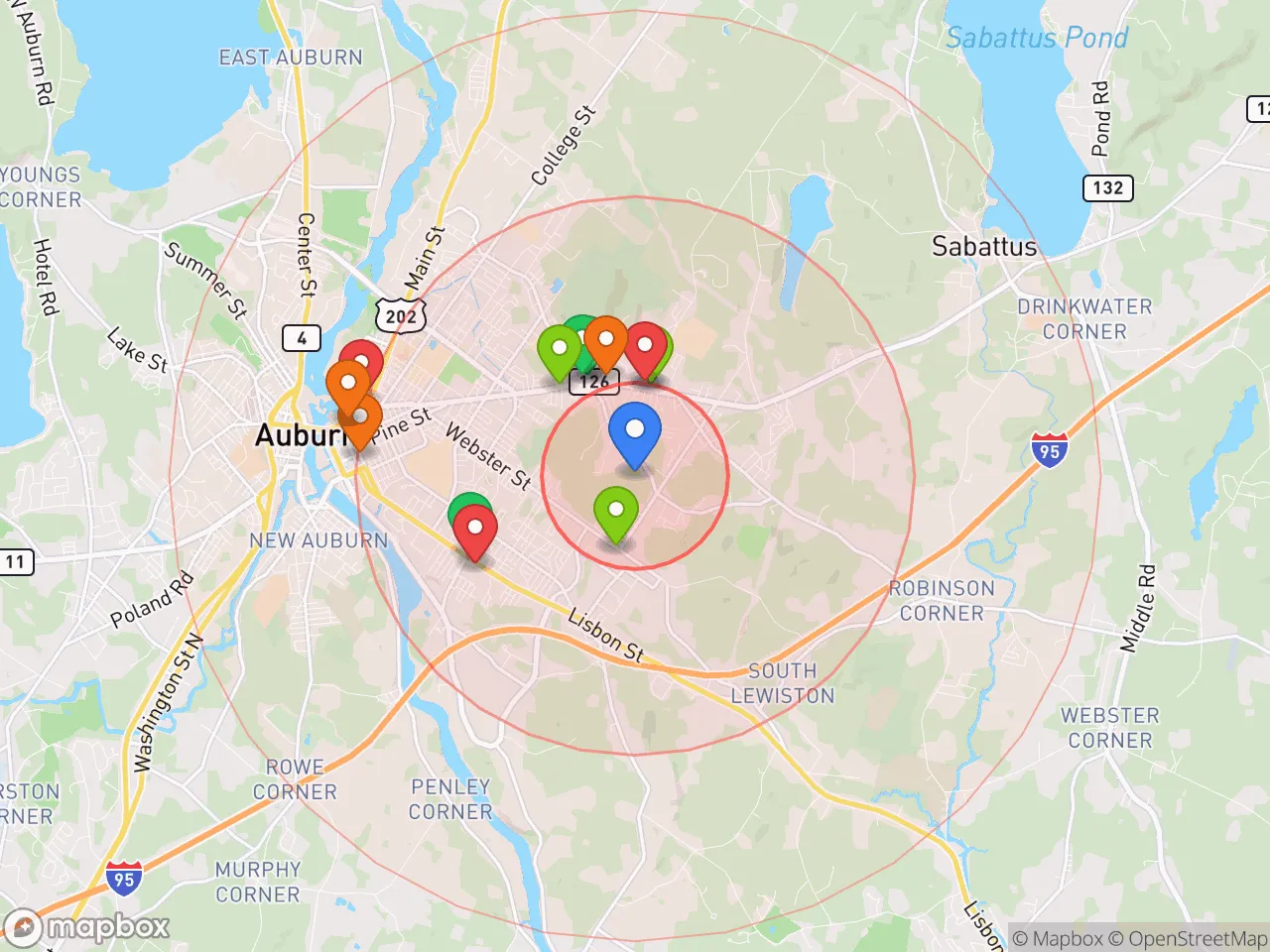
5 within 10 miles
Gas
18 within 10 miles
Hospital
5 within 20 miles
Airport
PDX — Portland International Jetport
Post Office
USPS — Lewiston, ME
Critical Amenities
Quality-of-Life Analysis
Lewiston, Maine, offers a distinctly affordable quality of life that stands out in the Northeast, with a cost-of-living index of 80—20% below the national average—making it a practical choice for first-time homebuyers, young families, and retirees seeking financial breathing room. The city’s population of roughly 38,000 is a blend of long-standing Franco-American families, a growing Somali immigrant community, and newcomers drawn by lower housing costs and proximity to Portland. While Lewiston is not affluent by regional standards—median household income trails the state average—its low cost of living allows residents to stretch their dollars further than in pricier coastal towns.
Cost of living, housing affordability, and how Lewiston compares to Portland and Auburn
Lewiston’s housing market is the primary driver of its affordability. The median home value sits at $214,200, roughly half the median in Portland ($500,000+) and well below the Maine average of $290,000. Median rent is $954, compared to over $1,500 in Portland, making Lewiston one of the most accessible rental markets in southern Maine. The average commute is just 20.7 minutes, significantly shorter than the national average of 26 minutes, which reduces transportation costs and frees up time for family or recreation. Property taxes in Lewiston are moderate for Maine—around 1.4% of assessed value—but buyers should note that the city’s tax rate is slightly higher than in neighboring Auburn, though home values in Auburn are also higher. For renters, the vacancy rate hovers around 3%, so competition for well-maintained units can be tight, but prices remain stable compared to Portland’s volatile market.
What daily life is like for families: schools, amenities, and local rhythm
Daily life in Lewiston centers on a walkable downtown core along the Androscoggin River, with amenities like the Lewiston Public Library, the Franco-American Heritage Center, and the Maine MILL arts space. The city’s public schools, part of the Lewiston School Department, serve a diverse student body—over 40 languages are spoken in homes—and offer free full-day kindergarten and a strong English Language Learner program. For outdoor recreation, residents use the 500-acre Thorncrag Bird Sanctuary and the Androscoggin Riverlands State Park for hiking and kayaking. The local rhythm is slower than Portland’s, with a focus on community events like the Great Falls Balloon Festival and the Lewiston-Auburn Christmas Parade. Groceries and dining are affordable: a meal at a mid-range restaurant averages $15 per person, and the Hannaford on Lisbon Street keeps weekly costs low. Healthcare access is solid, with Central Maine Medical Center providing emergency and specialty care within city limits.
Lewiston is best suited for budget-conscious households who value affordability over urban glamour. First-time homebuyers priced out of Portland will find a viable path to ownership here, while retirees on fixed incomes can stretch savings in a walkable, low-stress environment. Families with school-age children benefit from the district’s diversity and support programs, though those seeking top-tier academic rankings may prefer suburban options like Auburn or Freeport. Commuters working in Portland or Augusta will appreciate the short drive and low housing costs, but the city’s limited nightlife and retail options mean it is not ideal for young professionals seeking a vibrant social scene. Overall, Lewiston offers a stable, affordable foundation for those who prioritize financial security and community connection over prestige.

Crime in Lewiston, ME
Generally safer than 73% of comparable U.S. locations.
Violent CrimeViolent Crime Analysis
Property CrimeProperty Crime Analysis
Crime Analysis
Lewiston, Maine, reports a violent crime rate of 242.3 incidents per 100,000 residents and a property crime rate of 1,395.3 per 100,000, placing it above the national average for property offenses but below the national average for violent crime. However, these figures must be weighed against the broader context of Maine's justice system, where progressive policies and liberal-leaning district attorneys in the state's judicial districts have been associated with lower incarceration rates and a greater emphasis on diversion programs. For residents and those considering relocation, this means a higher likelihood that property crimes—such as theft and burglary—go unpunished or result in minimal consequences, potentially emboldening repeat offenders.
Crime in context
Lewiston's violent crime rate of 242.3 per 100,000 is 31% lower than the national average of roughly 380 per 100,000, but its property crime rate of 1,395.3 per 100,000 is about 18% higher than the U.S. average of 1,180 per 100,000. Compared to the rest of Maine, Lewiston is a clear outlier: the statewide property crime rate is approximately 1,100 per 100,000, making Lewiston's rate nearly 27% higher. This disparity is partly attributable to the city's status as Androscoggin County's largest urban center, but it also reflects the impact of progressive prosecutorial policies in the region. The Androscoggin County District Attorney's office has implemented pre-arrest diversion and restorative justice programs that, while intended to reduce recidivism, often result in criminals facing no jail time for non-violent property offenses, a pattern that undermines deterrence and public confidence in the justice system.
What residents experience
Daily life in Lewiston involves a heightened awareness of property crime, particularly vehicle break-ins, package theft, and vandalism in downtown and residential neighborhoods near the city center. Residents report that police response times for non-emergency property crimes can stretch to several hours or even days, a consequence of understaffing and a justice system that deprioritizes these offenses. Violent crime, while less common, is concentrated in specific areas—such as the Tree Street neighborhood and parts of Lisbon Street—where drug-related disputes and domestic violence incidents drive the numbers. The presence of progressive judges in Androscoggin County has led to lenient sentencing for repeat offenders, with some individuals arrested multiple times for theft or drug possession before facing any significant penalty. This creates a cycle where victims feel their losses are trivialized, and the public perceives a lack of accountability.
Neighborhood-level variation is significant. The more affluent and family-oriented areas west of the Androscoggin River, such as the Little Canada and Farwell Street districts, experience property crime rates roughly 40% lower than the city average, while the downtown core and areas near the Bates College campus see higher incidences of theft and vandalism. The city's proximity to the larger metro area of Portland—just 35 miles south—also means that criminals from the Portland area occasionally target Lewiston, knowing that the local justice system is unlikely to impose harsh penalties. For anyone considering a move, the safest strategy is to choose a home in the western neighborhoods or the newer developments on the city's outskirts, where crime is less concentrated and community watch programs are more active.
* Values derived from national, state, county, city and local statistics and may differ in a specific area. Last updated: 2026-05-01T18:10:10.000Z
Narrative content on this page is AI-generated and may contain mistakes. Verify any details that matter before acting on them.
ReloMaps may earn a commission from affiliate links at no extra cost to you.

