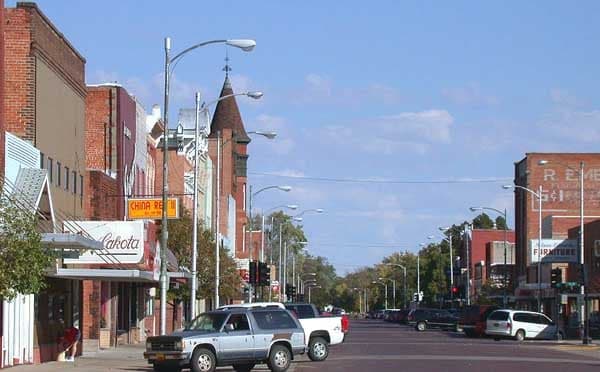
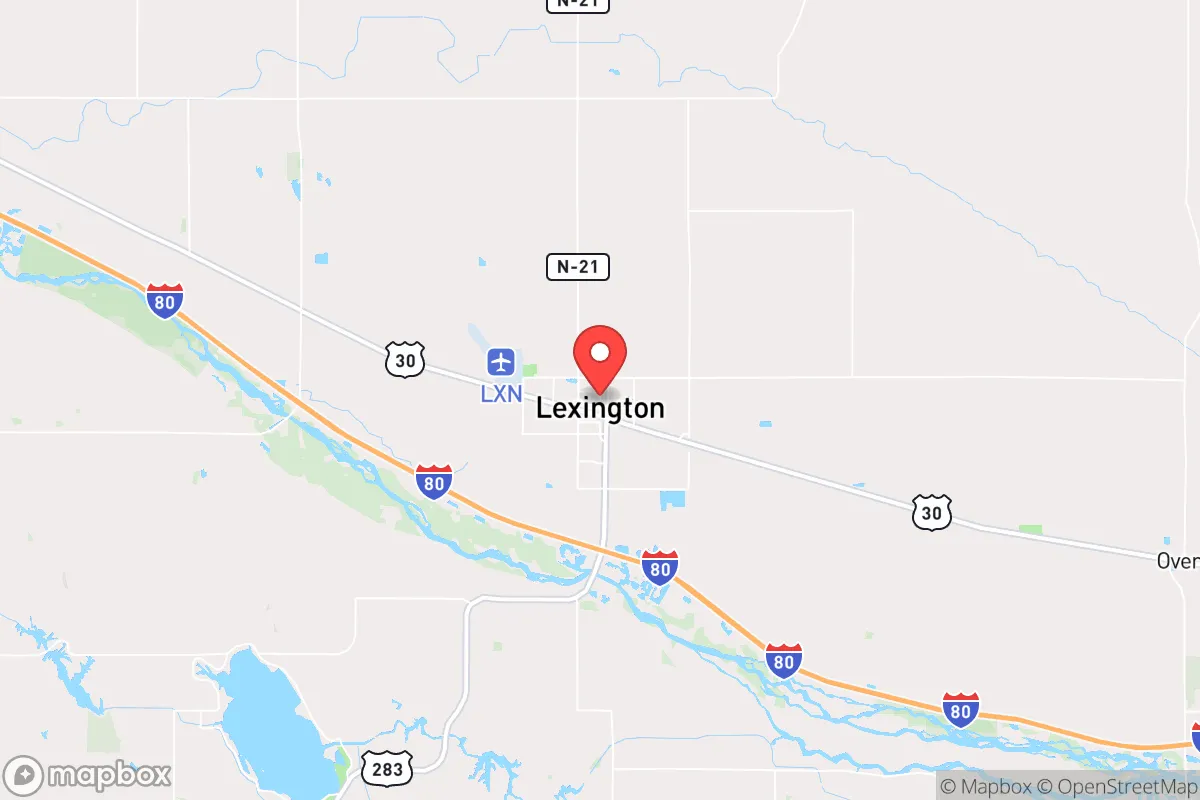
Photo: Wikipedia
Quality of Life in Lexington, NE
A high quality of life with strong walkability, manageable living costs, healthy neighborhood signals, and solid amenity access.
What does Quality of Life tell us?
Quality of Life blends cost of living, nearby amenities, socioeconomic signals, and neighborhood character. City-level scores represent the whole municipality; individual neighborhoods can differ.
What does this tell us?
Quality of Life blends cost of living, nearby amenities, socioeconomic signals, and neighborhood character. City-level scores represent the whole municipality; individual neighborhoods can differ.
Cost of Living
30% below national average
The Real Cost of Living in Lexington, NE for 2026
| Tier | Individual | Family (4) |
|---|---|---|
| Survival | $15k | $28k |
| Comfortable | $30k | $44k |
| Luxury | $85k+ | $131k+ |
| Elite (Top 5%) | $100k+ | $154k+ |
141%
The Area Signal
A metric tracking the socioeconomic signals of the area.
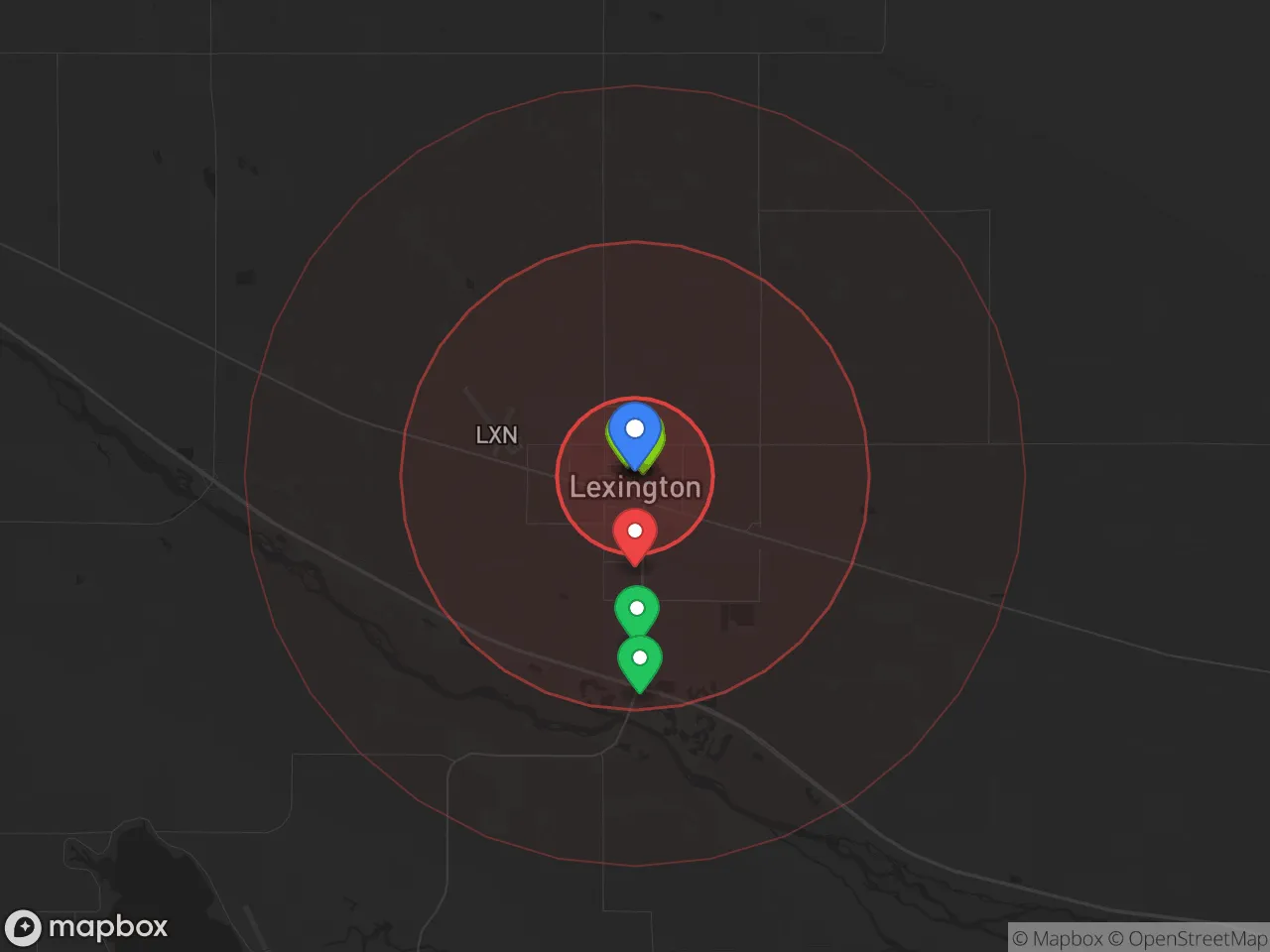
Hobbies
Explore the areaGroceries
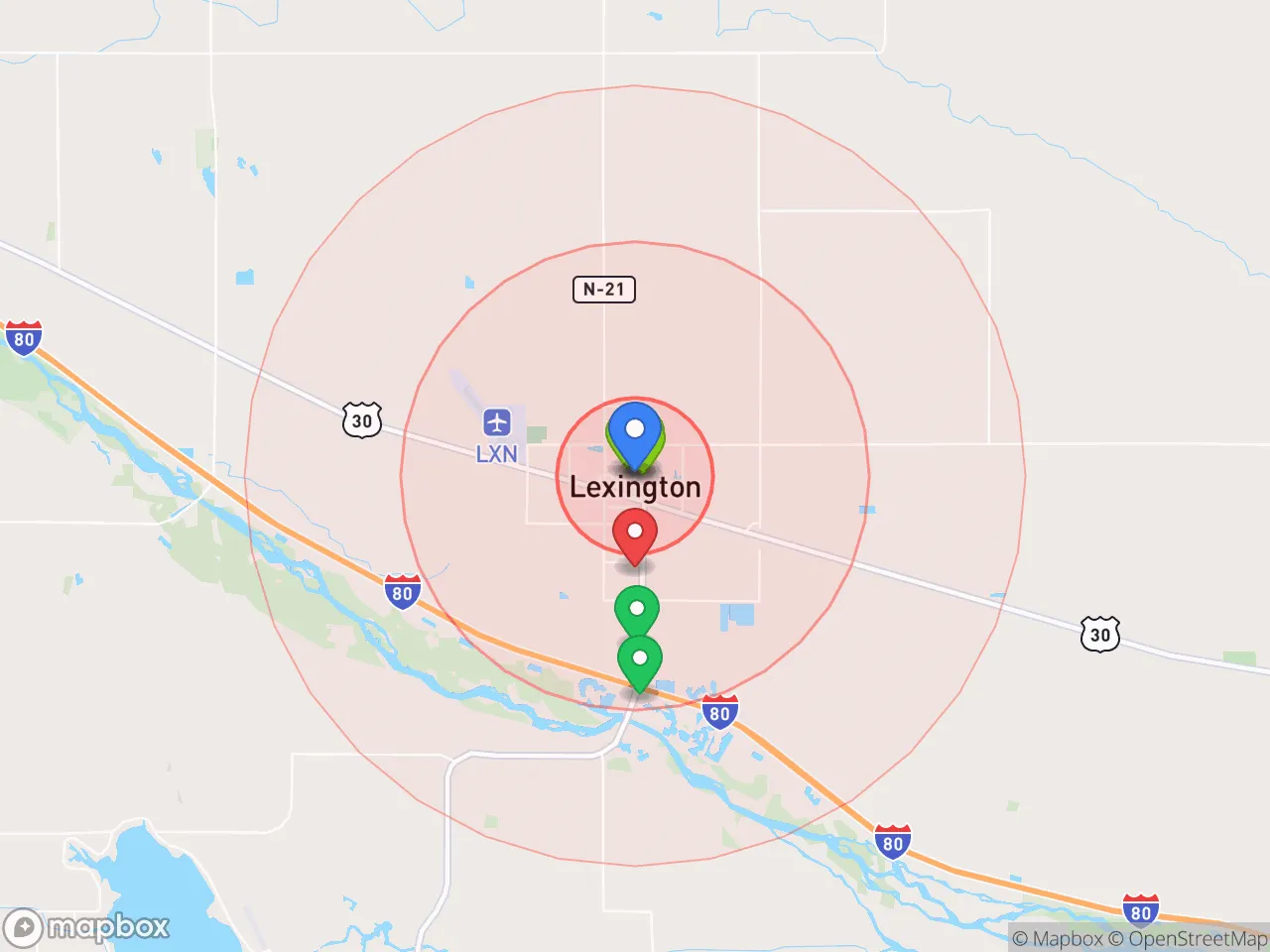
1 within 10 miles
Gas
5 within 10 miles
Hospital
2 within 20 miles
Airport
DEN — Denver International
Post Office
USPS — Lexington, NE
Critical Amenities
Quality-of-Life Analysis
Lexington, Nebraska, offers a notably affordable quality of life with a cost of living index of 70—30% below the U.S. average—attracting a mix of families, agricultural workers, and professionals seeking a slower pace without sacrificing access to the Platte River Valley’s outdoor recreation. The population of roughly 10,000 is predominantly employed in meatpacking, manufacturing, and farming, with a growing Hispanic community that shapes local culture and cuisine. Median household incomes hover around $48,000, reflecting the area’s working-class character, while the low cost of living allows residents to stretch earnings further than in larger Nebraska cities like Lincoln or Omaha.
How housing costs and affordability compare to nearby towns
Housing in Lexington is a standout bargain: the median home value is $155,200, and median rent sits at $921 per month—both well below state and national medians. For context, a comparable home in Kearney (about 50 miles east) would cost roughly $220,000, while in North Platte (70 miles west) prices are similar but inventory is tighter. The average commute of just 15 minutes further reduces living expenses, as residents save on fuel and vehicle wear compared to the 25–30 minute drives common in Nebraska’s larger metro areas. Property taxes in Dawson County are moderate, around 1.5% of assessed value, keeping monthly housing costs manageable even for entry-level workers at local employers like Tyson Foods or the Lexington Regional Health Center.
What daily life is like: schools, amenities, and local rhythm
Daily life in Lexington centers on a compact downtown with grocery stores, a public library, and a handful of locally owned restaurants serving both American and Mexican fare. The Lexington Public Schools system serves about 2,500 students, with an average student-teacher ratio of 15:1 and a graduation rate near 90%, though test scores lag slightly behind state averages. For recreation, residents use the 18-hole Lake Maloney Golf Course and the nearby Johnson Lake for fishing and boating, while the Platte River provides opportunities for birdwatching and kayaking. The town’s rhythm is quiet and family-oriented: most errands are walkable or a short drive, and community events like the Dawson County Fair in August draw crowds from surrounding farms. Healthcare needs are met by the 25-bed Lexington Regional Health Center, though specialists require a 45-minute drive to Kearney.
Lexington is best suited for those who prioritize affordability and a tight-knit community over urban amenities or career diversity. Families with young children benefit from low housing costs and short commutes, while retirees on fixed incomes find the cost of living especially favorable. However, professionals seeking high-paying jobs or extensive entertainment options may find the area limiting, as the largest employers are industrial and agricultural. For anyone comfortable with a slower, rural lifestyle and a strong sense of local identity, Lexington delivers a stable, low-stress environment where a modest income supports a comfortable home and ample free time.

Crime in Lexington, NE
Generally safer than 70% of comparable U.S. locations.
Violent CrimeViolent Crime Analysis
Property CrimeProperty Crime Analysis
Crime Analysis
Lexington, Nebraska, reports a violent crime rate of 79.3 incidents per 100,000 residents, which is significantly lower than both the Nebraska state average and the national median. However, the city's property crime rate of 1,084.3 per 100,000 sits notably higher than the state average, indicating a mixed safety profile that requires residents to be vigilant about theft and burglary. Overall, Lexington is a relatively safe community for violent offenses, but property crime demands attention.
Crime in context
When compared to national benchmarks, Lexington’s violent crime rate is roughly one-third of the U.S. average, placing it among the safer small cities in the Great Plains region. The property crime rate, however, exceeds the Nebraska state average by approximately 20%, driven largely by larceny-theft and motor vehicle theft. It is important to note that Lexington is not part of a large metropolitan area with a liberal or progressive prosecutor’s office; the Dawson County Attorney’s office operates under a more traditional, conservative legal framework. This context is relevant because large metro areas with progressive district attorneys often see higher recidivism and more criminals on the street, a dynamic that does not apply to Lexington’s justice system. The local approach to prosecution tends to prioritize public safety and victim rights, which helps keep violent crime rates low.
What residents experience
For daily life in Lexington, the risk of being a victim of violent crime—such as assault, robbery, or homicide—is minimal. The 79.3 per 100K figure translates to roughly 1 in 1,260 odds annually. Property crime is a more tangible concern: residents commonly report vehicle break-ins, theft from yards, and occasional residential burglaries. The city’s police department maintains a visible presence, and community policing efforts are active. Neighborhood-level variation exists, with areas near the downtown core and along Highway 30 experiencing slightly higher property crime rates, while newer subdivisions on the north and west edges of town report fewer incidents. The city’s agricultural and meatpacking workforce contributes to a transient population in some rental districts, which can correlate with higher petty crime. Overall, Lexington offers a safe environment for families and retirees, provided standard precautions—locking vehicles, securing outbuildings, and using outdoor lighting—are observed.
* Values derived from national, state, county, city and local statistics and may differ in a specific area. Last updated: 2026-05-03T20:30:32.000Z
Narrative content on this page is AI-generated and may contain mistakes. Verify any details that matter before acting on them.
ReloMaps may earn a commission from affiliate links at no extra cost to you.

