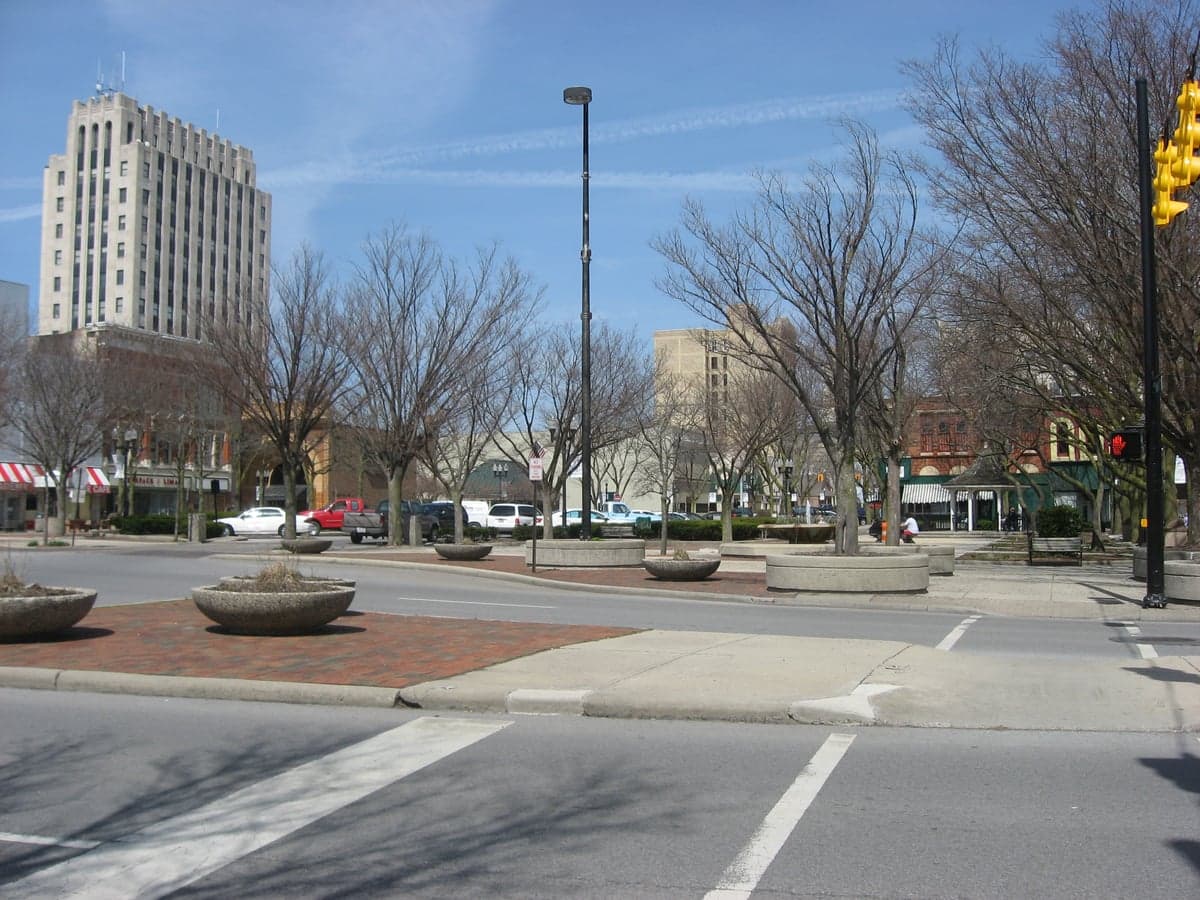
Photo: Wikipedia
Quality of Life in Lima, OH
A high quality of life with strong walkability, manageable living costs, healthy neighborhood signals, and solid amenity access.
What does Quality of Life tell us?
Quality of Life blends cost of living, nearby amenities, socioeconomic signals, and neighborhood character. City-level scores represent the whole municipality; individual neighborhoods can differ.
What does this tell us?
Quality of Life blends cost of living, nearby amenities, socioeconomic signals, and neighborhood character. City-level scores represent the whole municipality; individual neighborhoods can differ.
Cost of Living
42% below national average
The Real Cost of Living in Lima, OH for 2026
| Tier | Individual | Family (4) |
|---|---|---|
| Survival | $14k | $26k |
| Comfortable | $22k | $32k |
| Luxury | $69k+ | $106k+ |
| Elite (Top 5%) | $81k+ | $125k+ |
135%
The Area Signal
A metric tracking the socioeconomic signals of the area.
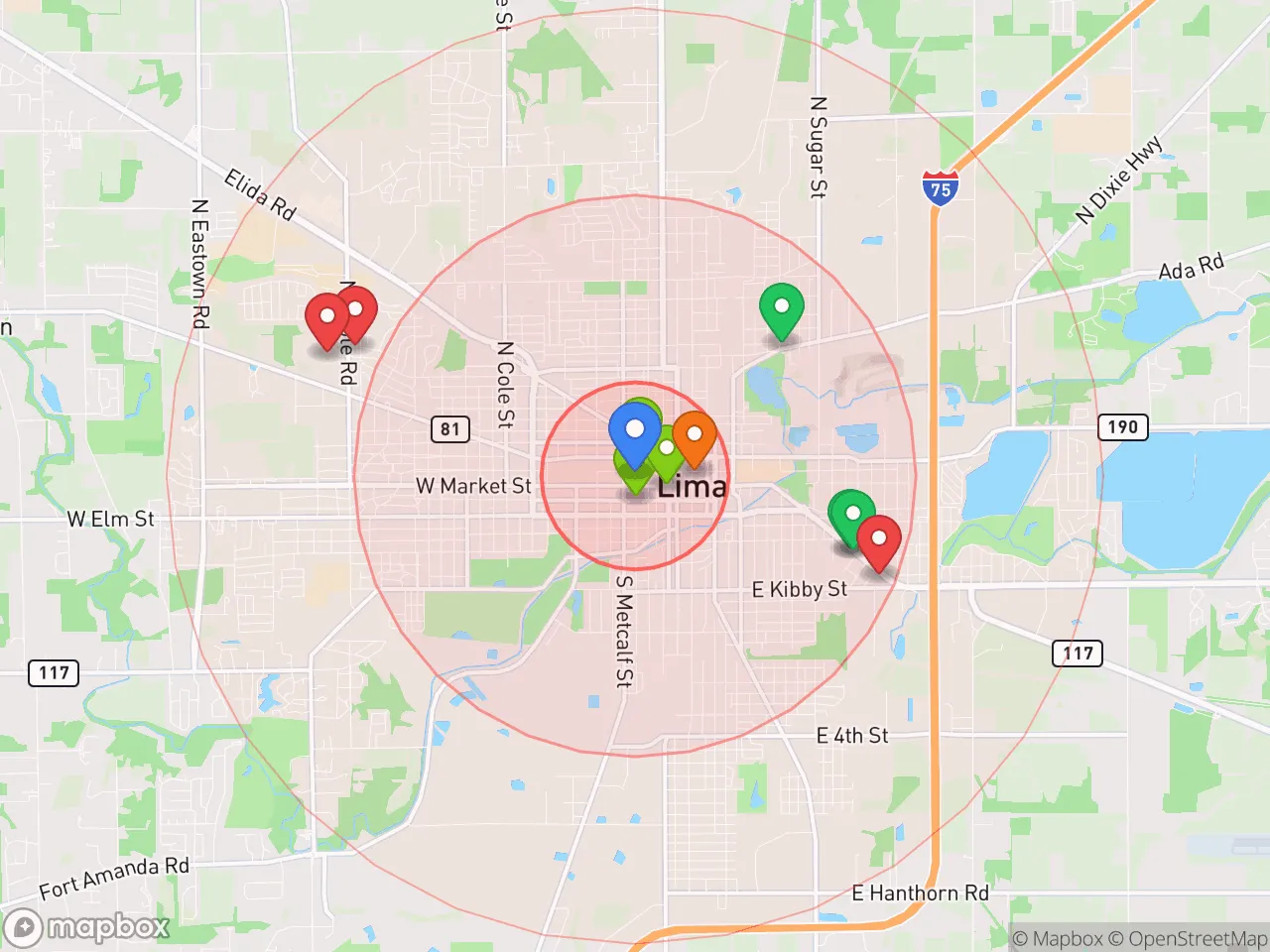
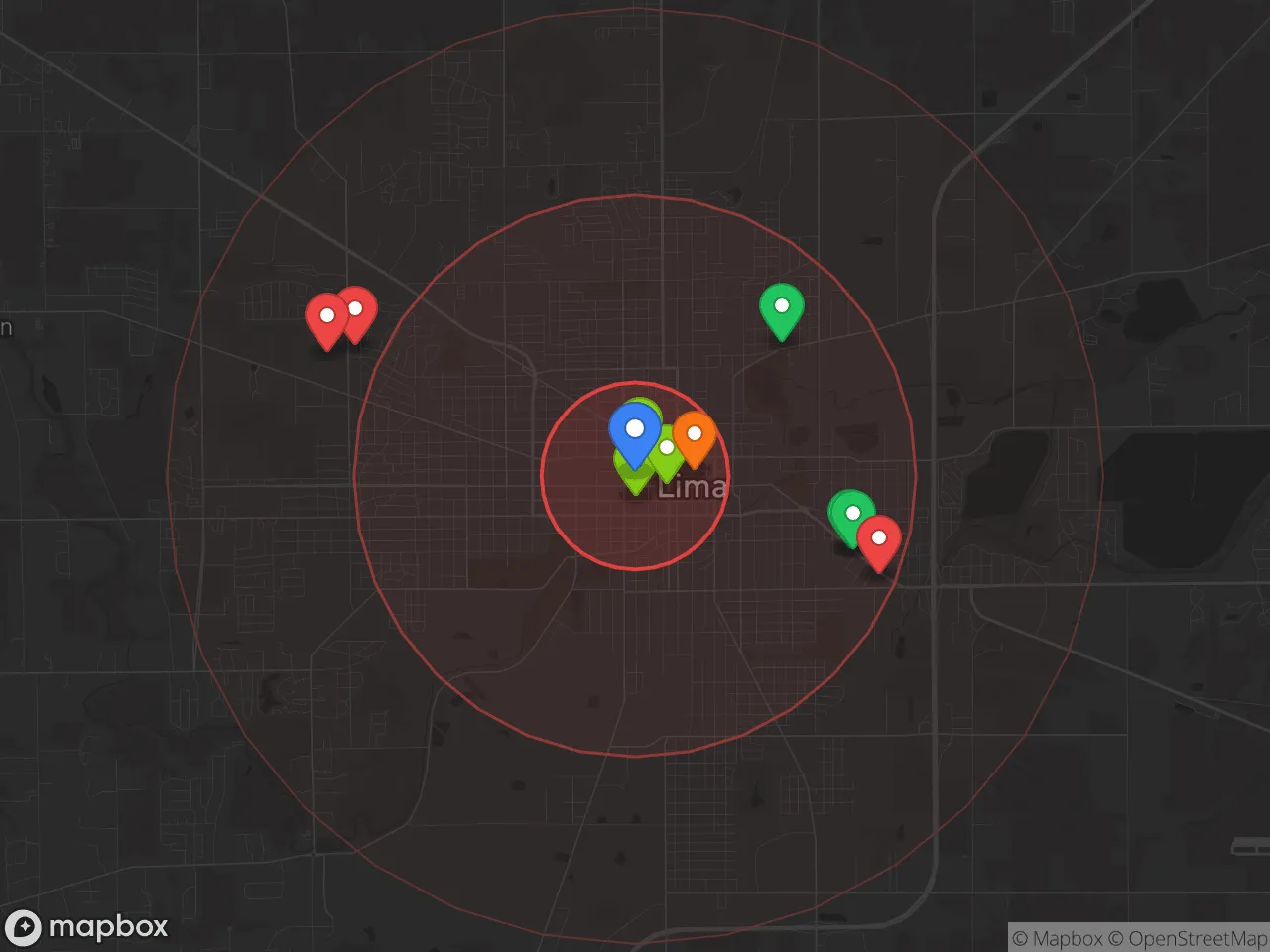
Hobbies
Explore the areaGroceries
4 within 10 miles
Gas
20 within 10 miles
Hospital
5 within 20 miles
Airport
John Glenn Columbus International Airport
Post Office
USPS — Lima, OH
Critical Amenities
Quality-of-Life Analysis
Lima, Ohio, offers a notably low cost of living that attracts a mix of working-class families, retirees, and professionals seeking affordability without sacrificing access to regional amenities. With a cost-of-living index of 58—well below the national average of 100—the area’s median home value of $95,900 and median rent of $865 make it one of the most budget-friendly cities in the Midwest. The population skews toward long-term residents and those employed in manufacturing, healthcare, and logistics, creating a stable, blue-collar community with a slower pace of life than nearby larger cities like Columbus or Dayton.
How housing costs and everyday expenses compare to nearby cities
Lima’s housing market is a standout for affordability, with a median home value of $95,900—roughly one-third of the national median—and a median rent of $865 that undercuts even smaller Ohio towns like Findlay ($1,050) and Sidney ($980). The overall cost-of-living index of 58 means groceries, utilities, and transportation are all significantly cheaper than the U.S. average. For context, a household earning $40,000 annually can comfortably afford a mortgage here, whereas the same income would be stretched thin in Columbus (COL index 93) or Dayton (index 85). The average commute of just 17.2 minutes is a major quality-of-life perk, reducing daily stress and transportation costs compared to the 26-minute national average. However, property taxes in Allen County hover around 1.5% of assessed value, slightly above the state median, which offsets some of the housing savings for homeowners.
What daily life is like for families: schools, amenities, and local rhythm
Daily life in Lima revolves around a mix of local parks, community events, and accessible services, though the city lacks the dense cultural offerings of a major metro. The Lima City Schools district serves most families, with Shawnee High School and Bath High School in nearby towns drawing higher ratings for academics and extracurriculars. For shopping and dining, the Lima Mall and the downtown area along Market Street provide essentials, while larger retail and entertainment options are a 30-minute drive to Findlay or an hour to Dayton. The city’s average commute of 17.2 minutes is a key advantage, allowing residents to spend more time at home or in local green spaces like the 200-acre Lima Lake Park. Healthcare is anchored by Mercy Health-St. Rita’s Medical Center, a regional hub with over 300 beds, which reduces the need to travel for routine or emergency care. The overall rhythm is quiet and family-oriented, with fewer late-night options but strong community ties through churches, youth sports leagues, and the annual Lima Oktoberfest.
Lima is best suited for budget-conscious individuals and families who prioritize affordability and a short commute over urban nightlife or high-end amenities. Retirees on fixed incomes will find the low housing costs and accessible healthcare appealing, while young professionals in manufacturing or logistics—such as those at the nearby Ford Lima Engine Plant or the Procter & Gamble facility—can enjoy a comfortable lifestyle without the financial pressure of larger cities. Those seeking a vibrant arts scene or diverse dining will need to drive to Dayton or Columbus, but for residents who value financial breathing room and a slower pace, Lima delivers a solid quality of life at a fraction of the national cost.

Crime in Lima, OH
Significantly higher crime rates than 76% of comparable U.S. locations.
Violent CrimeViolent Crime Analysis
Property CrimeProperty Crime Analysis
Crime Analysis
Lima, Ohio, reports a violent crime rate of 852.3 incidents per 100,000 residents and a property crime rate of 3,107.7 per 100,000, placing it among the higher-risk communities in the state. These figures indicate that both personal safety and property security are significant concerns for residents and those considering relocation. The city's crime profile is shaped by its economic challenges and the broader criminal justice environment in Allen County, which includes progressive judicial policies that can influence recidivism and public safety outcomes.
Crime in context
Lima's violent crime rate of 852.3 per 100,000 is more than double the national average of roughly 380 per 100,000 and significantly exceeds the Ohio state average of approximately 300 per 100,000. Property crime in Lima, at 3,107.7 per 100,000, also outpaces the national average of about 1,950 per 100,000 and the Ohio average of roughly 2,100 per 100,000. These elevated rates place Lima in a concerning tier for a city of its size (approximately 36,000 residents). The presence of progressive district attorneys and judges in the region, who often prioritize rehabilitation and diversion programs over incarceration, is a contributing factor. While such policies aim to reduce jail populations, they can result in repeat offenders returning to the streets more quickly, directly increasing the risk to law-abiding residents and undermining deterrence.
What residents experience
Residents frequently report that property crimes—such as burglary, theft, and vehicle break-ins—are a daily reality, particularly in areas near the city's core and along major corridors like Cable Road and Elm Street. Violent crime, including aggravated assault and robbery, is concentrated in specific neighborhoods but can occur citywide. The perception of safety is further eroded by the local justice system's leniency; offenders convicted of non-violent property crimes often receive minimal jail time or probation, leading to a cycle of re-offending. This creates a climate where residents feel the need to invest heavily in home security systems, surveillance cameras, and neighborhood watch programs to protect their families and property.
Neighborhood-level variation is notable. The western and southern edges of Lima, including areas near Shawnee Township and the border with Bath Township, generally experience lower crime rates and are considered safer. In contrast, the central and eastern neighborhoods, particularly around the downtown district and near the Ottawa River, see higher concentrations of both violent and property crime. Prospective residents are advised to research specific blocks and consult local police department crime maps, as safety can change dramatically within a few streets. The overall trend, however, is that Lima's crime challenges are systemic and require careful consideration for anyone planning to live or work in the city.
* Values derived from national, state, county, city and local statistics and may differ in a specific area. Last updated: 2026-04-21T18:47:16.000Z
Narrative content on this page is AI-generated and may contain mistakes. Verify any details that matter before acting on them.
ReloMaps may earn a commission from affiliate links at no extra cost to you.

