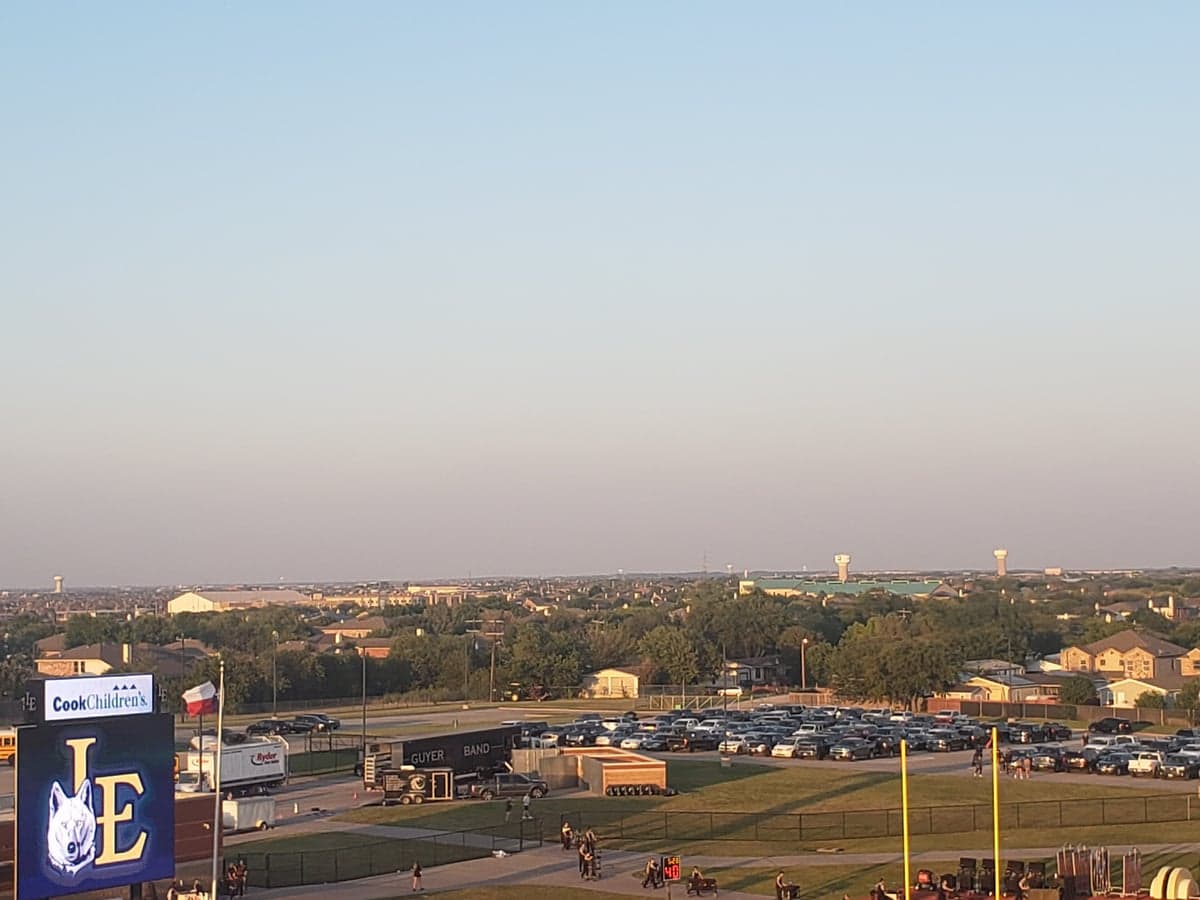
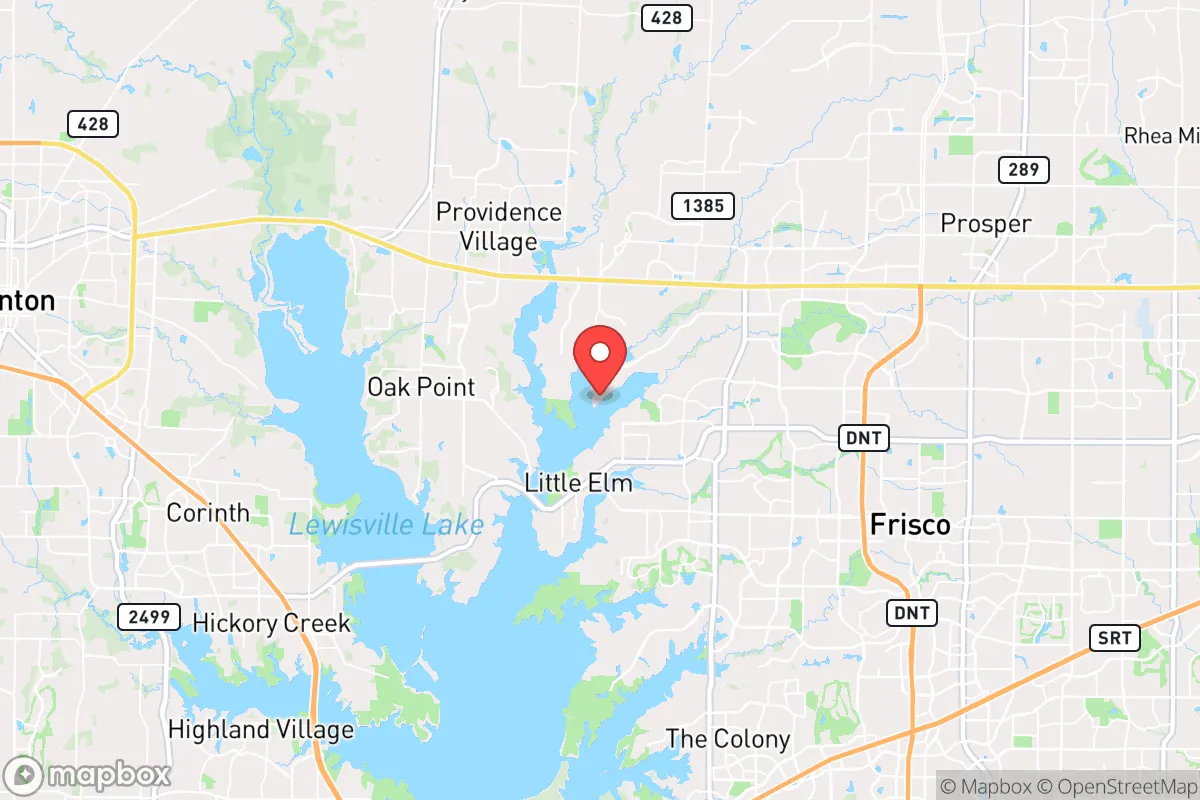
Photo: Wikipedia
Demographics of Little Elm, TX
Affluence Level in Little Elm, TX
An upper-middle-class area. Household wealth, education levels, and homeownership run ahead of national benchmarks.
People of Little Elm, TX
Little Elm, Texas, is a rapidly growing exurb of Dallas-Fort Worth with a population of 51,426 that reflects a striking blend of domestic transplants and international arrivals. The city's character is defined by young families, a high college education rate of 40.6%, and a demographic profile that is 42.7% White, 21.1% Hispanic, 19.1% Black, 8.4% Indian (subcontinent), and 1.9% East/Southeast Asian. This diversity is not evenly spread but clustered in distinct master-planned communities, giving Little Elm a patchwork feel of separate enclaves rather than a single melting pot.
How the city was settled and grew
Little Elm was originally a sparsely populated farming and ranching area, with its modern history beginning only after the creation of Lake Lewisville in the 1950s and the city's incorporation in 1966. The early population was predominantly White, drawn by lake access, affordable land, and a rural lifestyle within commuting distance of Dallas. The Old Little Elm area near the lake retains this heritage, with older homes on larger lots and a small-town feel that still attracts families seeking a quieter, established setting. Growth remained slow through the 1970s and 1980s, with the population hovering around a few thousand. The first major wave of suburban development arrived in the late 1990s and early 2000s, when The Lakes of Little Elm master-planned community broke ground. This development attracted middle-class families—mostly White and Hispanic—who were priced out of closer-in suburbs like Frisco and Plano, seeking new construction and access to the Lewisville Independent School District.
Modern era (post-1965)
The post-1965 era, particularly after 2000, transformed Little Elm from a rural outpost into a diverse, family-oriented suburb. While the Hart-Cellar Act reshaped national immigration patterns, Little Elm's modern diversity is driven more by domestic migration from within Texas and other states, plus a significant influx of Indian professionals in the 2010s. Union Park, a large master-planned community developed in the mid-2010s, became a hub for Indian families, many working in DFW's technology, healthcare, and engineering sectors. This neighborhood features higher home prices and a strong community identity, with Indian cultural organizations and businesses emerging nearby. Paloma Creek and Savannah attracted a mix of Black and Hispanic families, drawn by more affordable pricing and proximity to the lake. The Black population (19.1%) is concentrated in these areas, while Hispanic residents (21.1%) are spread across both older and newer developments, including The Lakes of Little Elm and the original town center. The East/Southeast Asian community (1.9%) is smaller but present in neighborhoods like Water's Edge, a lakefront subdivision with a mix of professionals. The White population (42

* Values derived from national, state, county, city and local statistics and may differ in a specific area. Last updated: 2026-05-08T21:16:26.000Z
Narrative content on this page is AI-generated and may contain mistakes. Verify any details that matter before acting on them.
ReloMaps may earn a commission from affiliate links at no extra cost to you.

