Photo: Wikipedia
Quality of Life in Lodi, NJ
Above-average quality of iife. The area offers a reasonable cost of living, decent mobility, and a mix of neighborhood amenities.
What does Quality of Life tell us?
Quality of Life blends cost of living, nearby amenities, socioeconomic signals, and neighborhood character. City-level scores represent the whole municipality; individual neighborhoods can differ.
What does this tell us?
Quality of Life blends cost of living, nearby amenities, socioeconomic signals, and neighborhood character. City-level scores represent the whole municipality; individual neighborhoods can differ.
Cost of Living
50% above national average
The Real Cost of Living in Lodi, NJ for 2026
| Tier | Individual | Family (4) |
|---|---|---|
| Survival | $27k | $50k |
| Comfortable | $87k | $128k |
| Luxury | $153k+ | $237k+ |
| Elite (Top 5%) | $193k+ | $300k+ |
66%
The Area Signal
A metric tracking the socioeconomic signals of the area.
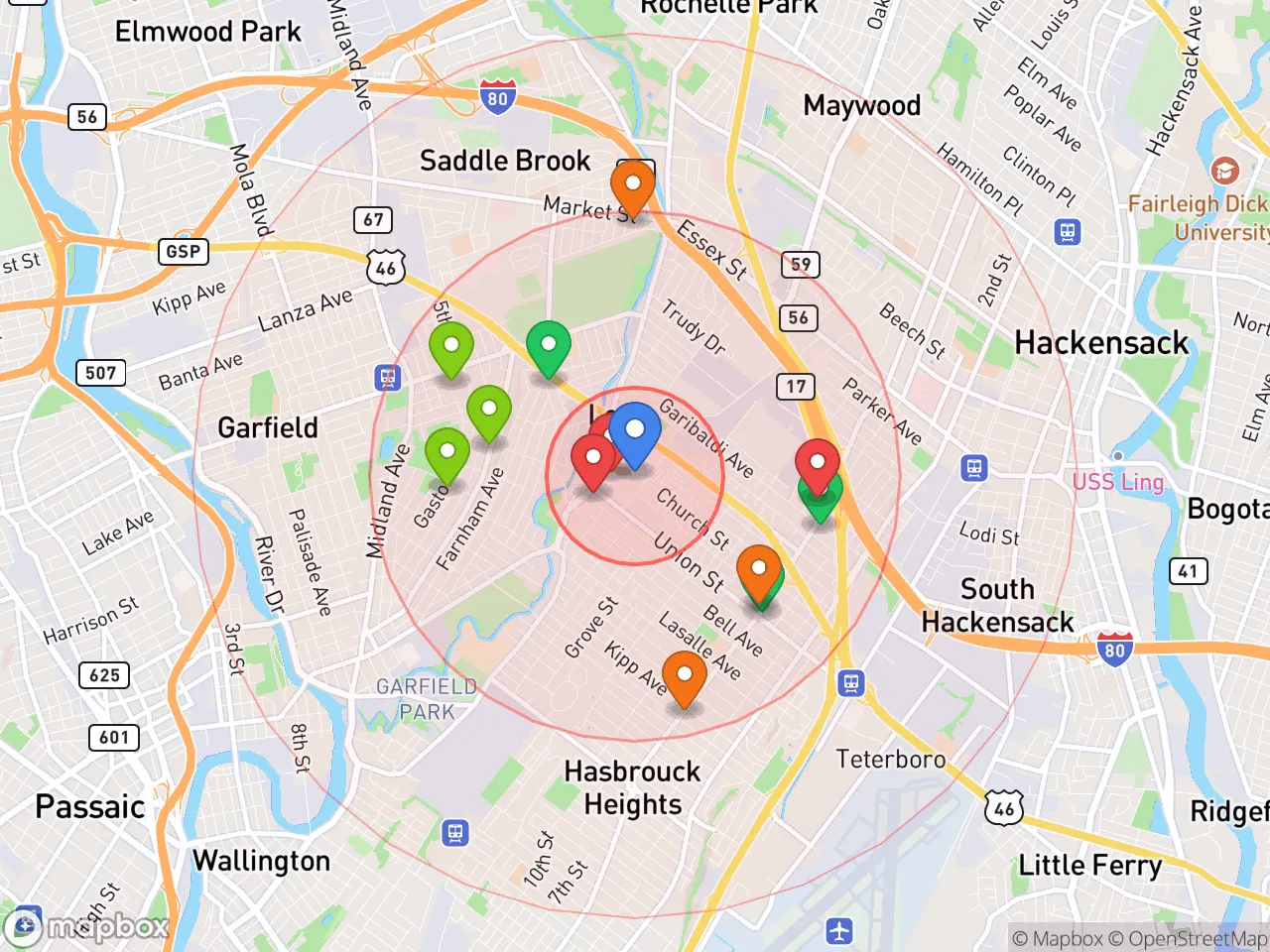
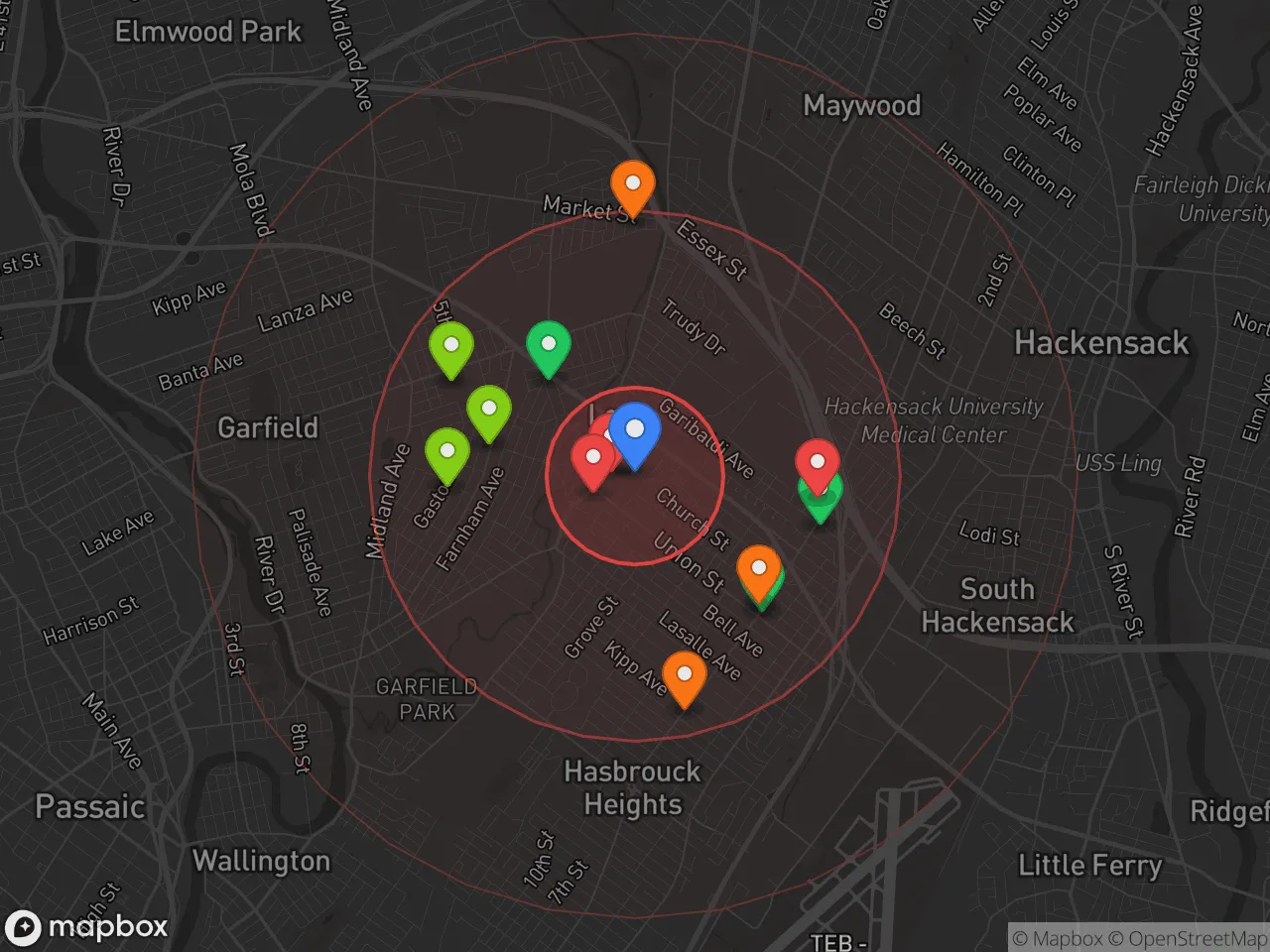
Hobbies
Explore the areaGroceries
0 within 10 miles
Gas
0 within 10 miles
Hospital
0 within 20 miles
Airport
EWR — Newark Liberty International
Post Office
Critical Amenities
Quality-of-Life Analysis
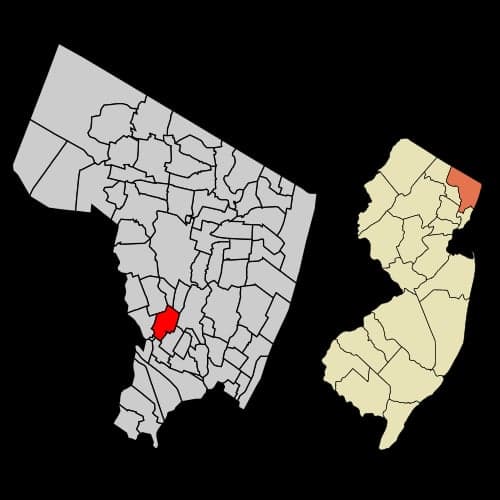
Lodi, New Jersey, is a densely settled, middle-to-upper-middle-income borough in Bergen County, home to roughly 26,000 residents who value proximity to New York City without the premium price tag of towns like Hackensack or Paramus. With a cost-of-living index of 150 — 50% above the national average — Lodi attracts a mix of young professionals, established Italian-American and Hispanic families, and commuters who work in Manhattan or nearby corporate hubs. The borough’s character is defined by its tight-knit neighborhoods, strong civic pride, and a daily rhythm that balances suburban quiet with easy access to urban energy.
Cost of living, housing prices, and affordability compared to Bergen County
Lodi’s cost of living sits well above the U.S. baseline but remains noticeably more affordable than many Bergen County neighbors. The median home value of $449,200 is roughly $100,000 less than the county median, while the median rent of $1,675 is about $200 below the Bergen County average. For context, a comparable home in nearby Hackensack or Paramus would cost $50,000–$100,000 more, and in Ridgewood or Tenafly the gap widens to $300,000 or more. The average commute of 27 minutes — shorter than the Bergen County average of 31 minutes — is a key draw, as Lodi sits near Routes 17, 46, and 80, and the NJ Transit bus lines to the Port Authority Bus Terminal run frequently. Property taxes in Lodi are high, typical of New Jersey, but the borough’s lower home prices partially offset the annual tax burden for buyers. Renters face a tight market, with vacancy rates below 3%, so securing a lease often requires quick action.
Local amenities, schools, and what daily life feels like
Daily life in Lodi revolves around its walkable downtown along Route 46, where residents find supermarkets, pizzerias, bakeries, and family-run shops. The borough’s public schools — Lodi High School and Thomas Jefferson Middle School — serve a diverse student body and offer solid academic programs, though many families supplement with nearby private or parochial options. Recreation centers on Lodi Memorial Park, which hosts baseball fields, tennis courts, and a community pool, and the nearby Saddle River County Park provides miles of paved trails for jogging and cycling. For dining, locals frequent casual Italian spots like La Scala and Portuguese churrasqueiras along Main Street. The borough lacks a major hospital, but Hackensack University Medical Center is a 15-minute drive. Cultural amenities are limited within Lodi itself, but the Meadowlands Sports Complex, American Dream mall, and Bergen County’s shopping districts are all within a 10-minute drive. The overall pace is slower than Hackensack but busier than more rural Bergen towns — a classic suburban-urban hybrid.
Lodi is best suited for commuters who want a shorter trip to Manhattan than most North Jersey suburbs offer, and for families who prioritize affordability within Bergen County over top-tier school rankings or sprawling lot sizes. Young professionals and empty-nesters will also find value in the borough’s lower rent and home prices compared to Hackensack or Paramus, along with its walkable downtown and easy highway access. Those seeking elite public schools, large homes, or a quiet exurban feel should look farther west or north. For anyone who values location, community density, and a reasonable trade-off between cost and convenience, Lodi delivers a pragmatic quality of life that few Bergen County towns can match at this price point.

Crime in Lodi, NJ
Lower crime rates than 76% of comparable U.S. locations.
Violent CrimeViolent Crime Analysis
Property CrimeProperty Crime Analysis
Crime Analysis
Lodi, New Jersey, a borough of roughly 26,000 residents in Bergen County, presents a mixed safety profile that warrants careful consideration. While its violent crime rate of 189.5 incidents per 100,000 residents is notably lower than the national average, the property crime rate of 1,182.5 per 100,000 exceeds the national benchmark, creating a situation where residents face elevated risks of theft and burglary. The borough’s proximity to New York City and its status as a densely populated, transit-connected suburb means it shares many of the crime dynamics common to the broader New York metropolitan area.
Crime in context
Lodi’s violent crime rate is roughly half the national average of approximately 380 per 100,000, and it also sits below the New Jersey state average of about 200 per 100,000. This makes the borough statistically safer than many comparable communities in terms of serious offenses like assault, robbery, and homicide. However, the property crime rate tells a different story. At 1,182.5 per 100,000, Lodi’s property crime rate is significantly higher than both the national average (roughly 1,950 per 100,000) and the New Jersey state average (around 1,100 per 100,000). This elevated rate is driven largely by larceny-theft and motor vehicle theft, which are common in areas with dense commercial corridors and easy highway access via Routes 17, 46, and the Garden State Parkway.
What residents experience
For those living in Lodi, the day-to-day reality is that violent confrontations are rare, but property crimes—such as package thefts, car break-ins, and home burglaries—are a recurring concern. The borough’s police department maintains a visible presence, but the high volume of through traffic and the mix of residential and retail zones create opportunities for opportunistic crime. A significant factor influencing the broader safety environment is the criminal justice philosophy prevalent in Bergen County and much of northern New Jersey. Progressive district attorneys and judges in the region often prioritize diversion programs, reduced bail, and lenient sentencing for non-violent offenders. While these policies are designed to reduce incarceration rates, they can result in repeat property offenders cycling quickly back onto the streets, undermining deterrence and frustrating residents who see the same individuals committing crimes repeatedly. This systemic leniency means that even when property crimes are reported, the likelihood of meaningful consequences is lower than in jurisdictions with tougher prosecutorial approaches.
Neighborhood-level variation
Safety in Lodi is not uniform. The area around the commercial strip along Route 46, which includes shopping centers and fast-food restaurants, sees a disproportionate share of thefts and vehicle-related crimes. The more residential neighborhoods east of Main Street, particularly those closer to the Saddle River, tend to experience fewer incidents. Streets near the Lodi Memorial Library and the borough’s parks are generally considered safer, with lower reported crime volumes. However, because Lodi is a compact, fully built-out borough, no neighborhood is entirely insulated from the property crime trends that affect the entire community. Prospective residents should prioritize homes with off-street parking, secure entry points, and good street lighting, and should remain aware that the local justice system’s progressive orientation may limit the effectiveness of traditional crime deterrence.
* Values derived from national, state, county, city and local statistics and may differ in a specific area. Last updated: 2026-04-30T01:00:18.000Z
Narrative content on this page is AI-generated and may contain mistakes. Verify any details that matter before acting on them.
ReloMaps may earn a commission from affiliate links at no extra cost to you.

