Photo: Wikipedia
Strategic Assessment of Lodi, NJ
High tactical risk. This location is likely close to major population centers, strategic targets, or sits in a high-disaster corridor. A retreat property and careful exit planning is required.
What does the Strategic Assessment tell us?
Our Strategic Assessment grades tactical survivability of an area. Major population centers, military targets, fallout zones, natural disasters, and border exposure all drive risk — lower exposure means a more defensible position in a crisis.
This is heavily inspired by Joel Skousen's Strategic Relocation book. Highly recommended you checkout the book ($)What does this tell us?
Our Strategic Assessment grades tactical survivability of an area. Major population centers, military targets, fallout zones, natural disasters, and border exposure all drive risk — lower exposure means a more defensible position in a crisis.
This is heavily inspired by Joel Skousen's Strategic Relocation book. Highly recommended you checkout the book ($)Strategic Pillars

Key Distances
Regional Safe Places
Below is our recommended "safe zones" in New Jersey and the surrounding area based on our strategic heuristics. For most people, it's unrealistic to live in a “safe zone” full-time due to work, family or other personal reasons. They tend to be more rural. However, many of these areas are perfect for second homes and retreat properties that double as a vacation home or even a short-term rental.
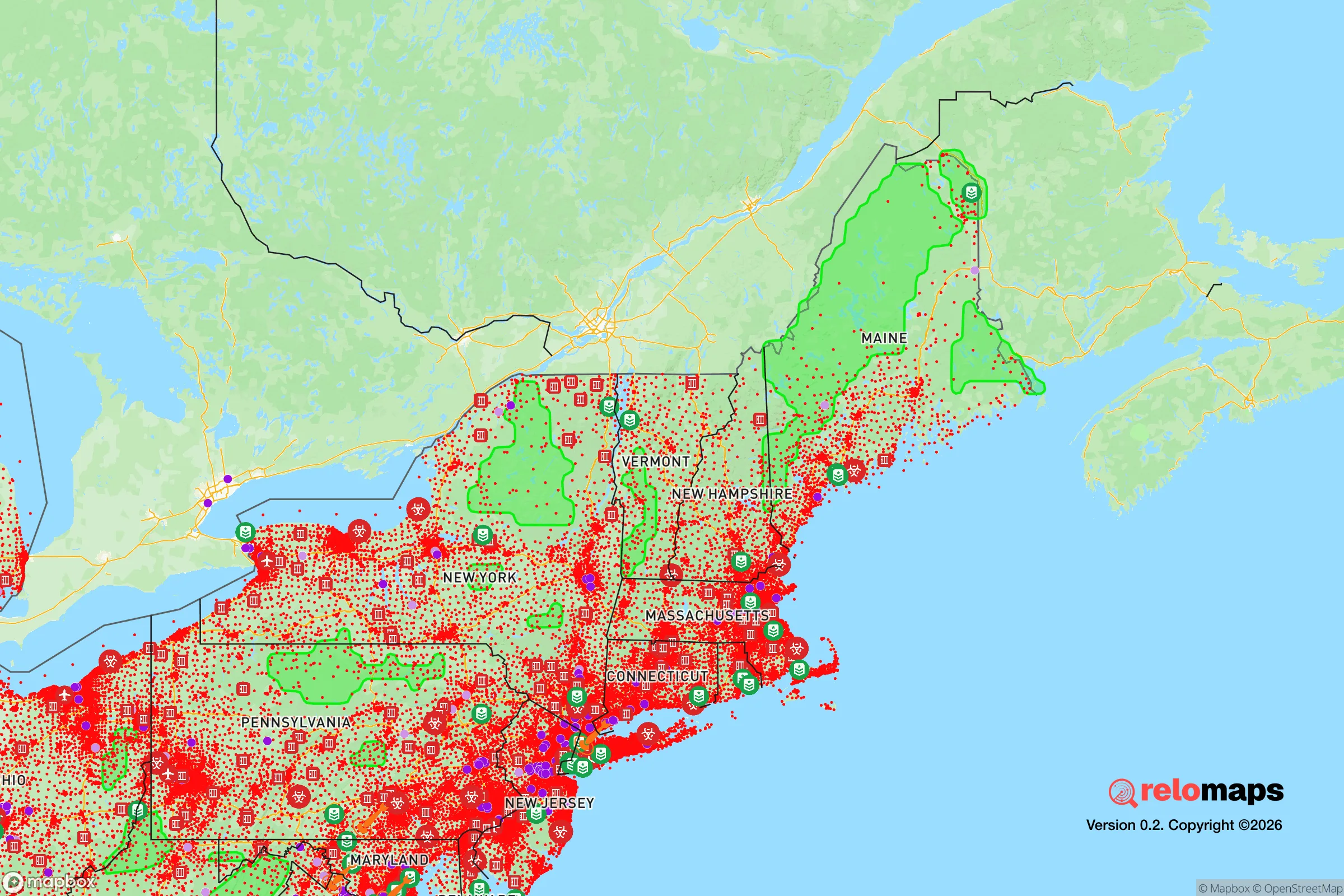
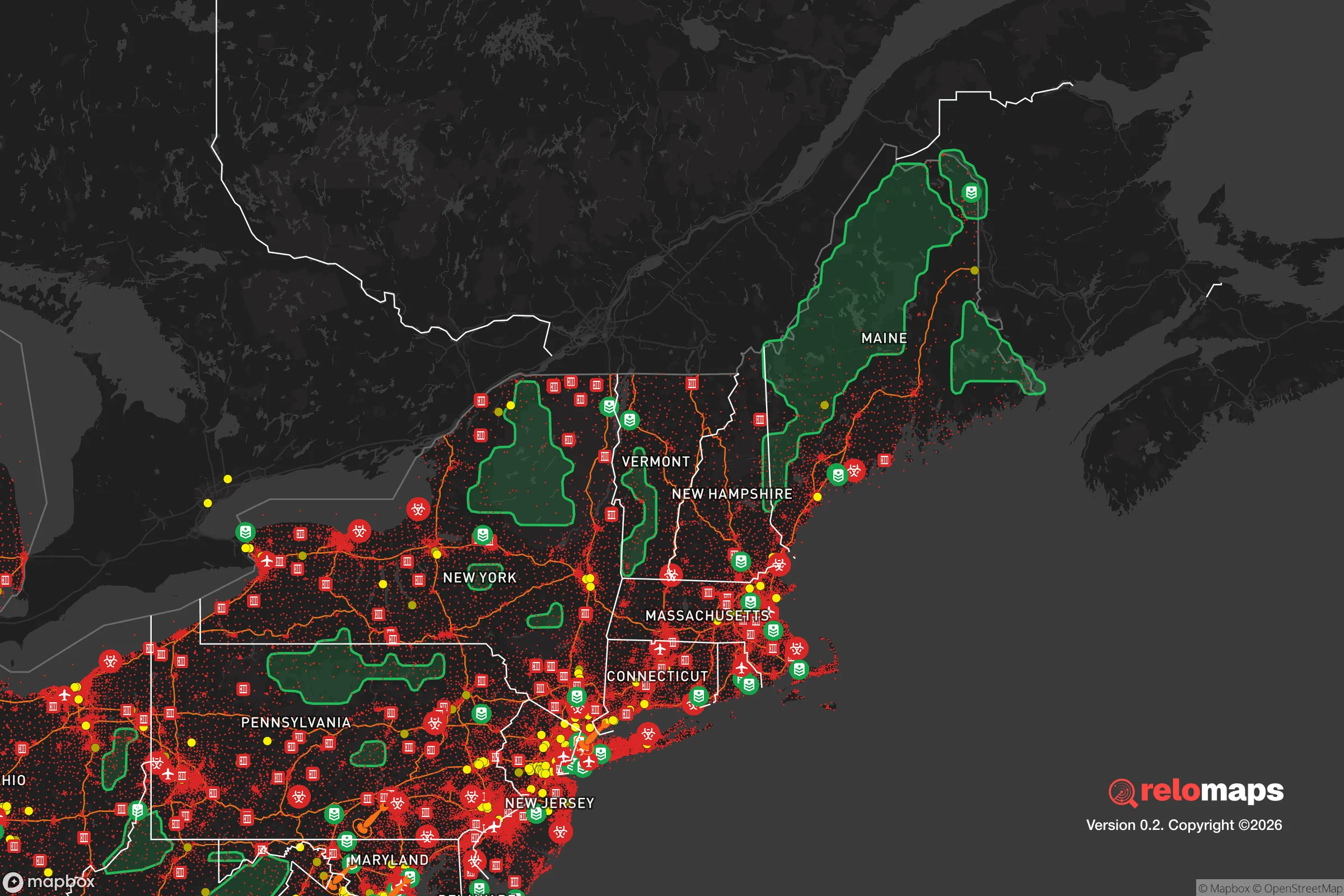


Important Note: For informational purposes only. This does not mean nothing bad ever happens in the green zones. Please use common sense. This is based on public data and modeled with AI. We tried to take a conservative approach but mistakes happen. We update this regularly as new information becomes available.
Solar Generator Recommendations
Backup power matters more here than in safer locations. We've picked three solar generators across budgets and capacity tiers — start with the budget unit if you only need a few essentials, or step up if you want to run a fridge and HVAC for days at a time.

Jackery Portable Power Station Explorer 300
Budget OptionPower on the Go: Weighing only 11 lbs, it's convenient to set up and store with book-sized foldable solar panels

BLUETTI Portable Power Station AC180
Designed for both indoor and outdoor scenarios, AC180 is highly capable as it has a robost capacity and continuous output power.

EF ECOFLOW DELTA Pro Ultra Power Station
Upgraded PickEcoFlow DELTA Pro Ultra is a whole-home energy system designed to grow with your family. Integrated with the Smart Home Panel 2, it scales to meet your evolving energy needs — keeping your home powered, intelligent, and secure through every stage of life.
We earn a commission, at no additional cost to you.
Strategic Assessment Analysis
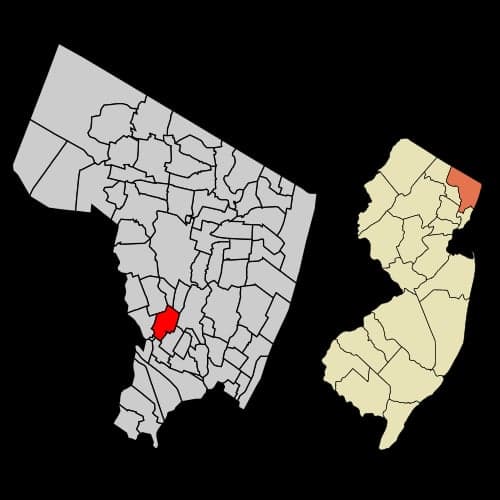
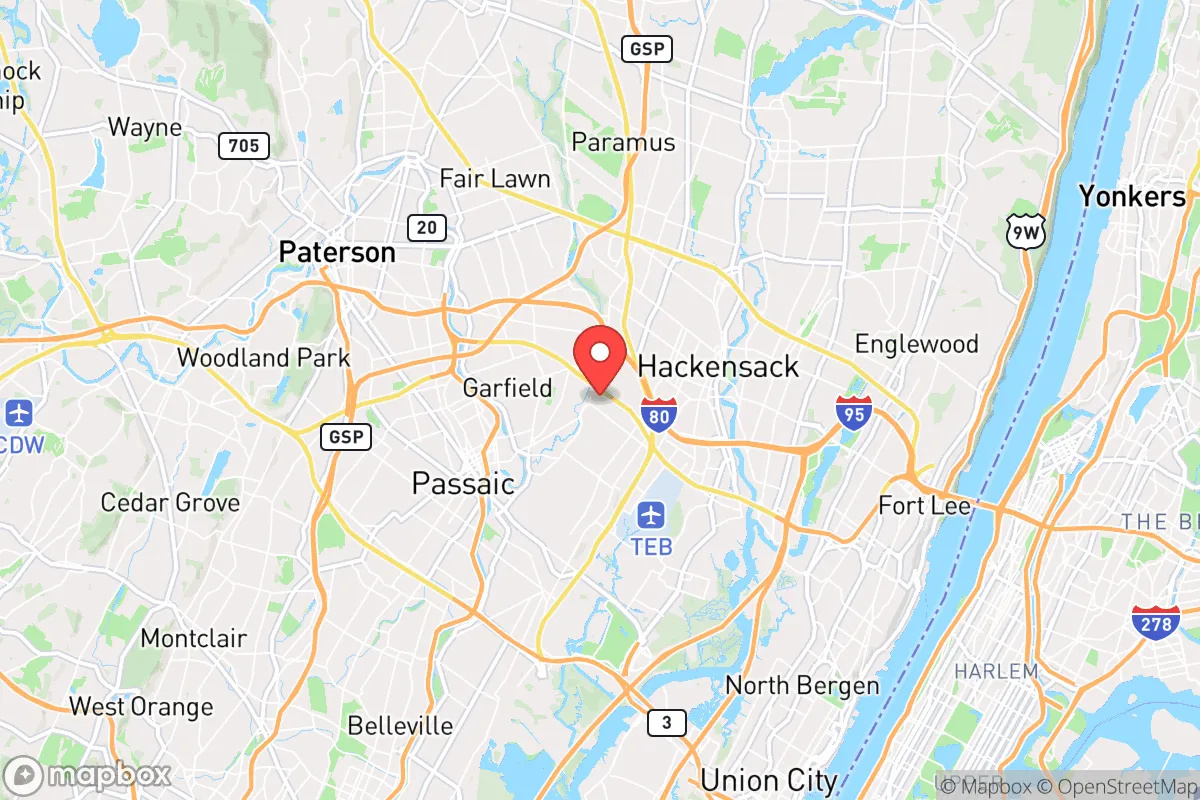
Lodi, New Jersey, sits in a precarious strategic position that demands a clear-eyed assessment for anyone serious about preparedness. Its location in Bergen County, roughly 12 miles from midtown Manhattan, offers immediate access to dense urban resources but places it squarely within the blast radius of a major metropolitan target. For the conservative prepper weighing relocation, Lodi presents a trade-off: proximity to economic hubs versus exposure to the cascading failures that would follow a major disaster or civil unrest event in the New York City metro area. The town’s resilience is not inherent—it is entirely dependent on how well a relocator can insulate themselves from the vulnerabilities of the surrounding region.
Geographic position and natural advantages for a prepper
Lodi’s geography is a mixed bag. The borough sits on the banks of the Saddle River, a modest water source that could provide emergency supply with proper filtration, but it is not a major river system like the Passaic or Hackensack. The terrain is flat to gently rolling, typical of the Hackensack Meadowlands region, which means limited natural defensibility—no hills, ridges, or chokepoints to control movement. The soil is a mix of sandy loam and clay, workable for small-scale gardening but not prime agricultural land. The area’s hardiness zone is 7a, with a growing season of roughly 180 days, allowing for spring and fall crops but requiring season extension techniques for winter food production. The climate is humid continental, with hot summers and cold winters; average January lows hover around 20°F, meaning heating fuel and winter clothing are non-negotiable for long-term survival. The proximity to the Meadowlands—a vast wetland complex—offers some natural buffer against suburban sprawl, but it also concentrates wildlife (deer, waterfowl) that could be hunted in a collapse scenario. However, the lack of significant elevation or natural barriers means Lodi would be a through-zone for displaced populations fleeing New York City, not a defensible redoubt.
Risks, exposures, and proximity to fallout-relevant landmarks
The single greatest risk for Lodi is its location within the New York City metropolitan statistical area. In a major event—whether a nuclear detonation, a coordinated terror attack, or a cascading grid failure—the borough would be within the immediate fallout and chaos zone. Manhattan is 12 miles east; Newark Liberty International Airport is 8 miles south; the Port of Newark and Elizabeth Marine Terminal, critical for national supply chains, are 10 miles south. These are Tier 1 targets. A ground burst at any of these locations would produce radioactive fallout that could reach Lodi within hours, depending on wind direction. The borough is also within 5 miles of the Meadowlands Sports Complex, a potential staging area for FEMA or military operations that could attract secondary attacks or civil unrest. The New Jersey Turnpike (I-95) and Route 17 run nearby, making Lodi a natural evacuation corridor—and a bottleneck. In a mass evacuation, these roads would gridlock within minutes, trapping residents. The area’s population density is roughly 8,000 people per square mile, meaning any localized disaster (chemical spill, gas leak, civil disturbance) would cascade quickly through the community. The Saddle River is prone to flash flooding during heavy rains, and the Meadowlands’ low-lying areas have a history of storm surge from nor’easters. For the prepper, the calculus is clear: Lodi is not a safe distance from high-value targets, and its infrastructure is designed for normalcy, not survival.
Practical resilience for a relocator: food, water, energy, and defensibility
For a single individual or family committed to staying in Lodi, practical resilience requires a layered approach. Municipal water comes from the Passaic Valley Water Commission, which draws from the Passaic River—a source vulnerable to upstream contamination from industrial sites and combined sewer overflows. A prepper should assume tap water will be undrinkable within 24 hours of a major event and plan for at least two weeks of stored water (one gallon per person per day). The borough’s electric grid is served by PSE&G, which has a mixed reliability record; outages from storms are common, and a prolonged blackout would leave residents without power for refrigeration, communication, and medical devices. Solar panels with battery storage are feasible but require roof space and HOA approval in many Lodi neighborhoods. Natural gas is widely available for heating and cooking, but a pipeline disruption would cut supply. Food storage is the most achievable resilience measure: Lodi has several supermarkets (ShopRite, Stop & Shop) within a 2-mile radius, but these would empty within hours of a crisis. A three-month supply of shelf-stable food, rotated regularly, is the minimum for a family. Gardening is possible in backyards, but soil contamination from historical industrial use (Lodi had tanneries and chemical plants in the 20th century) should be tested before planting edibles. Defensibility is poor: the borough’s street grid is open, with no natural chokepoints. A single-family home with reinforced doors, window film, and a safe room offers some protection, but a determined group could overwhelm it. Community resilience is low—Lodi is a bedroom community with little shared prepper culture. The best strategy for a relocator is to treat Lodi as a temporary base, not a long-term survival location, and to have a bug-out plan for a rural retreat in Pennsylvania or upstate New York.
The overall strategic picture for Lodi is one of calculated risk. It offers the economic advantages of being near New York City—jobs, healthcare, education—but those same advantages become liabilities in a crisis. For the conservative prepper who values self-reliance and distance from population centers, Lodi is a compromise that requires constant vigilance. The borough’s best use is as a forward operating base for someone who works in the metro area but maintains a fully stocked retreat elsewhere. If you are single and mobile, Lodi can work for a few years while you build skills and savings. If you are a parent, the calculus is harder: the schools are adequate, but the risk of being trapped in a mass evacuation with children is real. The bottom line: Lodi is not a survivalist destination. It is a place to live strategically, with eyes open, and a plan to leave when the indicators turn red.

* Values derived from national, state, county, city and local statistics and may differ in a specific area. Last updated: 2026-04-30T01:00:18.000Z
Narrative content on this page is AI-generated and may contain mistakes. Verify any details that matter before acting on them.
ReloMaps may earn a commission from affiliate links at no extra cost to you.

