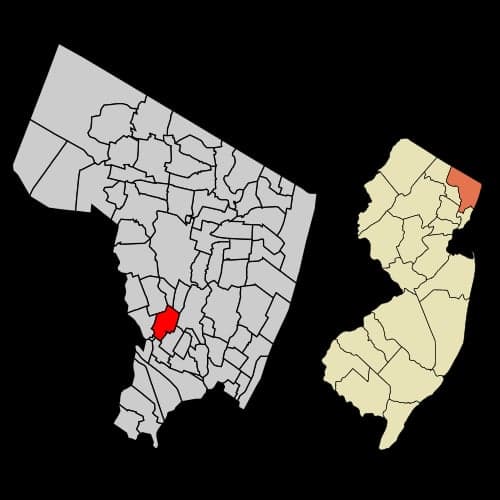
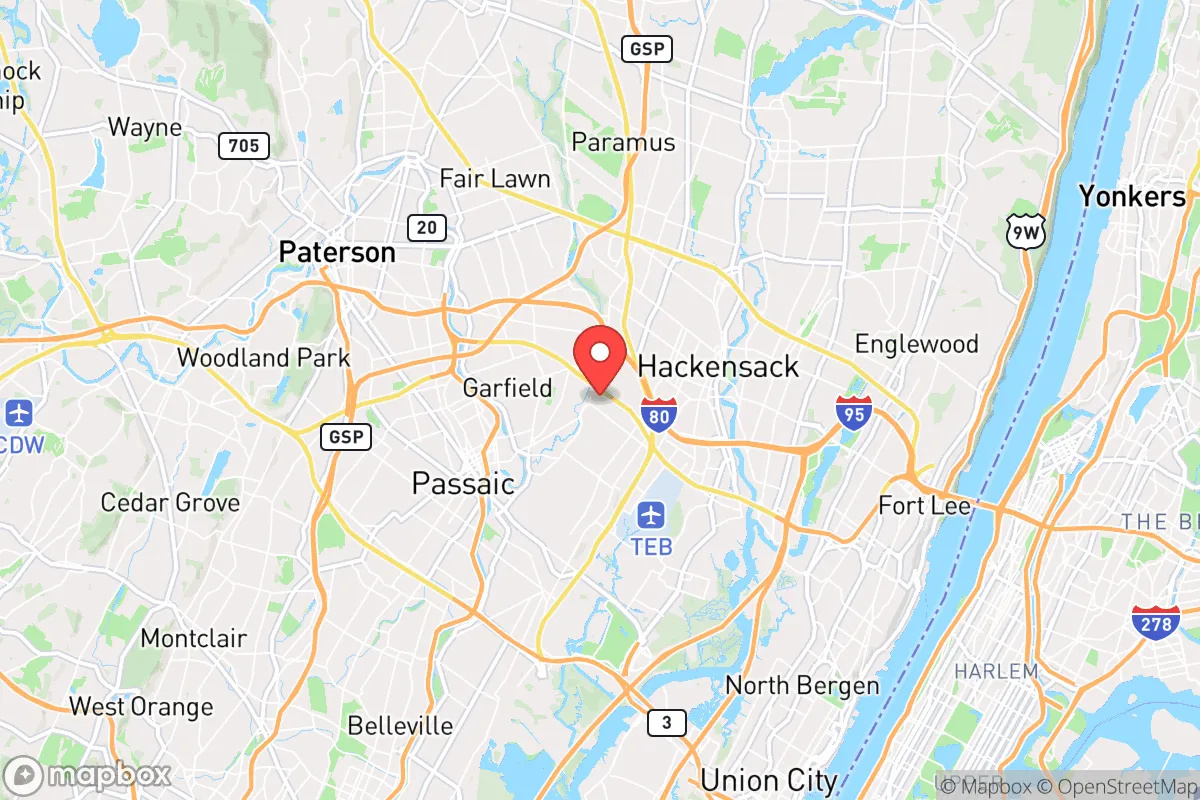
Photo: Wikipedia
Political ClimatePolitical Climate in Lodi, NJ
District shown is the primary district for this city’s centroid. Cities may span multiple districts.
Local Political AnalysisPolitical Analysis of Lodi, NJ
Lodi, New Jersey, sits in a tricky spot politically. On paper, it’s a D+2 district according to the Cook Partisan Voting Index, which means it leans slightly Democratic but is far from a lock for either party. In practice, that number masks a real shift over the last decade. I’ve lived here long enough to remember when local elections were decided by kitchen-table issues—taxes, potholes, school budgets—not by national culture wars. Now, you can feel the pressure from the progressive machine in Bergen County, especially as neighboring Hackensack and Teaneck push harder into left-wing policies on zoning, policing, and school curriculum. Lodi used to be a quiet, blue-collar town where folks kept their politics to themselves. That’s changing, and not for the better.
How it compares
Drive five minutes east to Hackensack, and you’re in a county seat that’s gone all-in on progressive governance—higher taxes, sanctuary city rhetoric, and a school board that’s more focused on DEI than reading scores. Head west to Elmwood Park or south to Garfield, and you’ll find towns that still vote their wallets, not their Instagram feeds. Lodi sits right in the middle, but the D+2 rating doesn’t tell the whole story. In 2020, the town actually trended a few points redder than its PVI suggests, with many longtime residents voting against the statewide leftward lurch on issues like small business mandates and property tax hikes. The contrast is stark: while Bergen County as a whole has become a Democratic stronghold, Lodi still has a fighting chance to stay grounded if enough people show up to local council meetings.
What this means for residents
For the average family here, the political climate translates directly into your wallet and your freedoms. The biggest red flag is the creeping overreach from Trenton and Bergen County government—things like statewide rent control proposals that ignore local housing markets, or school mask and vaccine mandates that treat parents like they can’t make their own medical decisions. Lodi’s own council has been mostly moderate, but every election cycle brings a new slate of candidates backed by county-level progressive PACs who want to import the same policies that have driven up crime and taxes in Newark and Jersey City. If you value your Second Amendment rights, be aware that Lodi’s gun laws are already stricter than state minimums, and there’s constant pressure to go further. Property taxes are already among the highest in the nation, and any shift left will only accelerate that trend.
Culturally, Lodi still holds onto its Italian-American and Polish roots, with local feasts and church festivals that feel like a throwback to a more neighborly time. But you can see the tension at school board meetings, where parents pushing for transparency on curriculum are often shouted down by activists who want to bring critical race theory and gender ideology into elementary classrooms. The town’s small size—about 25,000 people—means every local election actually matters. If you’re considering moving here, keep an eye on the 2026 council races. That’s where the real fight for Lodi’s character will be decided. For now, it’s still a place where a handshake means something, but that’s slipping away fast if we don’t hold the line.

State Political ClimatePolitical Climate in New Jersey
State Political AnalysisPolitical Environment in the State
New Jersey has long been one of the most reliably Democratic states in the nation, but don’t let the overall numbers fool you—this place is a patchwork of deep-blue urban strongholds, deep-red rural pockets, and a growing number of purple suburbs that are starting to push back. Over the past 20 years, the state has shifted from a moderate, union-driven Democratic lean to a more progressive, coastal-dominated machine, with the 2020 election seeing Joe Biden win by about 16 points. But beneath that surface, there’s a real tension brewing, especially in places like Hunterdon County and Ocean County, where conservative voters feel increasingly squeezed by Trenton’s one-party rule.
Urban vs. rural divide
The political map of New Jersey is a tale of two worlds. The northern and central metros—Newark, Jersey City, Paterson, and Elizabeth—are the engine of the Democratic machine, powered by dense populations, strong public-sector unions, and a heavy reliance on mass transit and government services. These areas reliably deliver 70-80% of the vote for Democrats, and they’re the reason the state hasn’t gone red in a presidential race since 1988. Meanwhile, the rural and exurban counties—Sussex, Warren, Hunterdon, and Cape May—vote Republican by similar margins, driven by property owners, small business owners, and families who are fed up with high taxes and overregulation. The real battleground is the suburban ring: Bergen County, Morris County, and Monmouth County have been trending left in recent cycles, but pockets like Toms River in Ocean County and Bridgewater in Somerset County still hold conservative strongholds. The divide isn’t just about geography—it’s about lifestyle. Urbanites rely on government services and public transit; rural and suburban residents feel the squeeze of property taxes that are the highest in the nation, and they’re increasingly vocal about it.
Policy environment
New Jersey’s policy environment is a textbook case of progressive governance with a heavy hand. The state has the highest property taxes in the country (averaging over $9,500 per year), a progressive income tax that tops out at 10.75% for earners over $1 million, and a sales tax of 6.625%. The regulatory posture is aggressive: the state has some of the strictest environmental rules in the nation, which drives up the cost of housing and development. On education, New Jersey spends more per pupil than almost any other state, but the results are uneven—wealthy suburbs like Millburn and Princeton have top-tier schools, while urban districts like Camden and Newark struggle despite massive funding. Healthcare is heavily regulated, with a state-run insurance exchange and strict mandates. Election laws are a mixed bag: the state has no-excuse mail-in voting (expanded permanently after 2020) and automatic voter registration, which conservatives argue opens the door to fraud, though no major scandals have been proven. The state also has a sanctuary state policy, limiting cooperation between local law enforcement and federal immigration authorities, which has become a flashpoint in towns like Woodbridge and Perth Amboy.
Trajectory & freedom
Over the past decade, New Jersey has become less free by almost any measure. The state has expanded gun control aggressively, passing a 2022 law that requires a “justifiable need” for a carry permit—effectively a near-total ban on concealed carry until the Supreme Court’s Bruen decision forced a rewrite. Even after Bruen, the state still requires a permit, a background check, and a 10-round magazine limit. On parental rights, the state has moved in the opposite direction of places like Florida: in 2024, Governor Phil Murphy signed a law that prohibits school districts from notifying parents if a child changes their gender identity or pronouns, sparking massive protests in Middletown and Freehold. Medical autonomy took a hit during COVID, with the state imposing some of the longest-lasting mask mandates and vaccine requirements for schoolchildren. Property rights are under constant assault from the state’s powerful Pinelands Commission and Department of Environmental Protection, which can block development on private land with little recourse. The tax burden is the biggest freedom killer: many residents feel they’re renting their homes from the government, and the state’s 2% property tax cap has been eroded by exemptions and loopholes. The only bright spot for conservatives is the state’s school choice landscape—there are a growing number of charter schools and a voucher-like program for low-income students, though it’s still limited compared to states like Arizona.
Civil unrest & political movements
New Jersey has seen its share of political flashpoints. The 2020 Black Lives Matter protests in Newark and Trenton were large but mostly peaceful, though they did lead to calls to defund the police in some cities—calls that were largely rejected by local governments. The state’s sanctuary policy has fueled tension in towns like Elizabeth and Union City, where immigration enforcement is minimal and local activists have clashed with ICE. On the right, the New Jersey Firearms Coalition and Garden State Gun Rights have organized large rallies at the statehouse, and the New Jersey Parents for Education group has held protests in Morristown and Montclair over the gender notification law. Election integrity remains a hot-button issue: the state’s 2020 mail-in voting expansion led to a lawsuit from the Trump campaign, and while no widespread fraud was found, many conservatives remain skeptical of the system. The state also has a small but vocal secession movement in the rural northwest, with some residents pushing for a “New Jersey 2.0” that would break away from the urban-dominated state government—though it’s more of a symbolic protest than a realistic plan.
Projection
Looking ahead 5-10 years, New Jersey is likely to become more progressive, not less. The state’s population is aging and shrinking, but the growth is concentrated in the urban and inner-suburban areas that vote Democratic. The exurbs are losing population as young families flee to lower-tax states like Florida, Texas, and Tennessee. The Democratic supermajority in the legislature is unlikely to be broken anytime soon, and the state’s tax-and-spend model is baked in. However, there are cracks: the 2025 gubernatorial race could see a more moderate Democrat or even a Republican if the party can find a candidate who can appeal to suburban independents tired of high taxes. The biggest wildcard is the property tax crisis—if the state doesn’t find a way to rein in costs, the exodus of middle-class families will accelerate, leaving behind a poorer, more dependent population that will only strengthen the progressive coalition. For a conservative moving in now, expect to see more gun control, more parental rights battles, and a continued erosion of local control in favor of Trenton mandates.
For a conservative considering a move to New Jersey, the bottom line is this: you’ll be living in a state where your vote for president or Senate is essentially meaningless, but your local vote matters a lot. If you can afford the taxes and find a town like Hunterdon County or Ocean County where your neighbors share your values, you can build a good life—but you’ll be fighting an uphill battle against a state government that sees your lifestyle as a problem to be solved. The schools are good, the jobs are plentiful (especially in pharma and finance), and the proximity to New York and Philadelphia is unmatched. But the freedom to live as you see fit is under constant pressure, and that pressure is only going to increase. If you’re moving here, come with your eyes open and your wallet ready.
* Values derived from national, state, county, city and local statistics and may differ in a specific area. Last updated: 2026-04-30T01:00:18.000Z
Narrative content on this page is AI-generated and may contain mistakes. Verify any details that matter before acting on them.
ReloMaps may earn a commission from affiliate links at no extra cost to you.

