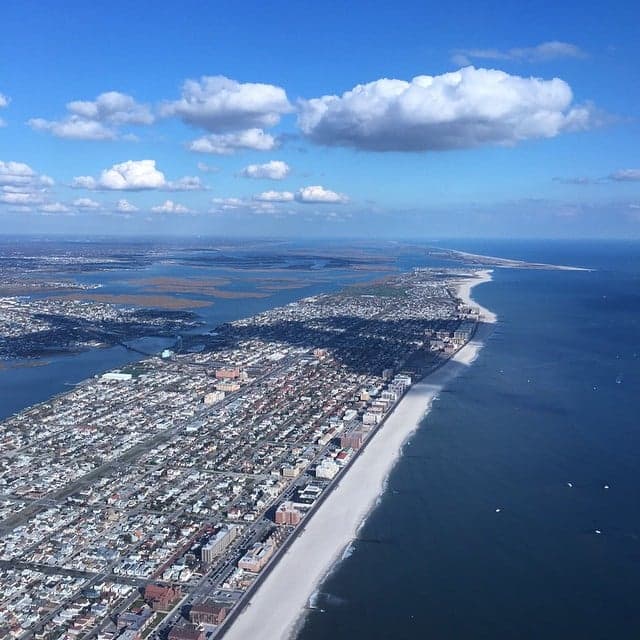
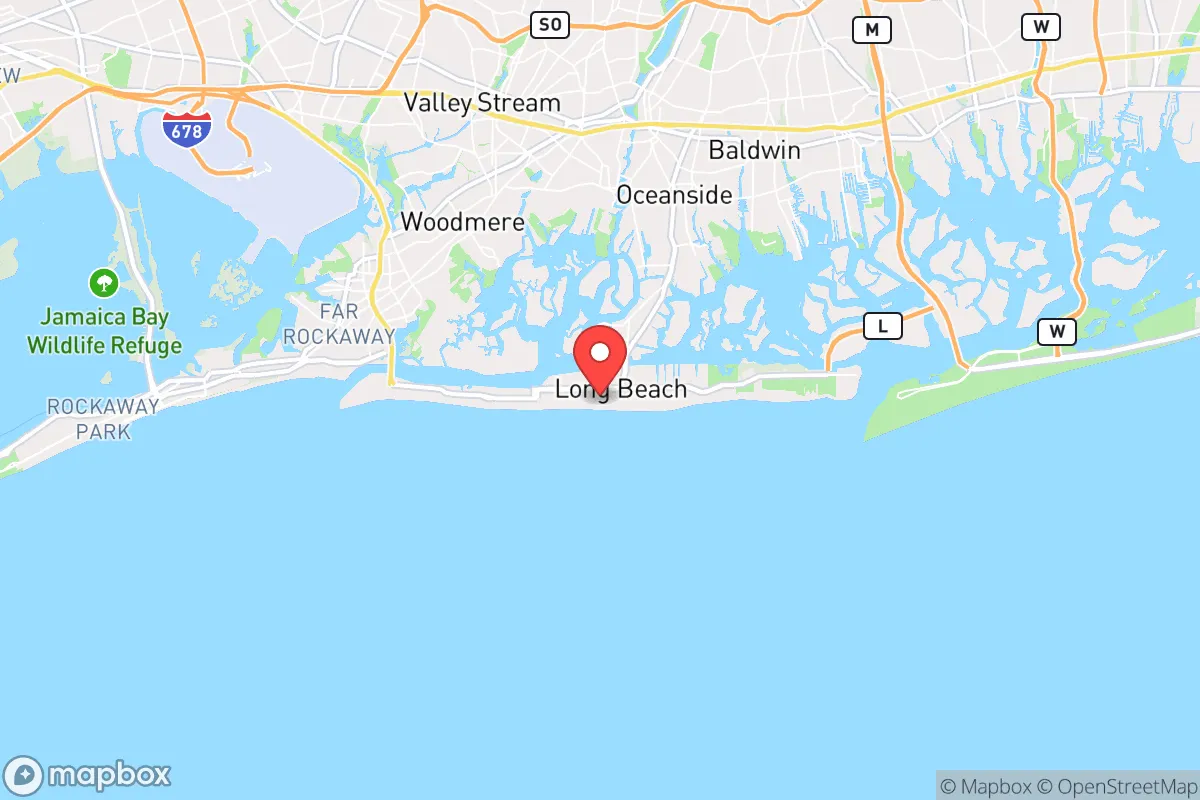
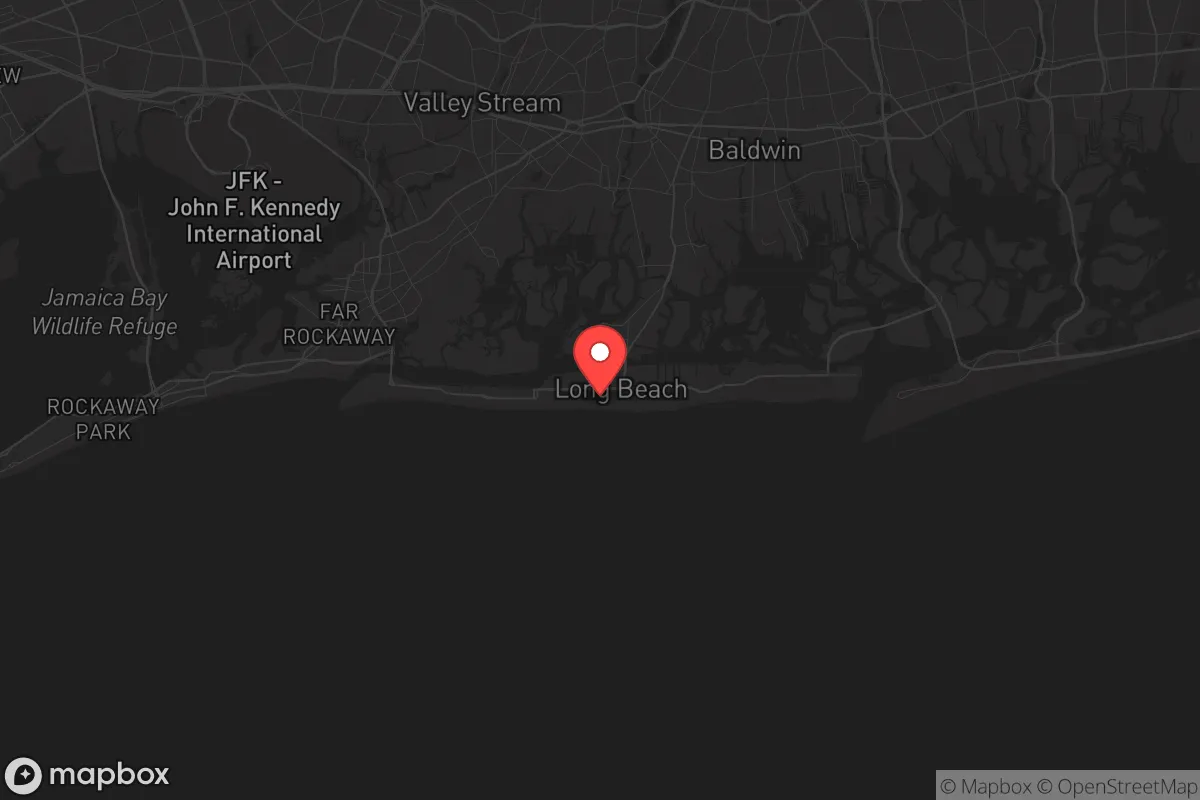
Photo: Wikipedia
Quality of Life in Long Beach, NY
A high quality of life with strong walkability, manageable living costs, healthy neighborhood signals, and solid amenity access.
What does Quality of Life tell us?
Quality of Life blends cost of living, nearby amenities, socioeconomic signals, and neighborhood character. City-level scores represent the whole municipality; individual neighborhoods can differ.
What does this tell us?
Quality of Life blends cost of living, nearby amenities, socioeconomic signals, and neighborhood character. City-level scores represent the whole municipality; individual neighborhoods can differ.
Cost of Living
116% above national average
The Real Cost of Living in Long Beach, NY for 2026
| Tier | Individual | Family (4) |
|---|---|---|
| Survival | $38k | $71k |
| Comfortable | $129k | $189k |
| Luxury | $192k+ | $297k+ |
| Elite (Top 5%) | $226k+ | $350k+ |
69%
The Area Signal
A metric tracking the socioeconomic signals of the area.
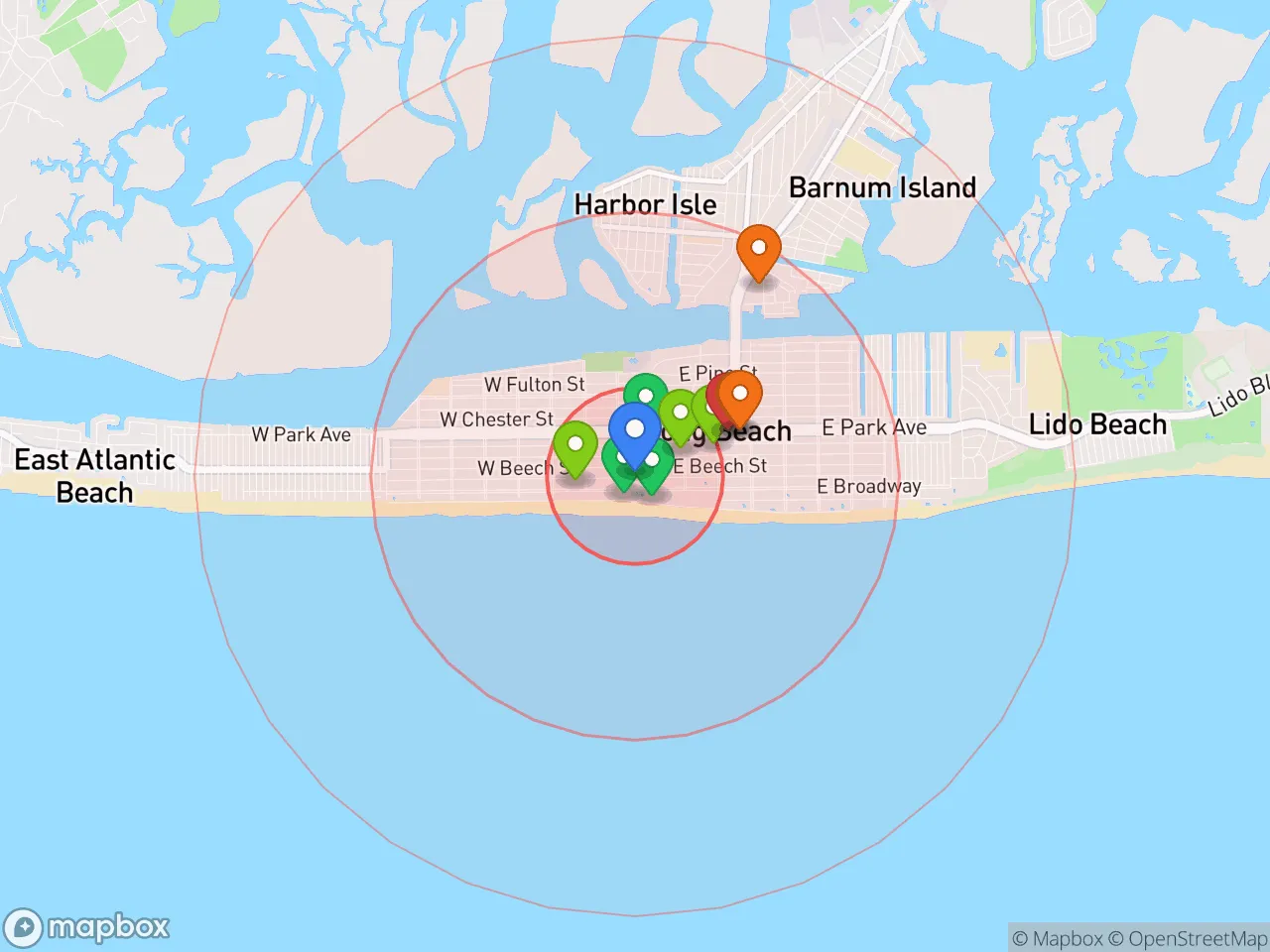
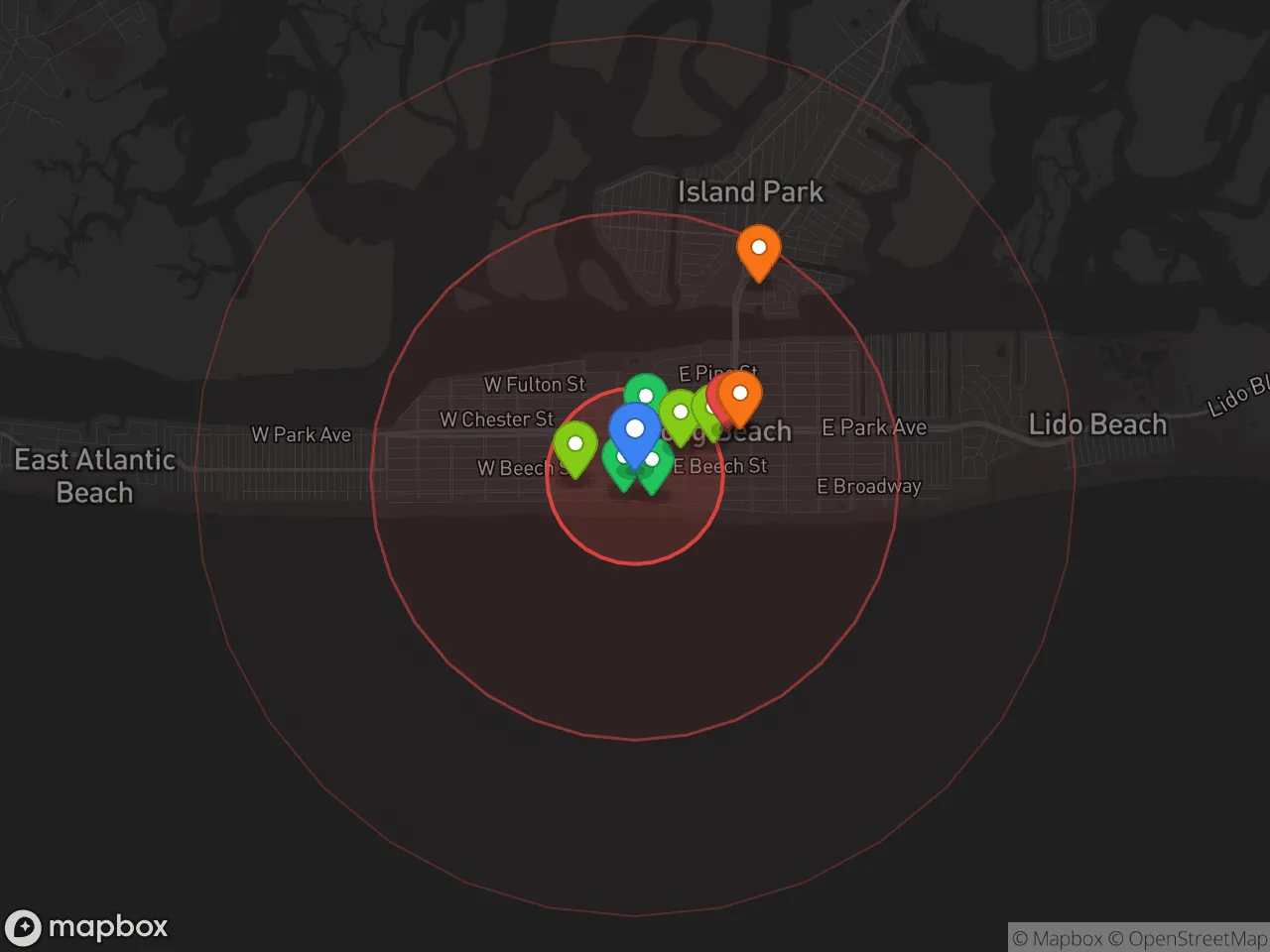
Hobbies
Explore the areaGroceries
5 within 10 miles
Gas
20 within 10 miles
Hospital
20 within 20 miles
Airport
JFK — John F. Kennedy International
Post Office
USPS — Long Beach, NY
Critical Amenities
Quality-of-Life Analysis
Long Beach, New York, is an affluent barrier-island city where the median home value of $661,500 and a cost-of-living index of 216 (more than double the U.S. average) signal a community of professionals, families, and retirees who prioritize oceanfront living and a tight-knit suburban feel over lower expenses. The city’s population skews toward well-educated, higher-income households, many of whom commute to Manhattan or other parts of Nassau County, drawn by the rare combination of a beach-town atmosphere and proximity to New York City’s job market.
Cost of living, housing, and how Long Beach compares to nearby areas
Long Beach’s cost-of-living index of 216 is significantly higher than the national baseline, driven largely by housing costs. The median home value of $661,500 is roughly 50% above the Nassau County median, reflecting the premium for oceanfront and canal-front properties. Median rent sits at $2,377, which, while steep, is comparable to rents in nearby Rockville Centre and slightly below those in the Five Towns. The average commute time of 41.7 minutes—among the longest on Long Island—is a trade-off for living on the barrier island; most residents rely on the Long Island Rail Road’s Long Beach branch, which runs express to Penn Station in about 45 minutes. For those who drive, the Loop Parkway and Atlantic Beach Bridge provide access to the mainland, though congestion is common during summer weekends. Property taxes in Long Beach are high, typical of Nassau County, but the city offers a partial tax exemption for primary residences, which can offset some of the burden for year-round homeowners.
Amenities, schools, and what daily life is like for families
Daily life in Long Beach revolves around the boardwalk, the 2.5-mile ocean beach, and a walkable downtown centered on Park Avenue and West Beech Street. The Long Beach School District serves roughly 3,000 students across six elementary schools, one middle school, and Long Beach High School, which consistently ranks among the top 15% of New York high schools by U.S. News & World Report. The district offers a strong special education program and a robust arts curriculum, though class sizes can exceed 25 students in some grades. For recreation, residents have access to the Long Beach Recreation Center, multiple parks, and the city’s own marina. The restaurant scene is notably diverse for a city of 33,000, with a concentration of seafood spots, Italian trattorias, and casual gastropubs along Park Avenue. The city also hosts a weekly farmers market from June through November and a popular summer concert series on the boardwalk. Crime rates are low relative to the national average, with property crime roughly 30% below the U.S. norm, though petty theft from cars near the beach can spike during tourist season.
Long Beach is best suited for professionals who can absorb the high cost of living in exchange for a walkable beach lifestyle, families who prioritize strong public schools and a safe environment, and retirees who want an active coastal community without the isolation of the Hamptons. The long commute and premium housing costs will deter budget-conscious buyers, but for those who value ocean proximity, a vibrant downtown, and a direct train to Manhattan, Long Beach offers a quality of life that few other New York suburbs can match.

Crime in Long Beach, NY
Generally safer than 56% of comparable U.S. locations.
Violent CrimeViolent Crime Analysis
Property CrimeProperty Crime Analysis
Crime Analysis
Long Beach, New York, presents a mixed safety profile for prospective residents. The city’s violent crime rate of 331.5 incidents per 100,000 residents is notably higher than the national average, while its property crime rate of 1,323.4 per 100,000 also exceeds typical benchmarks for communities of its size. These figures place Long Beach in a cautionary category for those prioritizing personal and property security.
Crime in context
When compared to state and national averages, Long Beach’s crime statistics warrant careful consideration. The violent crime rate is roughly 10% above the national average and significantly higher than the New York State average, which benefits from the low-crime profile of upstate rural areas. Property crime in Long Beach runs approximately 25% above the national rate, driven largely by larceny and vehicle theft. These numbers reflect a broader trend seen in many dense, transit-connected suburbs within the New York metropolitan area, where population density and proximity to urban centers correlate with elevated crime exposure.
What residents experience
Daily life in Long Beach involves a heightened awareness of opportunistic crime. Residents commonly report package thefts, bicycle thefts, and vehicle break-ins, particularly in areas near the boardwalk and train station. Violent incidents, while less frequent, do occur and are often concentrated in specific blocks rather than spread evenly across the city. The local police department maintains a visible presence, but response times and enforcement effectiveness can vary. A significant concern for many residents is the influence of progressive criminal justice policies in Nassau County and the broader New York legal system. Liberal-leaning district attorneys and judges in the region have adopted policies that prioritize diversion and reduced incarceration for property and non-violent offenses. While intended to reduce recidivism, these approaches have been criticized for returning repeat offenders to the streets quickly, undermining deterrence, and leaving victims with a sense that the justice system prioritizes offender rehabilitation over public safety and accountability.
Neighborhood-level variation is notable. The West End, closer to the Atlantic Beach border, generally sees lower crime rates than the East End near the Long Beach Bridge and the more transient areas around the Long Island Rail Road terminal. The central business district along Park Avenue experiences higher rates of petty theft and disorder, particularly during summer months when tourism peaks. Prospective renters and buyers should examine block-level crime maps and consider that progressive judicial policies in the region create a structural risk that may not be fully captured by annual crime statistics alone.
* Values derived from national, state, county, city and local statistics and may differ in a specific area. Last updated: 2026-05-01T06:12:36.000Z
Narrative content on this page is AI-generated and may contain mistakes. Verify any details that matter before acting on them.
ReloMaps may earn a commission from affiliate links at no extra cost to you.

