 Popular
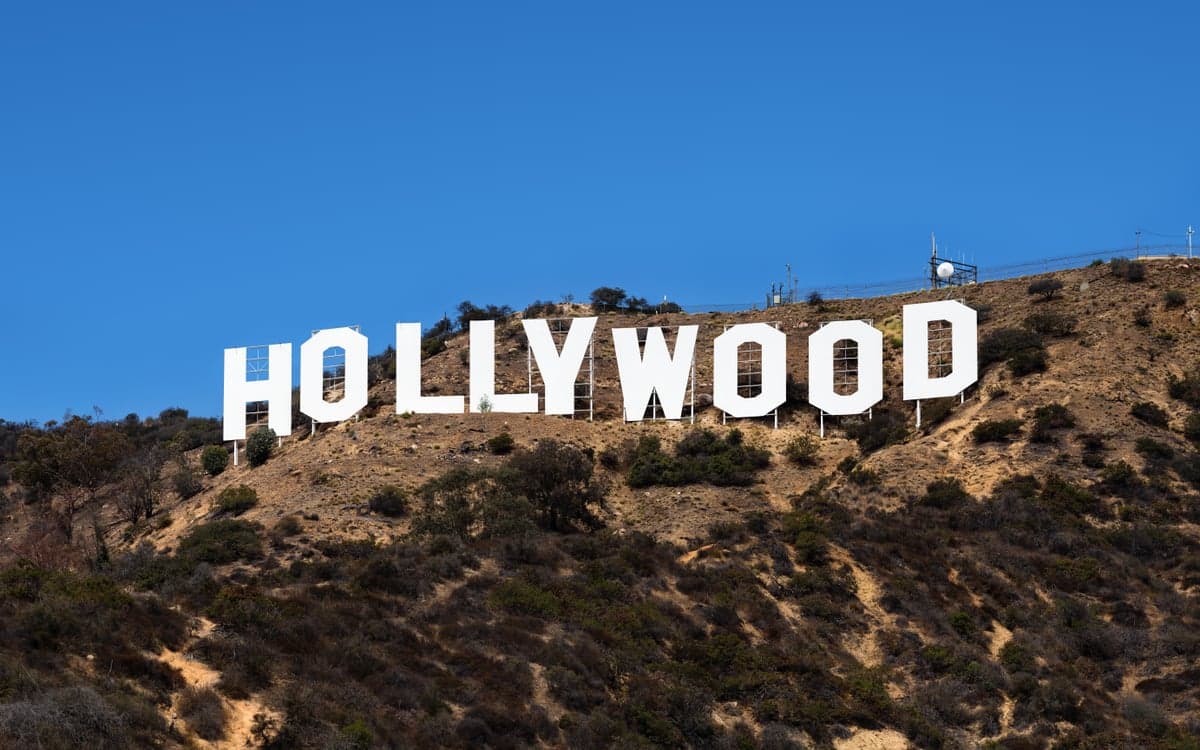
Photo: Wikipedia
Personal Sovereignty in Los Angeles, CA
Moderate friction. Expect trade-offs in some aspect of personal liberty and independence.
What does Personal Sovereignty tell us?
Personal Sovereignty measures your capacity for self-reliance and independence with minimal government friction. Higher scores mean fewer barriers between you and the way you want to live... but it assumes you have the space you need and good neighbors.
What does this tell us?
Personal Sovereignty measures your capacity for self-reliance and independence with minimal government friction. Higher scores mean fewer barriers between you and the way you want to live... but it assumes you have the space you need and good neighbors.
State Policy
Energy independence: Importer (33% of energy produced in-state)
Personal Liberty
Homesteading

Personal Liberty Analysis
For a survivalist or prepper evaluating personal sovereignty, Los Angeles presents a uniquely challenging environment where state and local authority systematically erode individual autonomy. The city operates under California’s expansive regulatory framework, which prioritizes collective outcomes over personal discretion in nearly every domain—from what you can own to how you can defend your family. While the climate and economic opportunities draw millions, the trade-off is a dense web of mandates, taxes, and restrictions that make self-reliance a constant uphill battle. For those who value the ability to make independent decisions without government permission, Los Angeles ranks among the most sovereignty-hostile major cities in the United States.
Tax burden and regulatory posture: how California’s system limits financial autonomy
California’s tax structure is a primary obstacle to personal sovereignty, and Los Angeles sits at the center of it. The state imposes the highest marginal income tax rate in the nation at 13.3%, which kicks in at relatively modest income levels. Combined with Los Angeles County’s sales tax of 10.25% (one of the highest in the country) and property taxes that, while capped by Prop 13, still average around 0.77% of assessed value, the cumulative burden leaves less capital for personal preparedness. The regulatory posture is equally aggressive: California’s California Environmental Quality Act (CEQA) can be weaponized to delay or block any construction project, including personal homestead improvements like rainwater catchment systems or solar panel installations. Permitting for even minor modifications—such as building a shed or installing a backup generator—can require months of approvals and thousands in fees. For the prepper, this means every step toward self-sufficiency is subject to bureaucratic oversight, undermining the principle that a person’s property is their own domain.
Self-defense and gun law specifics: what you can and cannot do in Los Angeles
Los Angeles operates under some of the strictest firearm regulations in the country, directly impacting the ability to defend oneself and one’s family. California’s roster of approved handguns limits what you can purchase, and the state’s 10-round magazine capacity limit applies statewide, with no grandfathering for pre-ban magazines. Los Angeles County goes further: the city of Los Angeles requires a 10-day waiting period for all firearm purchases (already state law) and mandates that all handgun sales be processed through a licensed dealer, effectively banning private transfers. Carrying a concealed weapon is a privilege, not a right, under California’s “may-issue” framework—though a 2024 federal court ruling (Bruen-related) has pressured the county to issue permits more liberally, the process remains costly, time-consuming, and subject to local sheriff discretion. Open carry is illegal in incorporated areas. For the survivalist, this means that in a crisis, your ability to protect your home or bug-out location is severely constrained by law. Self-defense ammunition types like hollow points are legal, but the state’s strict liability laws mean any defensive use of force will face intense legal scrutiny, often with a presumption against the shooter.
Self-reliance and homesteading viability: lot sizes, zoning, and off-grid feasibility
True homesteading within Los Angeles city limits is nearly impossible due to extreme density and zoning restrictions. The typical single-family lot in the city is around 5,000 to 7,000 square feet, with many neighborhoods zoned for minimum lot sizes of 5,000 square feet or less. Raising livestock is heavily restricted: chickens are allowed in most residential zones but with strict coop setbacks and a limit of two hens per parcel in many areas (no roosters). Goats, pigs, and larger animals are prohibited in all but agricultural zones, which are rare within the city. Off-grid living is effectively illegal—Los Angeles requires connection to the municipal water and sewer system for any habitable structure. Solar panels are permitted but must be grid-tied; battery storage is allowed but subject to fire code inspections. Rainwater harvesting is legal but limited to 500 gallons of storage without a permit, and any system must comply with county health codes. For the prepper seeking to reduce dependency on supply chains, the urban environment offers little room for food production, water independence, or energy autonomy. The surrounding mountains and desert offer more space, but commuting to a remote property while maintaining a city job is logistically challenging.
Personal liberties: parental rights, medical autonomy, speech, and property
California law consistently prioritizes state authority over parental rights, medical choice, and property control. In education, the state mandates comprehensive sex education starting in 7th grade, and parents cannot opt their children out of LGBTQ+ inclusive curriculum—a point of contention for those who believe such decisions belong to the family. Medical autonomy is similarly constrained: California has some of the strictest vaccine mandates in the country, including for school attendance, and during public health emergencies, the governor holds broad powers to compel treatment or isolation. On speech, while the First Amendment technically applies, Los Angeles has enacted ordinances that restrict certain types of public expression—such as amplified sound permits for protests and strict time-place-manner rules for demonstrations. Property rights are heavily circumscribed by rent control (the city’s Rent Stabilization Ordinance covers units built before 1978), which limits what landlords can charge and how they can evict tenants. For the property owner, this means your investment is subject to government price controls. For the parent, it means your authority over your child’s education and healthcare is secondary to state mandates.
In the broader context of American cities, Los Angeles represents an extreme case of diminished personal sovereignty. Compared to states like Texas, Idaho, or Montana, where property rights are stronger, gun laws are permissive, and tax burdens are lower, Los Angeles demands that residents accept a fundamentally different relationship with government—one where permission is required for many aspects of daily life. For the survivalist or prepper who values the ability to act independently in defense of family and property, this city is a place to operate within constraints, not to build long-term autonomy. If you must live here, the strategy is to minimize exposure: keep a low profile, maintain legal compliance, and consider a secondary property in a more sovereignty-friendly jurisdiction as a hedge against the inevitable tightening of controls.

* Values derived from national, state, county, city and local statistics and may differ in a specific area. Last updated: 2026-04-15T19:25:49.000Z
Narrative content on this page is AI-generated and may contain mistakes. Verify any details that matter before acting on them.
ReloMaps may earn a commission from affiliate links at no extra cost to you.

