 Popular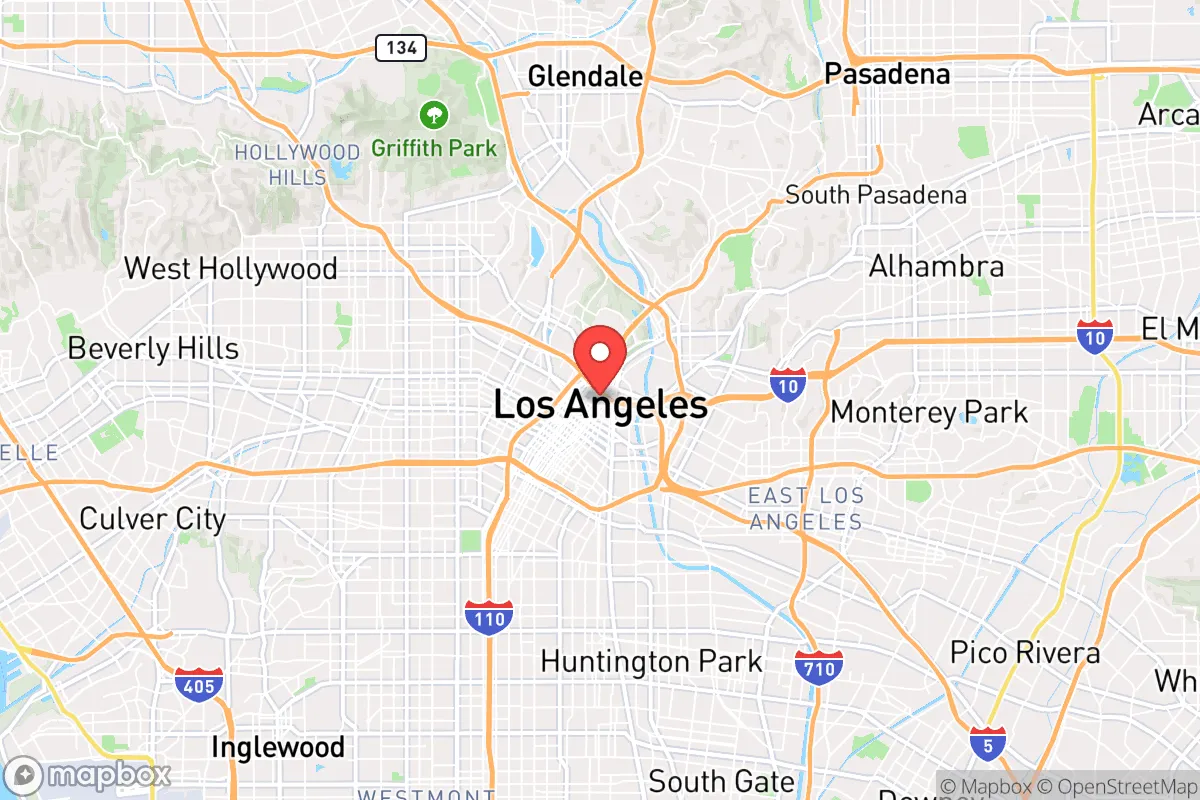
Photo: Wikipedia
Quality of Life in Los Angeles, CA
Above-average quality of iife. The area offers a reasonable cost of living, decent mobility, and a mix of neighborhood amenities.
What does Quality of Life tell us?
Quality of Life blends cost of living, nearby amenities, socioeconomic signals, and neighborhood character. City-level scores represent the whole municipality; individual neighborhoods can differ.
What does this tell us?
Quality of Life blends cost of living, nearby amenities, socioeconomic signals, and neighborhood character. City-level scores represent the whole municipality; individual neighborhoods can differ.
Cost of Living
122% above national average
The Real Cost of Living in Los Angeles, CA for 2026
| Tier | Individual | Family (4) |
|---|---|---|
| Survival | $30k | $56k |
| Comfortable | $127k | $187k |
| Luxury | $145k+ | $225k+ |
| Elite (Top 5%) | $219k+ | $340k+ |
43%
The Area Signal
A metric tracking the socioeconomic signals of the area.


Hobbies
Explore the areaGroceries
3 within 10 miles
Gas
0 within 10 miles
Hospital
3 within 20 miles
Airport
LAX — Los Angeles International
Post Office
USPS — City of Industry, CA
Critical Amenities
Quality-of-Life Analysis
Los Angeles, California, presents a quality of life defined by stark contrasts: immense cultural and economic opportunity alongside some of the highest costs in the nation. With a cost of living index of 222 (more than double the U.S. average), the city attracts a diverse mix of entertainment industry professionals, tech entrepreneurs, academics, and service workers, all drawn by its unique blend of creative energy, coastal geography, and global influence. The city’s affluence is concentrated in neighborhoods like Beverly Hills, Santa Monica, and Brentwood, but the broader metropolitan area includes a wide spectrum of incomes and lifestyles.
Cost of living, housing affordability, and how LA compares to nearby areas
Los Angeles’s cost of living is among the highest in the country, driven overwhelmingly by housing. The median home value sits at $879,500, while the median rent is $1,879—though rents for newer or larger units in desirable neighborhoods routinely exceed $3,000. Compared to nearby areas, LA is more expensive than inland cities like Riverside or San Bernardino (where median home values are roughly $550,000–$600,000), but slightly less expensive than San Francisco’s median home value of over $1.3 million. The average commute of 31.1 minutes reflects the region’s notorious traffic; many workers endure longer drives from more affordable suburbs like the San Fernando Valley or Orange County. For renters, the median rent-to-income ratio is high, often exceeding 30% of household income, making affordability a primary concern for new arrivals.
Amenities, schools, and what daily life is like for families and professionals
Daily life in Los Angeles is shaped by its sprawling geography and car-dependent infrastructure. The city offers world-class amenities: over 400 museums (including the Getty Center and LACMA), professional sports teams (Lakers, Dodgers, Rams), and a dining scene that rivals any global city. For families, public school quality varies dramatically by district—the Los Angeles Unified School District (LAUSD) serves over 600,000 students, with top-performing magnet and charter schools like Granada Hills Charter High School and Los Angeles Center for Enriched Studies offering competitive alternatives to private schools. The city’s 75 miles of coastline provide beaches, bike paths, and outdoor recreation, while Griffith Park and the Santa Monica Mountains offer hiking within city limits. The rhythm of life is fast-paced and fragmented; many residents spend weekends at farmers’ markets, outdoor concerts, or neighborhood festivals, but the commute and cost often limit spontaneous socializing.
Los Angeles is best suited for individuals and families who prioritize career opportunities in entertainment, technology, or creative fields, and who can absorb the high housing costs. Professionals with remote or hybrid work arrangements may find the commute more manageable, while families should carefully research school zones and consider neighborhoods like Sherman Oaks, Pasadena, or Culver City for better public schools and community feel. Those seeking a slower, more affordable lifestyle may struggle here; however, for people drawn to cultural diversity, year-round mild weather, and the chance to build a career in a global hub, Los Angeles offers an unmatched quality of life despite its financial demands.

Crime in Los Angeles, CA
WARNING: The crime statistics are unreliable for this jurisdiction. Local authorities have either not reported or under reported their data to the FBI. This could be due to bad intentions, incompetence or technical issues. Regardless, we suggest skepticism.
Significantly higher crime rates than 82% of comparable U.S. locations.
Violent CrimeViolent Crime Analysis
Property CrimeProperty Crime Analysis
Crime Analysis
Los Angeles faces a serious public safety challenge, with crime rates significantly exceeding both state and national averages. The city's violent crime rate stands at 667.8 incidents per 100,000 residents, while property crime occurs at a rate of 2,247.9 per 100,000. These figures place Los Angeles among the most dangerous large cities in the United States, a reality shaped in part by the progressive policies of local elected officials and the Los Angeles County District Attorney's office.
Crime in context
Los Angeles's violent crime rate is roughly 80% higher than the national average and significantly above the California state average. Property crime in the city is also elevated, running about 50% above the national benchmark. These numbers reflect a broader trend seen across many large, liberal-leaning metro areas where district attorneys and judges have adopted policies that prioritize reduced incarceration and lenient sentencing. In Los Angeles County, District Attorney George Gascón's office has implemented directives that limit charging enhancements, reduce sentences for certain felonies, and emphasize diversion programs over prosecution. Critics argue these policies have directly contributed to a revolving-door justice system, where repeat offenders are quickly returned to the streets, eroding deterrence and emboldening criminal activity.
What residents experience
For Angelenos, the elevated crime statistics translate into tangible daily concerns. Property crime, particularly vehicle break-ins, catalytic converter thefts, and package theft, is a near-constant nuisance in many neighborhoods. Organized retail theft rings have become a prominent issue, with brazen smash-and-grab robberies at high-end stores in areas like Beverly Grove and The Grove shopping center making national headlines. On the violent crime side, homicides and aggravated assaults remain concentrated in specific areas, but the overall sense of security has diminished citywide. Many residents report feeling unsafe using public transit, walking alone at night, or even leaving belongings in their cars for short periods. The perception of lawlessness is amplified by visible homelessness and open-air drug use in places like Skid Row, Venice Beach, and parts of Hollywood.
Neighborhood-level variation is stark. Safer, wealthier enclaves like Brentwood, Pacific Palisades, and Sherman Oaks generally experience lower violent crime rates but are not immune to property crime. In contrast, neighborhoods such as South Los Angeles, Watts, and parts of the San Fernando Valley (e.g., Pacoima) contend with much higher rates of violent crime, including gang-related shootings. Even in relatively safe areas, the prevalence of property crime and the perceived lack of consequences for offenders remain a top concern for residents and a key factor in relocation decisions. Anyone considering a move to Los Angeles should thoroughly research crime data at the neighborhood and even block level, and factor in the impact of local prosecutorial policies on long-term safety trends.
* Values derived from national, state, county, city and local statistics and may differ in a specific area. Last updated: 2026-04-15T19:25:49.000Z
Narrative content on this page is AI-generated and may contain mistakes. Verify any details that matter before acting on them.
ReloMaps may earn a commission from affiliate links at no extra cost to you.

