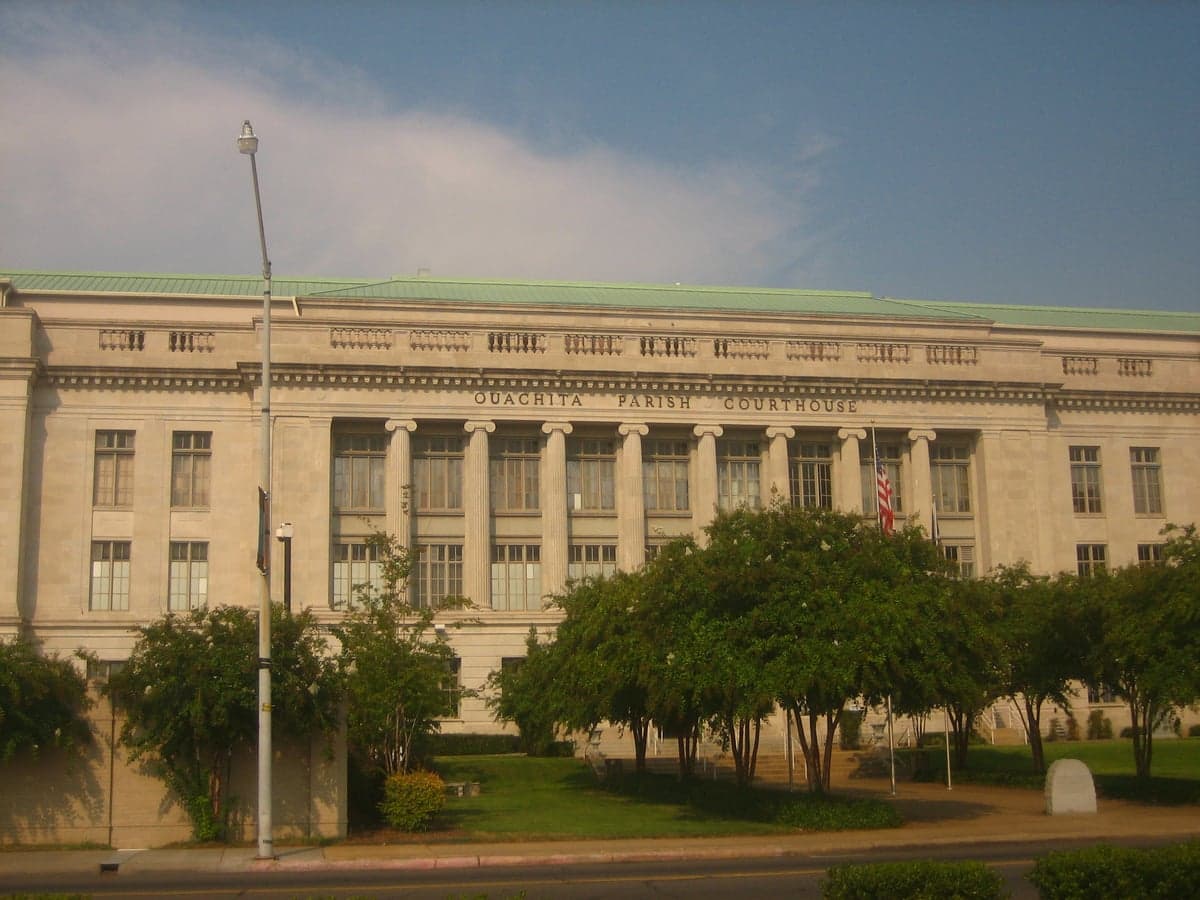
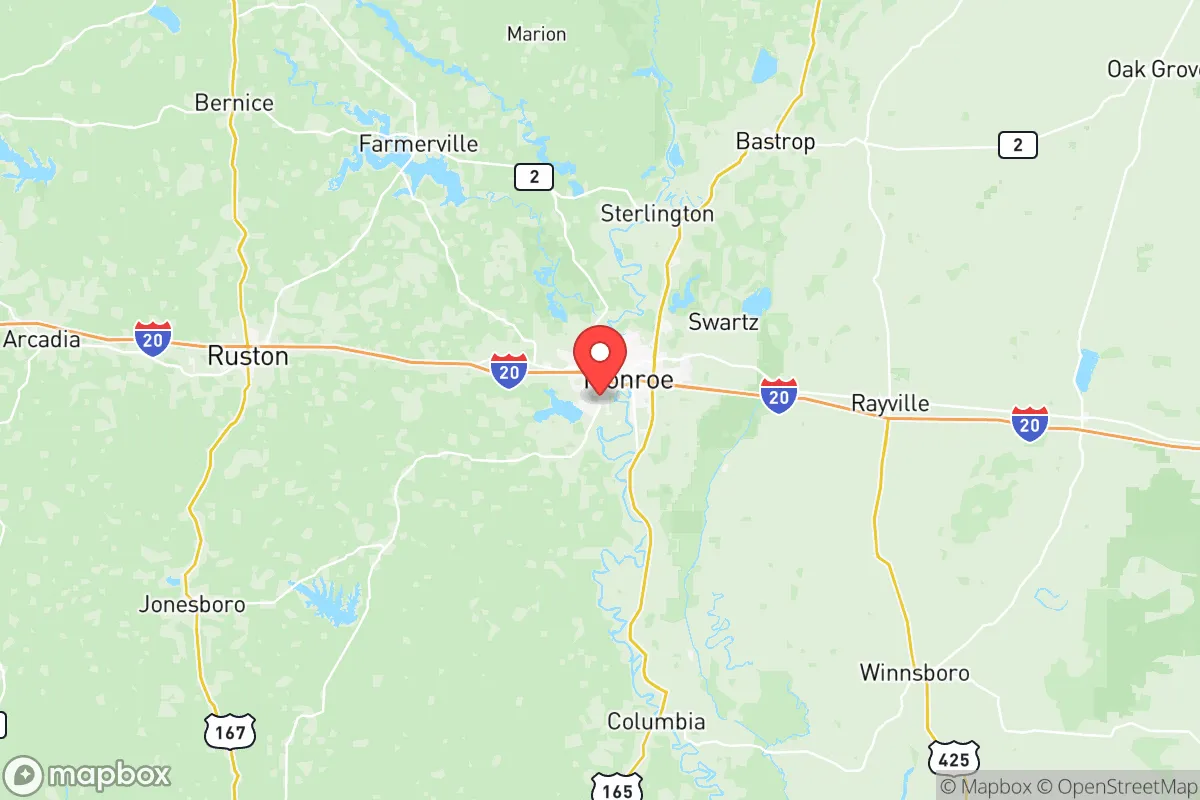
Photo: Wikipedia
Quality of Life in Ouachita County
A livable area that tracks near national norms for affordability, walkability, and neighborhood health.
What does Quality of Life tell us?
Quality of Life measures an area by evaluating factors like cost of living, nearby amenities, country club access, airport proximity, socioeconomic signals and neighborhood character. For large states, this is a general average — quality of life can vary dramatically between metro areas, suburbs, and rural communities within the same state.
What does this tell us?
Quality of Life measures an area by evaluating factors like cost of living, nearby amenities, country club access, airport proximity, socioeconomic signals and neighborhood character. For large states, this is a general average — quality of life can vary dramatically between metro areas, suburbs, and rural communities within the same state.
Cost of Living
26% below national average
98%
The Real Cost of Living in Ouachita County for 2026
| Tier | Individual | Family (4) |
|---|---|---|
| Survival | $15k | $28k |
| Comfortable | $36k | $52k |
| Luxury | $93k+ | $143k+ |
| Elite (Top 5%) | $135k+ | $209k+ |
Quality-of-Life Analysis
Ouachita County, Louisiana, offers a broad quality-of-life spectrum that ranges from the urban amenities of Monroe and West Monroe to the quiet, rural character of smaller communities like Swartz, Claiborne, and Calhoun. The county's overall cost of living index of 74 (well below the U.S. average of 100) and a median home value of $183,000 make it accessible to a wide range of residents, from young professionals and families seeking suburban conveniences to retirees and outdoor enthusiasts drawn to slower-paced, countryside living. The average commute of just over 22 minutes means that even those living in more remote pockets can reach the county's employment and shopping hubs without a lengthy drive.
Largest town(s) & population centers
The twin cities of Monroe (population roughly 47,000) and West Monroe (population roughly 12,000) form the economic and cultural heart of Ouachita County. Monroe is home to the University of Louisiana at Monroe (ULM), the region's largest employer, along with major healthcare providers like St. Francis Medical Center and Glenwood Regional Medical Center. Daily life here includes access to the Monroe Civic Center, the Biedenharn Museum and Gardens, and a variety of dining and retail options along Louisville Avenue and Thomas Road. West Monroe, just across the Ouachita River, offers a more compact downtown feel with the Duck Commander headquarters and the West Monroe Convention Center. Median rent in the county sits at $923, with Monroe's rental market generally falling near that figure, while homebuyers in the city limits often find properties priced slightly above the county median of $183,000, particularly in established neighborhoods like Forsythe Park or Kiroli Park areas. The population centers provide the most robust job market, public transit via the Monroe Transit System, and the widest array of schools, including Ouachita Parish High School and Neville High School.
Smaller towns & rural pockets
Outside the Monroe-West Monroe core, the county's character shifts markedly. Swartz, located northeast of Monroe along U.S. 165, is a census-designated place (CDP) with a population around 4,500, offering a suburban-rural blend with larger lots and a quieter atmosphere, yet still within a 15-minute drive to downtown Monroe. Claiborne, a small community near the Ouachita River, is known for its historic Claiborne United Methodist Church and a handful of local businesses, with most residents commuting to Monroe for work. Calhoun, situated along LA-15, is a rural crossroads community with a population under 1,000, where homes often sit on acreage and the median home value can dip below $150,000, reflecting the lower end of the county's cost spectrum. Other unincorporated areas like Bawcomville and Luna offer even more secluded living, with limited services but direct access to hunting, fishing, and the Ouachita National Forest's southern edge. These smaller towns and rural pockets are where the county's low cost of living is most pronounced, with some properties available for under $100,000, though residents typically rely on personal vehicles for all errands and school commutes.
Cost & lifestyle range
The cost of living in Ouachita County varies noticeably between its urban core and its rural periphery. In Monroe and West Monroe, median home values hover around the county average of $183,000, with newer subdivisions in the Sterlington area (just north of Monroe) pushing toward $250,000 for larger homes. Renters in these population centers pay close to the county median of $923, with apartments near ULM or the I-20 corridor commanding slightly higher rates. At the opposite end, rural communities like Calhoun and Bawcomville offer median home values often below $150,000, and rental options are scarce but can fall under $700 for older homes or mobile homes on land. The lifestyle trade-off is clear: urban residents enjoy walkable neighborhoods, proximity to the Monroe Regional Airport, and cultural amenities like the Masur Museum of Art, while rural dwellers gain privacy, lower property taxes, and immediate access to outdoor recreation along the Ouachita River and Bayou DeSiard. The average commute of 22 minutes means that even those in the most rural parts of the county can reach Monroe's employment centers in under 30 minutes, making the rural option viable for workers who prioritize space over convenience.
Ouachita County best suits individuals and families who want the economic and cultural benefits of a mid-sized Southern city without the high costs of larger metros. Young professionals and students thrive in Monroe's ULM-anchored environment, while families and retirees often prefer the quieter, more affordable rural pockets like Swartz or Calhoun. The county's low cost of living, combined with its range of housing options and manageable commute times, makes it a practical choice for those seeking a balanced lifestyle in north Louisiana.

Crime in Ouachita County
Crime rates similar to the national median for U.S. locations.
Violent CrimeViolent Crime Analysis
Property CrimeProperty Crime Analysis
Crime Analysis
Ouachita County, anchored by the city of Monroe, presents a mixed safety picture that requires careful examination by potential residents. The county's violent crime rate of 361.2 incidents per 100,000 residents and property crime rate of 1,445.5 per 100,000 place it above national averages, though significant variation exists between the urban core of Monroe and the surrounding smaller communities. Understanding where these crimes concentrate and how local law enforcement and judicial policies respond is essential for anyone evaluating relocation to this northeastern Louisiana region.
Crime in context
Ouachita County's violent crime rate exceeds the national average of roughly 380 per 100,000 by a narrow margin but sits notably higher than the Louisiana state average of approximately 540 per 100,000. Property crime in the county runs well above the national benchmark of about 1,950 per 100,000, though it aligns closely with other mid-sized Louisiana parishes. The city of Monroe, which accounts for roughly half the county's population, drives a disproportionate share of these statistics. By contrast, the towns of West Monroe and Sterlington report substantially lower crime rates, with Sterlington's violent crime rate estimated at roughly half the county average. The unincorporated communities of Claiborne and Luna see even fewer incidents, though data for these smaller areas is less consistently reported. The Fourth Judicial District Court, which covers Ouachita and Morehouse parishes, has seen a shift toward more progressive judicial philosophies in recent years, with some observers noting that lenient sentencing patterns in Monroe's city court have contributed to repeat offenses among property crime offenders.
What residents experience
Property crime dominates the daily safety concerns for most Ouachita County residents. Vehicle burglaries, package thefts, and residential break-ins are the most frequently reported incidents, particularly in neighborhoods near the University of Louisiana at Monroe and along the I-20 corridor. Violent crime, while less common, tends to concentrate in specific Monroe neighborhoods such as the Garden District and areas around Desiard Street, where drug-related disputes and domestic violence account for a majority of aggravated assaults. The Monroe Police Department has implemented a data-driven policing strategy since 2023, focusing patrols on the 15-block area around the intersection of US-165 and LA-594, which historically accounts for nearly 30% of the city's violent calls. Residents in West Monroe report feeling safer overall, with the West Monroe Police Department maintaining a community policing model that emphasizes neighborhood watch programs and regular business liaison visits. The Ouachita Parish Sheriff's Office covers the unincorporated areas, where response times average 12-15 minutes compared to 6-8 minutes within city limits.
Neighborhood-level variation and judicial climate
The safety landscape across Ouachita County is not uniform. The most significant divide exists between Monroe's urban core and the outlying towns. Sterlington, a town of roughly 1,700 residents in the northern part of the parish, consistently reports the lowest crime rates in the county, with violent crime nearly absent and property crime limited to occasional theft from vehicles. Claiborne, a small community east of Monroe, benefits from its rural character and strong neighborhood cohesion, though its proximity to the Ouachita River makes it vulnerable to occasional drug trafficking activity. The progressive-leaning policies of the Monroe City Court, which handles misdemeanor cases, have drawn criticism from local law enforcement for what they describe as revolving-door justice for repeat property offenders. In contrast, the Ouachita Parish District Attorney's office maintains a more traditional approach to felony prosecutions, with conviction rates above 85% for violent crimes. Prospective residents should research specific neighborhoods within Monroe, particularly the areas south of LA-594 and east of I-20, where crime rates are notably lower than the city average. The communities of Bawcomville and Swampers offer affordable housing with moderate safety profiles, though both lack the comprehensive police coverage found in Monroe proper.
* Values derived from national, state, county, city and local statistics and may differ in a specific area. Last updated: 2026-05-28T04:05:08.000Z
Narrative content on this page is AI-generated and may contain mistakes. Verify any details that matter before acting on them.
ReloMaps may earn a commission from affiliate links at no extra cost to you.

