
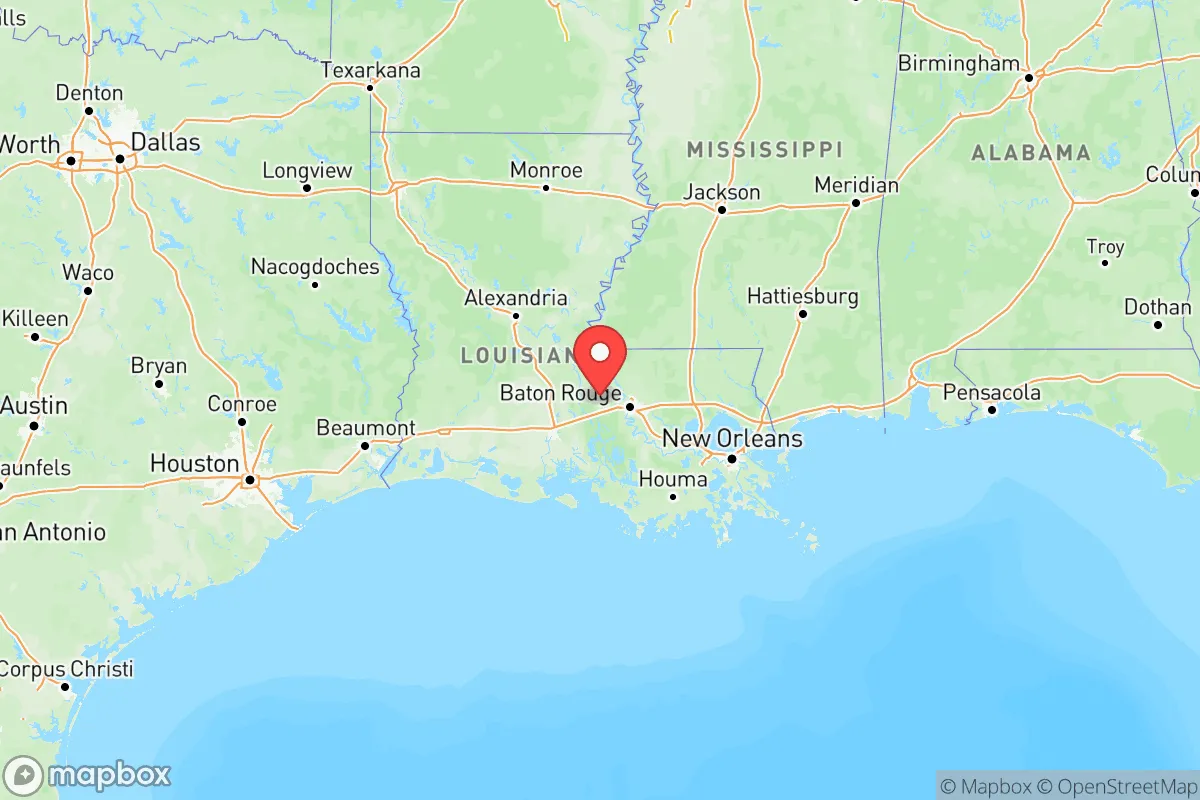
Photo: Wikipedia
Demographics of Louisiana
Affluence Level in Louisiana
A middle-class area roughly in line with national averages across income, home values, education, and employment.
People of Louisiana
The people of Louisiana today number 4,6 million, a population shaped by a deep and layered history of migration, displacement, and cultural fusion. The state is notably less foreign-born than the national average at just 2.8%, yet its demographic character is defined by a substantial Black population of 30.8%, a growing Hispanic community at 6.9%, and a white majority of 56.2%. This is a place where the legacy of French and Spanish colonization, the forced migration of enslaved Africans, and later waves of European and domestic migrants have created a distinct, often insular, cultural identity that remains powerfully rooted in specific regions and cities.
Settlement & growth (pre-1960)
Long before European contact, Louisiana was home to a dense network of Native American nations, including the Caddo in the northwest, the Houma and Chitimacha in the south, and the Natchez along the Mississippi River. These groups built complex societies with mound-building traditions and extensive trade routes. French explorers, led by René-Robert Cavelier, Sieur de La Salle, claimed the region in 1682, and the first permanent French settlement was established at Fort Maurepas (near present-day Ocean Springs, Mississippi) in 1699, followed by the founding of New Orleans in 1718. The French colonial period saw the importation of enslaved Africans to work on indigo and later sugar plantations, a system that would define the state's economy and demographics for centuries. Spain took control of Louisiana from 1763 to 1800, but the French-speaking population remained dominant, and the Spanish period saw the arrival of Acadian exiles (Cajuns) who settled in the rural bayous of south Louisiana, particularly around Lafayette and Houma.
The Louisiana Purchase of 1803 brought the territory under American control, and the 19th century saw a massive influx of Anglo-American settlers from the Upper South, who pushed into the northern and central parts of the state, establishing cotton plantations and a slave-based economy. This created a sharp cultural and political divide between Protestant, English-speaking north Louisiana and Catholic, French-speaking south Louisiana. The port of New Orleans became a major hub for the domestic slave trade, and by 1860, enslaved people made up nearly half of the state's population. After the Civil War and Reconstruction, the system of sharecropping and Jim Crow laws locked most Black Louisianans into poverty and political disenfranchisement, a system that persisted well into the 20th century.
The early 20th century brought new waves of European immigration, though on a smaller scale than in the industrial North. Italians, particularly Sicilians, arrived in significant numbers between 1880 and 1920, settling in New Orleans (especially the French Quarter and the Lower Garden District) and in the sugar parishes of Lafourche and Terrebonne. They worked as dockworkers, farmers, and small business owners, and faced considerable discrimination before assimilating. German immigrants also established communities in New Orleans and along the Mississippi River, while Irish immigrants came to work on the railroads and in the port. The discovery of oil and gas in the early 20th century, particularly in the Lafayette and Lake Charles areas, created a new economic engine and drew domestic migrants from Texas and other southern states. The Great Migration of Black Americans out of the rural South to northern cities began during World War I and accelerated through the 1940s, reducing Louisiana's Black population share but also reshaping the state's political landscape.
Modern era (post-1965)
The 1965 Hart-Cellar Act had a relatively muted direct effect on Louisiana compared to states like Texas or California, but it did open the door for new immigrant communities. The most significant post-1965 immigrant group has been Vietnamese refugees, who began arriving after the fall of Saigon in 1975. Many were sponsored by Catholic churches and settled in New Orleans East, where they established a thriving commercial corridor along Alcee Fortier Boulevard, and in the Gulf Coast fishing communities of Grand Isle and Houma, where they revitalized the shrimping industry. Today, East and Southeast Asian communities (1.3% of the state population) are heavily concentrated in the New Orleans metropolitan area, with smaller enclaves in Baton Rouge and Lafayette.
Domestic migration has been the more powerful demographic force since 1965. The decline of the oil industry in the 1980s triggered a significant out-migration of both white and Black residents to Texas and other Sun Belt states. Hurricane Katrina in 2005 was a demographic earthquake: the storm displaced over one million people, and the population of New Orleans fell by more than half, from 484,000 to 230,000. The city has since recovered to about 380,000, but the demographic composition shifted, with a lower proportion of Black residents and an influx of younger, more educated, and more affluent newcomers, many from outside the South. The Hispanic population, while still small at 6.9%, has grown steadily, driven by immigration from Mexico and Central America, as well as domestic migration from Texas and Florida. These communities are concentrated in New Orleans, Baton Rouge, and the Lafayette area, where they work in construction, hospitality, and the petrochemical industry.
Suburbanization has reshaped the state's population geography. The suburbs of Baton Rouge (such as Prairieville and Denham Springs) and New Orleans (such as Metairie and Mandeville) have grown rapidly, attracting families seeking better schools and lower crime rates. The North Shore of Lake Pontchartrain, particularly St. Tammany Parish, has become a major destination for white flight from New Orleans, while the city of New Orleans itself has become more diverse and more expensive.
The future
Louisiana's population is projected to grow slowly, if at all, over the next 20 years, constrained by low birth rates, out-migration of young adults, and the ongoing threat of hurricanes and coastal erosion. The state is becoming slightly more diverse: the white population share is declining gradually, while the Hispanic and Asian shares are rising, albeit from a low base. The Black population share is expected to remain stable or decline slightly, as younger Black Louisianans continue to leave for opportunities in Texas, Georgia, and the Northeast. The Indian subcontinent population (0.4%) is small but growing, concentrated in professional and medical fields in New Orleans and Baton Rouge.
The cultural identity of Louisiana is likely to remain distinct, but it is evolving. The traditional French-speaking Cajun and Creole cultures are in decline, with fewer young people speaking the language, but there is a growing interest in cultural preservation and heritage tourism. The state's political character, long dominated by conservative Democrats and then Republicans, is solidly Republican in most of the state outside of New Orleans and Baton Rouge. The next 10-20 years will likely see continued suburbanization, a slow diversification of the population, and a persistent challenge of retaining young, educated residents in the face of limited economic opportunity and environmental risk.
For someone moving in now, Louisiana offers a place with a powerful sense of history and community, but also one with significant challenges. The state's low cost of living and unique culture are genuine draws, but the slow population growth, high poverty rate, and vulnerability to natural disasters are real considerations. The most dynamic areas are the suburbs of Baton Rouge and the North Shore of New Orleans, where new residents are finding good schools and growing job markets in healthcare and petrochemicals. The state is becoming a more typical Southern state, with its French-Creole distinctiveness slowly fading, but it remains a place unlike any other in the United States.

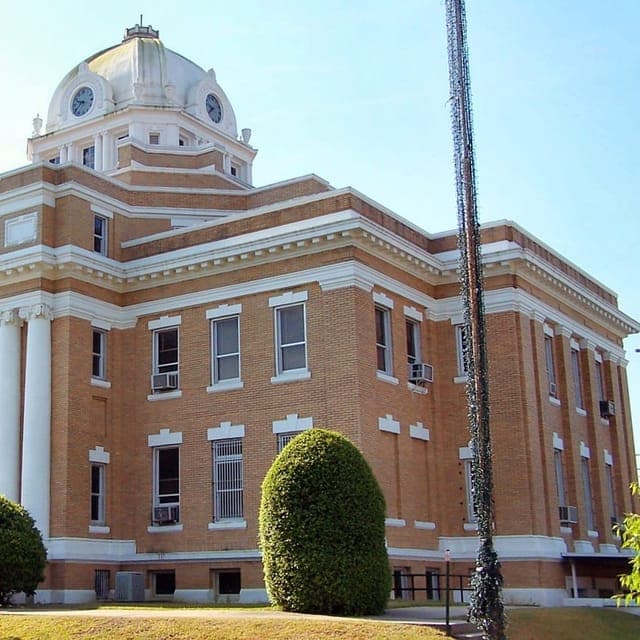
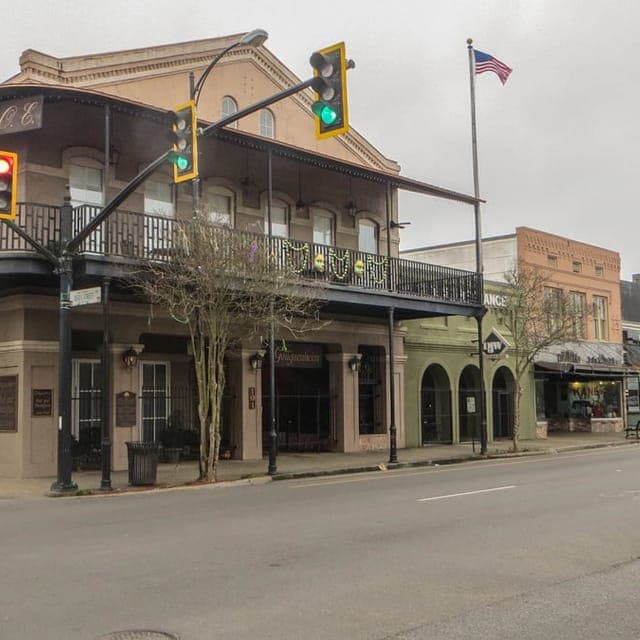
Most Diverse Cities in Louisiana
Most Homogenous Cities in Louisiana
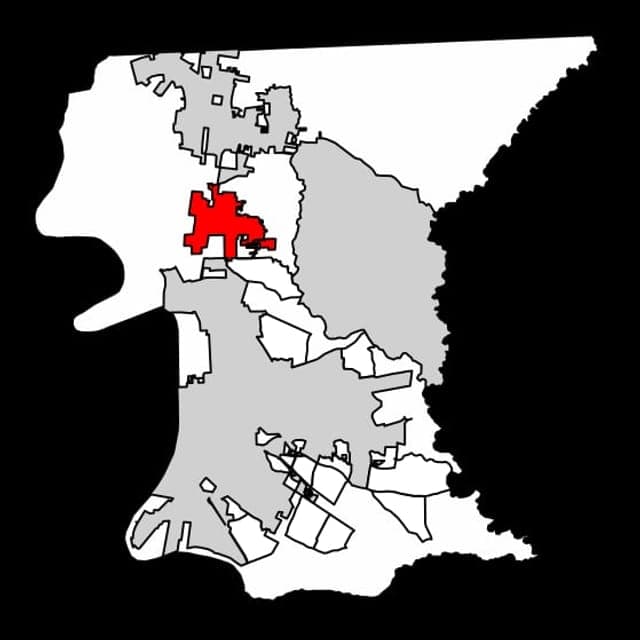
* Values derived from national, state, county, city and local statistics and may differ in a specific area. Last updated: 2026-07-04T01:47:37.000Z
Narrative content on this page is AI-generated and may contain mistakes. Verify any details that matter before acting on them.
ReloMaps may earn a commission from affiliate links at no extra cost to you.

