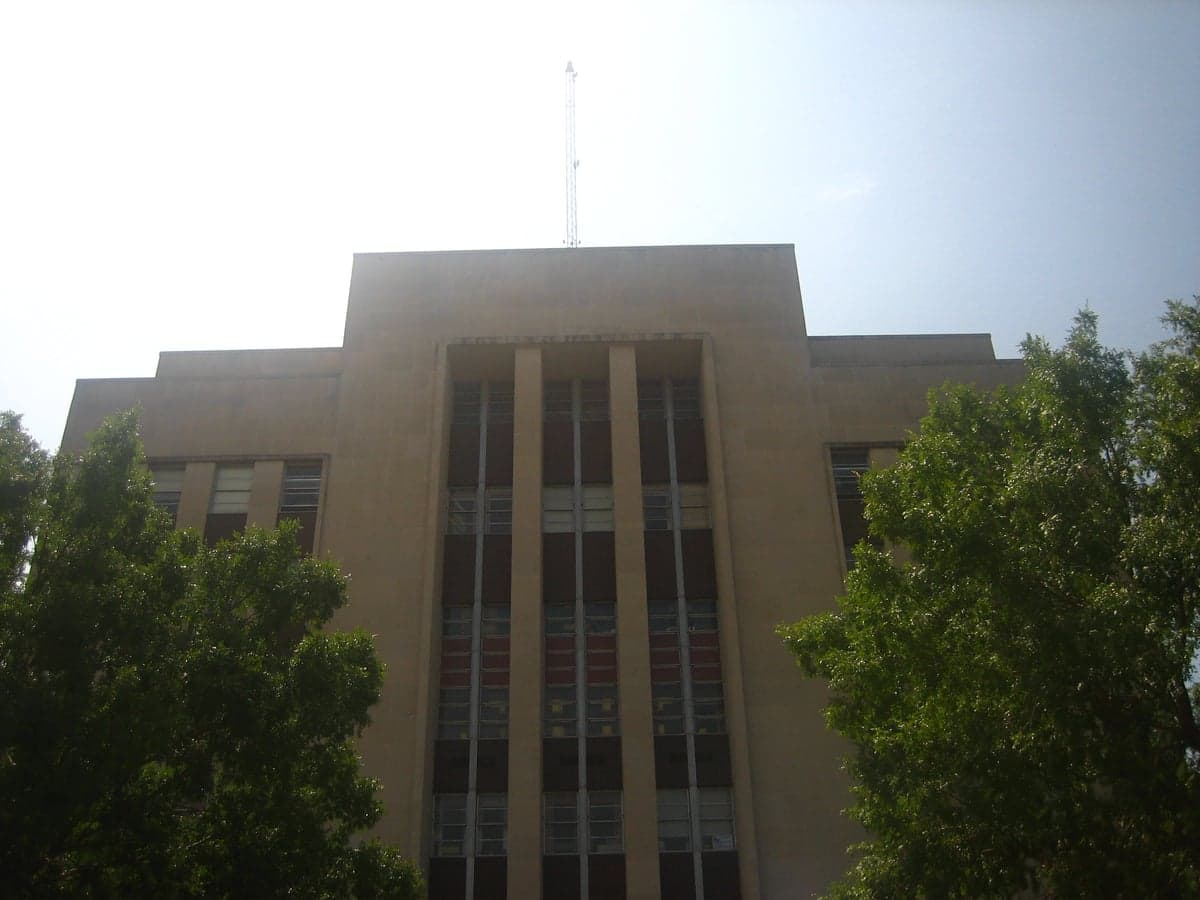
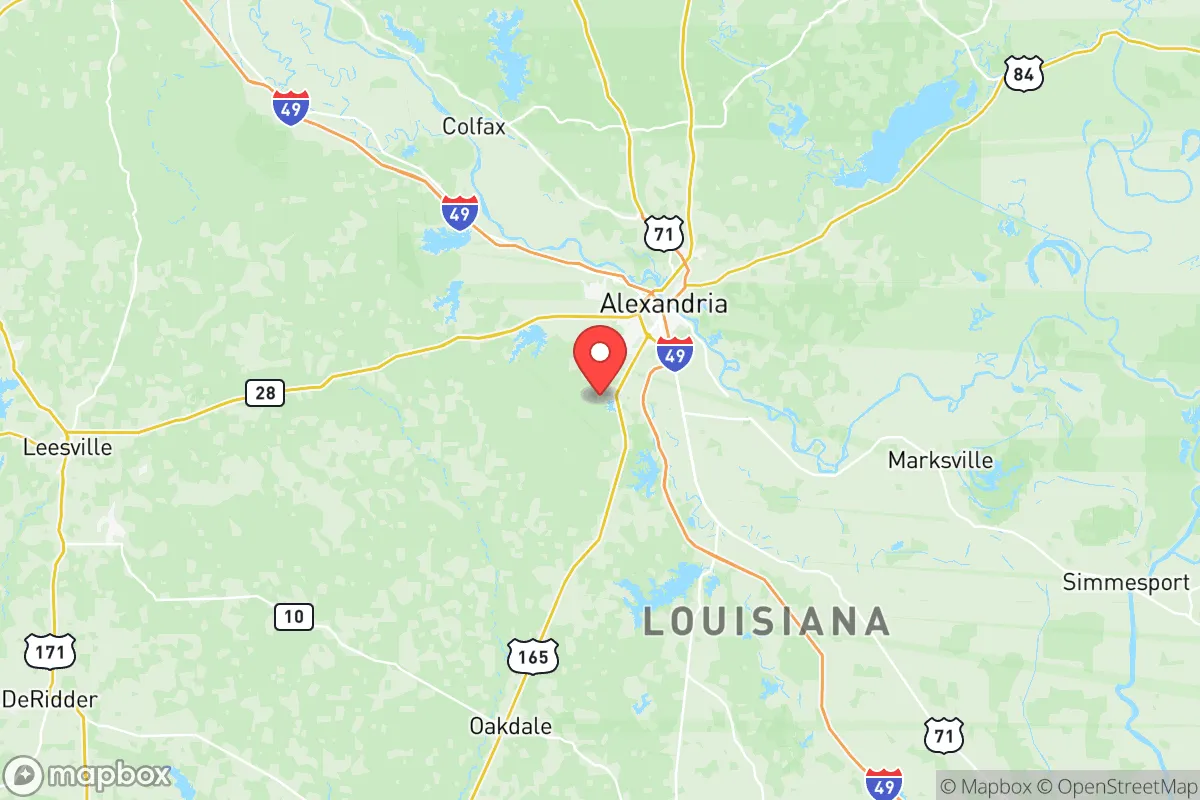
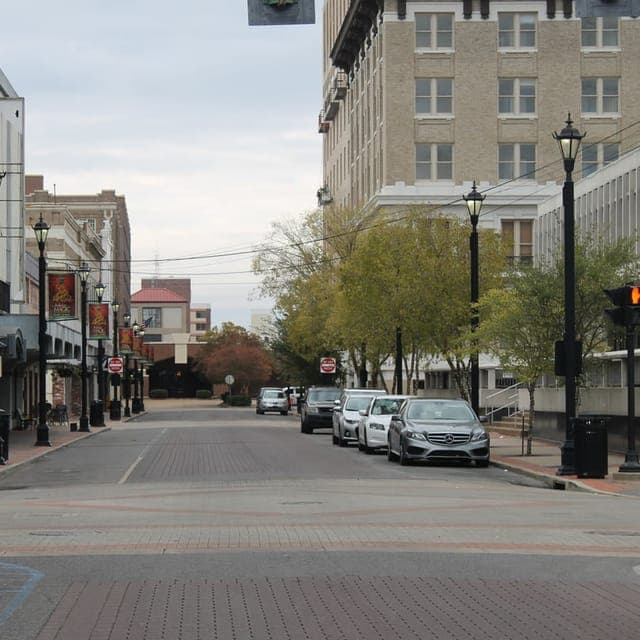
Photo: Wikipedia
Find The Best Places To Live in Rapides County
PRO TIP! You can paste a Zillow or Redfin link to get info on that property.
Best Places to Live in Rapides County
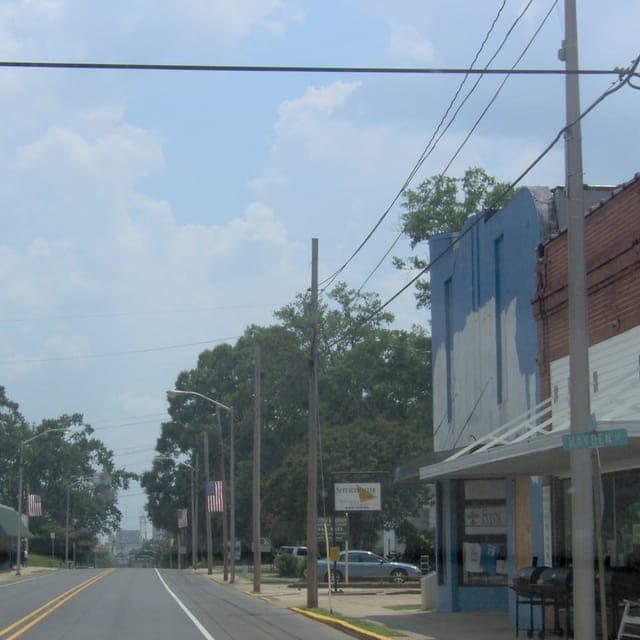
Cities & Towns in Rapides County
Cities in Rapides County
What It's Like Living in Rapides County, LA
Living in Rapides County means you’re never far from the slow, steady pulse of central Louisiana—a place where the Atchafalaya River bends through piney woods and the pace of life matches the humidity: deliberate, familiar, and honest. Whether you’re in the county seat of Alexandria, the smaller communities of Pineville, Boyce, or Lecompte, or out in the rural stretches near Cheneyville, the region shares a common identity built around family, hunting season, Friday-night lights, and a deep-rooted sense of self-reliance. It’s not a place for people chasing nightlife or fast career ladders, but for those who value space, affordability, and knowing your neighbors by name.
Daily Rhythm and Who Fits In
Most mornings in Rapides County start early. In Alexandria, you’ll see folks grabbing coffee at Java Jakes or a plate of biscuits at Papa’s Bar & Grill before heading to work at the region’s largest employers—Rapides Regional Medical Center, the England Airpark complex, or the Cleco corporate headquarters in Pineville. The average commute clocks in at just over 23 minutes, which means you’re not wasting half your day in traffic, even if you live in Boyce and work in Alexandria. The median household income here is about $55,900, and with a cost of living index of 74—well below the national average—that money stretches further than it would in Baton Rouge or New Orleans. A median home value of $179,100 buys you a solid three-bedroom with a yard, something that’s increasingly out of reach in larger Louisiana metros.
The kind of person who thrives here is someone who values stability over novelty. You’ll find a lot of families raising kids in the same school districts they attended, retirees who moved back after stints elsewhere, and younger singles working in healthcare, education, or the trades. The college-educated share of the population sits at 22.4%, which is below the national average, but that reflects a workforce that leans heavily on practical skills—welding, nursing, trucking, and farming—rather than white-collar credentials. If you’re looking for a place where your dollar buys you breathing room and your weekends are spent on the water or in the woods, this county fits.
Sports, Community, and What People Actually Do
Friday nights in the fall belong to high school football. Alexandria Senior High (the Trojans) and Pineville High (the Rebels) draw crowds that fill bleachers well past the fourth quarter, and the rivalry games are genuine community events. College sports are a big deal too—LSU is the default allegiance, but Louisiana Christian University in Pineville fields NAIA teams that give locals a smaller, more intimate game-day experience. Hunting and fishing are practically cultural requirements. Duck season on the Red River, deer camps near Kincaid Lake, and bass fishing at Indian Creek Lake define how many residents spend their weekends from October through February.
For entertainment beyond the outdoors, Alexandria’s downtown has seen a quiet revival. The River Oaks Square Arts Center hosts gallery openings and live music, and the Alexandria Zoo is a solid afternoon outing for families with young kids. The Alexandria Museum of Art punches above its weight for a city this size. Food-wise, you’ll find crawfish boils at Earl’s on the Bayou in Alexandria and plate lunches at Lea’s Lunchroom in Lecompte—a genuine roadside institution that’s been serving fried chicken and pie since 1928. The biggest annual draw is the Alexandria Mardi Gras Association parade, which brings a scaled-down but spirited version of the New Orleans tradition to central Louisiana.
Pros and Cons of Living Here
What longtime residents love: The affordability is the top answer. You can own a home and have a decent savings account on a middle-class salary. The outdoor access is exceptional—within 30 minutes you can be on a lake, in a national forest (Kisatchie is just north), or at a shooting range. The community feel is genuine; people show up for each other during hurricanes, funerals, and fundraisers. The slower pace isn’t a bug—it’s a feature for those who left faster cities on purpose.
What frustrates people: The violent crime rate of 351.6 per 100,000 is noticeably higher than the national average, and it’s concentrated in certain Alexandria neighborhoods—most locals know which streets to avoid after dark. Job opportunities outside of healthcare, education, and the trades are limited; if you’re in tech or corporate management, you’ll likely be commuting to Baton Rouge or working remotely. The summer heat is oppressive from June through September, and the humidity makes even a short walk to the mailbox feel like a swim. Entertainment options are thin—there’s no major concert venue, no pro sports, and the dining scene, while solid for basics, won’t impress anyone from a larger city.
Rapides County is a trade-off: you trade career variety and urban amenities for space, affordability, and a community that still knows how to slow down. For single people and parents who value those things, it’s a place where you can actually build a life, not just survive one.

* Values derived from national, state, county, city and local statistics and may differ in a specific area. Last updated: 2026-05-29T09:18:06.000Z
Narrative content on this page is AI-generated and may contain mistakes. Verify any details that matter before acting on them.
ReloMaps may earn a commission from affiliate links at no extra cost to you.

