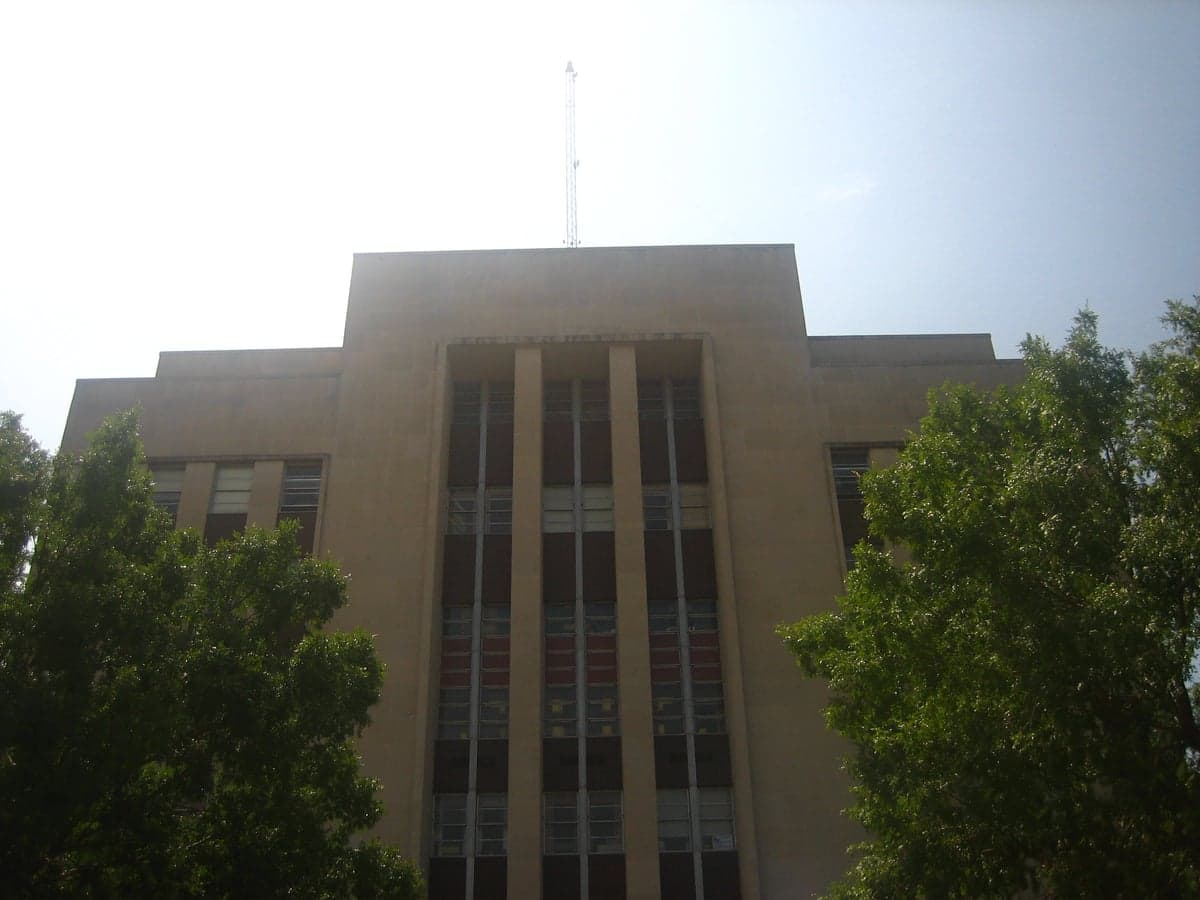
Photo: Wikipedia
Quality of Life in Rapides County
A livable area that tracks near national norms for affordability, walkability, and neighborhood health.
What does Quality of Life tell us?
Quality of Life measures an area by evaluating factors like cost of living, nearby amenities, country club access, airport proximity, socioeconomic signals and neighborhood character. For large states, this is a general average — quality of life can vary dramatically between metro areas, suburbs, and rural communities within the same state.
What does this tell us?
Quality of Life measures an area by evaluating factors like cost of living, nearby amenities, country club access, airport proximity, socioeconomic signals and neighborhood character. For large states, this is a general average — quality of life can vary dramatically between metro areas, suburbs, and rural communities within the same state.
Cost of Living
26% below national average
109%
The Real Cost of Living in Rapides County for 2026
| Tier | Individual | Family (4) |
|---|---|---|
| Survival | $15k | $28k |
| Comfortable | $35k | $51k |
| Luxury | $101k+ | $157k+ |
| Elite (Top 5%) | $132k+ | $205k+ |
Quality-of-Life Analysis
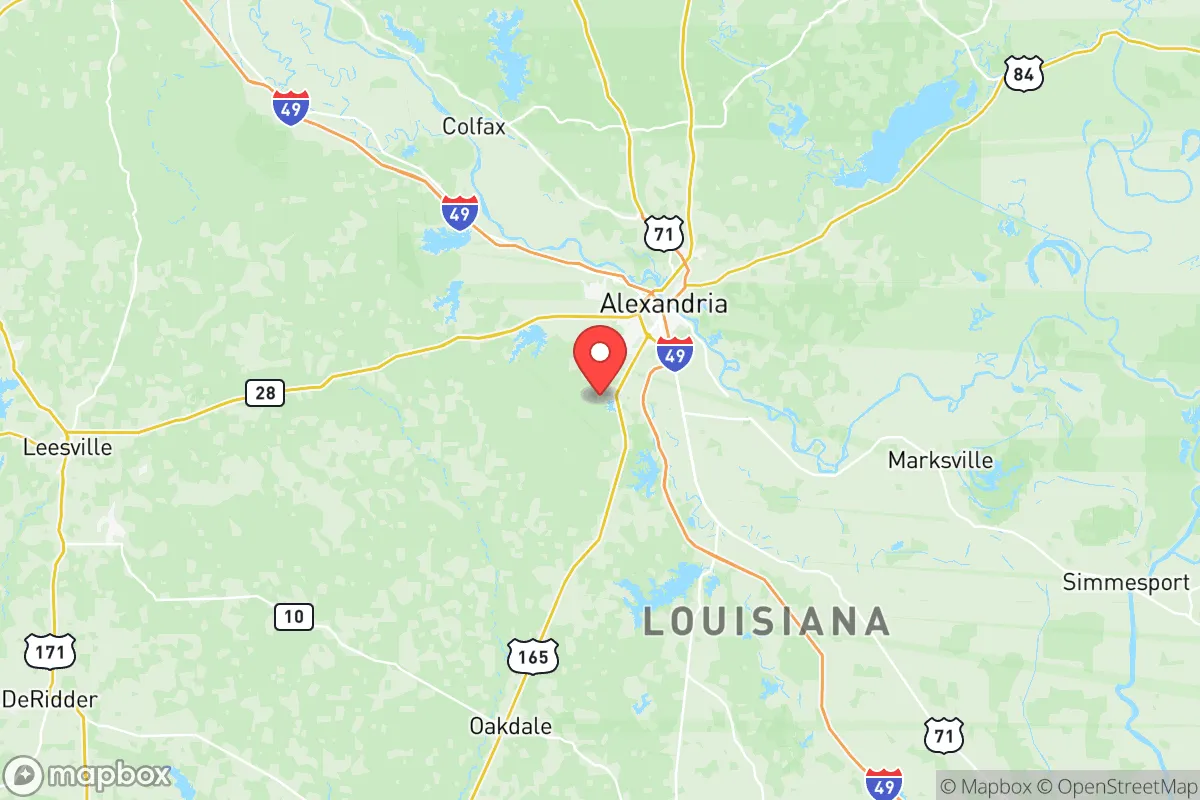
Rapides County, Louisiana, offers a broad quality-of-life spectrum that ranges from the urban amenities of its largest city, Alexandria, to the quiet, self-sufficient character of small towns like Boyce and Lecompte, and the deep rural isolation of the Pineville outskirts and unincorporated communities such as Gardner and Elmer. The county’s central location along the Red River and I-49 corridor makes it a logistical hub for Central Louisiana, attracting a mix of military families tied to Fort Johnson (formerly Fort Polk), healthcare workers at Rapides Regional Medical Center, and retirees seeking a low-cost, slow-paced lifestyle. The diversity of settlement patterns means that a resident’s daily experience—commute time, access to shopping, school quality, and even internet reliability—can shift dramatically within a 20-minute drive.
Largest town(s) & population centers
Alexandria, the parish seat and economic anchor, is home to roughly 45,000 residents and serves as the region’s retail, medical, and cultural hub. Daily life here revolves around the Alexandria Mall, the downtown riverfront district, and major employers like Rapides Regional Medical Center and the Louisiana State University of Alexandria. The city offers a walkable historic core, a growing craft beer scene at Red River Brewing Company, and the Alexandria Zoo—a rare amenity for a city its size. Pineville, directly across the Red River, is a smaller but distinct population center (about 14,000 residents) that feels more suburban, with tree-lined streets, Louisiana College, and a quieter commercial corridor along Highway 28. Commute times in these two cities average 23.6 minutes, slightly below the national average, and most errands can be completed within a 10-minute drive. The median home value of $179,100 and median rent of $942 make Alexandria-Pineville one of the most affordable metro areas in Louisiana for a household earning the state median income of $55,000.
Smaller towns & rural pockets
Outside the Alexandria-Pineville core, Rapides County contains a string of small towns that each offer a distinct flavor. Boyce (pop. ~1,000), located 12 miles north of Alexandria, is a historic railroad town with a quiet downtown, a few antique shops, and direct access to the Red River for fishing and kayaking. Lecompte (pop. ~1,200), 10 miles south, is known for its annual Louisiana Pecan Festival and a slower, neighborly pace where most residents know each other by name. Cheneyville (pop. ~600) sits near the Evangeline Parish line and feels almost entirely rural, with a single gas station and a post office serving as the social hub. Unincorporated areas like Gardner and Elmer are deeply rural, with large tracts of pine forest, hunting leases, and homes on 5- to 20-acre lots. In these pockets, the average commute stretches to 30–35 minutes, and residents rely on Alexandria for groceries, healthcare, and most employment. The cost of living index of 74 (26% below the U.S. average) is most pronounced in these rural areas, where property taxes are low and land is cheap—vacant lots in Gardner can be found for under $20,000.
Cost & lifestyle range
The cost-of-living spread across Rapides County is wide but consistently below national averages. At the high end, the English Bayou and Lake Iatt areas near the northern parish line feature waterfront homes on private lakes, with prices ranging from $250,000 to $400,000—still affordable by national standards but a premium within the county. These areas attract retirees and remote workers who prioritize water access and privacy. At the low end, the Tioga and Ball communities (both unincorporated) offer older ranch-style homes and mobile homes on half-acre lots, with prices often below $120,000. Renters in Alexandria’s Garden District pay around $1,000 for a two-bedroom apartment, while a similar unit in Lecompte or Boyce rents for $700–$800. Amenities follow the same gradient: Alexandria has a full-service hospital, a multiplex cinema, and a regional airport (AEX), while rural residents may drive 20 miles for a pharmacy or a sit-down restaurant. The median rent of $942 is roughly 30% lower than the Louisiana state average, making the county attractive to first-time renters and fixed-income households.
Rapides County works best for people who value affordability and geographic variety over urban density. Military personnel commuting to Fort Johnson, remote workers who need a low cost of living but can tolerate a 25-minute drive to the nearest Starbucks, and retirees who want a quiet rural home with a short drive to a regional hospital all find a niche here. The county’s mix of small-town charm, suburban convenience, and deep rural isolation means that almost any lifestyle preference—except for true urban living—can be accommodated within its borders.

Crime in Rapides County
Crime rates similar to the national median for U.S. locations.
Violent CrimeViolent Crime Analysis
Property CrimeProperty Crime Analysis
Crime Analysis
Rapides County, Louisiana, presents a mixed safety profile, with violent crime rates that are slightly below the national average but property crime rates that significantly exceed both state and national benchmarks. The county's overall violent crime rate of 351.6 per 100,000 residents is lower than the U.S. average of approximately 380 per 100,000, but its property crime rate of 1,418 per 100,000 is notably higher than the national figure of around 1,954 per 100,000, though still below Louisiana's statewide average. This disparity means that while serious violent incidents are less common than in many other parts of the country, residents face a heightened risk of theft, burglary, and vehicle-related crimes, particularly in the more urbanized areas of the parish.
Crime in context
When compared to Louisiana's statewide violent crime rate of roughly 540 per 100,000, Rapides County appears safer, with a rate that is about 35% lower. However, the property crime rate of 1,418 per 100,000 is actually below the state average of approximately 2,200 per 100,000, indicating that property offenses are less frequent here than in many other Louisiana parishes. The city of Alexandria, the parish seat and largest municipality, drives a disproportionate share of the county's crime, with its own violent crime rate estimated at over 600 per 100,000 and property crime rates exceeding 2,500 per 100,000. In contrast, smaller communities like Pineville and Ball report significantly lower crime rates, often half or less of Alexandria's figures. The presence of progressive judicial policies in Alexandria's city court system has been a concern for some residents, as lenient sentencing for repeat property offenders has been linked to higher recidivism rates in the downtown and Garden District neighborhoods.
What residents experience
Daily life in Rapides County varies sharply by location. In Alexandria, residents frequently report issues with vehicle break-ins and package theft, particularly in areas near the Alexandria Mall and along MacArthur Drive. The city's property crime rate is driven largely by these opportunistic offenses, with larceny-theft accounting for over 70% of all property crimes. Violent crime in Alexandria is concentrated in specific corridors, including the Martin Luther King Jr. Drive area and parts of the Ward 3 district, where aggravated assaults and robberies are more common. In contrast, residents of Tioga and Deville report far fewer incidents, with many describing their neighborhoods as quiet and safe for families. The Rapides Parish Sheriff's Office maintains a visible presence in unincorporated areas, and community watch programs are active in subdivisions like England Airpark and Lake Buhlow. The 9th Judicial District Court, which covers Rapides Parish, has faced criticism for a perceived soft-on-crime approach in some cases, with progressive judges occasionally imposing probation rather than jail time for repeat property offenders, a factor that some residents believe contributes to the county's elevated theft rates.
Neighborhood-level variation is pronounced. The safest areas are generally found in the northern and western parts of the parish, including Boyce and Lecompte, where crime rates are a fraction of Alexandria's. These communities benefit from lower population density and stronger social cohesion. Conversely, the most dangerous blocks are concentrated in central Alexandria, particularly around the Rapides Regional Medical Center and the Bolton Avenue corridor. For prospective residents, choosing a home in Pineville, Ball, or Tioga offers a dramatically different safety experience than living in Alexandria proper, with property crime risks dropping by 60% or more. The parish's overall safety picture is thus one of stark contrasts: a relatively safe county on paper, but one where individual outcomes depend heavily on the specific street and city chosen.
* Values derived from national, state, county, city and local statistics and may differ in a specific area. Last updated: 2026-05-29T09:18:06.000Z
Narrative content on this page is AI-generated and may contain mistakes. Verify any details that matter before acting on them.
ReloMaps may earn a commission from affiliate links at no extra cost to you.

