Political ClimatePolitical Climate in St Mary County
Showing district-level results — no local-only data available.
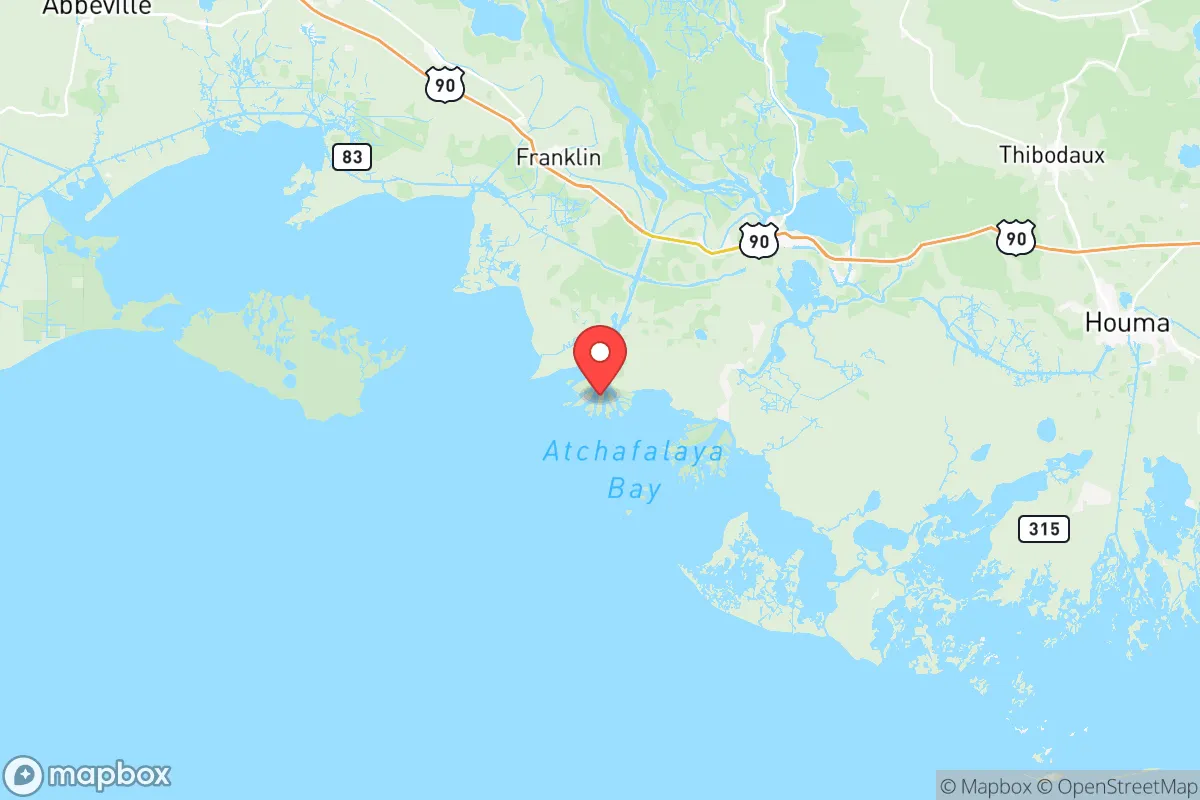
Local Political AnalysisPolitical Analysis of St Mary County
St Mary Parish is about as solidly conservative as they come in Louisiana, with a Cook PVI of R+22 that puts it well to the right of the state's already R+10 lean. That's not just a number on a map—it reflects a deep-rooted culture where folks take their personal freedoms seriously and don't much care for government telling them how to live. The parish has been trending redder over the last decade, especially as the oil-and-gas economy here pushes back against federal regulations that threaten jobs and local livelihoods. If you're looking for a place where conservative values still hold strong, this is it.
How it compares
Louisiana as a whole is reliably Republican, but St Mary Parish is in a different league. The R+22 PVI means the parish votes about 12 points more Republican than the state average—a gap you can see in real precinct results. In the 2024 presidential race, Donald Trump carried St Mary with roughly 72% of the vote, compared to about 58% statewide. That's a massive difference. Within the parish, you'll see variation: Morgan City and Franklin are the most conservative strongholds, with precincts routinely hitting 75-80% Republican. Berwick and Patterson lean red but are a bit more moderate, often in the 65-70% range. The only real blue spot is Baldwin, a small town where Democratic support can hit 55-60%, largely driven by older African American voters who've stayed loyal to the party. But even there, the trend is shifting—younger voters in Baldwin are moving right, mirroring a national pattern. The swing precincts are in the rural areas around Bayou Vista and Amelia, where independent voters decide races and have been breaking heavily for conservative candidates since 2020.
What this means for residents
For folks living here, the political climate means less government overreach in daily life. You're not dealing with the kind of progressive policies you see in places like New Orleans or Baton Rouge—no talk of defunding the police, no heavy-handed COVID mandates that shut down small businesses, and no push for radical school curricula that undermine parental rights. The local school board in St Mary Parish has been a battleground, but conservative majorities have held the line on things like critical race theory and gender ideology in classrooms. Property taxes are low, and the parish government generally stays out of your business. That said, there's growing concern about coastal restoration regulations and federal energy policies that could hit the oil-and-gas sector hard. If those tighten up, it'll be a direct threat to the local economy and the way of life here. The recent push for wind energy projects off the coast has also raised eyebrows—many residents see it as a backdoor way to phase out fossil fuels and kill jobs.
Culturally, St Mary Parish is Cajun and Catholic at its core, with a strong emphasis on family, hunting, fishing, and community self-reliance. You won't find the kind of coastal elite attitudes that dominate some parts of Louisiana. The biggest policy distinction from the state as a whole is the parish's fierce opposition to any form of gun control—even the modest state-level red flag laws have been met with local resistance. Second Amendment rights are practically sacred here. Looking ahead, the political trajectory is likely to stay conservative, but there's a risk: if the national GOP drifts toward more libertarian or isolationist policies on energy, it could alienate the oil-and-gas workers who form the backbone of the local economy. For now, though, St Mary Parish remains a place where conservative values aren't just tolerated—they're expected.

State Political ClimatePolitical Climate in Louisiana
State Political AnalysisPolitical Environment in the State
Louisiana is a solidly Republican state with a Cook PVI of R+10, but don’t let that number fool you into thinking it’s a monolith. The state’s political lean is driven by a coalition of culturally conservative Cajun and rural voters, combined with a strong evangelical and Catholic base, but it’s been slowly shifting rightward over the past 20 years as white working-class voters have abandoned the Democratic Party. However, the real story is the growing tension between the conservative strongholds in the northern and rural parishes and the increasingly progressive, urbanized pockets of New Orleans and Baton Rouge. This isn’t a state that’s flipping blue anytime soon, but the internal battles over taxes, education, and personal freedom are getting sharper.
Urban vs. rural divide
The political map of Louisiana is a classic tale of two states. The rural parishes—places like Rapides Parish (Alexandria), Ouachita Parish (Monroe), and the Acadian parishes around Lafayette—are deep red, often voting 70% or more Republican in statewide races. These areas are the backbone of the state’s conservative identity, driven by oil and gas, agriculture, and a strong gun culture. In contrast, Orleans Parish (New Orleans) is the state’s only reliably blue stronghold, routinely delivering 80%+ margins for Democrats. East Baton Rouge Parish is a battleground, with the city of Baton Rouge itself leaning Democratic while the suburban areas like Central and Zachary are solidly red. The suburbs of Jefferson Parish, especially around Metairie, have been trending redder as well, making the New Orleans metro area a fascinating mix of urban progressivism and suburban conservatism. The real shift is in the Florida Parishes (north of Lake Pontchartrain), places like St. Tammany Parish (Covington, Mandeville), which have become some of the most reliably Republican areas in the state as families flee New Orleans for better schools and lower crime.
Policy environment
Louisiana’s policy environment is a mixed bag for conservatives. On the plus side, the state has no personal property tax on vehicles or boats, and the homestead exemption on property taxes is generous—up to $75,000 of assessed value is exempt. The state income tax is a flat 3% for individuals, which is competitive, but the sales tax is high, often exceeding 10% in many parishes when local taxes are added. The regulatory posture is generally business-friendly, especially for oil and gas, but the state’s legal system is notoriously plaintiff-friendly, which drives up insurance costs. On education, Louisiana has a robust school choice program, including the Louisiana Scholarship Program and a growing charter school sector, which is a major draw for parents. However, the state’s public school system ranks near the bottom nationally, and the teacher’s union remains a powerful force in Baton Rouge. Election laws are solid: voter ID is required, and the state has no-excuse absentee voting, but early voting is limited to a week. The state has also passed a constitutional carry law (Act 746 of 2024), allowing permitless carry of concealed firearms, which is a major win for gun rights advocates.
Trajectory & freedom
Louisiana is becoming more free in several key areas, but the trajectory is uneven. The passage of Act 746 (constitutional carry) in 2024 was a landmark moment, cementing the state’s status as a strong Second Amendment state. The legislature also passed Act 436 in 2023, which bans gender-affirming care for minors, and Act 468, which requires public school teachers to use a student’s biological sex in pronouns and bathroom access. These are clear wins for parental rights and traditional values. On the tax front, the 2024 session saw a reduction in the corporate franchise tax and a push toward phasing out the state income tax entirely, though that hasn’t happened yet. However, there are concerning trends. The state’s Medicaid expansion, implemented under Governor John Bel Edwards (a Democrat), remains in place, and the state’s budget has grown significantly depends on federal dollars. The Louisiana Department of Health has also been aggressive in vaccine mandates and public health orders, which rankled many during COVID. The state’s property rights are generally strong, but the Coastal Protection and Restoration Authority has broad eminent domain powers for coastal projects, which has caused friction with landowners in places like Plaquemines Parish.
Civil unrest & political movements
Louisiana has a history of political flashpoints, but recent years have been relatively quiet compared to other states. The Black Lives Matter protests in 2020 were significant in New Orleans and Baton Rouge, with the toppling of Confederate monuments and clashes with police, but they didn’t spread to rural areas. The state has seen a rise in Moms for Liberty chapters, especially in St. Tammany Parish and Livingston Parish, which have been active in school board meetings over library books and curriculum. Immigration politics are less heated here than in border states, but there is a growing concern over the influx of migrants via the I-10 corridor, with some parishes passing resolutions declaring themselves “sanctuary counties for the unborn” but not for illegal immigration. Election integrity has been a hot topic, with the 2020 and 2022 cycles seeing lawsuits over ballot drop boxes and mail-in voting, but the state’s Republican Secretary of State, Kyle Ardoin, has maintained a relatively stable system. The most visible flashpoint for a new resident would be the constant debate over coastal erosion and the “land loss crisis”, which has become a political football between environmentalists and the oil and gas industry.
Projection
Over the next 5-10 years, Louisiana will likely become more Republican at the state level, driven by continued out-migration from New Orleans and the Democratic strongholds of New Orleans and Baton Rouge to the red suburbs and rural areas. The state’s population is stagnant, but the people leaving are disproportionately younger and more liberal, while those moving in—often from Texas and other conservative states—tend to be older and more conservative. The legislature will continue to push for tax cuts, school choice expansion, and further restrictions on abortion and transgender rights. However, the state’s dependence on federal funding (about 40% of the budget) and the ongoing coastal crisis will limit how far the legislature can go in shrinking government. The biggest wildcard is the 2026 gubernatorial election—if a conservative Attorney General Jeff Landry (who won in 2023) runs for re-election and continues his agenda, the state will likely see a further consolidation of conservative policy. But if a more moderate Republicans or a Democrat wins, the trajectory could stall. For a new resident, expect a state that is culturally conservative and getting more so, but with a government that is still too big and too entangled with federal money for true freedom.
Bottom line for a new resident: If you’re moving to Louisiana for the politics, you’ll find a state that largely aligns with conservative values—low taxes (for now), strong gun rights, and a legislature that fights for parental rights and traditional values. But don’t expect a libertarian paradise. The state’s high sales tax, reliance on federal dollars, and powerful local governments mean you’ll still deal with bureaucracy and high insurance costs. The best places to land if you want a like-minded community are the suburbs of Baton Rouge (Central, Zachary), the Northshore (Cshore (Covington, Mandeville), or the Lafayette area. Avoid Orleans Parish and the core of Baton Rouge if you want to avoid progressive politics. The state is moving in the right direction on freedom, but it’s a slow, messy process—like everything else in Louisiana.
* Values derived from national, state, county, city and local statistics and may differ in a specific area. Last updated: 2026-05-19T06:32:12.000Z
Narrative content on this page is AI-generated and may contain mistakes. Verify any details that matter before acting on them.
ReloMaps may earn a commission from affiliate links at no extra cost to you.

