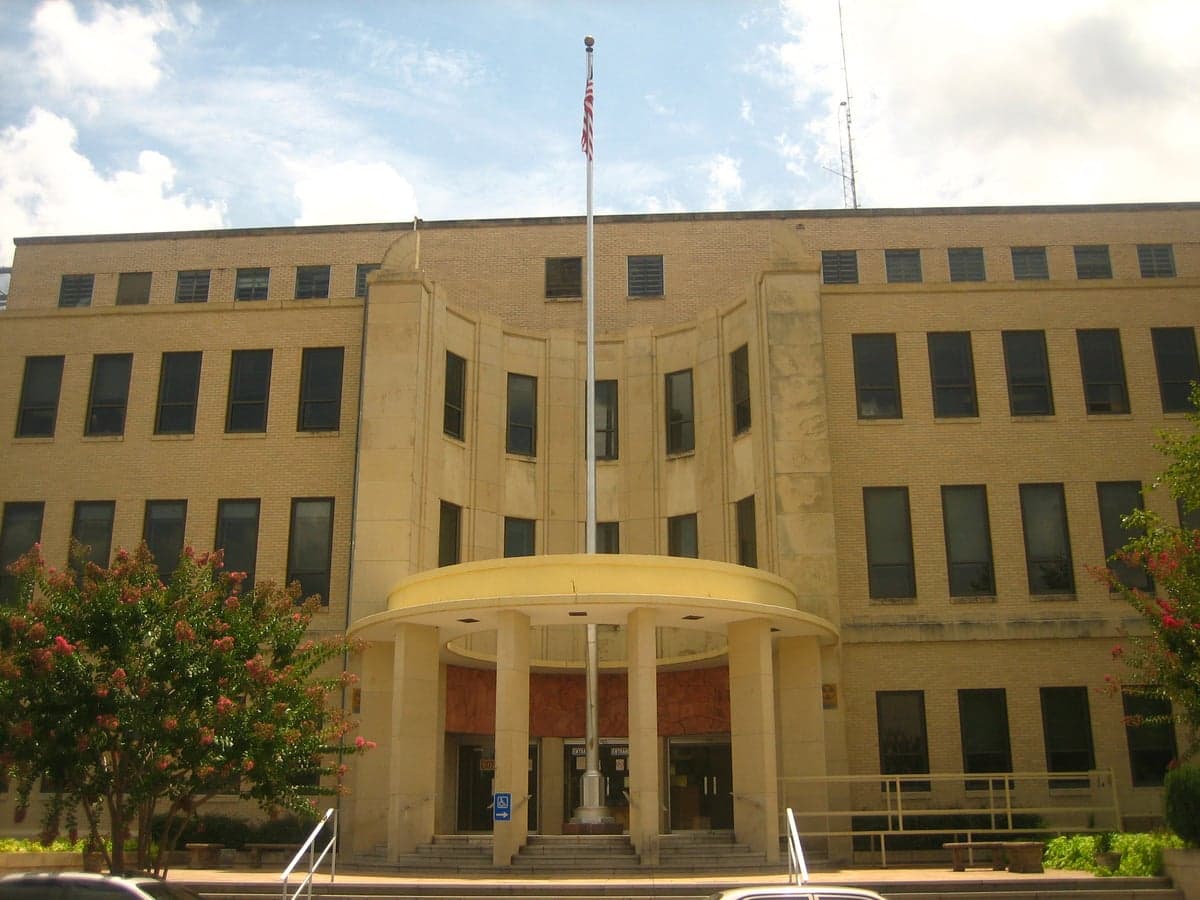
Photo: Wikipedia
Strategic Assessment of Webster County
Workable tactical position. Some exposure to population density or targets, but generally defensible in a crisis.
What does the Strategic Assessment tell us?
Our Strategic Assessment grades tactical survivability of an area. Major population centers, military targets, fallout zones, natural disasters, and border exposure all drive risk — lower exposure means a more defensible position in a crisis.
This is heavily inspired by Joel Skousen's Strategic Relocation book. Highly recommended you checkout the book ($)What does this tell us?
Our Strategic Assessment grades tactical survivability of an area. Major population centers, military targets, fallout zones, natural disasters, and border exposure all drive risk — lower exposure means a more defensible position in a crisis.
This is heavily inspired by Joel Skousen's Strategic Relocation book. Highly recommended you checkout the book ($)Strategic Pillars

Key Distances
Strategic Assessment Analysis
Webster Parish, Louisiana, sits in a position that demands a hard look from anyone serious about long-term strategic relocation. It’s not flashy, but its resilience comes from being just far enough away from the major pressure points of the Gulf South while still having access to the logistical arteries that keep things running. For a conservative-minded individual or family looking to weather civic instability, natural disasters, or broader societal disruptions, this corner of northwest Louisiana offers a mix of geographic buffer and practical self-sufficiency potential that’s worth a serious assessment.
Geographic position and natural advantages for long-term stability
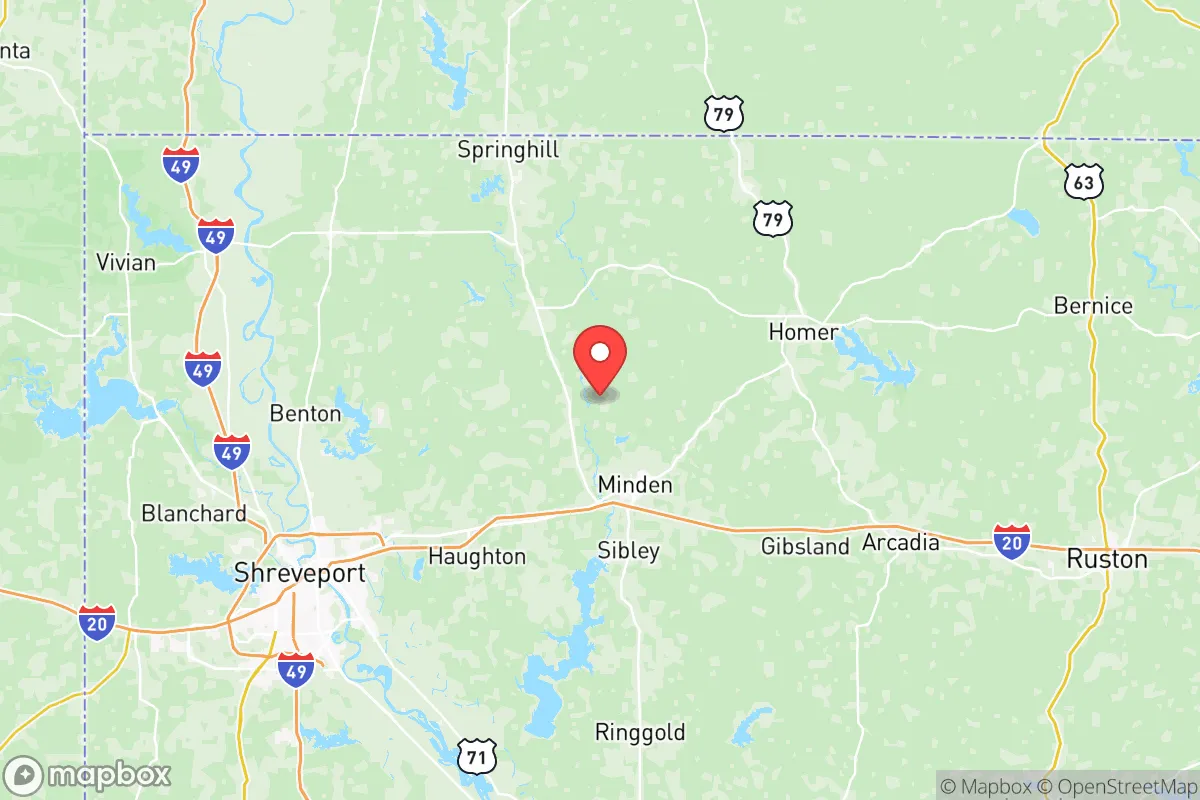
Webster Parish is anchored by the town of Minden, the parish seat, and stretches north toward the Arkansas line. Its location is a strategic sweet spot: roughly 30 miles east of the Texas border and 35 miles northeast of Shreveport, but far enough from that metro area’s urban core to avoid the worst of any civil unrest or fallout from a major event. The parish sits on the edge of the Kisatchie National Forest to the east, providing a natural buffer and a potential retreat zone. The terrain is rolling piney woods and hardwood bottoms—not flat, not mountainous, but offering decent cover and defensible positions along the many creeks and bayous. The Lake Bistineau area in the southern part of the parish gives a reliable water source and a natural barrier to the south. For a relocator, the key advantage is that Webster is not a primary target. It’s not near any major military base like Fort Polk (now Fort Johnson) to the south, nor is it in the blast radius of a major refinery complex. The Louisiana Army Ammunition Plant near Minden is a notable landmark, but it’s a relatively low-profile industrial site compared to the massive petrochemical complexes along the Mississippi River or the Houston Ship Channel. That lower profile means less risk of being a secondary target in a conflict scenario.
Risks, exposures, and proximity to fallout-relevant landmarks
No place is immune, and Webster has its own set of exposures. The most obvious is the Louisiana Army Ammunition Plant itself—while not a high-value strategic target like a nuclear power plant, it’s still a federal munitions facility. A conventional strike or a major industrial accident there could produce localized contamination or a security perimeter that disrupts life for miles. The parish also sits within a reasonable drive of Barksdale Air Force Base near Bossier City, which is a major B-52 bomber base and a legitimate nuclear-capable asset. If things go hot, Barksdale is a target, and Webster is close enough to feel the secondary effects—panic, roadblocks, military traffic, or fallout if a ground-level detonation occurred. The I-20 corridor running through Minden is a double-edged sword: it’s a vital evacuation and supply route, but in a crisis it becomes a chokepoint for refugees fleeing Shreveport or Dallas. Flooding is the more mundane but persistent risk. The parish has a history of flash flooding along the Dorcheat Bayou and Lake Bistineau, especially during tropical systems that stall over the region. The 2016 floods were a wake-up call for many in the area. For a prepper, this means any retreat property needs to be on high ground with good drainage, and you need a plan for road closures that can last days.
Practical resilience for a relocator: food, water, energy, and defensibility
This is where Webster Parish shines for the self-reliant. The soil in the river bottoms is decent for small-scale agriculture, and the growing season is long—roughly 230 days. You can put in a serious garden, raise chickens or goats, and hunt deer and wild hogs on the vast tracts of timberland. The Kisatchie National Forest and the Caney Lakes Recreation Area offer public land for foraging, hunting, and timber, but be aware that federal land comes with restrictions and potential closure during emergencies. Water is abundant if you know where to look. The parish sits over the Sparta Aquifer, one of the most productive groundwater sources in the region. A well is a must for any serious retreat property—surface water from Lake Bistineau or the bayous is reliable but requires filtration and boiling. Energy-wise, the area is served by SWEPCO (Southwestern Electric Power Company), which has a mixed reliability record during ice storms and hurricanes. Solar is a no-brainer here: the parish gets about 215 sunny days per year, and off-grid systems are common among rural landowners. Defensibility is good but not perfect. The terrain is wooded and rolling, with plenty of natural chokepoints on the backroads. The Minden area has a small but active local gun culture, and the parish has a strong tradition of hunting and marksmanship. That said, the population density is low enough that you can have real privacy—parcels of 10 to 40 acres are common and affordable. The biggest vulnerability is the road network: if I-20 is blocked or the bridges over Lake Bistineau are compromised, you could be cut off from supplies or medical care for an extended period. Stockpiling and having a secondary vehicle capable of off-road travel is wise.
The overall strategic picture for Webster Parish is one of calculated trade-offs. It’s not a fortress, and it’s not a remote bunker in the Rockies. What it offers is a realistic middle ground: a place where a prepared family can live a normal life while maintaining a low profile and a high degree of self-sufficiency. The proximity to Shreveport and I-20 gives access to medical care, hardware stores, and bulk suppliers, but the rural character of the parish means you’re not dependent on those systems day-to-day. The risks from Barksdale and the ammunition plant are real but manageable with proper planning—distance, shielding, and a good bug-out route into the Kisatchie. For a conservative relocator who values community, local control, and the ability to ride out a crisis without being in the crosshairs, Webster Parish deserves a serious look. It’s the kind of place where you can build a life that’s prepared for the worst without sacrificing the comforts of the present.

* Values derived from national, state, county, city and local statistics and may differ in a specific area. Last updated: 2026-05-24T16:09:50.000Z
Narrative content on this page is AI-generated and may contain mistakes. Verify any details that matter before acting on them.
ReloMaps may earn a commission from affiliate links at no extra cost to you.

