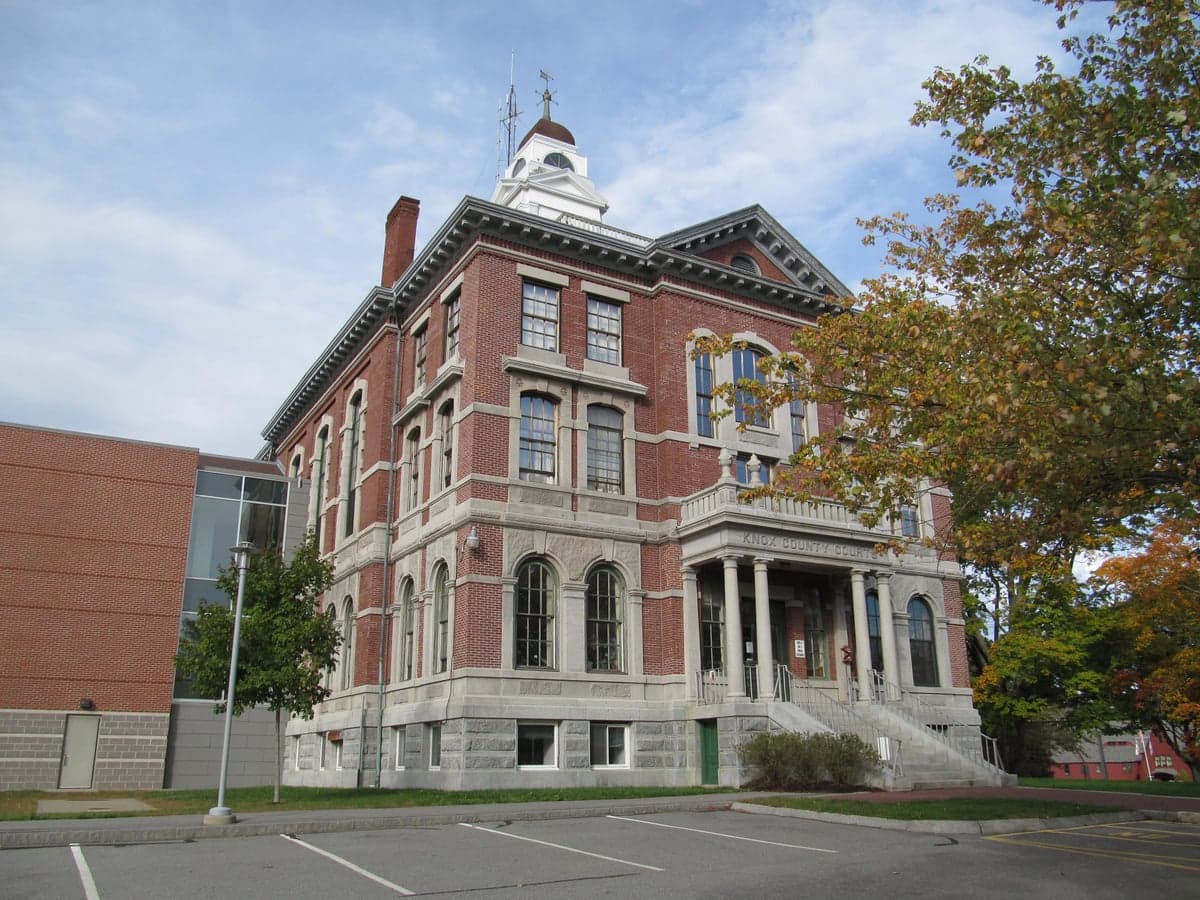
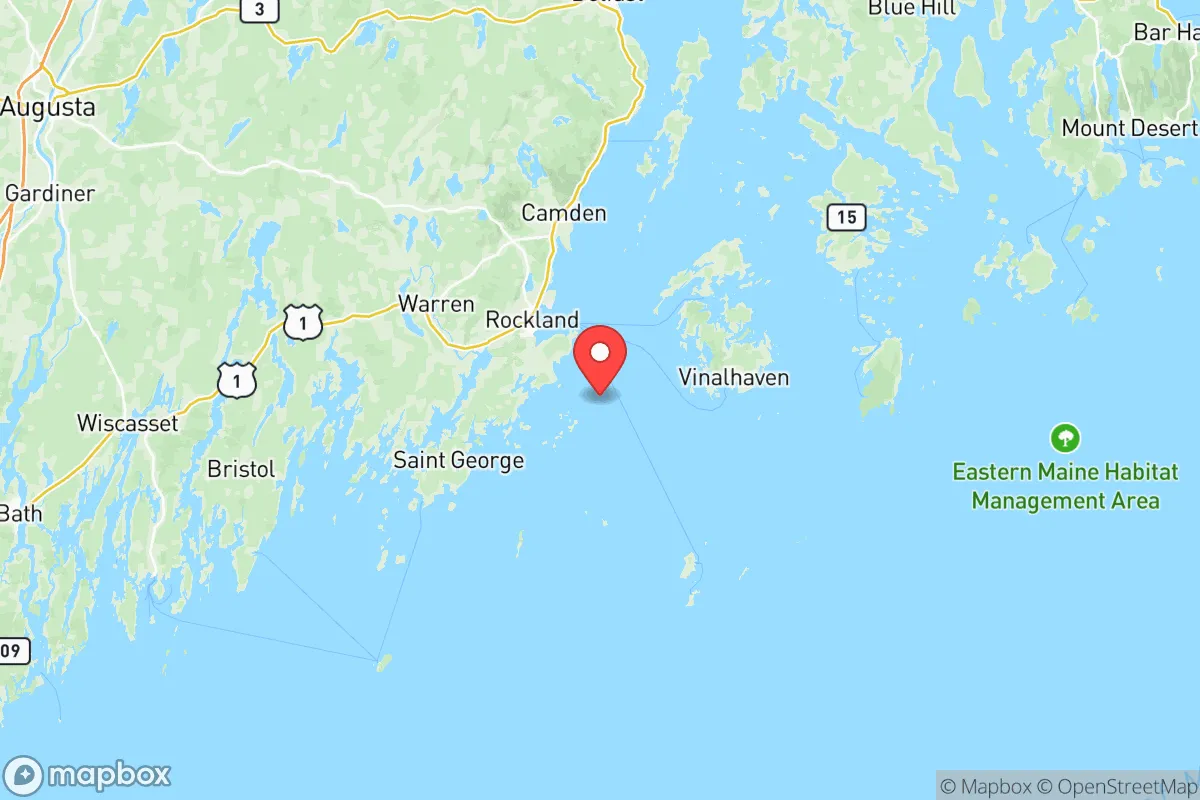
Photo: Wikipedia
Quality of Life in Knox County
A livable area that tracks near national norms for affordability, walkability, and neighborhood health.
What does Quality of Life tell us?
Quality of Life measures an area by evaluating factors like cost of living, nearby amenities, country club access, airport proximity, socioeconomic signals and neighborhood character. For large states, this is a general average — quality of life can vary dramatically between metro areas, suburbs, and rural communities within the same state.
What does this tell us?
Quality of Life measures an area by evaluating factors like cost of living, nearby amenities, country club access, airport proximity, socioeconomic signals and neighborhood character. For large states, this is a general average — quality of life can vary dramatically between metro areas, suburbs, and rural communities within the same state.
Cost of Living
3% below national average
87%
The Real Cost of Living in Knox County for 2026
| Tier | Individual | Family (4) |
|---|---|---|
| Survival | $17k | $32k |
| Comfortable | $56k | $83k |
| Luxury | $130k+ | $201k+ |
| Elite (Top 5%) | $153k+ | $237k+ |
Quality-of-Life Analysis
Knox County, Maine, offers a quality-of-life spectrum that ranges from the bustling coastal tourism hub of Rockland to the quiet, inland farming communities of Union and Washington. The county’s character shifts dramatically within a 20-minute drive, attracting everyone from artists and seasonal residents seeking vibrant waterfronts to families and remote workers looking for affordable land and solitude. With a cost-of-living index of 97 (just below the national average), a median home value of $290,800, and an average commute of just over 20 minutes, Knox County provides distinct lifestyle options that cater to different priorities without sacrificing access to the Midcoast region’s natural beauty.
Largest town(s) & population centers
Rockland, the county seat and largest town (pop. ~7,000), is the economic and cultural anchor. Daily life here revolves around the working waterfront, the Farnsworth Art Museum, and a walkable downtown with breweries, galleries, and the Rockland Breakwater. The median rent of $1,079 is achievable for many, but home values near the county median of $290,800 can be harder to find in the most desirable historic districts. Camden, just north, is a smaller but more affluent population center known for its picturesque harbor, Camden Hills State Park, and high-end tourism. Life in Camden is quieter and pricier than Rockland, with a stronger emphasis on outdoor recreation and seasonal crowds. Thomaston, south of Rockland, offers a more subdued, residential feel with a historic downtown, the Maine State Prison Showroom, and easy access to both Rockland and the St. George Peninsula.
Smaller towns & rural pockets
Moving inland from the coast, the character shifts markedly. Union is a classic rural town with a strong agricultural identity, home to the Union Fair and a tight-knit community centered around the common. Life here is slower, with fewer restaurants and shops, but significantly more land per dollar. Washington, further north, is even more sparsely populated, with large tracts of forest and farmland; it’s a haven for those seeking privacy and a do-it-yourself lifestyle. On the peninsula, St. George (including Port Clyde and Tenants Harbor) offers a mix of year-round fishing villages and summer colonies, where daily life is dictated by the tides and the tourist season. South Thomaston and Owls Head are primarily residential, offering coastal access without the commercial bustle of Rockland or Camden, appealing to those who want to live near the water without the premium price tag.
Cost & lifestyle range
The cost-of-living spread across Knox County is significant. At the high end, Camden and the coastal portions of Rockport command median home values well above the county average, often exceeding $400,000, with limited rental inventory. These areas attract second-home buyers and professionals who can afford a premium for walkable villages and harbor views. At the more affordable end, Union, Washington, and inland parts of Warren offer median home values closer to $250,000, with larger lots and lower property taxes. Renters find the best deals in Rockland’s older apartment stock and in Thomaston, where the median rent of $1,079 is more attainable. The trade-off is clear: coastal towns offer immediate access to amenities and recreation but demand a higher income, while inland towns provide space and lower costs but require a 15-20 minute drive for groceries, dining, or healthcare. The average commute of 20 minutes holds true across most of the county, as even rural residents can reach Rockland or Camden quickly via Route 17 or Route 1.
This county works best for people who value a balance of coastal access and rural quiet. Artists and remote workers thrive in Rockland’s creative scene, while families and homesteaders find room to spread out in Union and Washington. Retirees often choose Camden or Rockport for walkability, while those seeking a true working waterfront lifestyle settle in St. George or Tenants Harbor. Knox County’s strength is that it offers a genuine choice—not just between town and country, but between different versions of Maine’s Midcoast life, all within a short drive of each other.

Crime in Knox County
Lower crime rates than 81% of comparable U.S. locations.
Violent CrimeViolent Crime Analysis
Property CrimeProperty Crime Analysis
Crime Analysis
Knox County, Maine, presents a notably safe environment compared to national averages, with a violent crime rate of 93.6 per 100,000 residents and a property crime rate of 947 per 100,000. These figures place the county well below the U.S. median for both categories, though property crime remains a more tangible concern for residents, particularly in the more populated coastal towns. The overall safety picture is shaped by a mix of quiet rural communities, seasonal tourist influxes, and the presence of the Maine State Police and local sheriff’s office, which maintain a visible law enforcement presence.
Crime in context
Knox County’s violent crime rate is roughly one-third the national average of 380 per 100,000, and its property crime rate is about half the U.S. figure of 1,954 per 100,000. Within Maine, the county is slightly above the state’s average violent crime rate of 109 per 100,000 but remains in the safer half of Maine’s 16 counties. Property crime, however, is a more pressing issue: the 947 per 100,000 rate is above the Maine average of 1,200 per 100,000, but still significantly lower than the national benchmark. The county’s crime is heavily concentrated in the summer months when tourism peaks in towns like Rockland and Camden, driving up theft and vandalism reports. In contrast, inland communities such as Union and Washington report far fewer incidents, with crime rates often falling below 50 per 100,000 for violent offenses.
What residents experience
For most residents, daily life in Knox County is marked by a low likelihood of encountering violent crime. The most common offenses are theft from vehicles, burglary of seasonal homes, and occasional drug-related incidents, particularly involving opioids and methamphetamine. The county’s District Attorney, Jonathan Liberman, operates within Maine’s broader progressive judicial framework, which emphasizes rehabilitation over incarceration. This approach has drawn criticism from some residents who feel it leads to lenient sentences for repeat property offenders, especially in Rockland where a small but persistent population of individuals with substance use disorders cycles through the justice system. The Knox County Sheriff’s Office and local police departments in Rockport and Thomaston maintain proactive community policing, but the lack of a dedicated drug court or specialized property crime unit means that many low-level thefts result in summons rather than arrests, frustrating victims who seek accountability.
Neighborhood-level variation is pronounced. The city of Rockland, the county seat and largest population center, sees the highest crime rates, with property crime roughly double the county average and occasional violent incidents tied to domestic disputes or bar fights. Camden, a wealthy tourist destination, has a lower violent crime rate but experiences seasonal spikes in shoplifting and vehicle break-ins. In contrast, the rural towns of Warren and Cushing report crime rates near zero for violent offenses, with property crime limited to isolated incidents. The progressive judicial philosophy in the Midcoast region, while well-intentioned, has created a perception among some long-term residents that the system prioritizes offender rights over public safety, particularly in cases involving repeat burglars who are released on bail or given probation rather than jail time. This dynamic is most visible in Rockland, where a small number of chronic offenders account for a disproportionate share of property crime, and where the district attorney’s office has resisted calls for stricter sentencing guidelines. For families considering a move to Knox County, the safest bet is to choose a rural town or a well-patrolled neighborhood in Rockport or Camden, while remaining vigilant about locking vehicles and securing seasonal properties during the off-season.
* Values derived from national, state, county, city and local statistics and may differ in a specific area. Last updated: 2026-08-18T17:54:33.000Z
Narrative content on this page is AI-generated and may contain mistakes. Verify any details that matter before acting on them.
ReloMaps may earn a commission from affiliate links at no extra cost to you.

