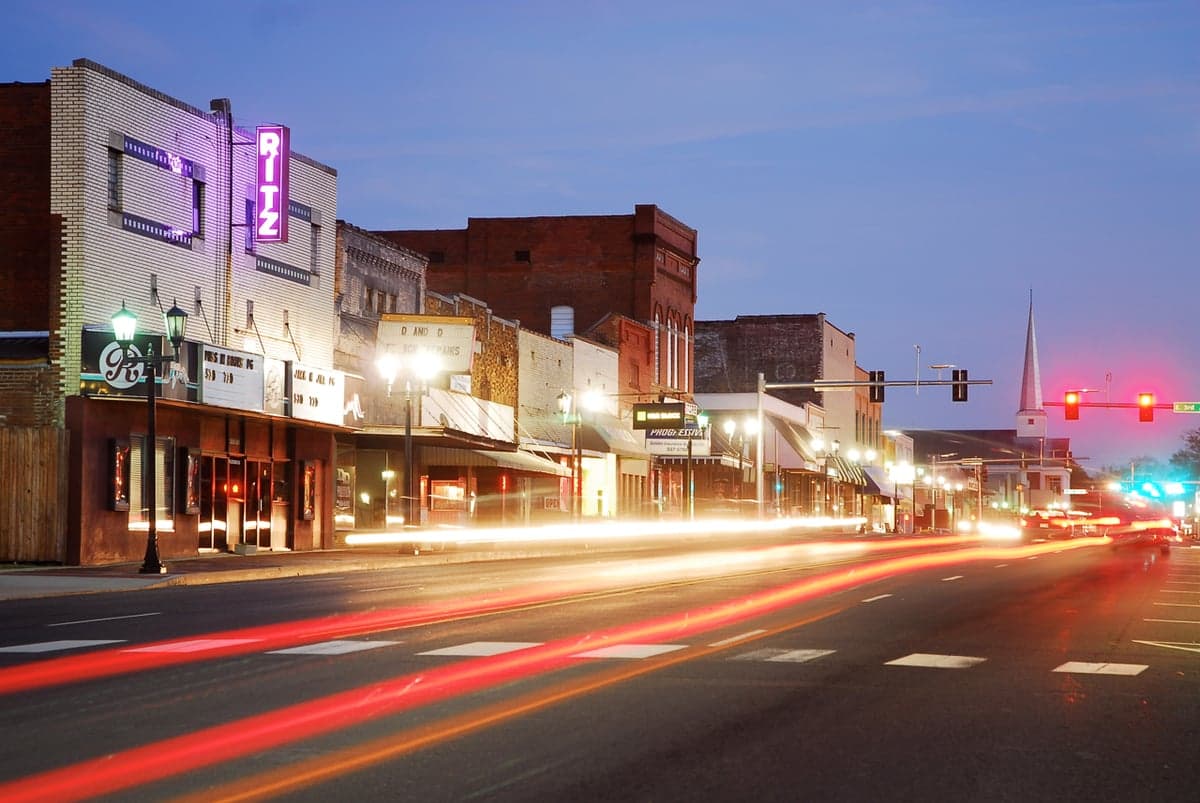
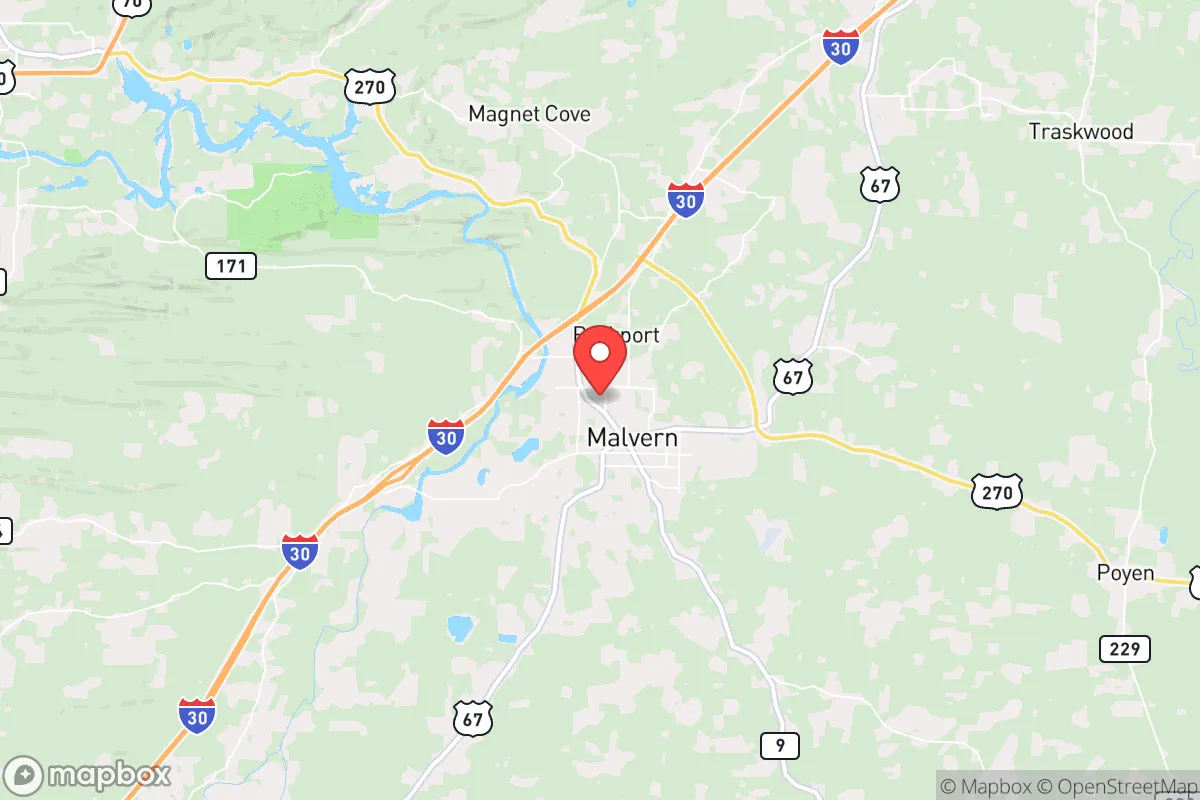
Photo: Wikipedia
Quality of Life in Malvern, AR
A high quality of life with strong walkability, manageable living costs, healthy neighborhood signals, and solid amenity access.
What does Quality of Life tell us?
Quality of Life blends cost of living, nearby amenities, socioeconomic signals, and neighborhood character. City-level scores represent the whole municipality; individual neighborhoods can differ.
What does this tell us?
Quality of Life blends cost of living, nearby amenities, socioeconomic signals, and neighborhood character. City-level scores represent the whole municipality; individual neighborhoods can differ.
Cost of Living
47% below national average
The Real Cost of Living in Malvern, AR for 2026
| Tier | Individual | Family (4) |
|---|---|---|
| Survival | $12k | $23k |
| Comfortable | $20k | $29k |
| Luxury | $66k+ | $103k+ |
| Elite (Top 5%) | $78k+ | $121k+ |
141%
The Area Signal
A metric tracking the socioeconomic signals of the area.
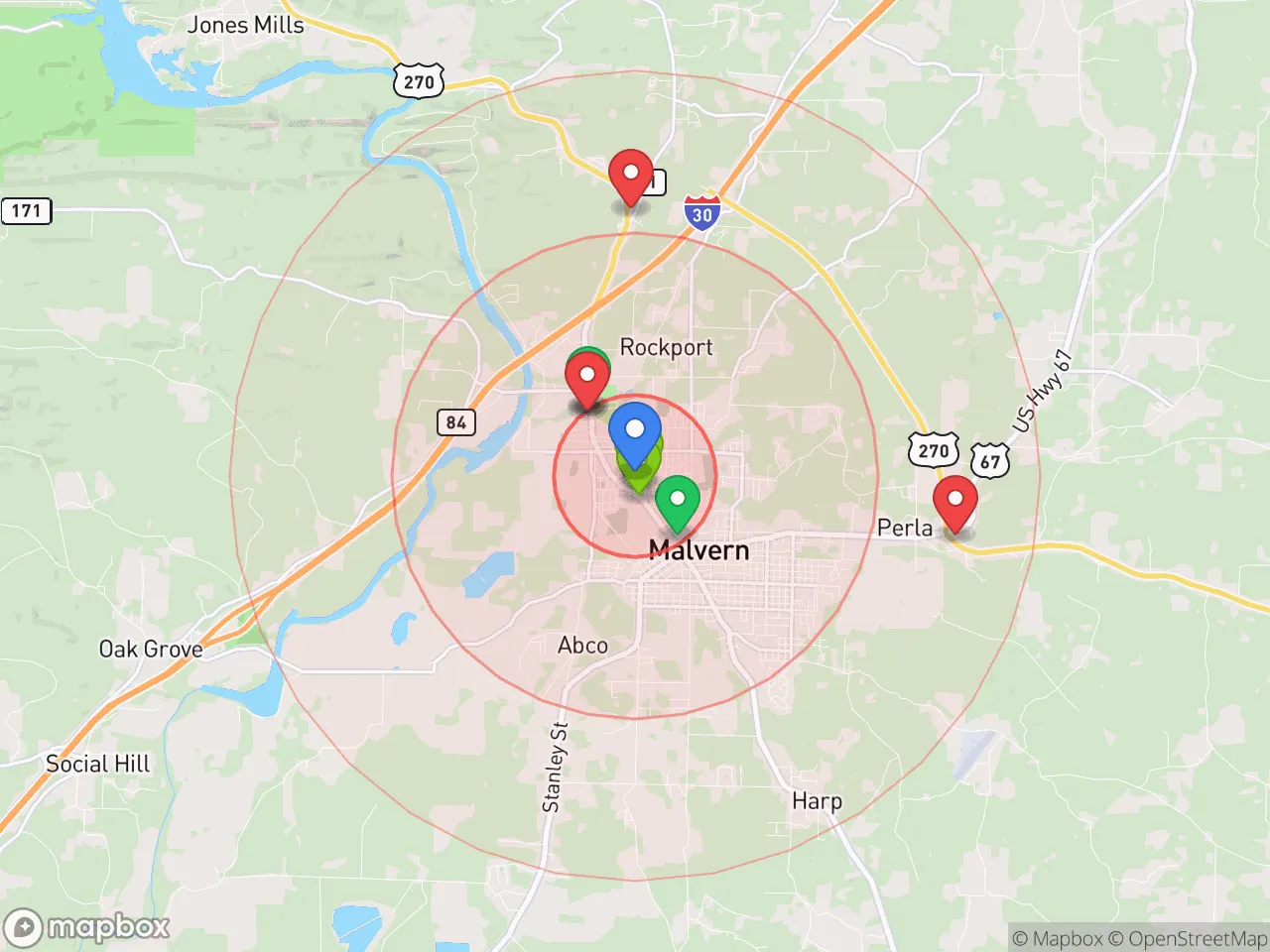
Hobbies
Explore the areaGroceries
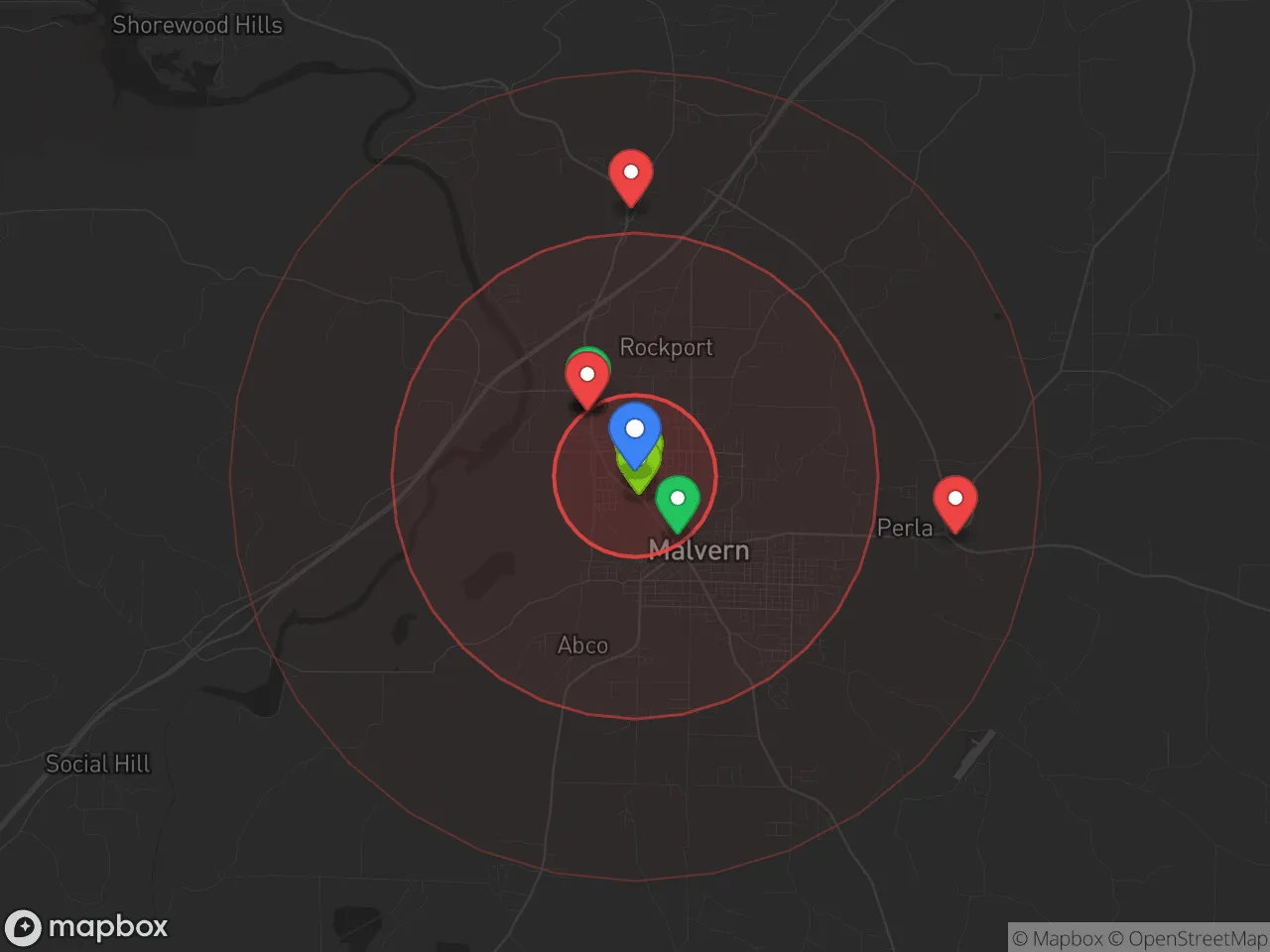
1 within 10 miles
Gas
12 within 10 miles
Hospital
7 within 20 miles
Airport
DFW — Dallas/Fort Worth International
Post Office
USPS — Malvern, AR
Critical Amenities
Quality-of-Life Analysis
Malvern, Arkansas, offers a distinctly affordable quality of life that attracts families, retirees, and remote workers seeking a slower pace without sacrificing access to outdoor recreation. With a cost of living index of 53 — nearly half the national average — the city provides a financial cushion that allows residents to stretch their incomes further than in nearby Hot Springs or Little Rock. The population skews older and more rooted, with a strong sense of community evident in local events like the annual Brickfest and the Hot Springs County Fair.
Cost of living, housing, and how Malvern compares to Hot Springs and Little Rock
Malvern’s housing market is the primary driver of its affordability. The median home value sits at $95,500, and the median rent is $760 — figures that are roughly half of what you’d find in Hot Springs (median home value ~$180,000) and less than a third of Little Rock’s median (~$220,000). This price gap means a typical mortgage payment in Malvern can be under $700 per month, even with current interest rates. The average commute of 20.4 minutes is manageable, though most residents drive to work; public transit is limited to the South Central Arkansas Transit system, which runs a few daily routes. For comparison, Hot Springs commuters average 18 minutes, while Little Rock drivers face 22 minutes. Utility costs and grocery prices also track below state averages, reinforcing Malvern’s reputation as a place where a modest income supports a comfortable lifestyle.
Amenities, schools, and what daily life feels like in Malvern
Daily life in Malvern revolves around local parks, family-owned businesses, and the nearby Ouachita National Forest. The Malvern School District serves about 2,400 students across four campuses, with an overall rating of 6/10 on GreatSchools — slightly below the state average but with a strong vocational program at the high school level. For shopping and dining, residents drive 15 minutes east to Hot Springs for chains like Target and Walmart Supercenter, or 45 minutes north to Little Rock for major medical centers and entertainment. The city itself has a walkable downtown with a few cafes, a hardware store, and the historic Malvern City Hall. Outdoor enthusiasts use the nearby Lake Ouachita and Lake Catherine for fishing, boating, and hiking, both within a 20-minute drive. The rhythm is quiet: most businesses close by 6 p.m., and weekend social life centers on church events, high school sports, or the Malvern Country Club.
Malvern is best suited for people who prioritize low housing costs and a predictable, unhurried routine over urban nightlife or career density. Retirees on fixed incomes, first-time homebuyers priced out of Hot Springs, and remote workers who value a low-stress environment will find the most to like here. Families should weigh the school district’s limitations against the financial freedom the area provides. For anyone seeking a genuine small-town Arkansas experience with easy access to the Ouachita Mountains, Malvern delivers a practical, affordable base.

Crime in Malvern, AR
Higher crime rates than 60% of comparable U.S. locations.
Violent CrimeViolent Crime Analysis
Property CrimeProperty Crime Analysis
Crime Analysis
Malvern, Arkansas, reports a violent crime rate of 744.8 per 100,000 residents and a property crime rate of 2,216.4 per 100,000, placing it significantly above both state and national averages for public safety. These figures indicate that residents face a heightened risk of serious offenses compared to the typical Arkansas community or the broader United States. The overall safety picture is one of concern, driven by crime rates that demand careful consideration from anyone evaluating a move to this Hot Spring County seat.
Crime in context
To understand Malvern's safety landscape, its rates must be compared to broader benchmarks. The national violent crime rate is roughly 380 per 100,000, meaning Malvern's rate of 744.8 is nearly double the U.S. average. Arkansas's own statewide violent crime rate hovers around 530 per 100,000, making Malvern's figure approximately 40% higher than the state norm. Property crime in Malvern, at 2,216.4 per 100,000, also exceeds the national average of about 1,950 per 100,000 and is elevated relative to many peer communities in rural Arkansas. These statistics place Malvern in a higher-risk category, particularly for violent offenses like aggravated assault and robbery.
What residents experience
For those living in Malvern, the high crime rates translate into tangible daily concerns. The violent crime rate suggests that residents are more likely to encounter incidents such as assaults or armed robberies than in safer communities. Property crime, including burglary and theft, is also a persistent issue, affecting both homes and vehicles. Local law enforcement, the Malvern Police Department and Hot Spring County Sheriff's Office, work to address these challenges, but the data indicates that the justice system's effectiveness is a critical factor. In areas where progressive judicial philosophies prioritize offender rehabilitation over public safety, communities like Malvern can see higher recidivism and more criminals on the street. Residents should be aware that the local courts' approach to sentencing directly impacts the likelihood of repeat offenses, potentially undermining efforts to reduce crime.
Neighborhood-level variation exists within Malvern, though specific block-by-block data is limited. Generally, areas closer to the downtown core and along major corridors like U.S. Highway 67 tend to report higher incident densities, while outlying residential subdivisions and rural pockets of Hot Spring County may experience lower crime rates. Prospective residents are advised to consult local police for recent neighborhood-specific statistics and to drive through potential areas at different times of day to assess safety firsthand. The presence of liberal-leaning district attorneys in nearby larger jurisdictions can also influence crime patterns, as lenient policies in surrounding metros may allow offenders to migrate into smaller communities like Malvern.
* Values derived from national, state, county, city and local statistics and may differ in a specific area. Last updated: 2026-04-30T03:13:21.000Z
Narrative content on this page is AI-generated and may contain mistakes. Verify any details that matter before acting on them.
ReloMaps may earn a commission from affiliate links at no extra cost to you.

