Demographics of Manhattan, MT
Affluence Level in Manhattan, MT
An upper-middle-class area. Household wealth, education levels, and homeownership run ahead of national benchmarks.
People of Manhattan, MT
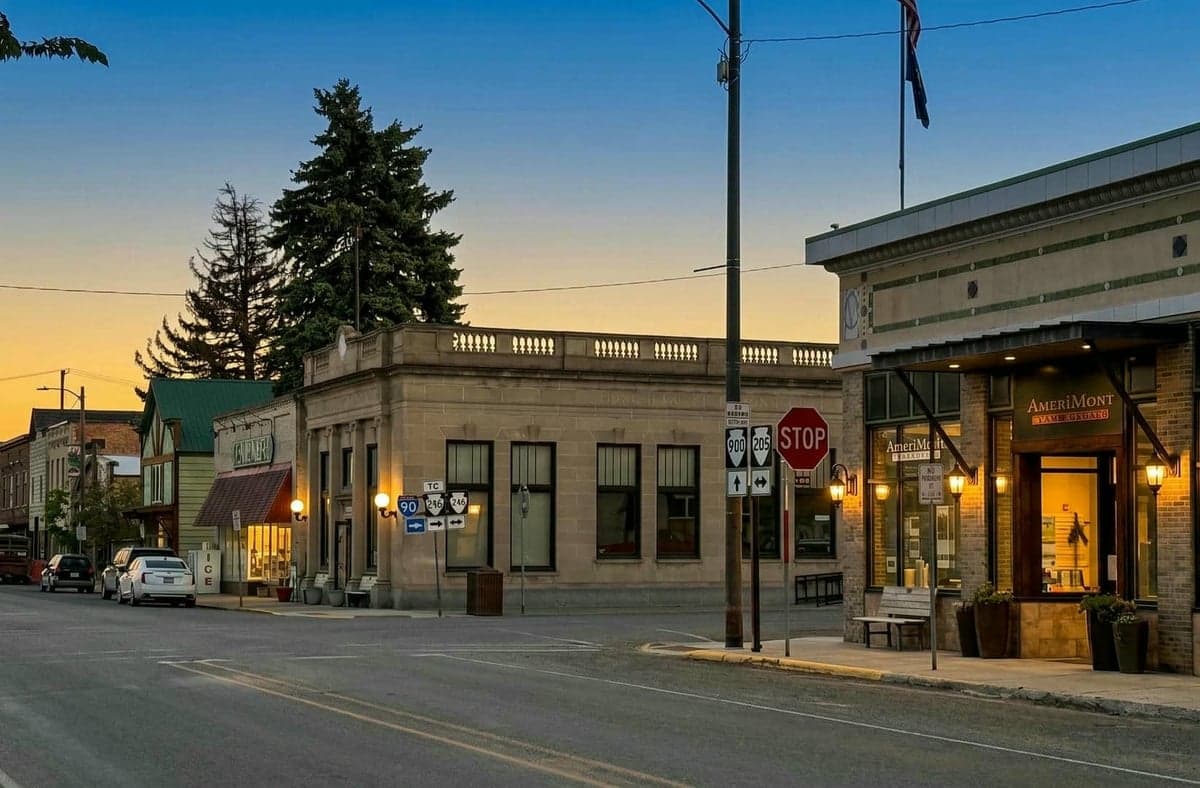
Manhattan, Montana, is a small, tight-knit agricultural community of 2,149 residents where 91.7% of the population identifies as White and the foreign-born share stands at 0.0%. The town’s character is defined by its deep roots in farming and ranching, a strong sense of local independence, and a notably homogeneous demographic profile that reflects its historical settlement patterns. With 32.9% of adults holding a college degree, Manhattan attracts a mix of working families and professionals seeking a quiet, rural lifestyle within commuting distance of Bozeman.
How the city was settled and grew
Manhattan was founded in the 1880s as a railroad town along the Northern Pacific line, originally named "Hamilton" before being renamed to avoid confusion with another Montana town. The first wave of settlers were primarily Anglo-American homesteaders drawn by the promise of fertile Gallatin Valley farmland and the railroad’s access to eastern markets. These early residents built the core of what is now Old Town Manhattan, centered around the railroad depot and Main Street, where grain elevators and stockyards anchored the local economy. A second wave arrived in the early 1900s, including German and Scandinavian immigrant farmers who established homesteads in the surrounding rural areas, particularly in the West Side district west of the railroad tracks. These groups shaped the town’s agricultural identity, with wheat, barley, and cattle operations dominating the landscape. By the mid-20th century, Manhattan remained a small, predominantly White farming community, with little industrial or commercial development beyond what served the local agricultural base.
Modern era (post-1965)
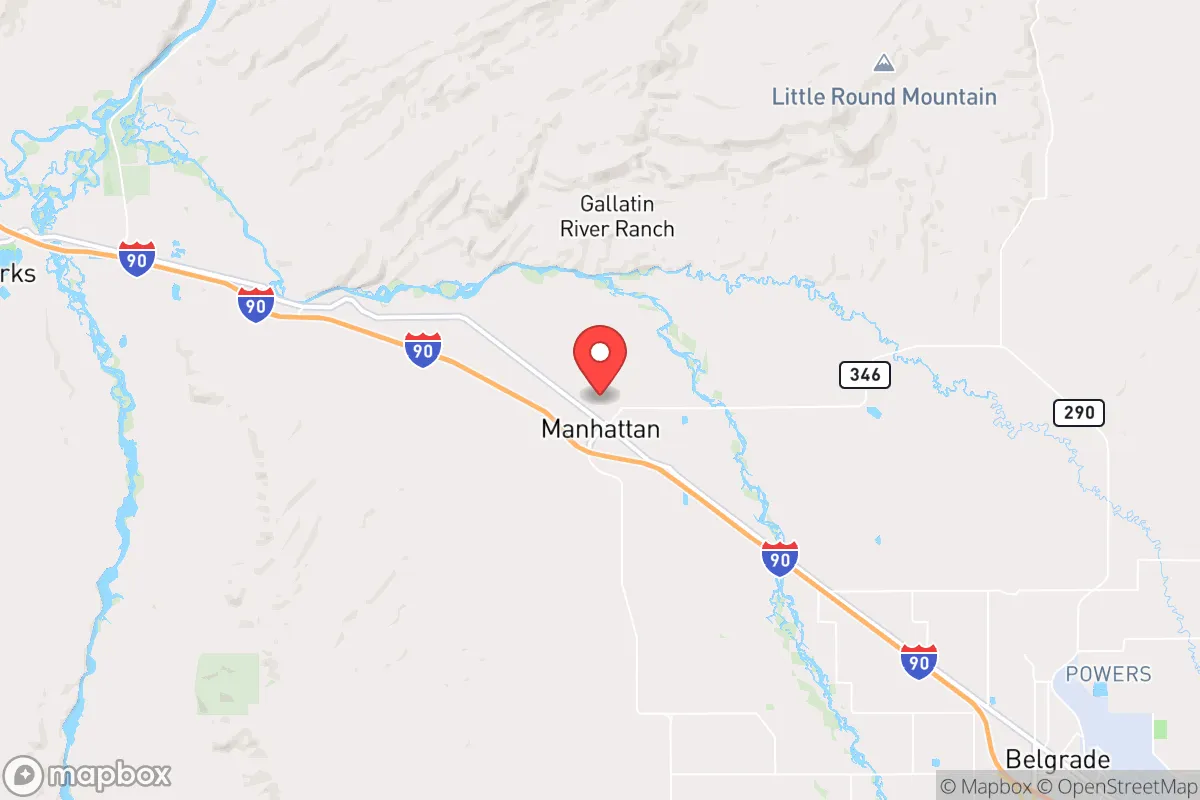
After the 1965 Hart-Cellar Act, Manhattan saw virtually no immigration-driven demographic change, as the foreign-born population remains at 0.0% today. Instead, the modern era has been defined by domestic in-migration from other parts of Montana and the western U.S., driven by the expansion of Bozeman’s economy and housing market. Since the 1990s, a growing number of professionals, retirees, and remote workers have moved to Manhattan seeking lower home prices and a slower pace than Bozeman, while still commuting 15 miles north for work. These newcomers have concentrated in newer subdivisions like Gallatin Valley Estates and Mountain View Acres, located on the town’s eastern and southern edges. The Hispanic population, now at 3.9%, is a small but visible presence, largely consisting of families working in agricultural labor and service industries, with many living in rental housing near the South Side industrial area. The Black and Asian populations remain at 0.0%, reflecting the town’s continued lack of racial diversity. The Old Town neighborhood has seen some reinvestment, with historic homes being renovated by younger families, but the overall demographic profile has remained overwhelmingly White and native-born.
The future
Manhattan’s population is projected to grow modestly over the next 10–20 years, driven by continued spillover from Bozeman’s housing crisis and the appeal of rural living for remote workers. However, the town is likely to remain highly homogeneous, as the 0.0% foreign-born share shows no signs of increasing due to the lack of immigrant-attracting industries or established ethnic communities. The Hispanic population may grow slowly through natural increase and continued agricultural labor demand, but it will likely remain a small minority. The town is not tribalizing into distinct enclaves; instead, newcomers and long-time residents are blending into a single, largely White, middle-class community centered on the Old Town core and newer subdivisions. The biggest demographic shift will be the gradual aging of the population, as retirees from Bozeman and elsewhere settle in Manhattan, potentially increasing demand for healthcare and senior services.
For someone moving in now, Manhattan offers a stable, safe, and culturally conservative environment where community ties are strong and change is gradual. The town is becoming a bedroom community for Bozeman’s workforce while retaining its agricultural roots, making it a practical choice for families and individuals who value low crime, good schools, and a predictable social landscape. The lack of diversity and foreign-born population means newcomers should expect a culturally uniform setting, but one where neighborly relationships and local involvement are highly valued.

* Values derived from national, state, county, city and local statistics and may differ in a specific area. Last updated: 2026-04-30T03:30:33.000Z
Narrative content on this page is AI-generated and may contain mistakes. Verify any details that matter before acting on them.
ReloMaps may earn a commission from affiliate links at no extra cost to you.

