Find The Best Places To Live
in Manhattan
PRO TIP! You can paste a Zillow or Redfin link to get info on that property.
What It's Like Living in Manhattan, MT
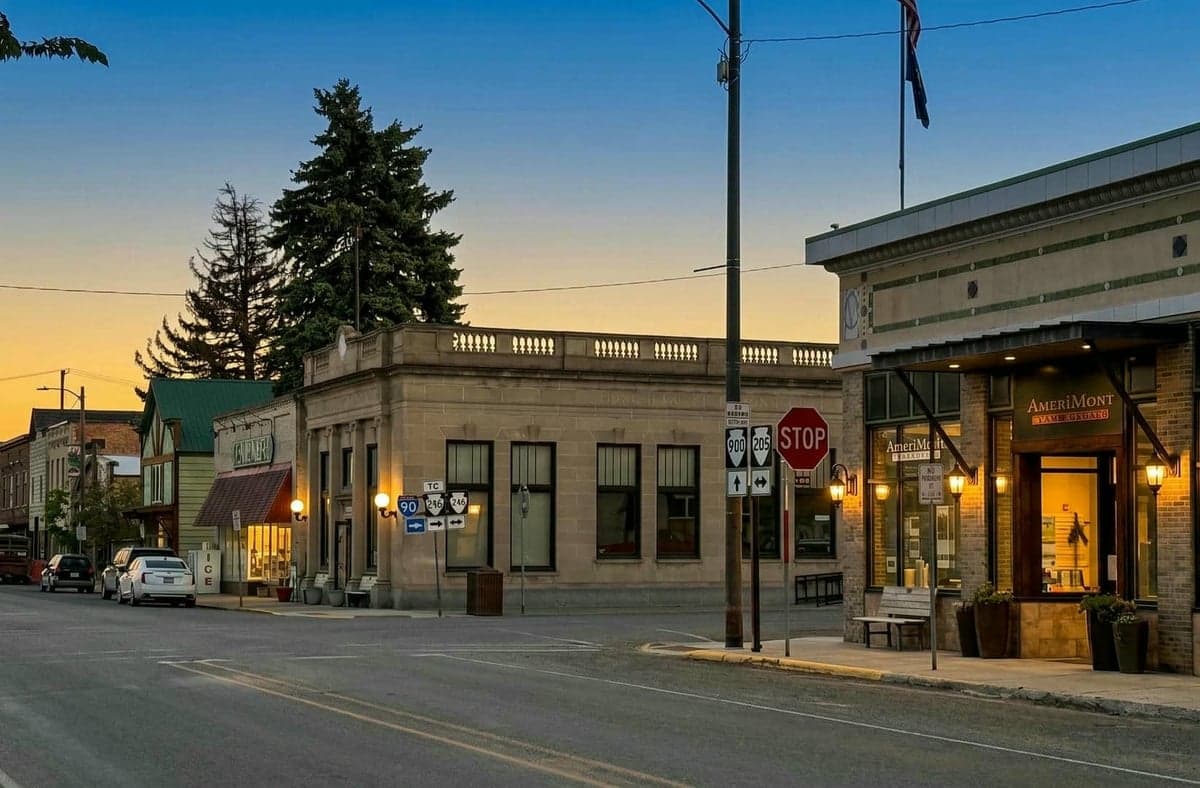
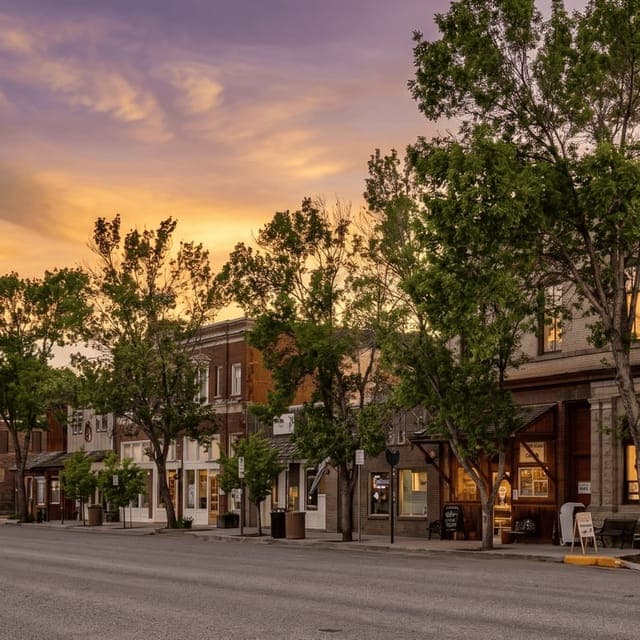
Manhattan, Montana, feels less like a suburb and more like a small town that happens to sit in the shadow of a bigger one. With just over 2,100 residents, it’s the kind of place where you wave at the same people at the gas station, the high school football game is the Friday night event, and the biggest decision you’ll make all week is whether to grab a burger at the local bar or drive the 15 minutes into Bozeman. It’s quiet, conservative, and unpretentious — a deliberate choice for people who want Montana living without the full-on isolation of a ranch.
The Daily Rhythm: Slow Mornings and Short Commutes
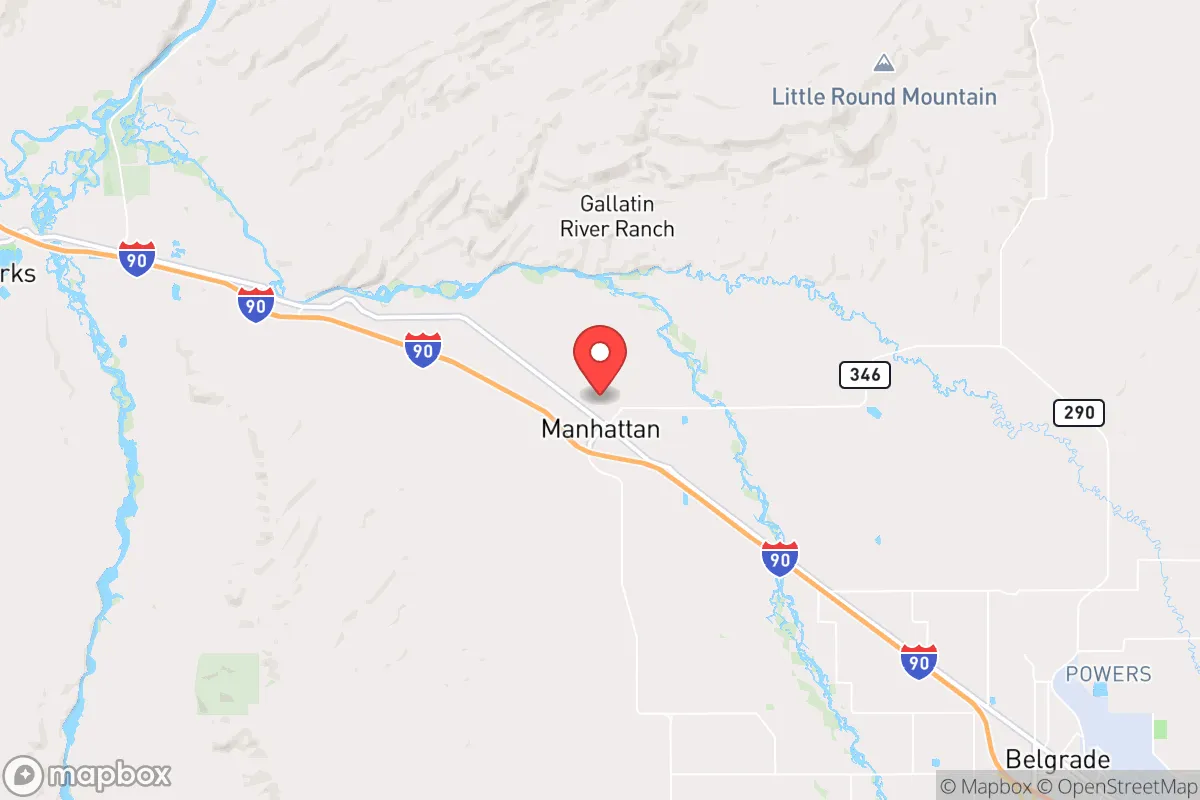
Life here moves at a pace that can feel jarring if you’re coming from a city. The average commute clocks in at just over 19 minutes — a number that reflects how many residents work in Bozeman or Belgrade but choose to live in Manhattan for the slower tempo. Mornings often start with coffee at a local spot or a quick stop at the Manhattan Grocery, and weekends are frequently spent on yard work, fishing the Gallatin River, or driving to Bridger Bowl for skiing. The median age of 41.5 suggests a community of established families and mid-career professionals rather than a transient college crowd. That’s a key distinction: this isn’t a party town. It’s a place where people prioritize space, quiet, and a lower-key social life.
Sports, Community, and the School as a Hub
High school sports are the heartbeat of Manhattan’s social calendar. The Manhattan Tigers — football, basketball, volleyball — draw crowds that fill the bleachers on Friday nights, and the local bar often buzzes with post-game chatter. There’s no pro team within an hour, and while Bozeman’s Montana State Bobcats are a popular weekend trip, the real loyalty here is to the local kids. The school system itself is a major community anchor; parents are heavily involved, and the school’s events double as town gatherings. If you don’t have kids, you’ll still find yourself at the occasional game or fundraiser, because that’s just how a town of 2,100 works. The violent crime rate of 96.9 per 100,000 is low enough that most people don’t lock their doors during the day — a fact that longtime residents mention with a mix of pride and a warning not to take it for granted.
What’s There to Do: Local Hangouts and Outdoor Access
Entertainment options are limited but intentional. The Manhattan Bar and the Roadhouse are the two main watering holes — unpretentious spots where you can grab a beer, play pool, and catch up with neighbors. For food, the options are few but solid: the Manhattan Cafe for breakfast, and the Pizza House for a casual dinner. Most residents accept that for a proper night out — say, a nice dinner or a concert — you’re driving to Bozeman. The upside is that you’re 15 minutes from world-class fly fishing on the Gallatin, 30 minutes from Bridger Bowl skiing, and an hour from Yellowstone National Park. The cost of living index sits at 153 — well above the national average — and that’s driven almost entirely by housing. The median home value of $460,400 is steep for a town this size, and it reflects the pressure of Bozeman’s spillover market. Rents are similarly high, and inventory is tight.
Pros and Cons of Living Here
- Pro: Genuine community feel. Neighbors know each other, help with snow removal, and look out for each other’s kids. It’s the kind of place where you can build real connections quickly if you make an effort.
- Pro: Outdoor access. You’re minutes from the Gallatin River, the Bridger Mountains, and some of the best hiking and fishing in the state. For outdoor enthusiasts, it’s hard to beat.
- Con: Limited amenities. There’s no movie theater, no gym, no sit-down restaurant beyond a few basics. You’ll drive to Bozeman for most errands and entertainment. That 19-minute commute becomes 30-40 minutes round trip for a grocery run if you want a bigger selection.
- Con: Housing costs. The median income of $69,671 doesn’t stretch as far here as it would in most of the country. Only about a third of adults hold a college degree, which reflects a mix of tradespeople, remote workers, and service-industry folks — but the housing market increasingly favors higher-income newcomers.
- Con: Winter can feel isolating. Snow and cold last from November through March, and the town quiets down significantly. If you don’t ski or snowmobile, the social scene shrinks fast.
Who Fits In — and Who Doesn’t
Manhattan works best for people who value quiet, space, and a slower rhythm over convenience and variety. It’s a natural fit for families who want their kids to grow up in a small school with strong community ties, and for remote workers or tradespeople who don’t mind a short commute to Bozeman for supplies and social life. It’s less ideal for singles looking for a dating scene, nightlife, or cultural diversity — the town is overwhelmingly white, conservative, and family-oriented. The median age and income suggest a community of established adults rather than young renters. If you’re a parent who wants your kids to play outside unsupervised and know every neighbor by name, Manhattan delivers. If you want a vibrant downtown and a new restaurant to try every weekend, you’ll find yourself frustrated within a year. It’s a trade-off, and the people who stay here are the ones who made peace with it long ago.

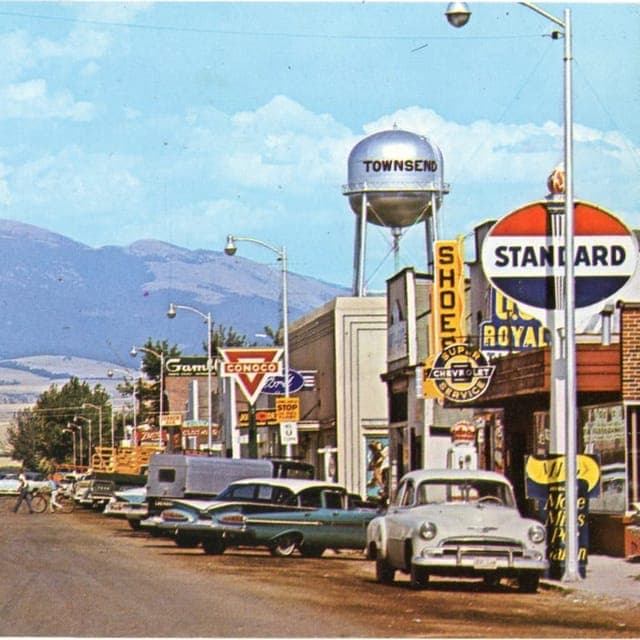
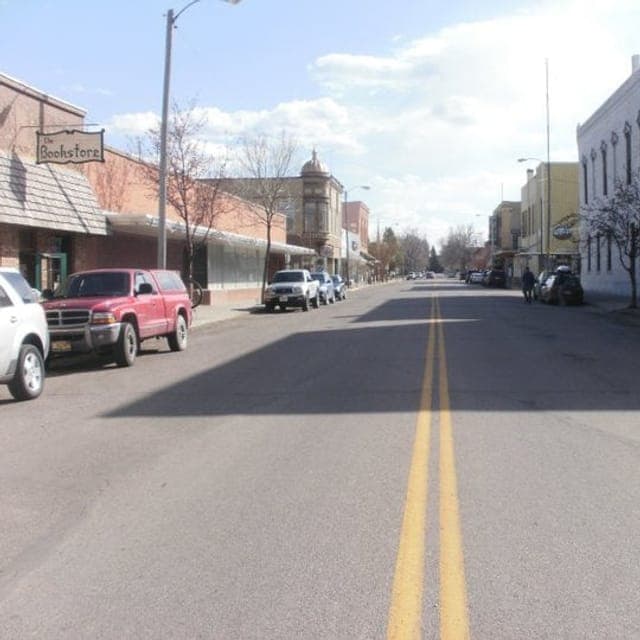
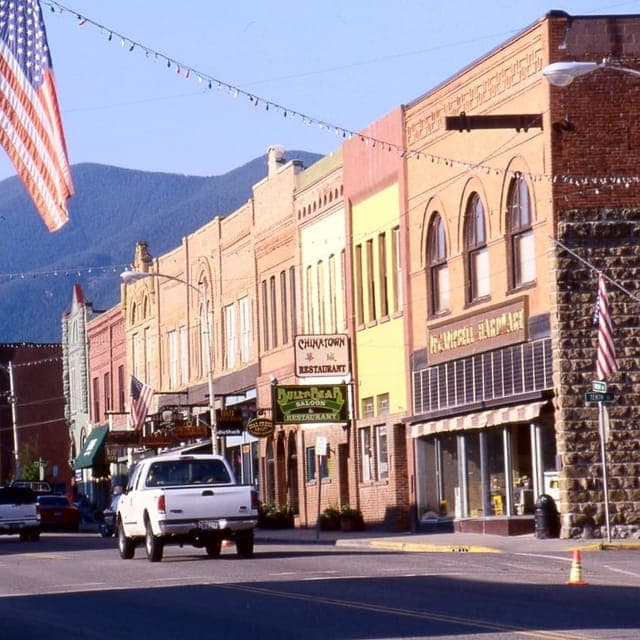
Similar small towns to Manhattan

* Values derived from national, state, county, city and local statistics and may differ in a specific area. Last updated: 2026-04-30T03:30:33.000Z
Narrative content on this page is AI-generated and may contain mistakes. Verify any details that matter before acting on them.
ReloMaps may earn a commission from affiliate links at no extra cost to you.

