Quality of Life in Manhattan, MT
A high quality of life with strong walkability, manageable living costs, healthy neighborhood signals, and solid amenity access.
What does Quality of Life tell us?
Quality of Life blends cost of living, nearby amenities, socioeconomic signals, and neighborhood character. City-level scores represent the whole municipality; individual neighborhoods can differ.
What does this tell us?
Quality of Life blends cost of living, nearby amenities, socioeconomic signals, and neighborhood character. City-level scores represent the whole municipality; individual neighborhoods can differ.
Cost of Living
53% above national average
The Real Cost of Living in Manhattan, MT for 2026
| Tier | Individual | Family (4) |
|---|---|---|
| Survival | $27k | $51k |
| Comfortable | $89k | $131k |
| Luxury | $126k+ | $195k+ |
53%
The Area Signal
A metric tracking the socioeconomic signals of the area.
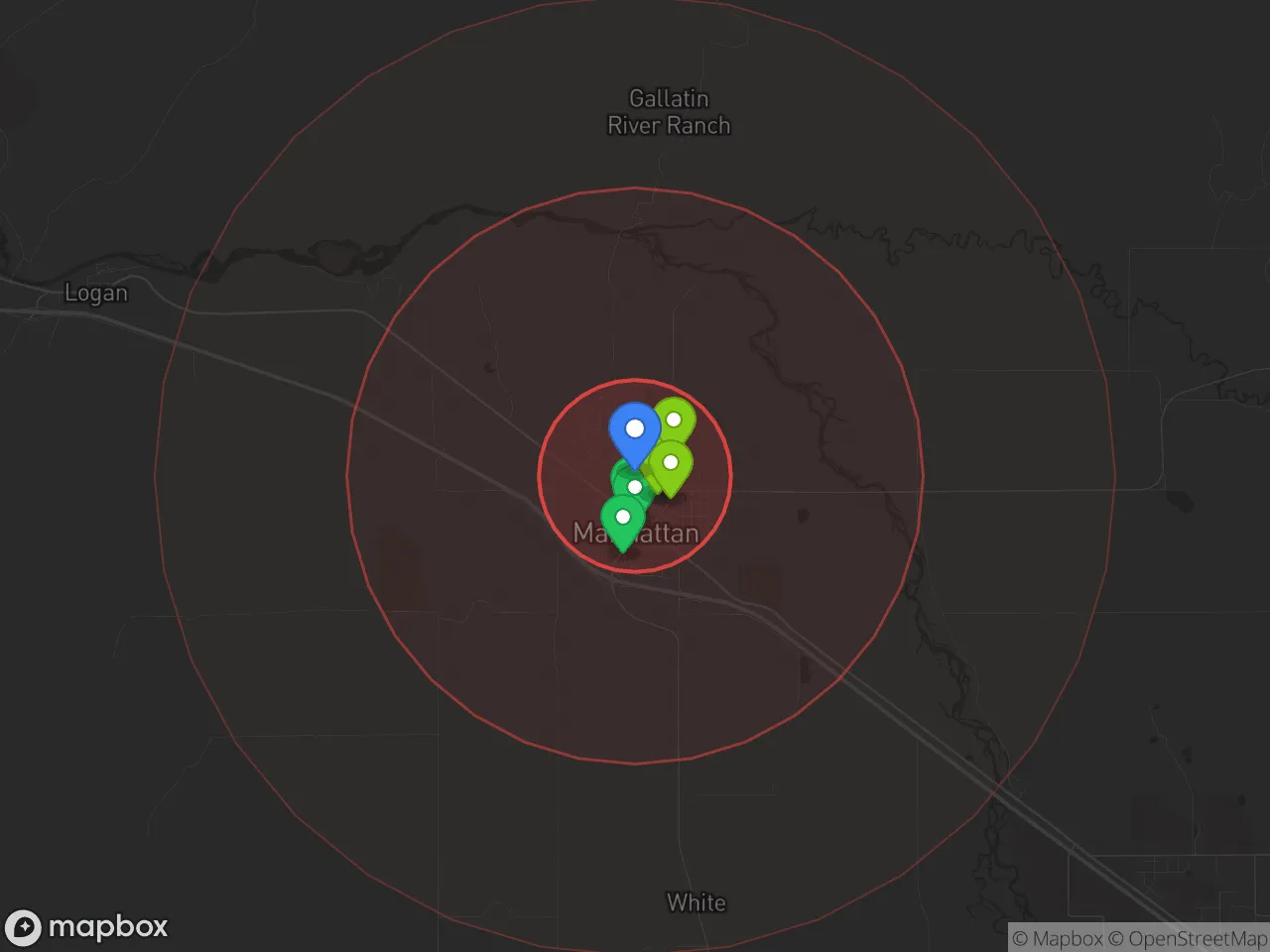
Hobbies
Explore the areaGroceries
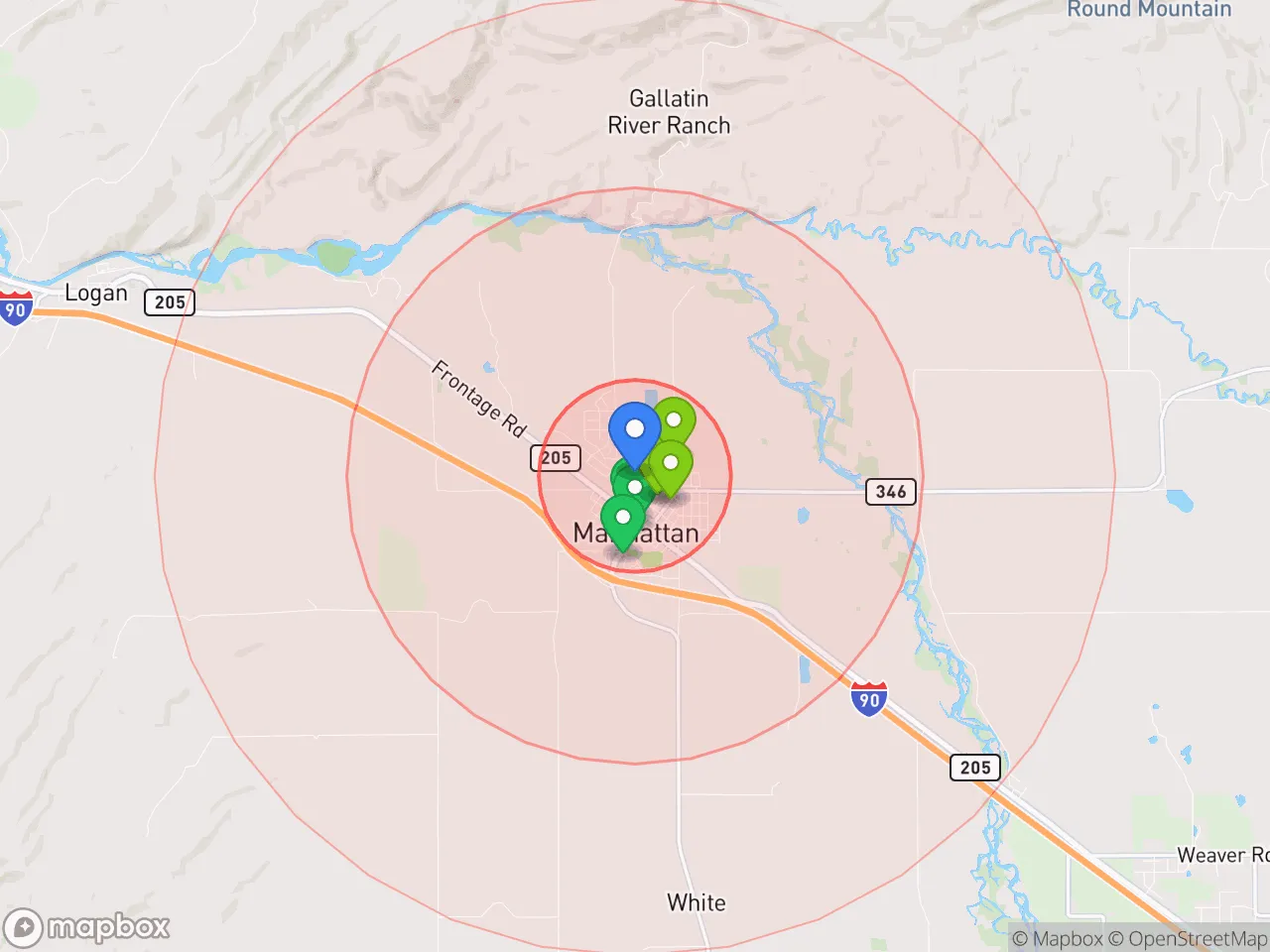
1 within 10 miles
Gas
11 within 10 miles
Hospital
1 within 20 miles
Airport
SLC — Salt Lake City International
Post Office
USPS — Belgrade, MT
Critical Amenities
Quality-of-Life Analysis
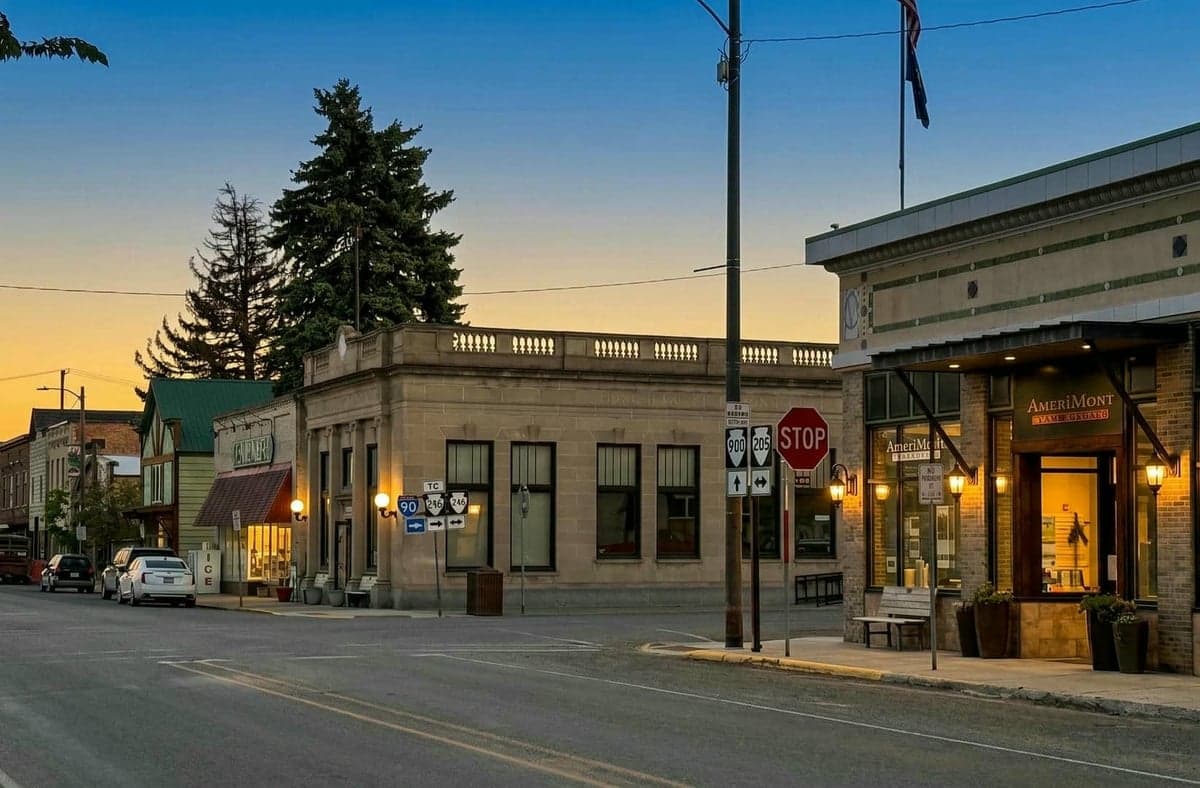
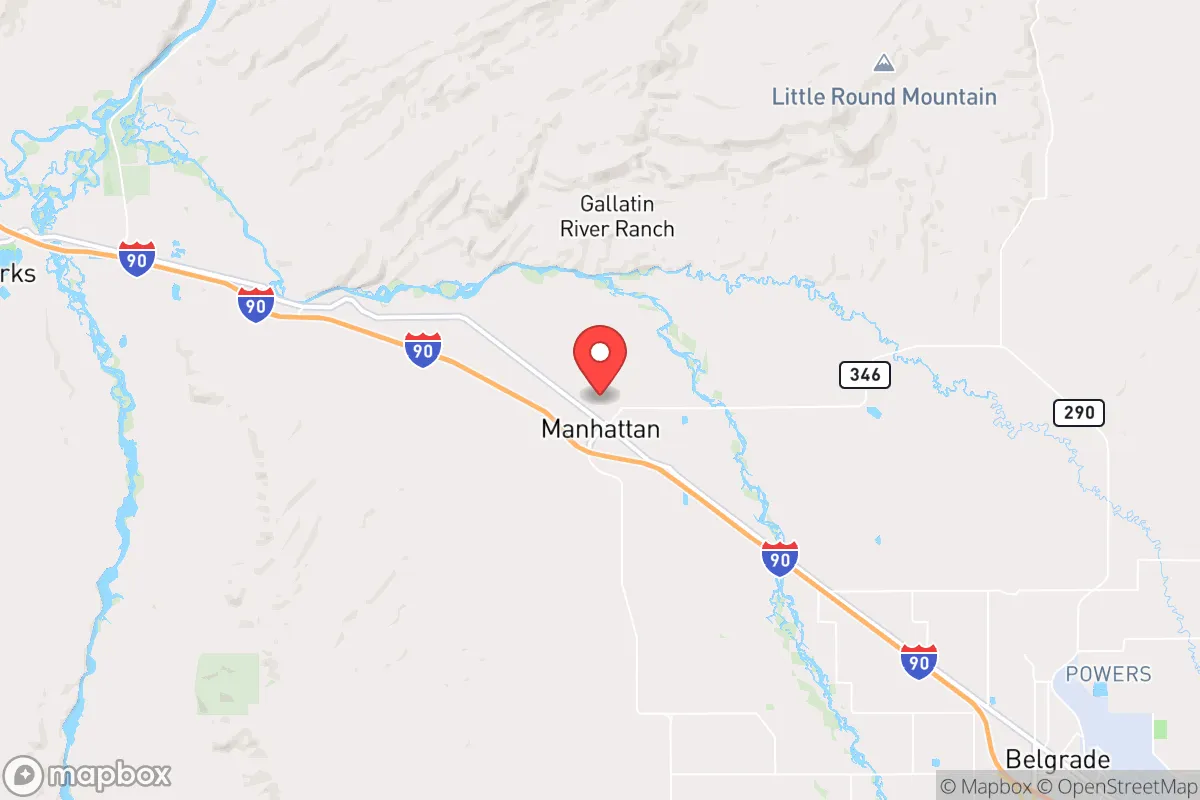
Manhattan, Montana, is a small, affluent agricultural community in Gallatin County, where the median home value of $460,400 and a cost-of-living index of 153 (53% above the U.S. average) signal a high barrier to entry. The area attracts a mix of Montana State University faculty, Bozeman commuters, and long-time ranching families who value wide-open spaces and a tight-knit rural atmosphere. With a population hovering around 2,000, Manhattan offers a quieter, land-based lifestyle compared to the tourist-driven bustle of Bozeman, 12 miles to the northeast.
Cost of living, housing affordability, and how Manhattan compares to Bozeman and Three Forks
Manhattan’s cost-of-living index of 153 is driven almost entirely by housing: the median home value of $460,400 is roughly 15% lower than Bozeman’s median but still more than double the national figure. Renters face a median monthly rent of $1,700, which is comparable to Bozeman but significantly higher than in nearby Three Forks (where median rent hovers around $1,200). The average commute of just over 19 minutes is notably shorter than Bozeman’s 22-minute average, reflecting Manhattan’s role as a bedroom community where many residents work in Bozeman or Belgrade. Property taxes in Gallatin County are moderate for Montana, but the combination of high home prices and limited inventory means first-time buyers often look to Three Forks or Willow Creek for more affordable entry points. For renters, the $1,700 median places Manhattan in the top 10% of Montana towns by rental cost, making it a premium choice for those who prioritize space and quiet over urban amenities.
Local amenities, schools, and what daily life feels like in Manhattan
Daily life in Manhattan revolves around the historic downtown strip along Main Street, anchored by the iconic Manhattan Bar & Grill and a handful of locally owned shops. The Manhattan Public Schools serve roughly 500 students from pre-K through 12th grade, with a student-teacher ratio of 14:1 and strong extracurricular programs in FFA and rodeo—reflecting the area’s agricultural roots. For groceries and daily errands, most residents drive to the Bozeman Costco or the Albertsons in Belgrade, as Manhattan lacks a full-service supermarket. The Gallatin Valley’s outdoor recreation is a major draw: the Madison River (a blue-ribbon trout fishery) is a 15-minute drive west, and the Bridger Mountains’ hiking and skiing are 30 minutes east. The town’s rhythm is slow and neighborly, with community events like the annual Labor Day Rodeo and the Fourth of July parade drawing nearly the entire population. Internet connectivity is improving, with fiber-optic service from Spectrum now available in most of the town, supporting remote workers who choose Manhattan for its lower home prices relative to Bozeman.
Manhattan is best suited for families and professionals who value space, low crime, and a strong sense of community over nightlife or shopping variety. The high cost of living and limited rental inventory make it a poor fit for budget-conscious renters or single workers without a vehicle. Retirees and remote workers who can afford the premium will find a quiet, safe environment with easy access to Bozeman’s medical facilities (Bozeman Health Deaconess Hospital is 20 minutes away) and the Gallatin Valley’s recreational assets. For those who prioritize land, privacy, and a slower pace—and can absorb the 53% cost-of-living premium—Manhattan offers a distinctly Montana quality of life that few other towns in the region can match.

Crime in Manhattan, MT
Lower crime rates than 89% of comparable U.S. locations.
Violent CrimeViolent Crime Analysis
Property CrimeProperty Crime Analysis
Crime Analysis
Manhattan, Montana, presents a notably safe environment compared to both state and national benchmarks, with violent crime rates far below the U.S. average. The town's property crime rate, while higher than the state median, remains lower than the national figure, reflecting a community where serious incidents are rare but residents should still take standard precautions. The overall safety picture is positive, though the influence of progressive judicial philosophies in nearby larger jurisdictions is a factor to monitor for potential spillover effects.
Crime in context
Manhattan's violent crime rate of 96.9 incidents per 100,000 residents is dramatically lower than the U.S. average of roughly 380 per 100,000 and sits well below Montana's state average of approximately 300 per 100,000. This places the town among the safest small communities in the Gallatin Valley. Property crime, at 775.6 per 100,000, is about 30% lower than the national average of roughly 1,100 per 100,000 but slightly above Montana's state average of around 700 per 100,000. The primary property crime concern is vehicle break-ins and theft of outdoor equipment, common in rural Montana towns with transient populations. While Manhattan itself is not a high-crime area, its proximity to Bozeman—a growing metro area where progressive district attorneys have been elected—raises a cautionary note. In jurisdictions with lenient sentencing and pretrial release policies, property crime often rises as repeat offenders cycle through the system, and some of that criminal activity can radiate into surrounding communities like Manhattan.
What residents experience
Daily life in Manhattan is characterized by a low fear of violent crime. Residents commonly leave doors unlocked during the day and children play outside without constant supervision. The most frequent complaints to the Gallatin County Sheriff's Office (which patrols the town) involve theft from vehicles, minor vandalism, and occasional trespassing. The town's small size—roughly 2,000 residents—means most crime is opportunistic rather than organized. However, the broader judicial environment in Gallatin County warrants attention. Progressive policies such as cash-bail reform and reduced prosecution of low-level property offenses have been implemented in Bozeman's courts, and while Manhattan's own crime rates remain low, the risk of recidivist offenders traveling from the larger metro area is a real concern for long-term safety trends. Residents should remain vigilant about securing property and reporting suspicious activity.
Neighborhood-level variation is minimal in Manhattan due to its compact geography. The older residential core near the historic railroad depot sees slightly higher foot traffic and occasional petty theft, while newer subdivisions on the town's periphery experience fewer incidents. The most significant safety differential is between Manhattan and the unincorporated areas south toward I-90, where isolated rural properties face higher risks of burglary. Overall, Manhattan remains a safe choice for families and retirees, provided residents stay aware of regional crime patterns driven by policies in the nearby metro area.
* Values derived from national, state, county, city and local statistics and may differ in a specific area. Last updated: 2026-04-30T03:30:33.000Z
Narrative content on this page is AI-generated and may contain mistakes. Verify any details that matter before acting on them.
ReloMaps may earn a commission from affiliate links at no extra cost to you.

