Political ClimatePolitical Climate in Manhattan, MT
District shown is the primary district for this city’s centroid. Cities may span multiple districts.
Local Political AnalysisPolitical Analysis of Manhattan, MT
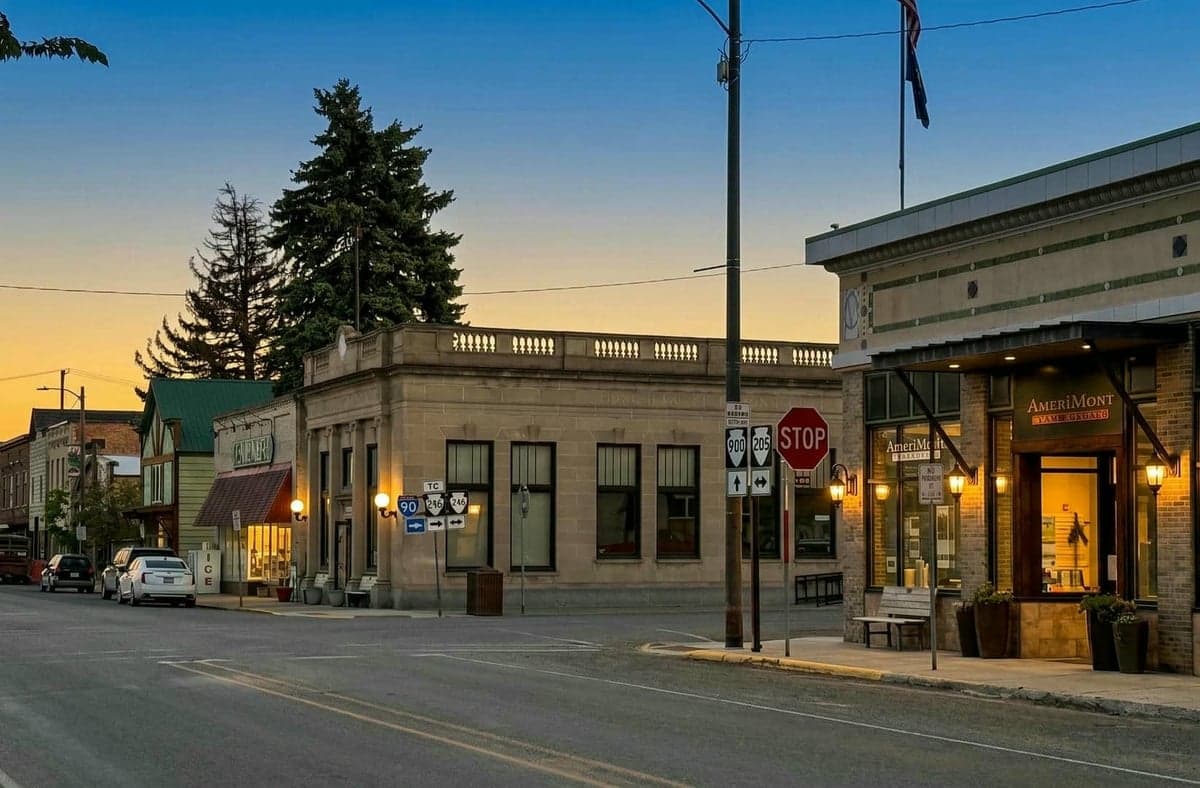
Manhattan, Montana, leans reliably conservative, with a Cook PVI of R+5 that reflects a community where traditional values and limited government are still the default. But if you’ve been around here as long as I have, you’ve seen the winds shifting—slowly, but surely. The old-timers who built this town on ranching and railroad work are being joined by folks from Bozeman and beyond, and while most still vote red, the political temperature is getting warmer. The real story isn’t just about party registration; it’s about how much government you’re willing to tolerate in your daily life, and that’s where the friction is starting to show.
How it compares
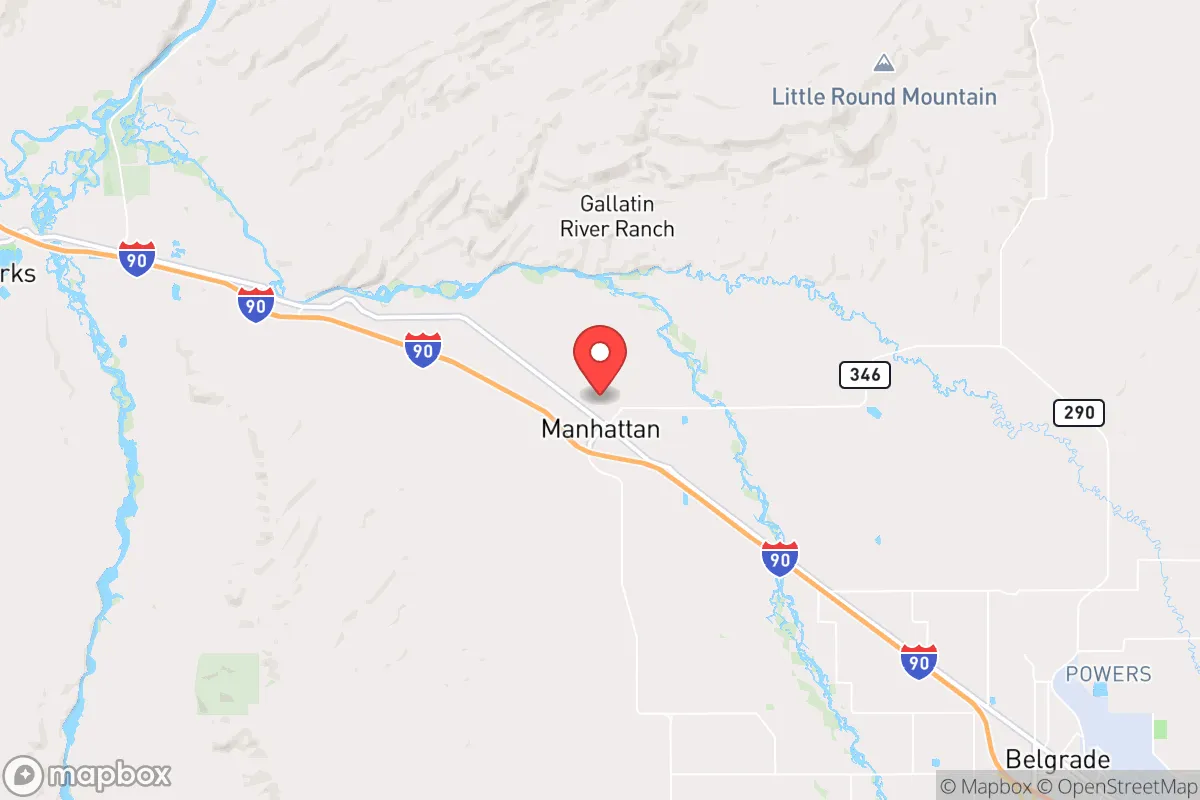
Drive 15 miles north to Bozeman, and you’re in a different world—Gallatin County has been trending blue for years, with a growing tech and university crowd pushing progressive policies on land use, taxes, and public health mandates. Manhattan sits in a sweet spot: close enough to Bozeman for jobs and shopping, but far enough to keep the county commission from imposing the same kind of zoning overreach or mask mandates that have soured so many on the bigger city. Compare us to Three Forks or Willow Creek to the west, and you’ll find a similar conservative bent, but Manhattan’s proximity to Bozeman means we get more pressure to “modernize.” The R+5 rating is a snapshot, but it doesn’t capture the quiet worry that a few more election cycles could tip the balance if we’re not careful.
What this means for residents
For now, living in Manhattan means you can still run a small business without a stack of permits, send your kids to a school that hasn’t gone full DEI, and expect your sheriff to enforce the law without political grandstanding. But the warning signs are there: Bozeman’s city council has floated rent control and density mandates, and some of those same activists are eyeing our little town as the next frontier. The real concern is that state-level pressure from Helena—whether it’s property tax hikes or new environmental rules on ag land—could trickle down and choke the freedom that makes this place worth living in. Long-term, if the progressive migration from out of state keeps up, we could see a slow erosion of the Second Amendment culture and local control that defines us.
Cultural and policy distinctions
One thing that sets Manhattan apart is the fierce independence of its residents. You won’t find a city-wide mask mandate here, and the school board has pushed back on curriculum changes that feel like indoctrination. The annual Labor Day rodeo isn’t just a party—it’s a statement that we’re still a ranching community, not a bedroom suburb. But the biggest fight brewing is over property rights: out-of-state money is buying up land for luxury developments, and some locals are pushing for growth controls that sound reasonable but could easily become a backdoor for government overreach. My gut says we’ll hold the line for another decade, but only if folks stay engaged and don’t let the “we’ve always been conservative” complacency blind them to the slow creep of progressive policy. Keep your eyes on the county commission races—that’s where the real battle is.

State Political ClimatePolitical Climate in Montana
State Political AnalysisPolitical Environment in the State
Montana has long been a reliably Republican state at the presidential level, voting for the GOP candidate in every election since 1992, but the real story is the internal tension between a deeply libertarian, independent-minded frontier culture and a growing influx of out-of-state transplants, particularly in the western counties. Over the last 10-20 years, the state has shifted from a sleepy, low-tax, hands-off haven to a battleground where the old guard fights to preserve that ethos against a wave of progressive-leaning newcomers, especially in places like Bozeman, Missoula, and Whitefish. The dominant coalition remains conservative, but it’s a fractured conservatism—split between traditional ranchers, libertarian-leaning small business owners, and a newer crop of tech-wealthy arrivals who want to “preserve” the landscape while importing California-style regulations.
Urban vs. rural divide
The political map of Montana is a textbook case of the urban-rural chasm. The western third of the state, anchored by Missoula County and Gallatin County (home to Bozeman), has become increasingly blue. Missoula County voted for Joe Biden by a 20-point margin in 2020, a stark contrast to the rest of the state. Bozeman itself is a microcosm of the tension: a booming tech and outdoor recreation hub that has attracted a wave of left-leaning professionals, yet the surrounding Gallatin County still leans red overall due to the rural precincts. Meanwhile, the eastern two-thirds of the state—places like Billings, Great Falls, and the vast agricultural counties—are deeply red. Yellowstone County (Billings) voted for Trump by 20 points in 2020, and rural counties like McCone and Garfield routinely deliver 80-90% GOP margins. The real flashpoint is the Flathead Valley, including Kalispell and Whitefish. Whitefish has become a wealthy, progressive enclave that feels like a ski town in Colorado, while the rest of Flathead County remains solidly conservative. This urban-rural split is not just about voting; it’s about culture, land use, and the very definition of what Montana should be.
Policy environment
Montana’s policy environment is a mixed bag for a conservative. On the plus side, there is no state sales tax, which is a massive draw for anyone fleeing high-tax states. Property taxes are moderate, and the state has a flat income tax rate of 6.75%, though recent legislation has pushed for rate reductions. The regulatory posture is generally business-friendly, especially in the energy and agriculture sectors. However, the education policy landscape is a growing concern. Montana’s school choice options are limited compared to states like Arizona or Florida; there is no robust voucher program, and the state’s public schools are heavily unionized. In 2023, Governor Greg Gianforte signed a bill expanding charter schools, but the implementation has been slow. Healthcare is another sore spot: Montana expanded Medicaid under the Affordable Care Act in 2015, and while that has helped rural hospitals, it has also tied the state to federal funding streams that many conservatives view as unsustainable. Election laws are relatively secure—Montana requires voter ID and has no widespread mail-in voting issues—but there is ongoing debate about ballot harvesting and the influence of out-of-state dark money in local races.
Trajectory & freedom
On the freedom front, Montana has been a mixed bag over the last five years. The good news: the state passed Constitutional Carry (permitless concealed carry) in 2021, a major win for gun rights. The legislature also passed a strong parental rights bill in 2023, requiring schools to notify parents of any curriculum involving sexuality or gender identity, and allowing parents to opt their children out. Property rights have been under assault, though. The Land Use Planning Act of 2023, pushed by Governor Gianforte, was sold as a way to streamline housing development, but critics argue it gives local governments too much power to impose zoning restrictions that infringe on private property rights. The most concerning trend is the erosion of medical autonomy. In 2023, the legislature passed a law banning gender-affirming care for minors, which is a positive for many conservatives, but the same session saw a push to require COVID-19 vaccine mandates for healthcare workers, which was ultimately defeated. The state’s libertarian streak is still alive, but it’s fighting against a rising tide of “managed growth” ideology, especially in the western counties where local governments are increasingly using zoning and environmental regulations to control development.
Civil unrest & political movements
Montana has not seen the kind of violent civil unrest seen in Portland or Seattle, but there have been flashpoints. The most visible was the 2021 “Freedom Convoy” protests in Helena, where thousands of truckers and ranchers gathered to protest COVID-19 mandates. That movement has since morphed into a broader anti-government sentiment, with groups like the Montana Freedom Caucus gaining influence in the state legislature. On the left, the “Yellowstone Club” set—wealthy out-of-state donors—has funded progressive activism in Bozeman and Missoula, particularly around climate change and land use. Immigration politics are less of a flashpoint here than in border states, but there is growing concern about the influx of undocumented workers in the agricultural sector, particularly in the sugar beet fields of eastern Montana. Election integrity remains a hot-button issue. In 2022, a controversial audit of the 2020 election in Ravalli County found no evidence of widespread fraud, but the process itself inflamed tensions. The most visible political movement right now is the “Local Control” push, where rural counties are trying to assert their autonomy against state-level mandates, particularly on land use and public health.
Projection
Over the next 5-10 years, Montana is likely to become more politically polarized, not less. The in-migration from California, Washington, and Oregon is not slowing down. Bozeman is projected to grow by another 20% by 2030, and Missoula is not far behind. These new arrivals tend to be wealthier, more educated, and more progressive, which will continue to shift the western counties leftward. However, the eastern and central parts of the state are actually becoming more conservative, as younger ranchers and energy workers dig in against the coastal influence. The net result is that the state will likely remain Republican at the statewide level, but the margin will narrow. The real battleground will be the state legislature, where the fight over property rights, education, and healthcare will intensify. If you’re moving here now, expect to see more ballot initiatives on tax reform, school choice, and land use. The libertarian spirit is still strong, but it’s being tested by the very people who claim to love Montana for its freedom.
For a new resident, the bottom line is this: Montana is still one of the freest states in the Union, but that freedom is under constant pressure from the same forces that ruined the states people are fleeing. If you’re moving here, get involved in local politics—school boards, county commissions, and planning boards—because that’s where the real battles are being fought. The state’s trajectory is not set in stone, but it will require active defense of the values that make Montana worth moving to in the first place. Choose your county carefully: if you want the old Montana, look at places like Lewistown or Sidney; if you want a more progressive vibe, Bozeman or Missoula will feel familiar. Just know that the fight for the soul of the state is just getting started.
* Values derived from national, state, county, city and local statistics and may differ in a specific area. Last updated: 2026-04-30T03:30:33.000Z
Narrative content on this page is AI-generated and may contain mistakes. Verify any details that matter before acting on them.
ReloMaps may earn a commission from affiliate links at no extra cost to you.

