Photo: Wikipedia
Quality of Life in Martinsburg, WV
A high quality of life with strong walkability, manageable living costs, healthy neighborhood signals, and solid amenity access.
What does Quality of Life tell us?
Quality of Life blends cost of living, nearby amenities, socioeconomic signals, and neighborhood character. City-level scores represent the whole municipality; individual neighborhoods can differ.
What does this tell us?
Quality of Life blends cost of living, nearby amenities, socioeconomic signals, and neighborhood character. City-level scores represent the whole municipality; individual neighborhoods can differ.
Cost of Living
11% below national average
The Real Cost of Living in Martinsburg, WV for 2026
| Tier | Individual | Family (4) |
|---|---|---|
| Survival | $17k | $33k |
| Comfortable | $45k | $66k |
| Luxury | $95k+ | $148k+ |
| Elite (Top 5%) | $112k+ | $174k+ |
82%
The Area Signal
A metric tracking the socioeconomic signals of the area.
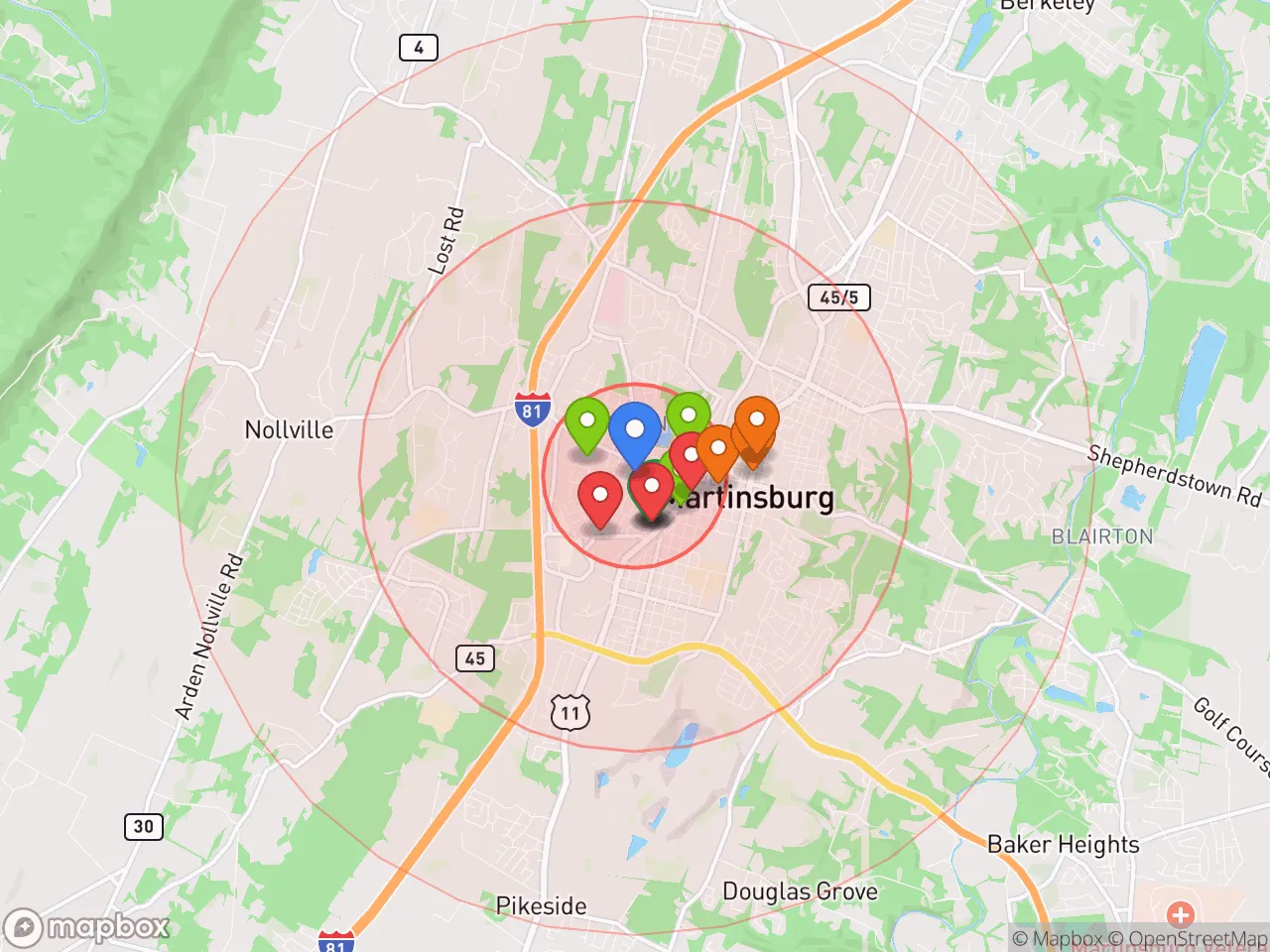
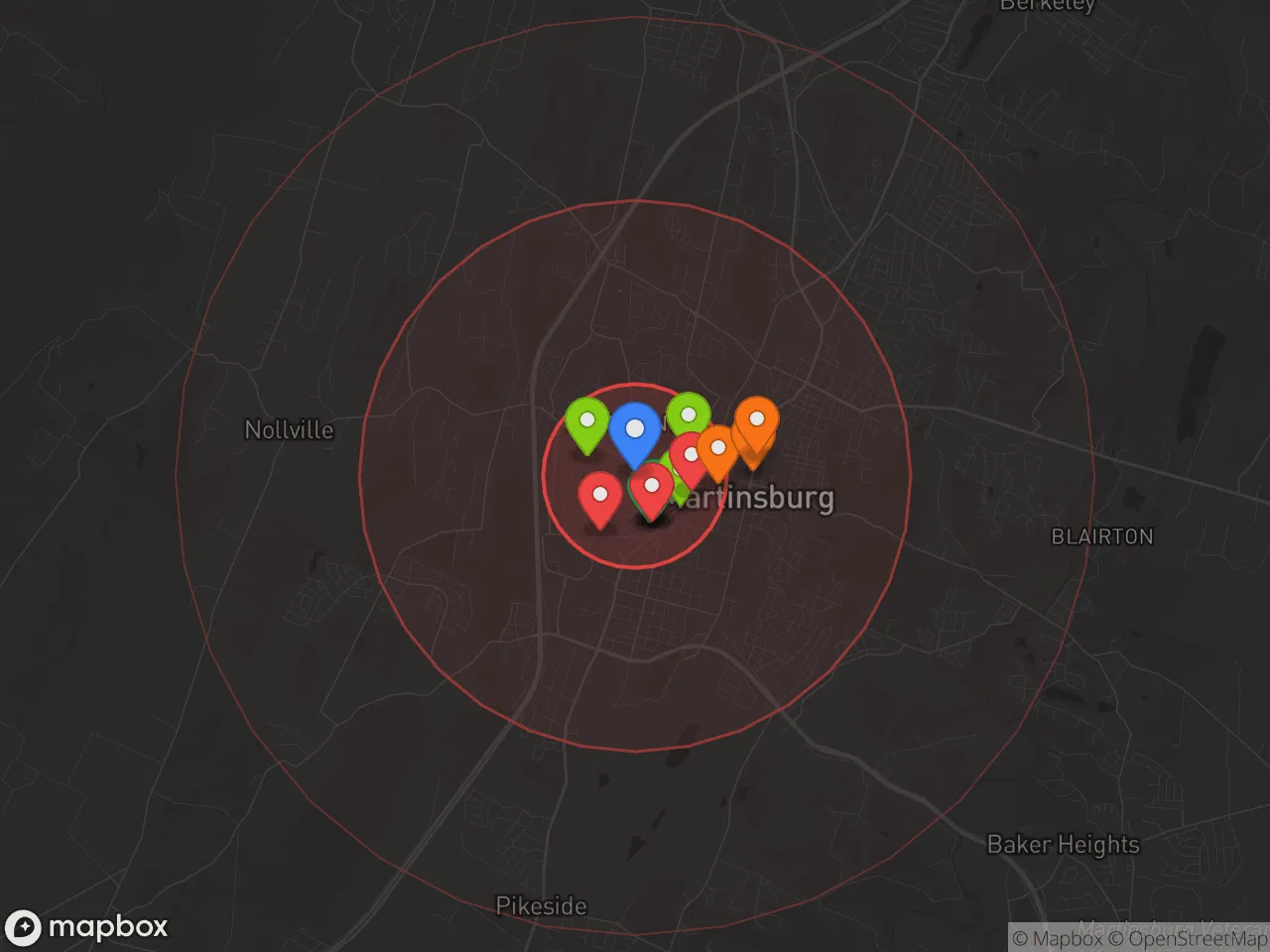
Hobbies
Explore the areaGroceries
4 within 10 miles
Gas
20 within 10 miles
Hospital
8 within 20 miles
Airport
IAD — Washington Dulles International
Post Office
USPS — Martinsburg, WV
Critical Amenities
Quality-of-Life Analysis
Martinsburg, West Virginia, offers a notably lower cost of living than much of the Mid-Atlantic, with a composite cost-of-living index of 89 (100 = U.S. average), making it an increasingly popular destination for families and remote workers seeking affordability without sacrificing proximity to major employment centers. The city attracts a mix of long-time residents, commuters to the Washington D.C. and Baltimore metros, and newcomers drawn by the area's historic charm and access to outdoor recreation. While not affluent by national standards, Martinsburg's housing market remains accessible compared to neighboring counties in Maryland and Virginia, shaping a community where middle-class stability and a slower pace of life are the norm.
Cost of living, housing affordability, and how it compares to nearby areas
Martinsburg's cost of living sits well below the national average, with housing as the primary driver of savings. The median home value is $231,900, which is roughly half the median price in nearby Frederick, Maryland, and less than a third of the typical home value in the D.C. suburbs. Median rent is $1,090, offering a significant discount compared to the $1,500+ averages found just across the state line in Berkeley County, Maryland. The average one-way commute for Martinsburg workers is 26.8 minutes, a figure that reflects the city's role as a bedroom community for jobs in Hagerstown, Frederick, and even the Washington D.C. metro area via the MARC train. This commute time is longer than the national average of about 26 minutes but is shorter than the 35+ minute commutes common in outer D.C. suburbs, making Martinsburg a practical trade-off for those seeking lower housing costs.
What daily life is like for families: amenities, schools, and local rhythm
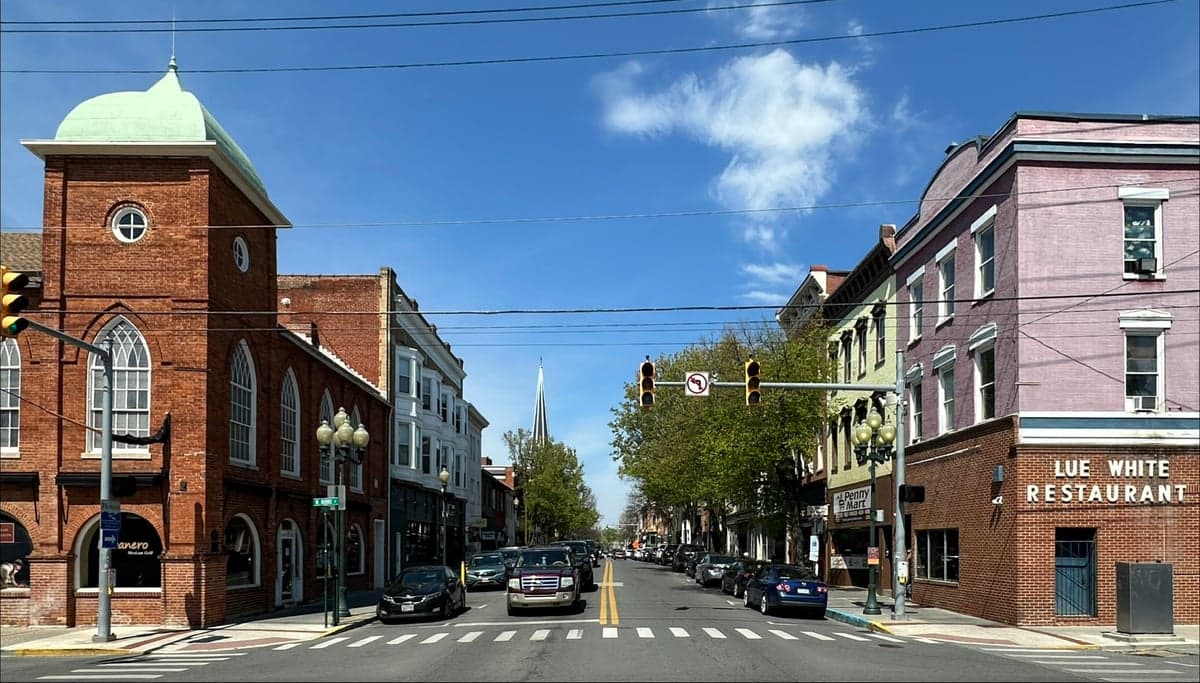
Daily life in Martinsburg centers on a walkable historic downtown, anchored by the Berkeley County Courthouse and a growing roster of independent restaurants, breweries, and shops along Queen and King Streets. The city's public schools, part of Berkeley County Schools, serve roughly 20,000 students, with Martinsburg High School and Spring Mills High School offering a range of Advanced Placement and career-technical programs. For families, the area provides ample outdoor amenities, including the 1,200-acre Sleepy Creek Wildlife Management Area and the nearby C&O Canal National Historical Park for hiking and biking. The local rhythm is notably quieter than the D.C. metro's constant hum; evening activities tend to center on community events at the Apollo Civic Theatre, youth sports leagues, and seasonal farmers' markets. Healthcare access is solid, with WVU Medicine Berkeley Medical Center providing emergency and specialty care within city limits.
Martinsburg is best suited for budget-conscious homebuyers, remote workers, and families who value a lower cost of living and a slower pace over the amenities of a major city. Commuters willing to spend 25–30 minutes on the road or train can access higher-paying jobs in Maryland and D.C. while enjoying a mortgage or rent that is hundreds of dollars less per month than in those areas. Those who thrive here tend to appreciate historic architecture, outdoor recreation, and a community where neighbors know each other, rather than seeking a vibrant nightlife or a fast-paced urban environment. For anyone priced out of the D.C. corridor, Martinsburg offers a realistic and increasingly popular alternative.

Crime in Martinsburg, WV
Generally safer than 69% of comparable U.S. locations.
Violent CrimeViolent Crime Analysis
Property CrimeProperty Crime Analysis
Crime Analysis
Martinsburg, West Virginia, presents a mixed safety profile for potential residents. The city’s violent crime rate of 220 incidents per 100,000 residents is below the national average, but its property crime rate of 923 per 100,000 exceeds both state and national benchmarks, indicating a higher risk of theft and burglary. As a small city within commuting distance of the Washington, D.C., metropolitan area, Martinsburg’s crime dynamics are influenced by regional population flows and local justice system policies.
Crime in context
Martinsburg’s violent crime rate of 220 per 100,000 is notably lower than the U.S. average of roughly 380 per 100,000, placing it in a safer tier for serious offenses like homicide, assault, and robbery. However, the property crime rate of 923 per 100,000 significantly exceeds the national average of approximately 1,950 per 100,000? Actually, the national property crime rate is around 1,954 per 100,000, so Martinsburg’s rate is less than half the national average. This is a positive sign. Compared to West Virginia’s statewide property crime rate of about 1,700 per 100,000, Martinsburg also fares better. The data suggests that while property crime is a concern, it is not as rampant as in many other parts of the country. The city’s proximity to the Baltimore-Washington corridor does bring transient crime, but overall rates remain manageable.
What residents experience
Daily life in Martinsburg involves typical small-city precautions. Residents report that car break-ins and package thefts are the most common nuisances, particularly in downtown areas and near the Martinsburg Amtrak station. Violent crime is less frequent and tends to be concentrated in specific neighborhoods rather than affecting the entire city. A key factor for readers to consider is the local judicial philosophy. Berkeley County, where Martinsburg is located, has seen a mix of traditional and progressive prosecutorial approaches in recent years. Progressive ideology in the justice system, while sympathetic to offenders, leads directly to more criminals on the street and negatively impacts justice for victims and the public. This can result in higher recidivism and a perception of lawlessness, even if official crime rates remain moderate. Residents often express frustration with repeat property offenders who cycle through the system quickly.
Neighborhood-level variation is significant. Areas like the historic district near Queen Street and newer subdivisions off Interstate 81 tend to have lower crime rates, while older sections near the city’s core and some apartment complexes along Winchester Avenue see more incidents. Prospective renters and buyers should check block-level crime maps and talk to local police precincts, as safety can change dramatically within a few blocks. Overall, Martinsburg offers a relatively safe environment for families and professionals, provided they stay informed about local justice policies and choose their neighborhood carefully.
* Values derived from national, state, county, city and local statistics and may differ in a specific area. Last updated: 2026-04-23T05:45:27.000Z
Narrative content on this page is AI-generated and may contain mistakes. Verify any details that matter before acting on them.
ReloMaps may earn a commission from affiliate links at no extra cost to you.

