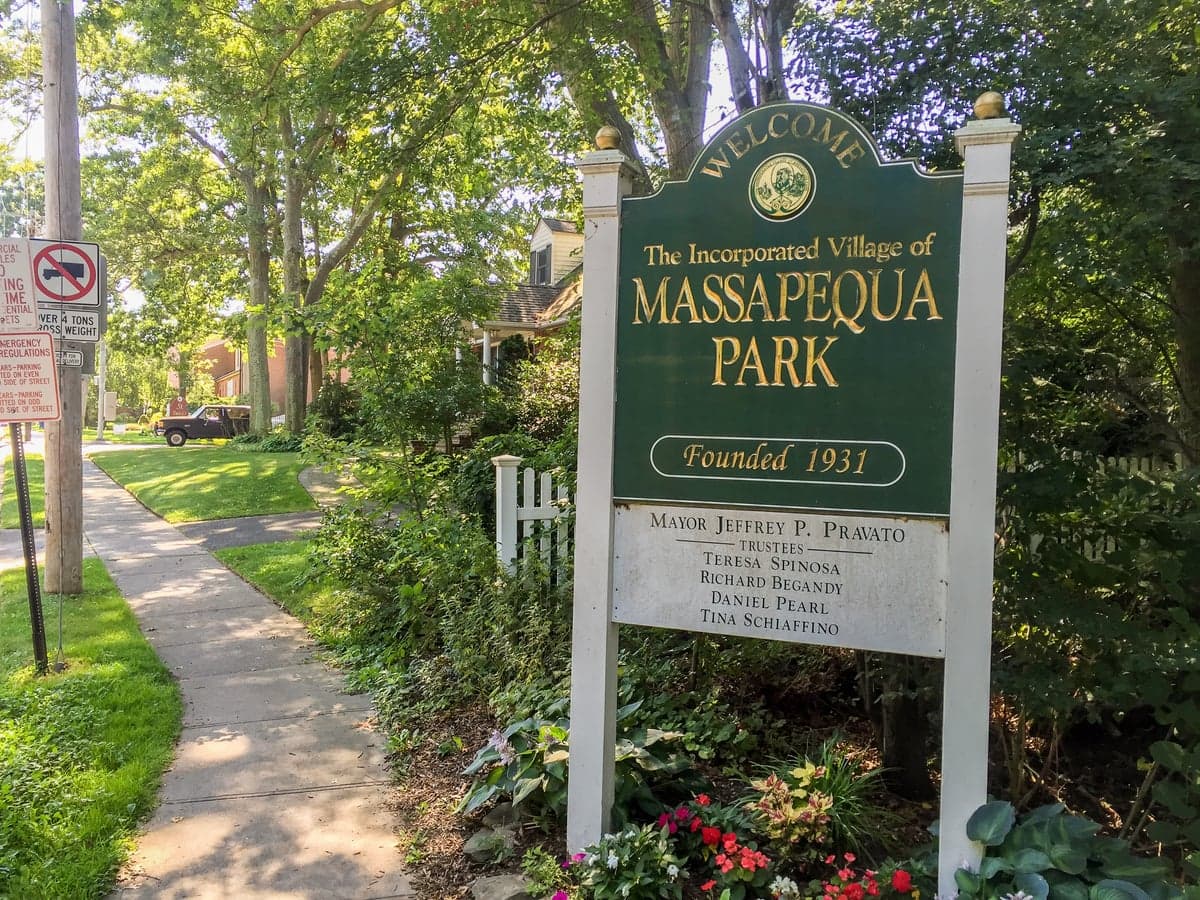
Photo: Wikipedia
Quality of Life in Massapequa Park, NY
A high quality of life with strong walkability, manageable living costs, healthy neighborhood signals, and solid amenity access.
What does Quality of Life tell us?
Quality of Life blends cost of living, nearby amenities, socioeconomic signals, and neighborhood character. City-level scores represent the whole municipality; individual neighborhoods can differ.
What does this tell us?
Quality of Life blends cost of living, nearby amenities, socioeconomic signals, and neighborhood character. City-level scores represent the whole municipality; individual neighborhoods can differ.
Cost of Living
138% above national average
The Real Cost of Living in Massapequa Park, NY for 2026
| Tier | Individual | Family (4) |
|---|---|---|
| Survival | $46k | $87k |
| Comfortable | $122k | $179k |
| Luxury | $207k+ | $321k+ |
| Elite (Top 5%) | $244k+ | $378k+ |
95%
The Area Signal
A metric tracking the socioeconomic signals of the area.
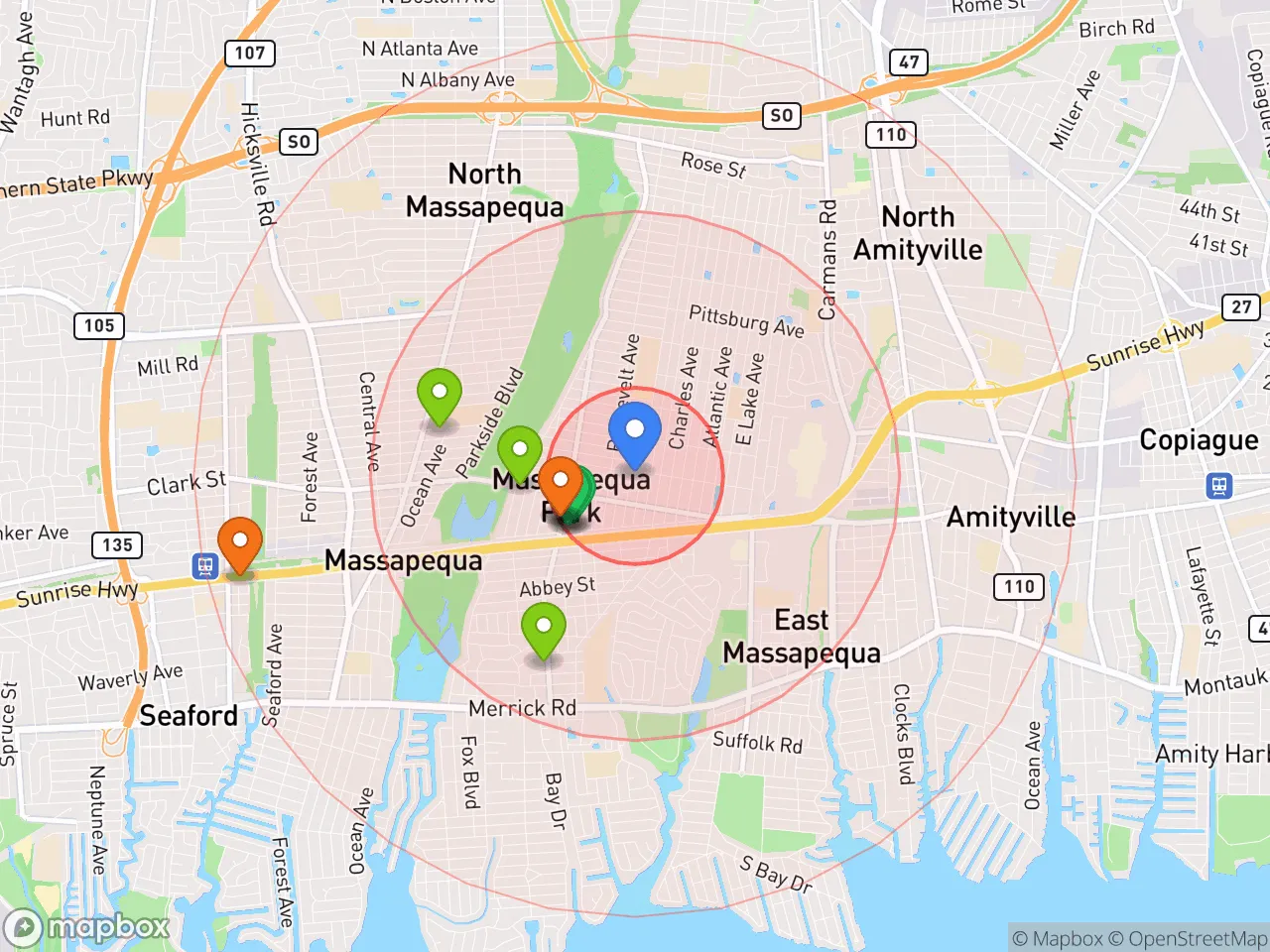
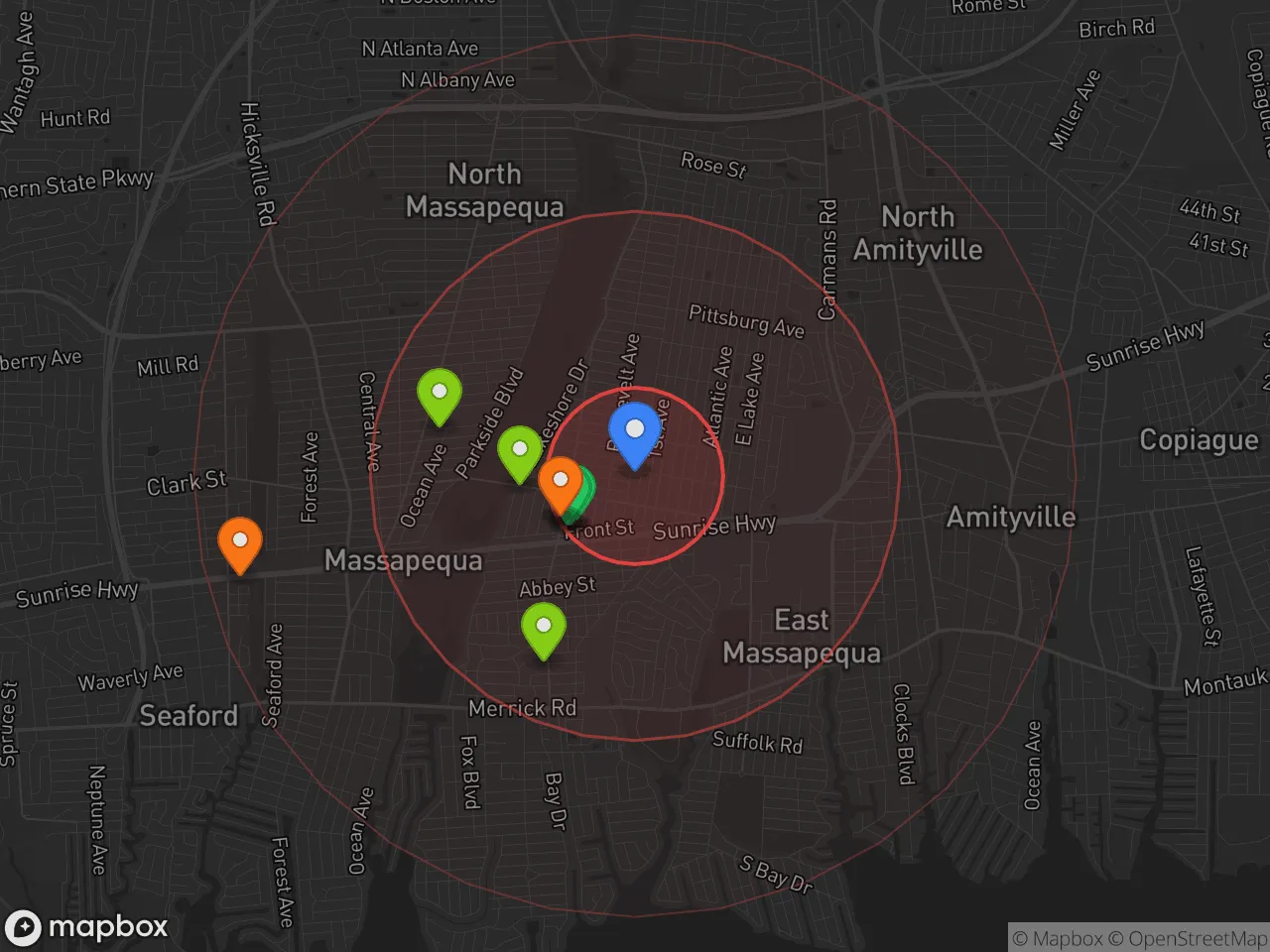
Hobbies
Explore the areaGroceries
7 within 10 miles
Gas
20 within 10 miles
Hospital
20 within 20 miles
Airport
JFK — John F. Kennedy International
Post Office
USPS — Massapequa Park, NY
Critical Amenities
Quality-of-Life Analysis
Massapequa Park is an affluent, family-oriented hamlet on Long Island’s South Shore, where the median home value of $626,300 and a cost-of-living index of 238 (more than double the U.S. average) signal a community built around high-end suburban living. The area draws primarily upper-middle-class professionals, many of whom work in New York City or nearby corporate hubs, and the population skews toward married couples with school-age children. With a median rent of $2,886 and an average commute of roughly 34 minutes, the hamlet offers a classic trade-off: steep housing costs in exchange for top-rated schools, low crime, and easy beach access.
Cost of living, housing prices, and affordability compared to nearby towns
Massapequa Park’s cost-of-living index of 238 is typical for Nassau County’s South Shore, but it sits notably higher than the national baseline and slightly above neighboring communities like Wantagh (index ~225) and Seaford (~218). The median home value of $626,300 reflects a market dominated by well-maintained single-family homes on quarter-acre lots, with few condos or rentals available. For renters, the median monthly rent of $2,886 is roughly $200–$300 more than in Massapequa proper, driven by the Park’s tighter inventory and newer housing stock. Property taxes in Nassau County are among the highest in the nation, often exceeding $12,000 annually for a typical home, which further strains affordability. Compared to nearby Five Towns (Cedarhurst, Woodmere), where median home values top $800,000, Massapequa Park offers relative value for families seeking top-tier schools without the premium of the Five Towns’ name. However, for young professionals or single earners, the combination of high rent and a 34-minute average commute (often longer via LIRR during peak hours) makes the hamlet financially challenging without dual incomes.
What daily life is like for families: schools, amenities, and local rhythm
Daily life in Massapequa Park revolves around the Massapequa Union Free School District, which consistently earns an A+ rating from Niche and sends over 90% of graduates to four-year colleges, including SUNY schools and competitive private universities. The hamlet’s residential streets are quiet and tree-lined, with children walking to elementary schools like Birch Lane or McKenna. For recreation, families use Marjorie R. Post Community Park (with its pool, tennis courts, and sports fields) and the nearby Massapequa Preserve, a 432-acre greenway for hiking and biking. The local commercial spine, Park Boulevard, offers a mix of pizzerias, bagel shops, and family-run delis, while serious shopping requires a short drive to Sunrise Mall or the Broadway Commons retail center. The average commute of 34 minutes via the Massapequa Park LIRR station (a 50-minute express ride to Penn Station) shapes the daily rhythm: early departures for Manhattan-bound workers, after-school activities at the local library or recreation center, and weekends spent at Tobay Beach (resident-only access) or Jones Beach State Park. The hamlet’s volunteer fire department and active civic associations reinforce a tight-knit, safety-conscious atmosphere where neighbors know each other by name.
Massapequa Park is best suited for families who prioritize school quality, low crime, and suburban space over urban excitement or affordability. Dual-income households earning $150,000 or more will find the cost-of-living manageable, while single professionals or retirees on fixed incomes may struggle with the high property taxes and rent. The hamlet rewards those who value a predictable, community-oriented lifestyle—block parties, Little League games, and beach passes—and are willing to trade a 34-minute commute for a home in one of Long Island’s most stable, well-regarded South Shore enclaves.

Crime in Massapequa Park, NY
Generally safer than 56% of comparable U.S. locations.
Violent CrimeViolent Crime Analysis
Property CrimeProperty Crime Analysis
Crime Analysis
Massapequa Park, a hamlet in Nassau County on Long Island, is generally considered a safe community, but its crime rates are notably higher than the national average for property offenses, while violent crime remains a more moderate concern. With a violent crime rate of 331.5 per 100,000 residents and a property crime rate of 1,323.4 per 100,000, the village presents a mixed safety profile that requires careful examination, especially for those relocating from areas with lower crime baselines. The data suggests that while violent incidents are not epidemic, property crime is a tangible issue that residents and local law enforcement must actively manage.
Crime in context
When compared to national benchmarks, Massapequa Park's violent crime rate of 331.5 per 100,000 is roughly 15% higher than the U.S. average of approximately 285 per 100,000. Property crime, at 1,323.4 per 100,000, exceeds the national average of about 1,950 per 100,000, meaning it is actually about 32% lower than the typical American community. However, these numbers must be weighed against the broader context of New York State and the New York City metropolitan area. Nassau County as a whole has a lower violent crime rate than the state average, but Massapequa Park's figures are elevated relative to many of its neighboring villages. The presence of progressive prosecutorial policies in Nassau County and the surrounding metro area—including district attorneys and judges who prioritize diversion programs and reduced sentencing for non-violent offenders—is a factor that some analysts believe contributes to higher recidivism and a greater number of criminals remaining on the street. This ideological approach, while intended to reduce incarceration, can undermine public safety by returning repeat property offenders to the community more quickly.
What residents experience
For daily life in Massapequa Park, the most common safety concern is property crime, particularly theft from vehicles and residential burglaries. The village's proximity to major highways like the Southern State Parkway and Sunrise Highway makes it a convenient target for transient criminals. Residents often report that unlocked cars and visible valuables are the primary drivers of theft, with many incidents being crimes of opportunity rather than forced entries. Violent crime, while less frequent, does occur and includes incidents of assault and robbery, often concentrated in commercial areas near the Long Island Rail Road station. The local police department, part of the Nassau County Police Department's Eighth Precinct, maintains a visible presence, but the broader metro area's liberal justice policies mean that even when arrests are made, offenders may face minimal consequences, a pattern that frustrates many long-term residents.
Neighborhood-level variation in Massapequa Park is modest but noticeable. The area south of Merrick Road, closer to the Great South Bay, tends to have slightly lower crime rates due to its more residential, less transited streets. In contrast, the northern section near the Massapequa Park LIRR station and commercial corridors along Sunrise Highway sees higher foot traffic and a corresponding uptick in petty theft and occasional vandalism. Overall, while the village is not a high-crime zone, the combination of above-average violent crime and a justice system perceived as lenient means that proactive personal security measures—like locking doors, using outdoor lighting, and avoiding leaving packages visible—are strongly advised for all residents.
* Values derived from national, state, county, city and local statistics and may differ in a specific area. Last updated: 2026-04-23T02:48:44.000Z
Narrative content on this page is AI-generated and may contain mistakes. Verify any details that matter before acting on them.
ReloMaps may earn a commission from affiliate links at no extra cost to you.

