Photo: Wikipedia
Demographics of Medina, WA
Affluence Level in Medina, WA
An elite concentration of wealth — high incomes, strong home values, advanced degrees, and minimal poverty signal a top-tier socioeconomic profile.
People of Medina, WA
Medina, Washington, is an affluent, tightly knit enclave of 2,889 residents defined by its extreme wealth, high educational attainment, and a distinctive demographic profile that sets it apart from the broader Seattle region. With 88.2% of adults holding a college degree and a median household income far exceeding state averages, the city is overwhelmingly composed of professionals in technology, finance, and corporate leadership. The population is predominantly White (60.5%) with a significant East/Southeast Asian community (25.1%), a small Indian-subcontinent cohort (1.6%), and a negligible Hispanic (0.3%) and Black (0.0%) presence, creating a highly homogeneous social environment centered on family life, privacy, and waterfront property.
How the city was settled and grew
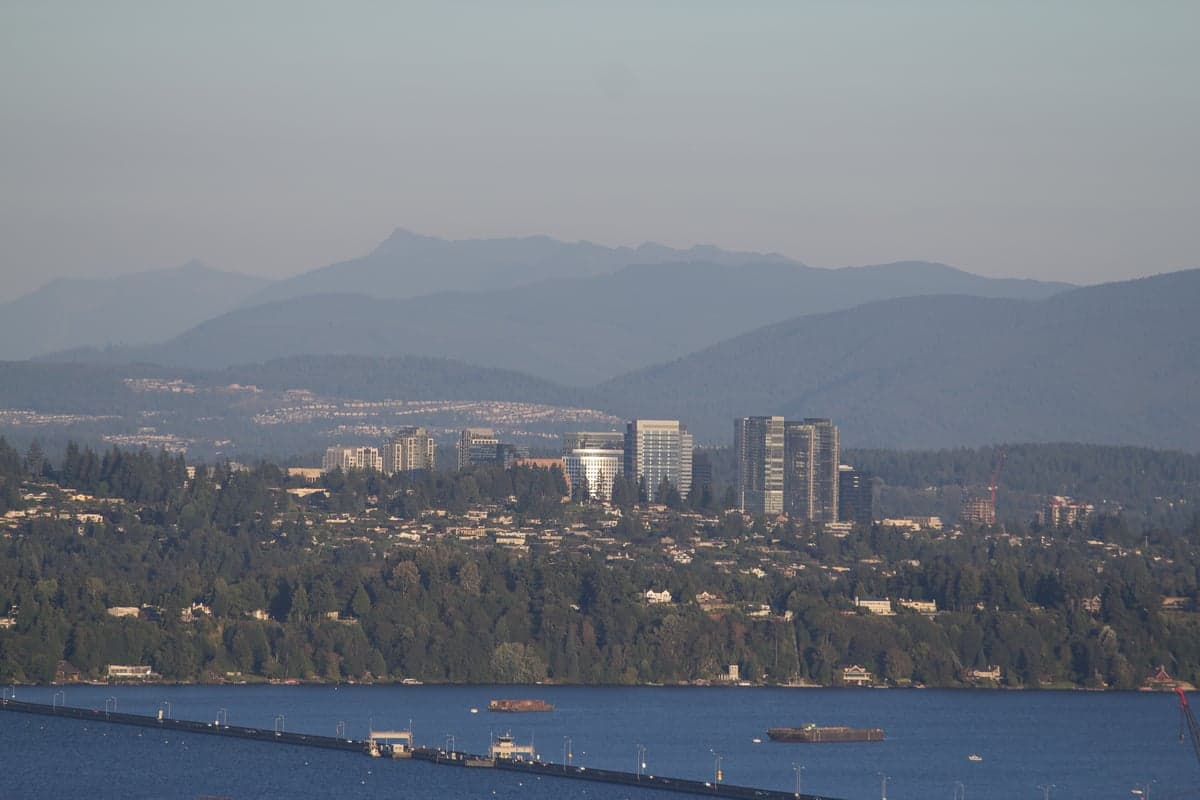
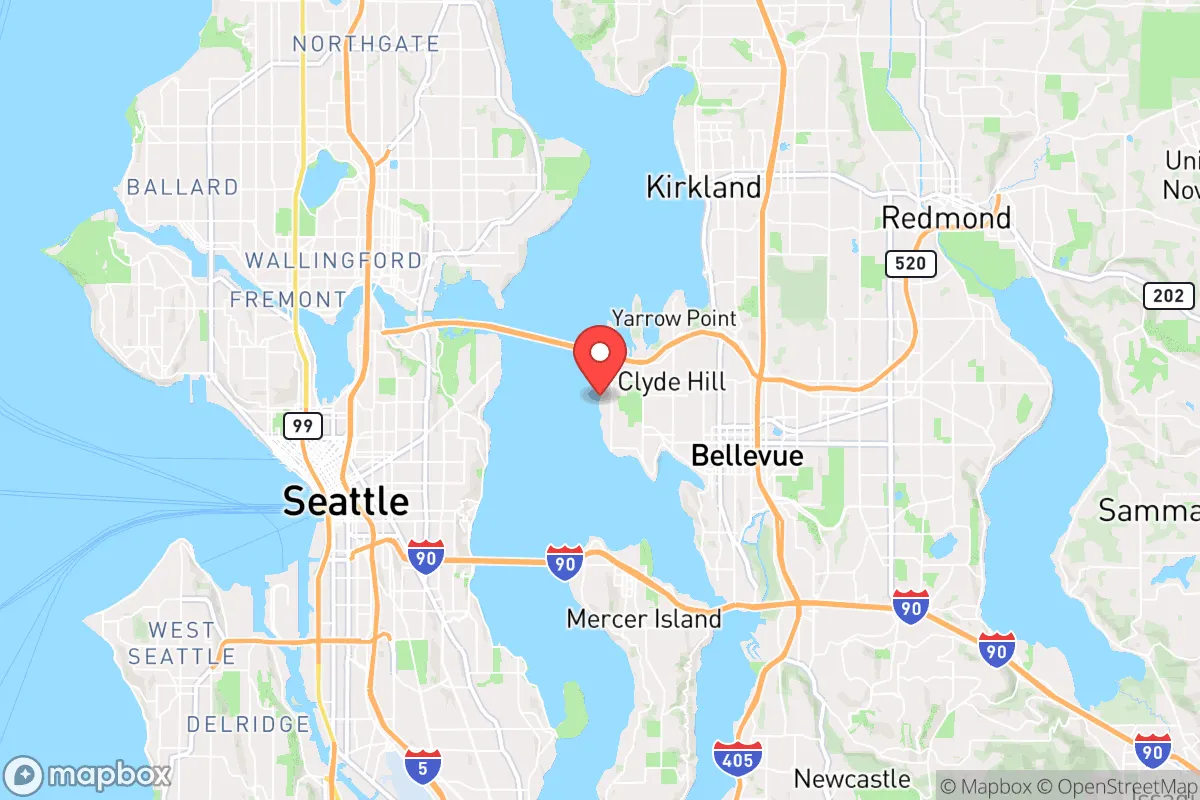
Medina was originally inhabited by the Duwamish people, who used the Lake Washington shoreline for fishing and seasonal camps. Euro-American settlement began in the 1870s, when homesteaders and timber speculators arrived, drawn by old-growth forests and the promise of lakefront access. The city was officially incorporated in 1914, but its character shifted dramatically in the 1920s and 1930s as wealthy Seattle businessmen built summer estates along the lake. The Evergreen Point neighborhood, with its deep-water docks and sweeping views, became the preferred location for these early elites, including the founders of major regional companies. Post-World War II, the construction of the Evergreen Point Floating Bridge in 1963 connected Medina directly to Seattle, accelerating suburbanization. The Hunts Point and Fairweather Bay areas filled with mid-century ranch homes and split-levels, attracting a wave of upper-middle-class professionals who commuted to downtown Seattle. By the 1970s, Medina had cemented its reputation as a sanctuary for the wealthy, with strict zoning laws and large minimum lot sizes that discouraged dense development and preserved its exclusive character.
Modern era (post-1965)
The post-1965 immigration reforms had a muted direct effect on Medina, as the city’s high property values and lack of rental housing limited in-migration from new immigrant groups. Instead, the modern demographic shift came from domestic in-migration and the explosive growth of the technology sector. The rise of Microsoft in nearby Redmond during the 1980s and 1990s drew a wave of highly educated professionals, many of whom were East/Southeast Asian immigrants or their American-born children. These families settled in the West Medina and Overlake neighborhoods, where newer, larger homes replaced older structures. The East/Southeast Asian share of the population rose from negligible levels in 1980 to 25.1% by 2020, driven by Chinese, Taiwanese, and Korean families seeking top-ranked public schools and safe, low-crime streets. The Indian-subcontinent population remains small at 1.6%, concentrated in a handful of homes near the Medina Park area, reflecting the city’s preference for established, high-net-worth buyers rather than a broader immigrant community. The White population, while still the majority, has declined from over 90% in 1980 to 60.5% today, as older families sold to tech wealth. The Black and Hispanic populations remain virtually nonexistent, a result of both economic barriers and the city’s historical lack of affordable housing.
The future
Medina’s population is likely to continue its trajectory toward greater affluence and demographic homogenization, with the East/Southeast Asian share slowly increasing as more tech executives and entrepreneurs buy in. The city’s extremely limited housing stock—fewer than 1,000 homes—and median home prices above $3 million mean that only the top 1% of earners can afford entry, effectively filtering out most immigrant groups and younger families. The Indian-subcontinent population may grow modestly as Indian-origin tech leaders follow the same pattern, but it will remain a small fraction of the total. The White share will continue its gradual decline, but the city will not become majority-minority in the next 20 years due to the slow pace of turnover. The Evergreen Point and Hunts Point neighborhoods will remain the most exclusive, while West Medina may see more teardowns and rebuilds as older homes are replaced by larger, modern estates. No significant immigrant enclave is forming; instead, the city is becoming a globally wealthy, culturally Asian-influenced but English-dominant suburb.
For a conservative-leaning individual or family considering a move, Medina offers exceptional safety, top-tier schools, and a stable, property-rights-oriented governance structure. The population is not diversifying in the way most American suburbs are; it is concentrating wealth and educational privilege into an increasingly narrow band of homeowners. The city is becoming a quiet, gilded refuge for those who have already succeeded, rather than a launching pad for new arrivals. If you value extreme privacy, low taxes, and a neighborhood where nearly every adult holds a graduate degree, Medina will meet those expectations—but it will not offer demographic variety or a growing community of young families outside the tech elite.

* Values derived from national, state, county, city and local statistics and may differ in a specific area. Last updated: 2026-04-27T14:12:45.000Z
Narrative content on this page is AI-generated and may contain mistakes. Verify any details that matter before acting on them.
ReloMaps may earn a commission from affiliate links at no extra cost to you.

