
Photo: Wikipedia
Personal Sovereignty in Memphis, TN
Viable for self-reliance. Generally workable, though some barriers may limit total independence.
What does Personal Sovereignty tell us?
Personal Sovereignty measures your capacity for self-reliance and independence with minimal government friction. Higher scores mean fewer barriers between you and the way you want to live... but it assumes you have the space you need and good neighbors.
What does this tell us?
Personal Sovereignty measures your capacity for self-reliance and independence with minimal government friction. Higher scores mean fewer barriers between you and the way you want to live... but it assumes you have the space you need and good neighbors.
State Policy
Energy independence: Importer (25% of energy produced in-state)
Personal Liberty
Homesteading

Personal Liberty Analysis
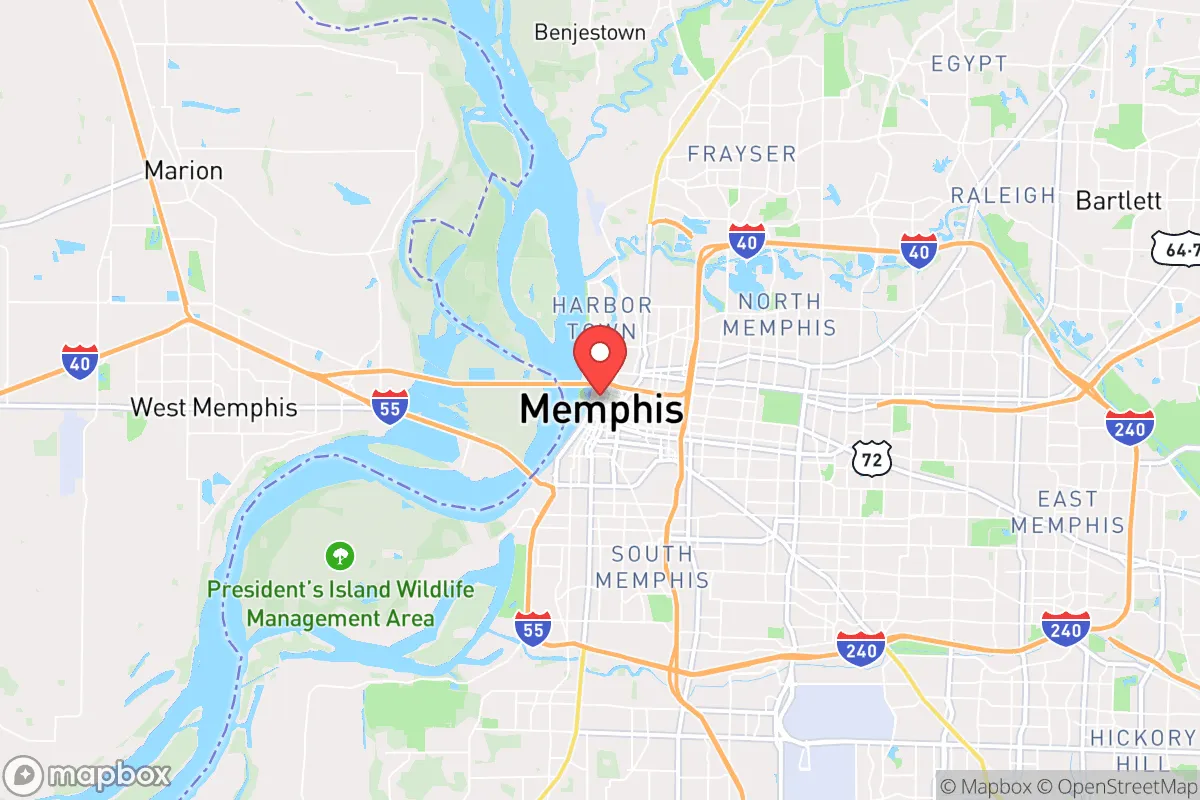
Memphis, Tennessee, offers a mixed bag for those prioritizing personal sovereignty, with a state-level framework that generally favors individual rights but a local governance structure that can feel more intrusive. The city operates under Tennessee’s strong preemption laws, which limit local ordinances on firearms and other matters, but the reality on the ground involves a high-crime environment and a municipal bureaucracy that can test self-reliance. For a survivalist or prepper mindset, the key is understanding where state protections end and local realities begin—Memphis is not a libertarian haven, but it provides a legal foundation that, with careful navigation, can support a high degree of personal autonomy.
Tax burden and regulatory posture in Memphis and Shelby County
Tennessee’s lack of a state income tax is a major draw for those seeking to keep more of their earnings, and this applies to Memphis residents as well. However, the local tax picture is less favorable: Shelby County’s combined sales tax rate of 9.75% is among the highest in the state, and property taxes in Memphis are notably steep, with a rate of roughly $3.40 per $100 of assessed value for city residents. This creates a significant tax burden that can feel like a penalty for property ownership and economic productivity. On the regulatory side, Tennessee’s state-level business climate is relatively light—no corporate income tax on most entities, and limited occupational licensing compared to coastal states. But Memphis itself imposes its own set of permitting and zoning requirements that can slow down projects like building a workshop or expanding a homestead. For the prepper, the high local taxes are a real cost, but the absence of state income tax provides a buffer that many other cities lack.
Self-defense and gun law specifics in Memphis
Tennessee is a constitutional carry state, meaning no permit is required to carry a handgun openly or concealed for anyone 21 or older who can legally possess a firearm. This is a strong foundation for personal sovereignty, and Memphis cannot override it due to state preemption—local gun bans or magazine restrictions are illegal. However, the practical environment is tense: Memphis has one of the highest violent crime rates in the nation, with a murder rate around 60 per 100,000 residents in recent years. This means carrying a firearm is almost a necessity for daily life, but it also means the risk of encountering a situation where you need to use it is elevated. Stand-your-ground laws apply statewide, and there is no duty to retreat in any place you are lawfully present. For the survivalist, the legal framework is solid, but the high crime rate demands constant vigilance and a willingness to defend yourself—something the local police, understaffed and overburdened, may not reliably do.
Self-reliance and homesteading viability in Memphis
Memphis’s urban core is not friendly to homesteading, with most residential lots averaging 5,000 to 8,000 square feet and strict zoning that limits livestock and large gardens. The city’s code allows chickens in some areas but bans roosters, and pigs or goats are generally prohibited within city limits. Off-grid living is nearly impossible due to building codes that require grid-tied utilities for new construction, and the local climate—hot, humid summers and occasional ice storms—makes solar-only setups challenging without backup. However, the surrounding Shelby County and adjacent Fayette County offer more promise: unincorporated areas have larger lots (1-5 acres common), fewer restrictions on structures, and more tolerance for alternative energy. For a prepper looking to buy land, the best bet is within a 30-minute drive of Memphis, where property taxes drop and zoning loosens. The Mississippi River provides a reliable water source, but floodplain restrictions complicate building near it. Overall, Memphis itself is not a homesteading destination, but the region around it has potential for those willing to commute.
Personal liberties in Memphis: parental rights, medical autonomy, speech, and property
Tennessee has strong parental rights laws, including a 2023 law that requires schools to notify parents of any changes to a student’s health or emotional well-being, and a ban on gender-transition procedures for minors. This aligns with a conservative view of family sovereignty, and Memphis schools are bound by these state mandates. Medical autonomy is more complicated: Tennessee has not expanded Medicaid, and the local healthcare system is dominated by large hospital networks like Baptist Memorial and Methodist, which can feel bureaucratic. Vaccine mandates are largely absent at the state level, but some private employers in Memphis still require them. Free speech is protected under the First Amendment, and Memphis has no notable local ordinances restricting public expression, though the city’s political climate leans left, which can create social pressure. Property rights are generally strong, with Tennessee’s eminent domain laws requiring just compensation, but Memphis’s code enforcement can be aggressive—fines for tall grass or unkempt lots are common, and the city has a reputation for targeting rental properties with inspections. For the sovereignty-minded, the state provides a legal shield, but local enforcement can feel like government overreach into daily life.
Compared to other major cities, Memphis offers a unique balance: the state-level protections on guns, taxes, and parental rights are among the best in the South, but the local crime, high taxes, and regulatory hassle create friction that a prepper must account for. It is not a place where you can simply retreat and be left alone—you will need to engage with the system, carry a weapon, and pay a premium for the privilege of living there. For those willing to navigate these trade-offs, Memphis provides a legal framework that respects individual sovereignty more than cities like Chicago or Los Angeles, but less than rural Tennessee counties. The strategic move is to live just outside the city limits while working within it, maximizing state-level freedoms while minimizing local interference. In a country where government overreach is a growing concern, Memphis is a compromise—not a sanctuary, but a place where a determined individual can still carve out a self-reliant life.

* Values derived from national, state, county, city and local statistics and may differ in a specific area. Last updated: 2026-04-15T23:51:13.000Z
Narrative content on this page is AI-generated and may contain mistakes. Verify any details that matter before acting on them.
ReloMaps may earn a commission from affiliate links at no extra cost to you.

