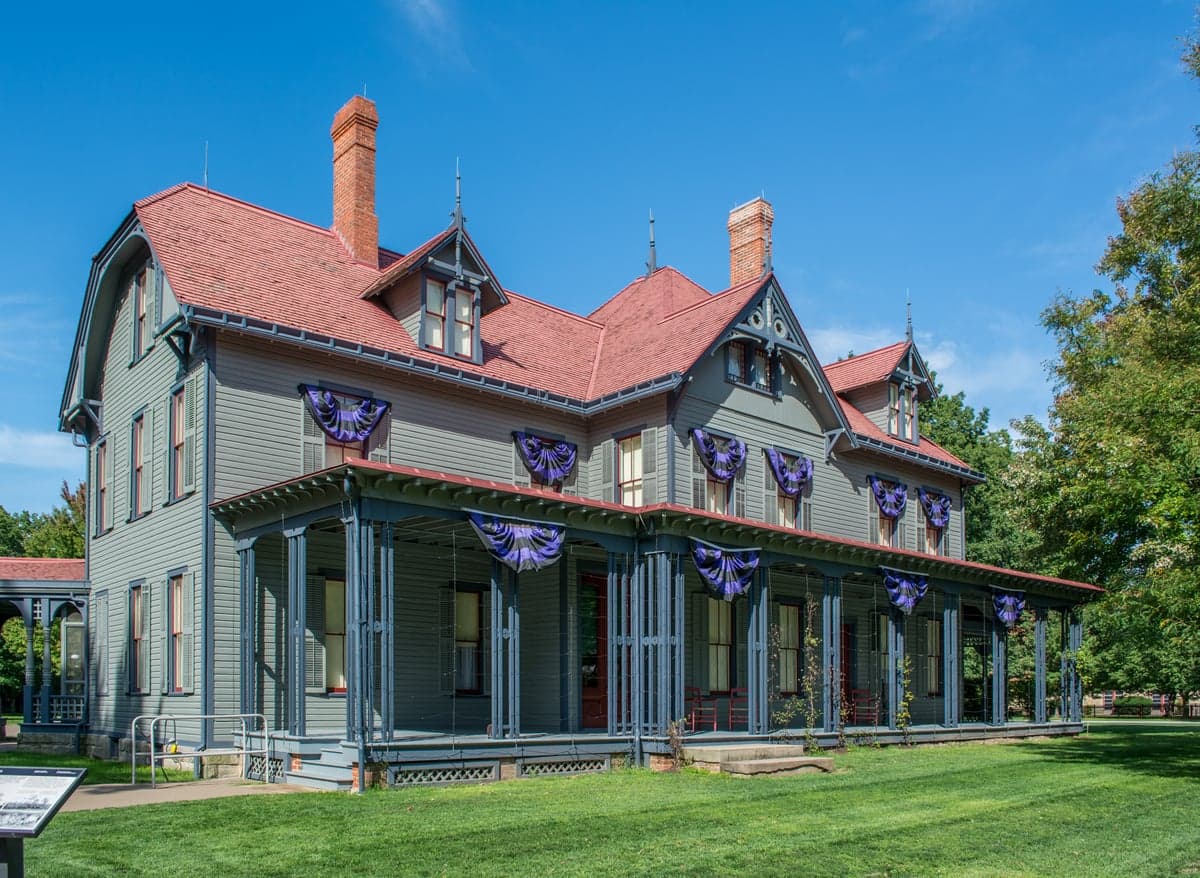
Photo: Wikipedia
Quality of Life in Mentor, OH
A high quality of life with strong walkability, manageable living costs, healthy neighborhood signals, and solid amenity access.
What does Quality of Life tell us?
Quality of Life blends cost of living, nearby amenities, socioeconomic signals, and neighborhood character. City-level scores represent the whole municipality; individual neighborhoods can differ.
What does this tell us?
Quality of Life blends cost of living, nearby amenities, socioeconomic signals, and neighborhood character. City-level scores represent the whole municipality; individual neighborhoods can differ.
Cost of Living
6% below national average
The Real Cost of Living in Mentor, OH for 2026
| Tier | Individual | Family (4) |
|---|---|---|
| Survival | $19k | $36k |
| Comfortable | $45k | $66k |
| Luxury | $132k+ | $205k+ |
| Elite (Top 5%) | $155k+ | $241k+ |
136%
The Area Signal
A metric tracking the socioeconomic signals of the area.


Hobbies
Explore the areaGroceries
1 within 10 miles
Gas
0 within 10 miles
Hospital
3 within 20 miles
Airport
Pittsburgh International Airport
Post Office
USPS — Beachwood, OH
Critical Amenities
Quality-of-Life Analysis
Mentor, Ohio, is an affluent Lake Erie suburb where the typical resident is a married homeowner with children, drawn by strong public schools and a low crime rate relative to the Cleveland metro area. With a cost-of-living index of 94 (6% below the U.S. average) and a median home value of $229,500, the city offers a notably higher standard of living than many comparably priced suburbs in the region. The community leans conservative politically, with Lake County voting +15 points Republican in the 2024 presidential election, and its population of roughly 47,000 is overwhelmingly white (93%) with a median age of 44, reflecting a stable, family-oriented demographic.
Cost of living, housing affordability, and how Mentor compares to nearby cities
Mentor’s cost-of-living index of 94 makes it more affordable than the national average, but it is not the cheapest option in Lake County. The median home value of $229,500 is roughly 15% below the national median of $270,000, yet it sits above nearby Painesville ($175,000) and Willoughby ($210,000). Renters face a median monthly rent of $1,192, which is about $100 less than the U.S. median but $150 more than in Painesville. The average commute of 21.9 minutes is shorter than the national average of 26 minutes, a practical advantage for workers commuting to Cleveland (roughly 25 miles west) or to major employers like the Lake Health hospital system and the Mentor-based Avery Dennison headquarters. Property taxes in Lake County average 1.8% of assessed value, slightly above the Ohio median of 1.6%, which adds roughly $4,100 annually on a median-priced home. For buyers, the trade-off is clear: Mentor commands a premium over neighboring Painesville and Willoughby for its school reputation and lower crime, but remains cheaper than the eastern Cuyahoga County suburbs like Beachwood or Pepper Pike, where median values exceed $350,000.
What daily life is like: amenities, schools, and recreation in Mentor
Daily life in Mentor revolves around its strong public school system—Mentor Public Schools serve roughly 7,000 students and consistently earn an A- rating from Niche, with a 92% graduation rate and above-average test scores in math and reading. The city’s 1,100-acre Mentor Lagoons Nature Preserve and the adjacent Headlands Beach State Park (Ohio’s largest natural sand beach) provide year-round outdoor recreation, from hiking and birding to swimming and fishing on Lake Erie. Shopping and dining cluster along Mentor Avenue (U.S. Route 20) and the Great Lakes Mall, a regional retail hub with over 100 stores. The city also hosts the annual Mentor Rocks summer concert series at the Mentor Civic Amphitheater, drawing thousands for free live music. For families, the Mentor Ice Arena and the Mentor Public Library system (with three branches) round out a daily rhythm that feels suburban and self-contained, with most errands and leisure activities available within a 10-minute drive. The trade-off is limited nightlife and a lack of walkable urban districts; residents typically drive to downtown Cleveland (30 minutes) for major cultural events or professional sports.
Mentor is best suited for families and professionals who prioritize strong schools, low crime, and lakefront recreation over urban density or nightlife. Empty-nesters and retirees also find the city appealing, given its stable housing market, access to Lake Erie parks, and proximity to Cleveland’s medical and cultural resources. Singles and young professionals may find the social scene limited, but for those seeking a safe, well-resourced suburb with a reasonable commute and below-average living costs, Mentor delivers a consistently high quality of life.

Crime in Mentor, OH
Lower crime rates than 86% of comparable U.S. locations.
Violent CrimeViolent Crime Analysis
Property CrimeProperty Crime Analysis
Crime Analysis
Mentor, Ohio, presents a mixed safety profile for prospective residents. The city's violent crime rate of 116.9 incidents per 100,000 residents is notably lower than both the Ohio state average and the national median, making it a relatively safe suburban option. However, the property crime rate of 1,014.1 per 100,000 is a more significant concern, aligning closely with national averages and reflecting challenges common in communities near major metropolitan hubs like Cleveland.
Crime in context
When compared to broader benchmarks, Mentor's violent crime rate is roughly 60% lower than the national average, placing it in a favorable position among Lake County communities. This low rate of violent offenses—including homicide, robbery, and aggravated assault—is a key draw for families and retirees. Conversely, the property crime rate sits near the national median, with larceny-theft being the most frequently reported offense. This pattern is typical for a suburban retail and commercial hub like Mentor, which sees significant daytime population influx and associated opportunities for theft from vehicles and shops. The city's proximity to the larger Cleveland metro area, however, introduces a dynamic that should give readers pause. As with many communities near large, progressive urban centers, the influence of liberal judicial policies—including those from district attorneys and judges who prioritize offender rehabilitation over strict sentencing—can lead to higher recidivism and a greater number of criminals circulating through suburban areas. This "spillover" effect means Mentor's safety is not entirely insulated from the challenges of the broader region's justice system.
What residents experience
For daily life, the statistical divide between violent and property crime is tangible. Most residents report feeling safe walking in their neighborhoods and using local parks, with violent incidents being rare and often isolated to specific circumstances. The primary day-to-day safety concern is property crime, particularly package thefts, unlocked vehicle entries, and occasional burglaries. Mentor Police Department maintains a visible presence and a proactive community policing approach, which helps mitigate these issues. However, the underlying reality is that the progressive legal environment in nearby Cuyahoga County and its influence on regional crime patterns means that property offenders often face minimal consequences, cycling back into the community quickly. This systemic leniency directly undermines deterrence and places a greater burden on suburban police forces and potential victims.
Neighborhood-level variation in Mentor is significant. Areas west of State Route 306 and closer to the Lake Erie shoreline, particularly those with higher property values and more established homeowner associations, generally report the lowest crime rates. In contrast, areas near the major retail corridors along Mentor Avenue (U.S. 20) and the Great Lakes Mall experience higher concentrations of property crime, largely due to increased foot traffic and commercial activity. The city's eastern sections, bordering Painesville, can see slightly elevated rates of both property and minor violent offenses. Prospective residents should prioritize homes in the western and central residential enclaves for the safest experience, while remaining aware that no part of Mentor is entirely immune to the regional crime pressures driven by progressive prosecutorial policies.
* Values derived from national, state, county, city and local statistics and may differ in a specific area. Last updated: 2026-04-19T21:40:18.000Z
Narrative content on this page is AI-generated and may contain mistakes. Verify any details that matter before acting on them.
ReloMaps may earn a commission from affiliate links at no extra cost to you.

