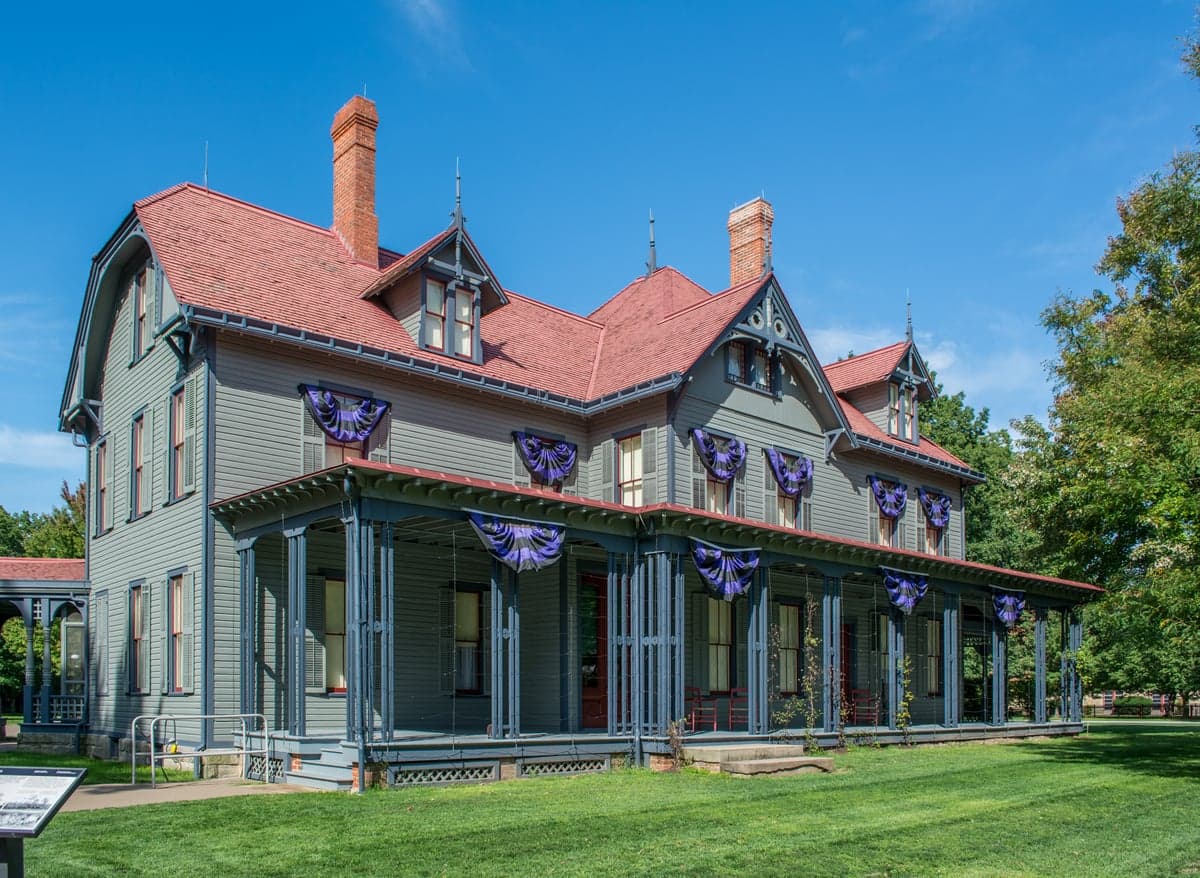
Photo: Wikipedia
Strategic Assessment of Mentor, OH
Meaningful friction. Expect exposure to either population pressure, blast zones, or natural disaster risk. Consider buying a retreat property.
What does the Strategic Assessment tell us?
Our Strategic Assessment grades tactical survivability of an area. Major population centers, military targets, fallout zones, natural disasters, and border exposure all drive risk — lower exposure means a more defensible position in a crisis.
This is heavily inspired by Joel Skousen's Strategic Relocation book. Highly recommended you checkout the book ($)What does this tell us?
Our Strategic Assessment grades tactical survivability of an area. Major population centers, military targets, fallout zones, natural disasters, and border exposure all drive risk — lower exposure means a more defensible position in a crisis.
This is heavily inspired by Joel Skousen's Strategic Relocation book. Highly recommended you checkout the book ($)Strategic Pillars

Key Distances
Regional Safe Places
Below is our recommended "safe zones" in Ohio and the surrounding area based on our strategic heuristics. For most people, it's unrealistic to live in a “safe zone” full-time due to work, family or other personal reasons. They tend to be more rural. However, many of these areas are perfect for second homes and retreat properties that double as a vacation home or even a short-term rental.

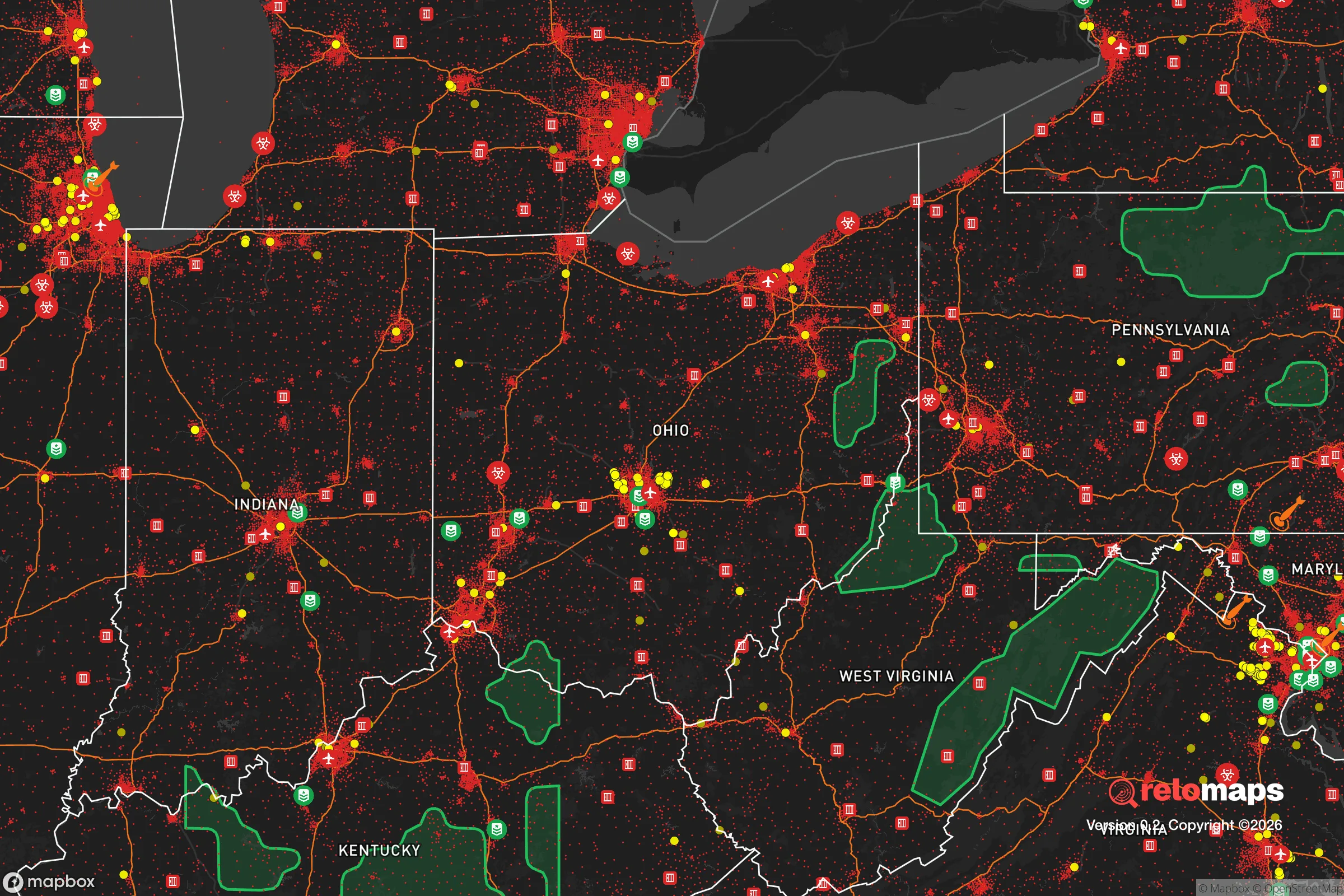


Important Note: For informational purposes only. This does not mean nothing bad ever happens in the green zones. Please use common sense. This is based on public data and modeled with AI. We tried to take a conservative approach but mistakes happen. We update this regularly as new information becomes available.
Solar Generator Recommendations
Backup power matters more here than in safer locations. We've picked three solar generators across budgets and capacity tiers — start with the budget unit if you only need a few essentials, or step up if you want to run a fridge and HVAC for days at a time.

Jackery Portable Power Station Explorer 300
Budget OptionPower on the Go: Weighing only 11 lbs, it's convenient to set up and store with book-sized foldable solar panels

BLUETTI Portable Power Station AC180
Designed for both indoor and outdoor scenarios, AC180 is highly capable as it has a robost capacity and continuous output power.

EF ECOFLOW DELTA Pro Ultra Power Station
Upgraded PickEcoFlow DELTA Pro Ultra is a whole-home energy system designed to grow with your family. Integrated with the Smart Home Panel 2, it scales to meet your evolving energy needs — keeping your home powered, intelligent, and secure through every stage of life.
We earn a commission, at no additional cost to you.
Strategic Assessment Analysis
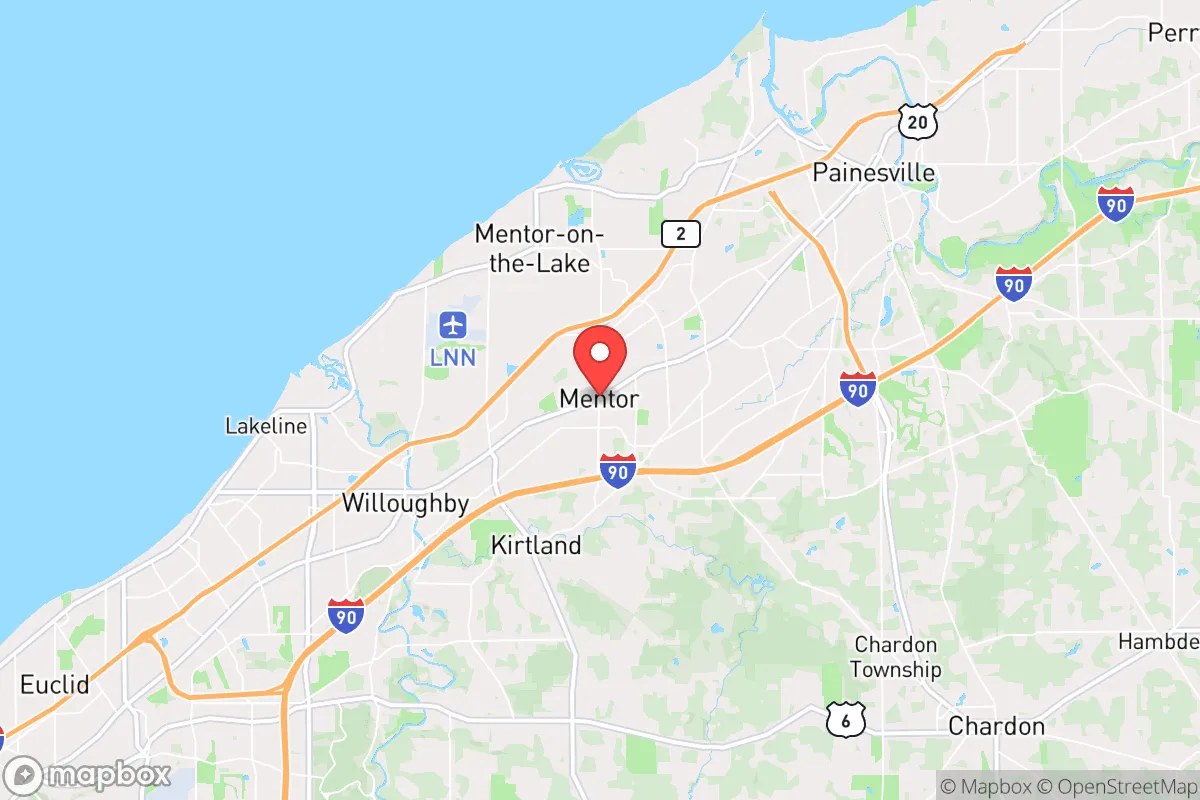
Mentor, Ohio, offers a surprisingly resilient strategic position for those prioritizing preparedness, sitting roughly 25 miles northeast of Cleveland along the Lake Erie shoreline. This placement provides a critical buffer from the immediate fallout of a major urban collapse while still granting access to the region's logistical arteries. For a conservative-minded relocator concerned with civic unrest, mass casualty events, or systemic disruptions, Mentor's blend of suburban infrastructure, freshwater access, and relative geographic isolation from primary target zones makes it a location worth serious consideration. The city's population of roughly 47,000 provides enough scale to maintain essential services without the density that becomes a liability during crises.
Geographic position and natural advantages for long-term security
Mentor's most significant strategic asset is its position on Lake Erie, one of the Great Lakes, which provides an essentially inexhaustible supply of fresh water—a resource that will become increasingly valuable during prolonged disruptions. The lake also moderates local climate, reducing extreme temperature swings that can stress off-grid systems. The city sits on relatively flat, well-drained land that transitions into more wooded, hilly terrain to the south and east, offering multiple retreat corridors if Mentor itself becomes compromised. The area is part of the Lake Erie Lowlands, a region with fertile soil and a growing season long enough to support substantial subsistence agriculture, a critical factor for food security. Mentor's location along the Lake Erie shoreline also places it within a day's drive of multiple border crossings into Canada, providing an international escape route if domestic conditions deteriorate beyond recovery. The city is not situated near any major fault lines, nuclear power plants, or known geological hazards, reducing the risk of natural disasters compounding man-made crises.
Risks, exposures, and proximity to fallout-relevant landmarks
The primary vulnerability for Mentor is its proximity to Cleveland, a major urban center that would be a likely focal point for civil unrest, supply chain disruptions, or targeted attacks. During a mass casualty event or widespread rioting, Mentor could face an influx of refugees from the city, straining local resources and potentially bringing violence with them. The city is also within 30 miles of the Perry Nuclear Power Plant, a potential target for sabotage or a source of radiological contamination in the event of a catastrophic failure. Interstate 90 runs directly through Mentor, providing a high-speed evacuation route but also a vector for uncontrolled movement of people and goods during a crisis. The area's industrial history means there are numerous chemical storage facilities and rail lines transporting hazardous materials, creating secondary risks of toxic spills or explosions. Mentor's position on the lake also makes it vulnerable to lake-effect snowstorms that can paralyze transportation and cut off supply lines for days at a time, a natural hazard that could compound a man-made emergency.
Practical resilience for a relocator: food, water, energy, and defensibility
For a relocator serious about preparedness, Mentor offers a workable baseline for self-sufficiency. The city's water supply comes from Lake Erie, and while municipal treatment plants are a single point of failure, the lake itself allows for independent water collection and filtration. The region's agricultural capacity is substantial; Lake, Geauga, and Ashtabula counties contain significant farmland, and Mentor itself has several community gardens and farmers' markets that could transition into local food distribution networks during a collapse. Energy resilience is more challenging—the grid is aging and vulnerable to weather events, but natural gas is widely available for heating and cooking, and the relatively flat terrain makes solar panel installation feasible for those with the means. Defensibility is moderate: Mentor's suburban layout with cul-de-sacs and winding roads creates natural chokepoints, but the lack of a centralized defensive position or natural barriers like mountains or rivers makes it difficult to secure against a determined threat. The city's police force is well-funded and professional, but during a widespread breakdown, reliance on law enforcement is a gamble. The local population skews older and more conservative, which can be an asset for community cohesion but may also mean fewer able-bodied individuals for collective defense.
The overall strategic picture for Mentor is one of calculated trade-offs. It offers the freshwater security of a Great Lakes location, a buffer from the worst of urban chaos, and a climate that supports agriculture, all within a community that values self-reliance and traditional order. However, it is not a remote redoubt—it sits within striking distance of a major city, a nuclear plant, and critical transportation infrastructure that could become liabilities during a national emergency. For a single individual or family willing to invest in water filtration, backup power, and a well-stocked pantry, Mentor provides a solid foundation for riding out disruptions while maintaining access to the amenities of modern life. The key is to treat it as a base of operations rather than a final fortress, with plans for deeper retreat into the more rural areas to the south and east if the situation demands it. In a world where the state of the country and the world feels increasingly precarious, Mentor represents a pragmatic middle ground—not a survivalist paradise, but a place where a prepared person can build a sustainable life without being isolated from the resources that make that life worth living.

* Values derived from national, state, county, city and local statistics and may differ in a specific area. Last updated: 2026-04-19T21:40:18.000Z
Narrative content on this page is AI-generated and may contain mistakes. Verify any details that matter before acting on them.
ReloMaps may earn a commission from affiliate links at no extra cost to you.

