Photo: Wikipedia
Quality of Life in Metairie, LA
Above-average quality of iife. The area offers a reasonable cost of living, decent mobility, and a mix of neighborhood amenities.
What does Quality of Life tell us?
Quality of Life blends cost of living, nearby amenities, socioeconomic signals, and neighborhood character. City-level scores represent the whole municipality; individual neighborhoods can differ.
What does this tell us?
Quality of Life blends cost of living, nearby amenities, socioeconomic signals, and neighborhood character. City-level scores represent the whole municipality; individual neighborhoods can differ.
Cost of Living
4% above national average
The Real Cost of Living in Metairie, LA for 2026
| Tier | Individual | Family (4) |
|---|---|---|
| Survival | $18k | $35k |
| Comfortable | $60k | $88k |
| Luxury | $132k+ | $205k+ |
| Elite (Top 5%) | $170k+ | $264k+ |
83%
The Area Signal
A metric tracking the socioeconomic signals of the area.
Hobbies
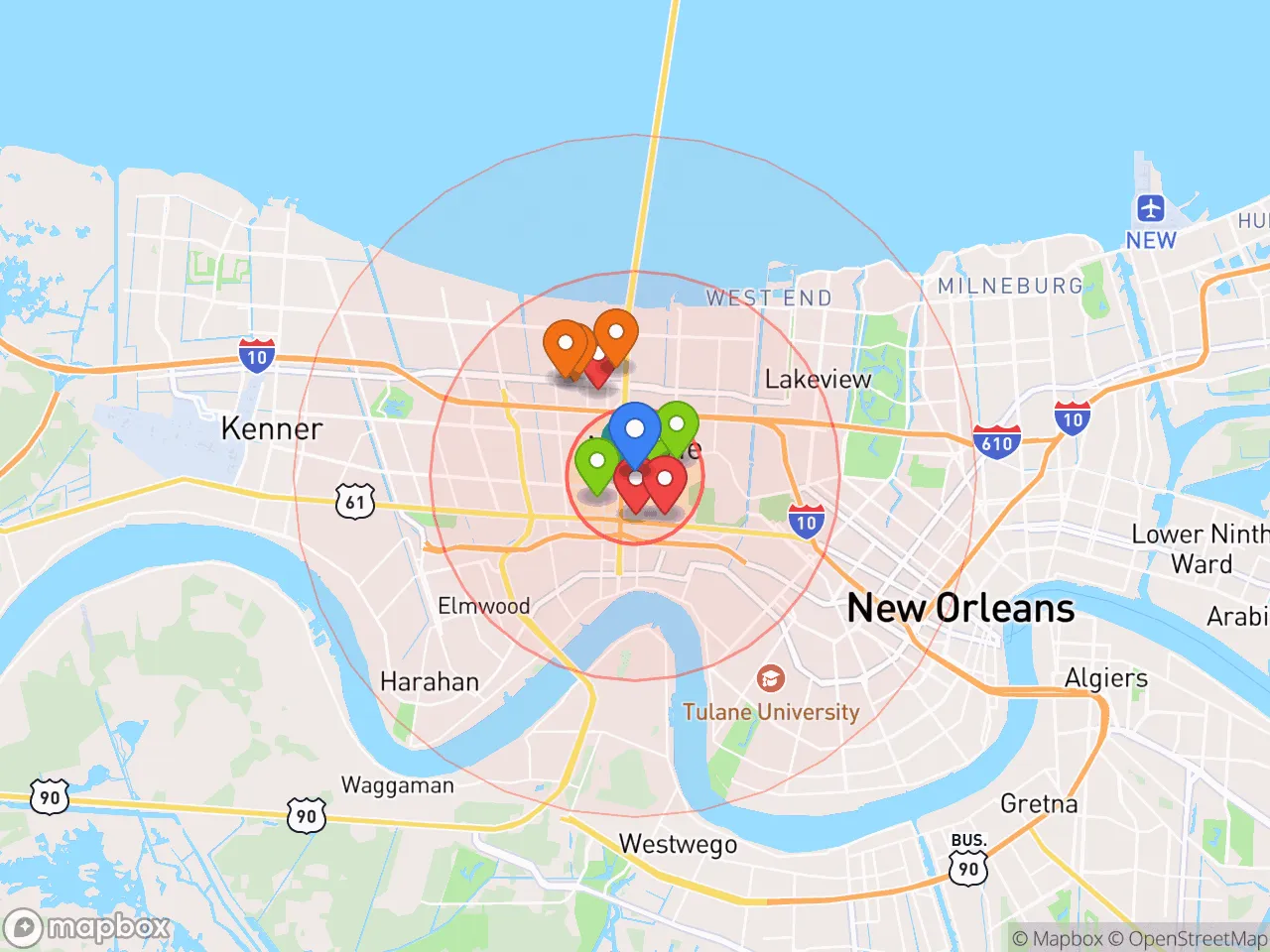
Explore the areaGroceries
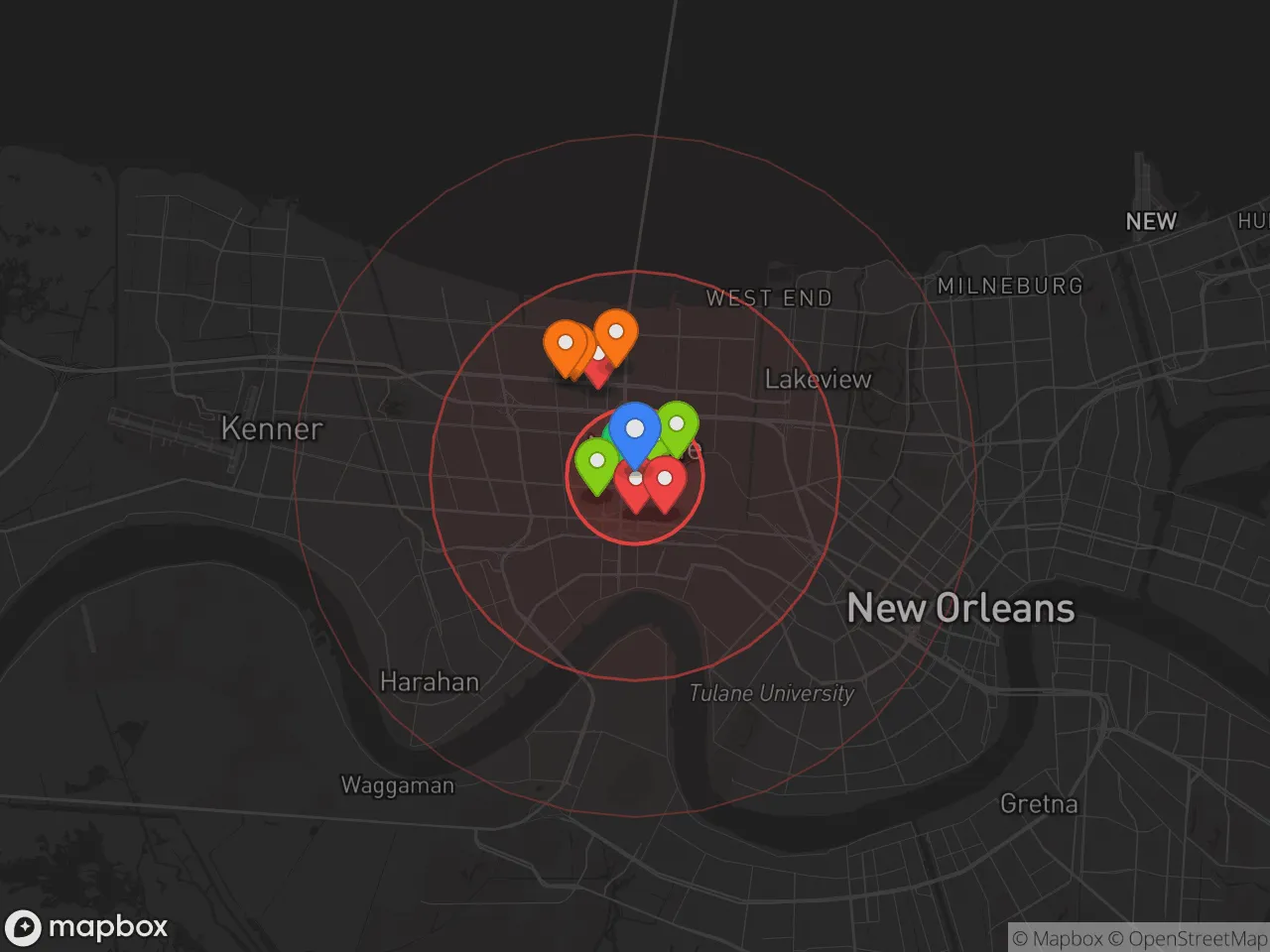
9 within 10 miles
Gas
20 within 10 miles
Hospital
20 within 20 miles
Airport
IAH — George Bush Intercontinental
Post Office
USPS — Metairie, LA
Critical Amenities
Quality-of-Life Analysis
Metairie, Louisiana, presents a quality-of-life profile that blends suburban affluence with the practical realities of a New Orleans suburb, attracting a mix of established professionals, young families, and long-time residents seeking a quieter alternative to the city. With a cost-of-living index of 104 (just 4% above the national average), the area offers a relatively affordable entry point into a well-resourced community, though housing costs and property taxes shape the daily financial landscape. The typical resident here values proximity to New Orleans’ employment and culture but prioritizes Metairie’s lower crime rates, better public schools, and more predictable daily rhythm.
Cost of living, housing affordability, and how it compares to New Orleans
Metairie’s cost-of-living index of 104 sits notably below the New Orleans metro average of around 108, making it a financially pragmatic choice for those who work in the city but want more space. The median home value of $308,900 is roughly 15% lower than comparable suburban homes in nearby Jefferson Parish communities like Old Jefferson or River Ridge, and significantly less than the $400,000+ median in Uptown New Orleans. Renters find a similar advantage: the median rent of $1,159 is about 20% cheaper than a comparable apartment in the New Orleans city limits. However, property taxes in Jefferson Parish average about 0.85% of assessed value—higher than Orleans Parish’s 0.55%—which can add $200–$300 per month to a homeowner’s carrying costs. The average commute of 21.6 minutes is a key selling point: it’s roughly 10 minutes shorter than the typical New Orleans-to-suburb drive, thanks to Metairie’s dense network of major arteries like Veterans Memorial Boulevard and I-10, which keep most destinations within a 15–25 minute reach.
Schools, amenities, and what daily life actually feels like
Daily life in Metairie revolves around a car-dependent but highly convenient suburban grid. The Jefferson Parish Public School System operates several highly rated schools in the area, including Haynes Academy for Advanced Studies (consistently ranked among Louisiana’s top 10 public schools) and J.D. Meisler Middle School, which draw families from across the parish. Private school options are abundant, with St. Martin’s Episcopal School and Archbishop Rummel High School serving as popular choices. Amenities are dense: the 1,200-acre Lafreniere Park offers walking trails, sports fields, and a lake, while the Lakeside Shopping Center and Clearview Mall provide retail anchors. The restaurant scene leans heavily toward po’ boys, seafood, and Italian-Creole hybrids—local staples like Deanie’s Seafood and Drago’s Seafood Restaurant are neighborhood institutions. The rhythm is slower than New Orleans: bars close earlier, traffic peaks at predictable rush hours, and weekend mornings are dominated by youth soccer games and grocery runs at the Rouses Market on Veterans. Flood risk remains a real concern—much of Metairie sits in a FEMA-designated flood zone, and most homeowners carry flood insurance averaging $700–$1,200 annually.
Metairie is best suited for professionals and families who want New Orleans’ cultural and job access without the city’s daily friction—its higher crime, weaker schools, and longer commutes. The area works well for dual-income households earning $80,000–$120,000, who can comfortably afford the median home or rent while maintaining a car-dependent lifestyle. Retirees on fixed incomes may find the property taxes and flood insurance burdensome, but the area’s walkable pockets near Lafreniere Park and the senior-focused East Jefferson General Hospital campus offer some appeal. Ultimately, Metairie delivers a stable, middle-to-upper-middle-class suburban experience with a distinctly Louisiana flavor—just without the Bourbon Street chaos.

Crime in Metairie, LA
Crime rates similar to the national median for U.S. locations.
Violent CrimeViolent Crime Analysis
Property CrimeProperty Crime Analysis
Crime Analysis
Metairie, Louisiana, presents a mixed safety profile for prospective residents. While its violent crime rate of 351.6 per 100,000 residents is below the national average, the property crime rate of 1,418 per 100,000 is significantly higher, creating a situation where theft and burglary are common concerns. The overall safety picture is further complicated by the influence of Jefferson Parish’s justice system, which operates under a progressive prosecutorial philosophy that prioritizes rehabilitation over incarceration, a factor that directly contributes to higher recidivism and more criminals on the street.
Crime in context
Metairie’s violent crime rate of 351.6 per 100,000 is roughly 20% lower than the U.S. average of 380 per 100,000, but it masks a more troubling property crime situation. The property crime rate of 1,418 per 100,000 is about 30% higher than the national average of 1,100 per 100,000. Compared to the rest of Louisiana, which consistently ranks among the highest-crime states in the nation, Metairie is safer than cities like New Orleans or Baton Rouge but still faces elevated risks, particularly for vehicle break-ins and package theft. The progressive policies of local district attorneys, who often seek diversion programs and reduced sentences for repeat offenders, mean that many property criminals are released quickly, undermining deterrence and public safety.
What residents experience
For daily life in Metairie, the most tangible safety issue is property crime. Residents frequently report stolen packages from porches, catalytic converter thefts, and vehicle burglaries, especially in shopping centers and apartment complexes. Violent crime is less common but not absent, with incidents concentrated in specific areas like the Clearview Parkway corridor and parts of Veterans Memorial Boulevard. The progressive justice approach—which includes lenient bail policies and a focus on "restorative justice" over incarceration—means that even arrested offenders often return to the streets quickly, creating a revolving-door effect that frustrates victims and emboldens criminals. This is a direct negative for families and retirees seeking a stable, low-crime environment.
Neighborhood-level variation
Safety in Metairie varies significantly by neighborhood. The area south of West Esplanade Avenue, including the Old Metairie historic district, experiences the lowest crime rates, with violent crime nearly nonexistent and property crime well below the metro average. In contrast, the area around the Lakeside Shopping Center and the Fat City entertainment district sees higher rates of theft, assault, and drug-related incidents. The northern sections near the Jefferson Parish line and the I-10 corridor also report elevated property crime. For the most security, residents should focus on the established, single-family-home neighborhoods south of West Esplanade, while avoiding the denser, commercial-heavy zones where progressive justice policies have the most visible impact on street-level crime.
* Values derived from national, state, county, city and local statistics and may differ in a specific area. Last updated: 2026-04-23T04:58:29.000Z
Narrative content on this page is AI-generated and may contain mistakes. Verify any details that matter before acting on them.
ReloMaps may earn a commission from affiliate links at no extra cost to you.

