
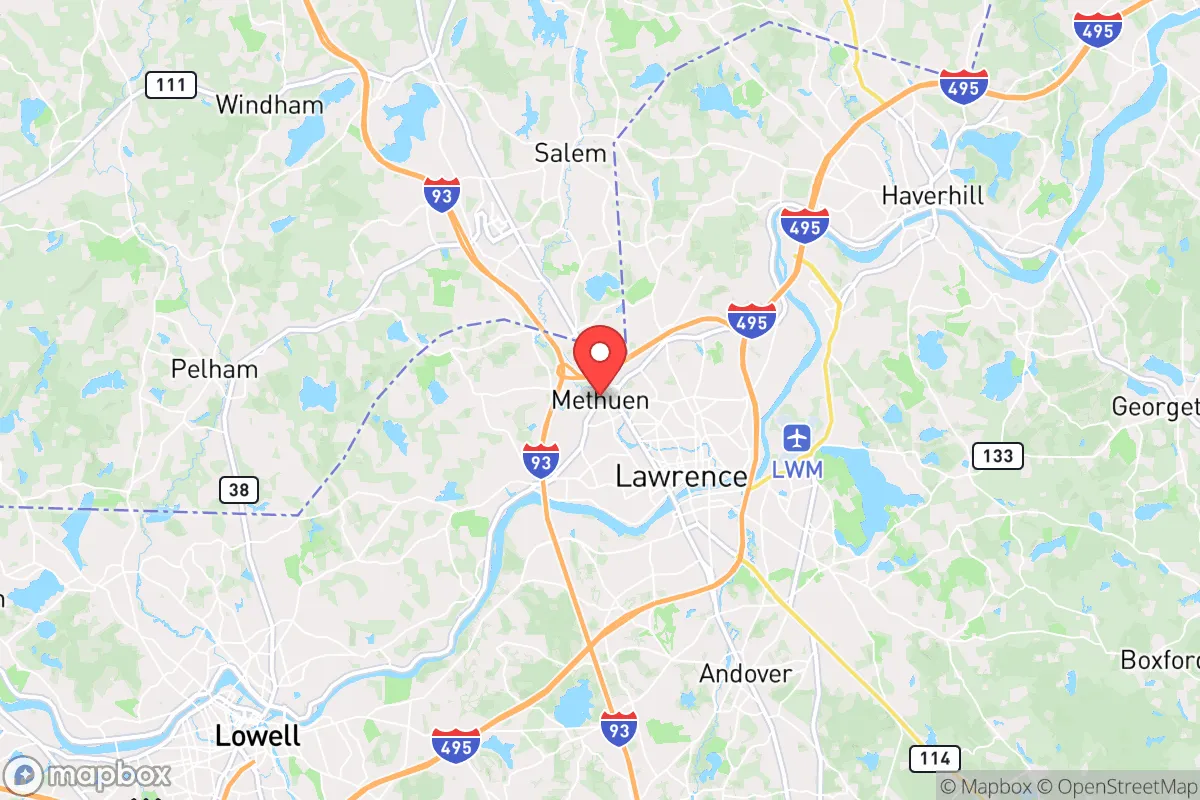
Photo by Evan McNamara on Unsplash
Quality of Life in Methuen Town, MA
A high quality of life with strong walkability, manageable living costs, healthy neighborhood signals, and solid amenity access.
What does Quality of Life tell us?
Quality of Life blends cost of living, nearby amenities, socioeconomic signals, and neighborhood character. City-level scores represent the whole municipality; individual neighborhoods can differ.
What does this tell us?
Quality of Life blends cost of living, nearby amenities, socioeconomic signals, and neighborhood character. City-level scores represent the whole municipality; individual neighborhoods can differ.
Cost of Living
50% above national average
The Real Cost of Living in Methuen Town, MA for 2026
| Tier | Individual | Family (4) |
|---|---|---|
| Survival | $26k | $48k |
| Comfortable | $92k | $135k |
| Luxury | $151k+ | $235k+ |
| Elite (Top 5%) | $178k+ | $276k+ |
77%
The Area Signal
A metric tracking the socioeconomic signals of the area.
Hobbies
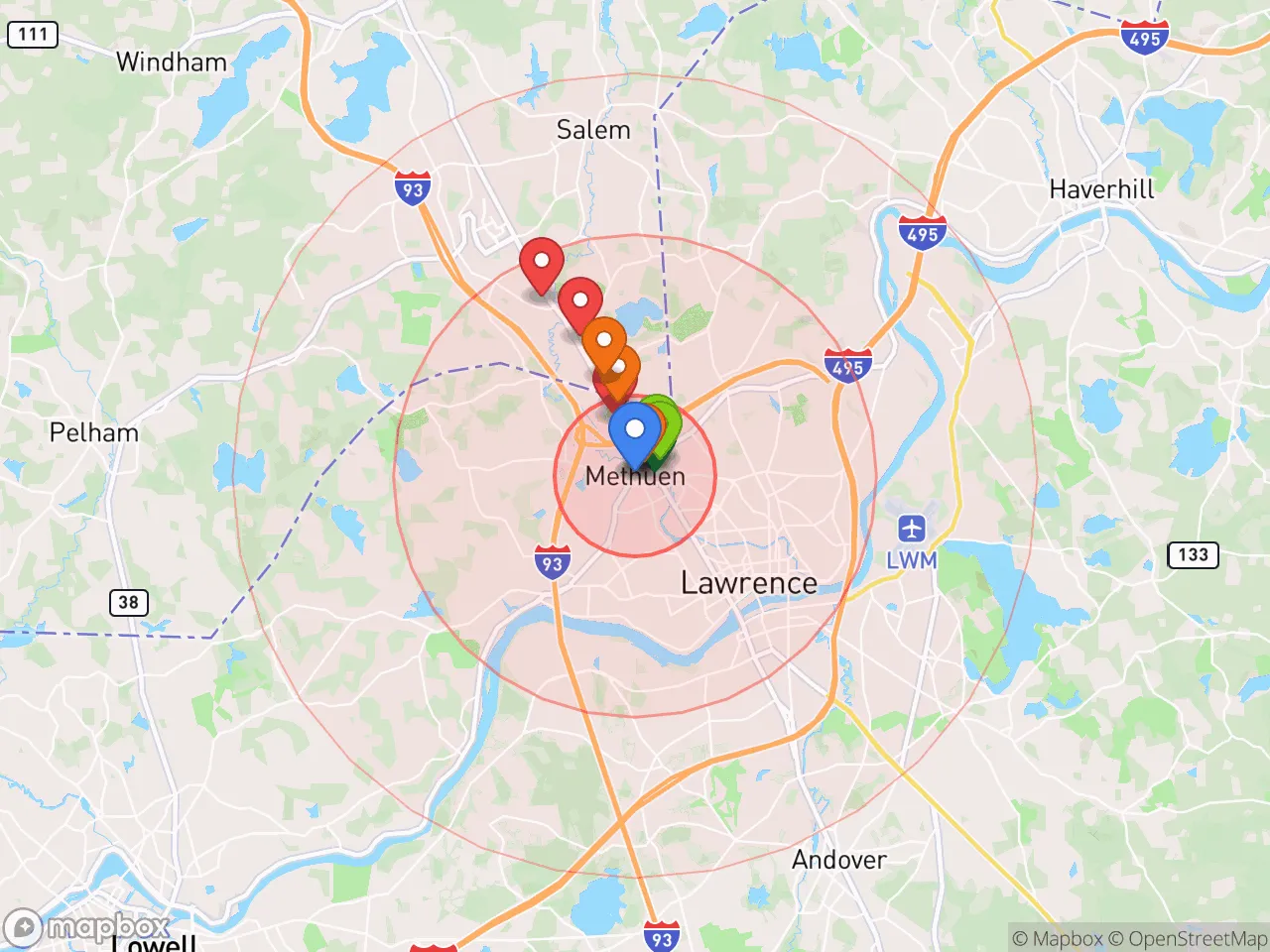
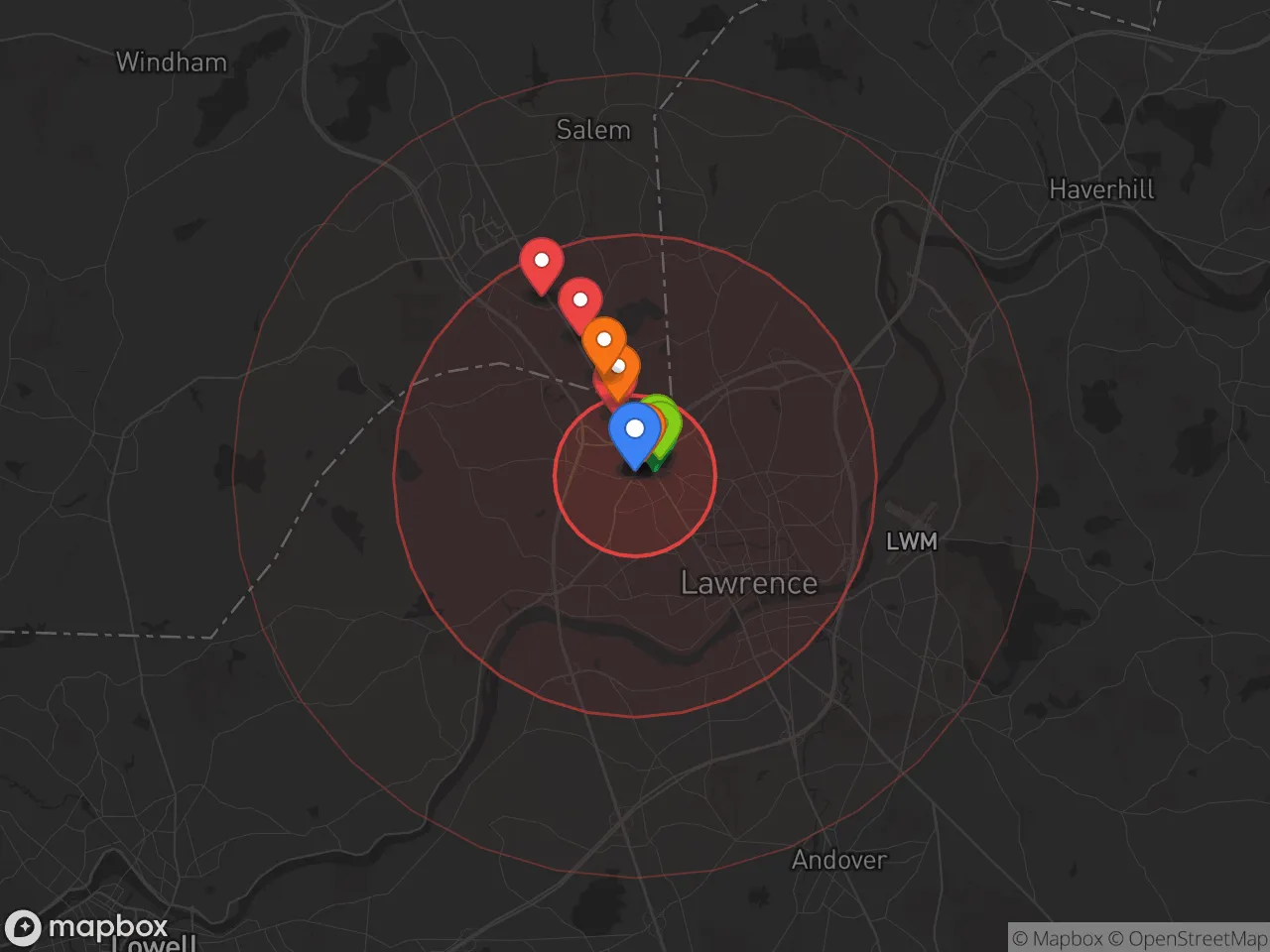
Explore the areaGroceries
4 within 10 miles
Gas
20 within 10 miles
Hospital
20 within 20 miles
Airport
PDX — Portland International Jetport
Post Office
USPS — Salem, NH
Critical Amenities
Quality-of-Life Analysis
Methuen Town, Massachusetts, presents a distinctly affluent quality of life, with a cost of living index of 150 (50% above the U.S. average) that reflects its position as a desirable, family-oriented suburb in the Merrimack Valley. The population skews toward established professionals, dual-income households, and families who prioritize strong schools and proximity to Boston over the lower costs found further north in New Hampshire. With a median household income well above the state average, Methuen attracts residents who are willing to pay a premium for its blend of suburban space, historic character, and commuter access.
Cost of living, housing affordability, and how it compares to nearby areas
Methuen’s housing market is the primary driver of its elevated cost of living. The median home value of $472,200 is significantly higher than the national median but remains notably more affordable than Boston proper (where the median exceeds $700,000) and comparable to neighboring towns like Andover and North Andover. For renters, the median rent of $1,610 is competitive for the region, though it still represents a substantial monthly outlay. This pricing places Methuen in a middle tier: cheaper than the immediate Boston suburbs but pricier than communities just over the New Hampshire border in Salem or Nashua, where the cost of living index can drop to 110-120. The average commute of 28.3 minutes is manageable for a Boston exurb, with Interstate 93 and the MBTA commuter rail (via the nearby Lawrence station) providing direct routes into the city. However, property taxes in Methuen (roughly 1.2% of assessed value) are higher than in southern New Hampshire, a factor that pushes some budget-conscious buyers across the state line.
What daily life is like for families: schools, amenities, and local rhythm
Daily life in Methuen revolves around its well-regarded public school system, which includes the Methuen High School Rangers and several elementary schools with strong parent-teacher associations. The town’s amenities center on the Methuen Memorial Music Hall, a historic venue hosting concerts and events, and the sprawling 100-acre Forest Lake, which offers swimming, fishing, and walking trails in summer. For shopping and dining, the Loop (a commercial district along Pleasant Valley Street) provides big-box retailers and chain restaurants, while downtown Methuen retains a small-town feel with local pizzerias, bakeries, and the Methuen Historical Society. The town’s rhythm is distinctly suburban: weekends see families at the Methuen Rail Trail or the annual Methuen Festival of Trees, and the commute pattern is heavy but predictable. Proximity to the Merrimack River and the border with New Hampshire means residents can easily access tax-free shopping in Salem, NH, or outdoor recreation at Maudslay State Park in Newburyport within a 25-minute drive.
Methuen is best suited for families and professionals who value a strong school system, a manageable commute to Boston, and a suburban environment with historic character, but who are comfortable paying a premium for these advantages. Those seeking the lowest possible housing costs or a vibrant urban nightlife will find better fits elsewhere, but for buyers prioritizing safety, schools, and community events, Methuen delivers a stable, high-quality lifestyle. The town’s mix of older New England homes and newer subdivisions means options exist for both first-time buyers and those trading up, though inventory can be tight. Ultimately, Methuen works best for those who see its cost as an investment in access—to Boston jobs, New Hampshire recreation, and a tight-knit local community.

Crime in Methuen Town, MA
Generally safer than 71% of comparable U.S. locations.
Violent CrimeViolent Crime Analysis
Property CrimeProperty Crime Analysis
Crime Analysis
Methuen Town, Massachusetts, presents a mixed safety profile for potential residents. With a violent crime rate of 235.8 per 100,000 residents and a property crime rate of 813.5 per 100,000, the city sits above the national average for violent offenses but below the national average for property crime. However, as a community within the Boston metropolitan area, Methuen is subject to the broader criminal justice policies of Essex County and Massachusetts, where progressive district attorneys and judges often prioritize rehabilitation over incarceration, a factor that can lead to higher recidivism and more criminals on the street, directly impacting public safety and justice for victims.
Crime in context
Methuen’s violent crime rate of 235.8 per 100,000 is roughly 30% higher than the national average of about 180 per 100,000, placing it in a more concerning tier for a city of its size (approximately 50,000 residents). Property crime, at 813.5 per 100,000, is about 20% lower than the U.S. average of 1,000 per 100,000, meaning thefts, burglaries, and motor vehicle thefts are less common than in many comparable suburbs. Compared to the rest of Massachusetts, Methuen’s violent crime rate is elevated; the state average is around 300 per 100,000, but many smaller towns in the Merrimack Valley report rates below 150. The presence of a progressive judicial philosophy in Essex County, where lenient sentencing and early release programs are common, means that offenders convicted of violent crimes may cycle back into the community more quickly, undermining long-term safety gains.
What residents experience
Daily life in Methuen involves a tangible awareness of property crime, though violent incidents are less frequent. Residents report that car break-ins and package thefts are the most common nuisances, particularly in neighborhoods near the I-93 corridor and the Methuen Mall area. The city’s police department is proactive, with a dedicated community policing unit, but the broader legal environment—where progressive prosecutors often decline to charge low-level property crimes or offer diversion programs—can leave repeat offenders undeterred. For families, this means taking standard precautions: locking vehicles, using security cameras, and avoiding isolated areas after dark. The Methuen Police Department’s response times average under 5 minutes for emergency calls, a positive factor, but the underlying risk remains that lenient judicial policies may embolden offenders.
Neighborhood-level variation is significant. The eastern side of Methuen, near the Lawrence border, experiences higher crime rates, with violent incidents concentrated in a few blocks around the Arlington Street and Hampshire Road areas. In contrast, the western neighborhoods—such as those near the Pelham, New Hampshire line and the Forest Lake area—report much lower crime, with violent rates closer to 100 per 100,000. Prospective renters and buyers should prioritize properties in these western zones, while also recognizing that the city’s overall safety is tempered by the progressive justice system’s impact on recidivism and community protection.
* Values derived from national, state, county, city and local statistics and may differ in a specific area. Last updated: 2026-04-23T05:06:20.000Z
Narrative content on this page is AI-generated and may contain mistakes. Verify any details that matter before acting on them.
ReloMaps may earn a commission from affiliate links at no extra cost to you.

