Photo: Wikipedia
Find The Best Places To Live
in Salem
PRO TIP! You can paste a Zillow or Redfin link to get info on that property.
What It's Like Living in Salem, MA
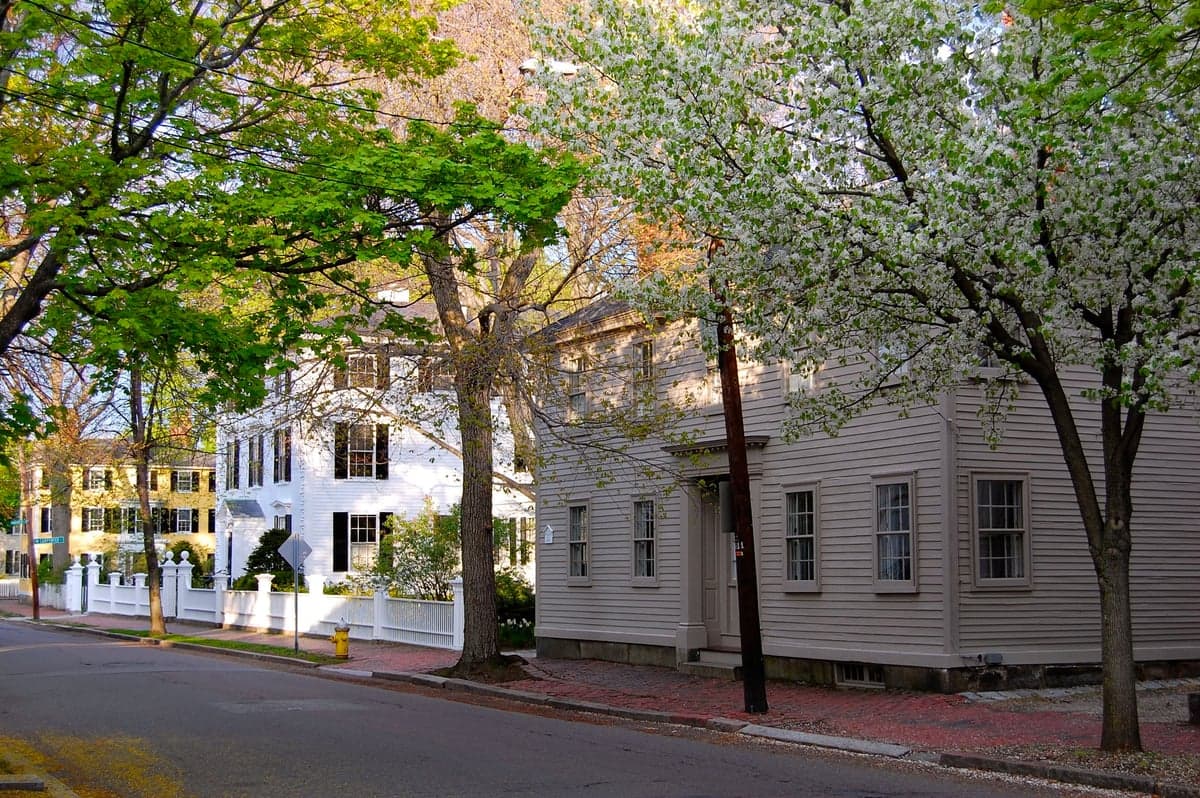
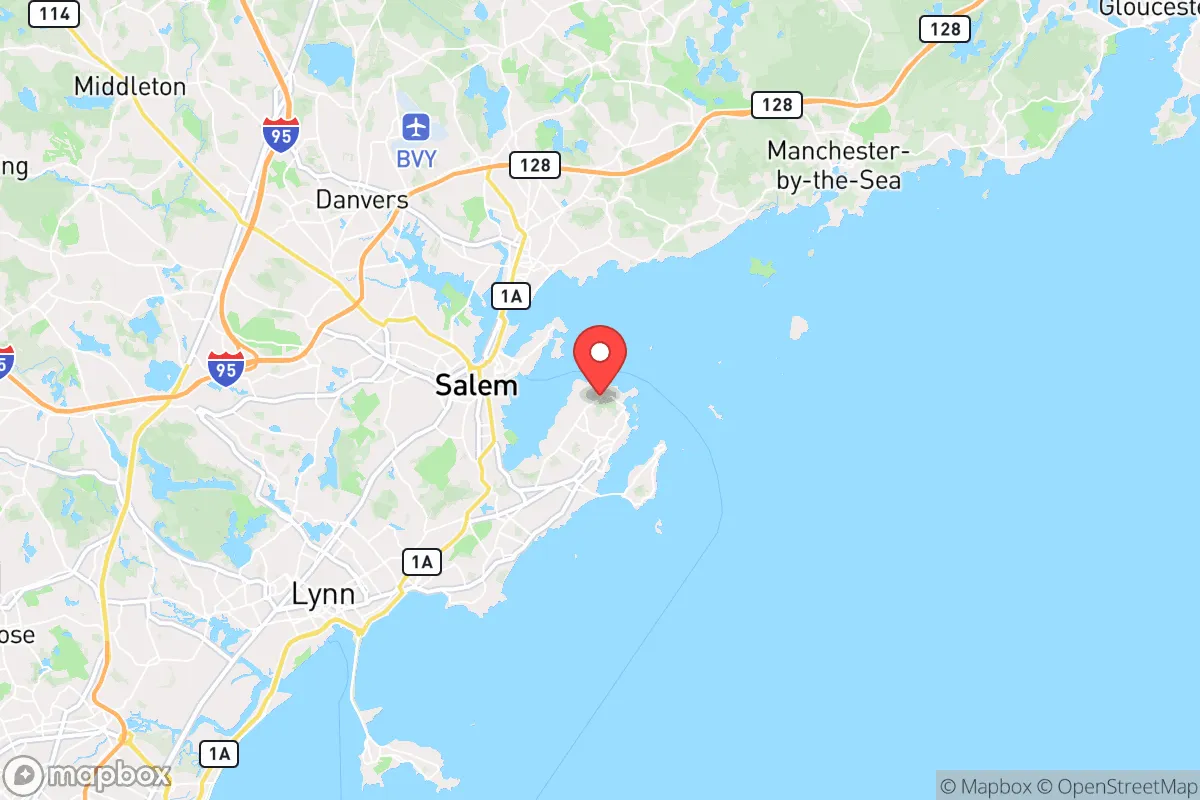
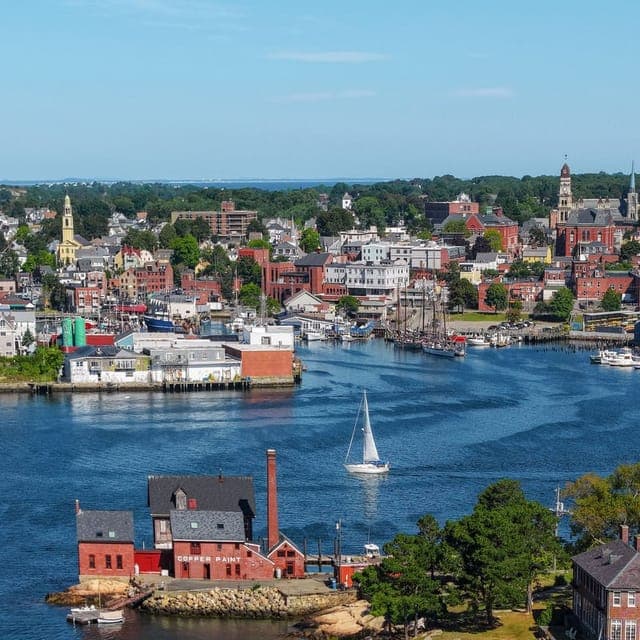
Salem, Massachusetts, is a city that wears its history like a favorite coat—familiar, storied, and impossible to ignore—but the daily life here is far more than witch trials and October crowds. With a population just over 44,000, it’s a compact, walkable coastal town where the Atlantic breeze mixes with the smell of fried dough from a food truck, and where the median age of 38.5 suggests a community heavy on young professionals and families settling in for the long haul. If you’re considering a move, know this: Salem is a place where you can grab a beer at a 400-year-old tavern, then walk your kid to a top-rated public school, all while dodging a tourist taking a selfie with a bronze statue of a witch.
The Daily Rhythm: Walkable, Seasonal, and Surprisingly Local
Forget the postcard image of Salem as a year-round Halloween party. Most days, life here is quiet, neighborly, and defined by the seasons. The downtown core—Essex Street, Derby Street, and the waterfront—is dense with independent shops, coffee spots like Front Street Coffee House, and restaurants that range from upscale Italian at Ledger to no-frills seafood at Sea Level Oyster Bar. Locals don’t just shop at the chain grocery stores; they hit the Salem Farmers’ Market on Thursdays from June to October, or grab fresh catch at the docks. The average commute of about 30 minutes is a reality for many who work in Boston (a 45-minute commuter rail ride), but the city itself is a hub for jobs in healthcare, education, and tourism. The median household income of $85,137 reflects a mix of white-collar commuters and local business owners, though the cost of living index of 163 means that salary doesn’t stretch as far as it would in, say, rural Texas.
Weekends are for the outdoors. Salem Willows Park offers a classic New England beach experience with arcades and popcorn stands, while Winter Island Park has a working lighthouse and a campground that fills up fast in summer. The Salem Maritime National Historic Site is less a tourist trap and more a quiet waterfront walkway where locals jog or walk dogs. The weather is a genuine factor: winters are cold, gray, and damp, with nor’easters that can dump a foot of snow overnight. Summers are mild and humid, but the ocean breeze keeps things tolerable. The real rhythm, though, is October—when the city’s population effectively doubles, and locals either embrace the chaos or flee to New Hampshire for the month.
Sports, Schools, and Community Identity
Sports here aren’t a religion the way they are in the South or Midwest, but they’re present. High school football at Salem High School draws decent crowds for Thanksgiving Day games, and the Salem State University Vikings hockey and basketball teams have a loyal following among alumni. For pro sports, it’s all Boston teams—Red Sox, Celtics, Bruins, Patriots—and you’ll find fans packed into Gulu-Gulu Cafe or Bit Bar for game days. The city’s identity is less about sports and more about its quirky, creative energy. The Salem Arts Festival in June, the Heritage Days celebration in August, and the year-round Salem Film Fest all draw locals who value culture over competition.
Schools are a major draw for families. The Salem Public Schools system, while not the highest-ranked in Massachusetts, has strong elementary schools and a well-regarded high school with advanced placement options. Nearly half of adults (49.6%) hold a college degree, which shapes the community’s tone—intellectual, politically engaged, and leaning liberal. That said, the city has a noticeable conservative minority, often older residents or those in trades, who grumble about property taxes and the tourist crush. The median home value of $497,400 means homeownership is a stretch for many singles, but rentals are plentiful, with one-bedrooms averaging around $1,800 a month.
What’s There to Do: Festivals, Nightlife, and the Witch Factor
Let’s address the elephant in the room: the witch tourism. It’s real, it’s relentless, and it’s the economic engine that keeps the city afloat. Haunted Happenings, the month-long October festival, draws over 500,000 visitors and includes parades, psychic fairs, and costume balls. Locals have a love-hate relationship with it—the revenue is undeniable, but the traffic on Route 1A and the packed sidewalks can test anyone’s patience. Outside of October, the city’s entertainment scene is robust. The Hawthorne Hotel’s bar is a classic spot for a craft cocktail, while Notch Brewing on the waterfront is a favorite for its outdoor beer garden and live music. The Salem Waterfront Hotel hosts events, and the Peabody Essex Museum is a world-class institution that locals visit for free on certain days.
For nightlife, Rockafellas and Mercy Tavern are reliable for drinks and pub food, while Koto offers late-night sushi. The city’s cultural quirks include a genuine community of modern witches and pagans who live here year-round, not just for the tourist season. The Salem Witch Museum is a major attraction, but locals know the Witch House (Jonathan Corwin’s home) is the only building with direct ties to the 1692 trials. The violent crime rate of 69.5 per 100,000 is low for a city its size, and most residents feel safe walking downtown at night.
Pros and Cons: The Honest Trade-Offs
- Pro: Walkability. You can live without a car if you’re near downtown, with the commuter rail, ferry to Boston, and bus lines covering most needs.
- Con: Cost of living. At 163% of the national average, housing and groceries are steep. A single person earning the median income will feel pinched.
- Pro: Community feel. Despite the tourism, Salem has a small-town vibe where neighbors know each other and local politics are fiercely debated at coffee shops.
- Con: October chaos. If you hate crowds, you’ll either need to plan vacations that month or learn to navigate the madness. Traffic on weekends can be gridlock.
- Pro: History and culture. You’re living in a place that matters, with museums, architecture, and a story that’s genuinely unique in America.
- Con: Winter weather. The gray skies and cold can wear on you from December through March. Seasonal affective disorder is a real topic of conversation here.
Salem is best suited for someone who values character over convenience, who can tolerate a bit of tourist madness for the sake of a vibrant downtown, and who wants a community where the past is always present. It’s not for everyone—but for the right person, it’s home.

Similar towns to Salem
* Values derived from national, state, county, city and local statistics and may differ in a specific area. Last updated: 2026-04-23T06:47:15.000Z
Narrative content on this page is AI-generated and may contain mistakes. Verify any details that matter before acting on them.
ReloMaps may earn a commission from affiliate links at no extra cost to you.

