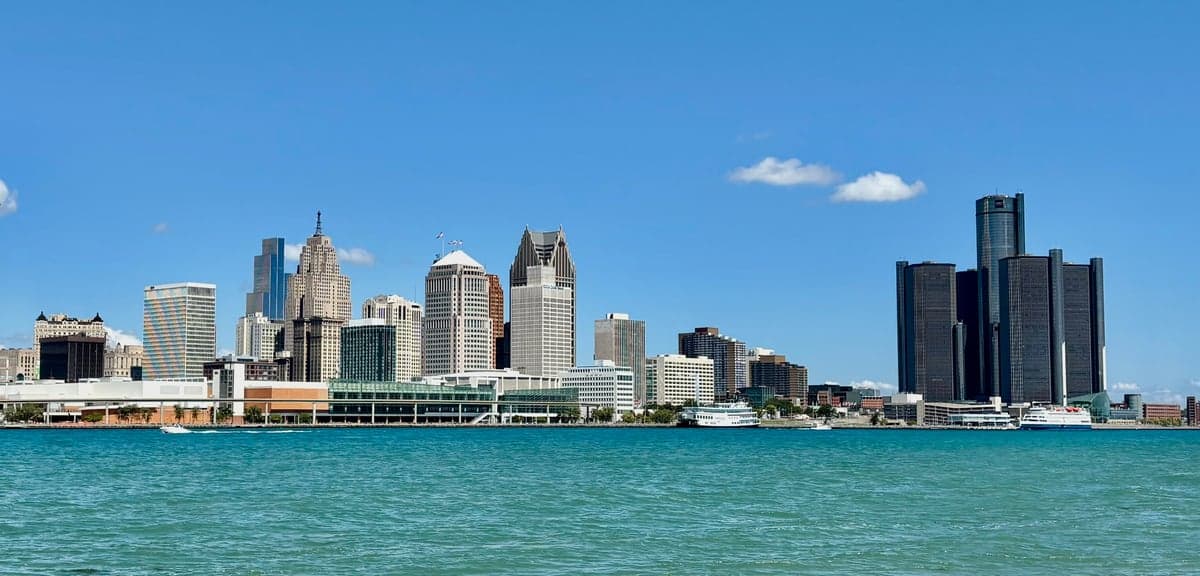
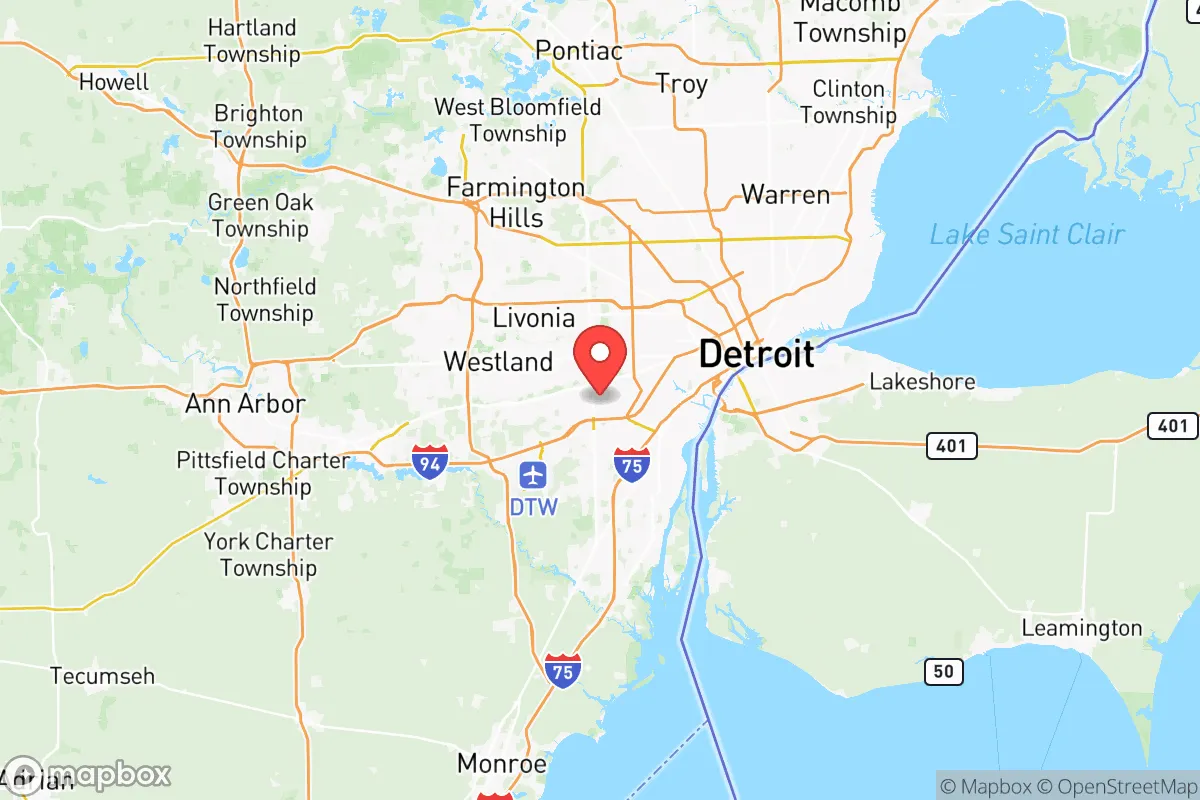
Photo: Wikipedia
Quality of Life in Wayne County
A livable area that tracks near national norms for affordability, walkability, and neighborhood health.
What does Quality of Life tell us?
Quality of Life measures an area by evaluating factors like cost of living, nearby amenities, country club access, airport proximity, socioeconomic signals and neighborhood character. For large states, this is a general average — quality of life can vary dramatically between metro areas, suburbs, and rural communities within the same state.
What does this tell us?
Quality of Life measures an area by evaluating factors like cost of living, nearby amenities, country club access, airport proximity, socioeconomic signals and neighborhood character. For large states, this is a general average — quality of life can vary dramatically between metro areas, suburbs, and rural communities within the same state.
Cost of Living
20% below national average
122%
The Real Cost of Living in Wayne County for 2026
| Tier | Individual | Family (4) |
|---|---|---|
| Survival | $17k | $33k |
| Comfortable | $33k | $49k |
| Luxury | $108k+ | $167k+ |
| Elite (Top 5%) | $140k+ | $217k+ |
Quality-of-Life Analysis
Wayne County, Michigan offers one of the most dramatic quality-of-life spectrums in the Midwest, ranging from the dense urban core of Detroit to quiet, agricultural towns like Sumpter Township and rural stretches near the Huron River. This diversity draws a wide cross-section of residents: young professionals and artists gravitate to Detroit’s revitalized neighborhoods, families and commuters settle into established suburbs like Dearborn and Livonia, while those seeking space and lower taxes find themselves in the county’s far-western and downriver townships. The county’s overall cost of living index sits at 80 (20% below the U.S. average), with a median home value of $170,200 and median rent of $1,087, but these figures mask a wide internal spread.
Largest town(s) & population centers
Detroit is the county’s anchor and largest city, with a population just under 640,000 as of 2025 estimates. Daily life here is defined by a mix of ongoing revitalization in Midtown and Corktown, where new restaurants and tech offices have opened, and persistent challenges in outlying neighborhoods where housing stock remains distressed. The average commute across the county is 25 minutes, though Detroit residents often face shorter trips to downtown jobs. Beyond Detroit, the next largest population centers are Dearborn (pop. ~109,000), home to Ford Motor Company’s world headquarters and a strong Arab-American community, and Livonia (pop. ~93,000), a classic post-war suburb with large shopping corridors and a heavy concentration of manufacturing and logistics employers. Canton Township (pop. ~93,000) is a fast-growing suburban hub with top-rated schools and a family-oriented feel, while Westland (pop. ~82,000) offers more affordable housing and a blue-collar base. These larger suburbs provide consistent amenities—chain retail, community parks, and reliable public services—but also higher property taxes and traffic congestion on major arteries like I-275 and M-14.
Smaller towns & rural pockets
Wayne County’s smaller communities offer a markedly different pace. Grosse Ile Township, an island community in the Detroit River, has a village-like atmosphere with historic homes, a private airport, and a strong sense of isolation despite being 20 minutes from downtown. Northville (partially in Wayne County) and Plymouth are walkable, historic towns with charming downtowns, independent shops, and higher home values—often exceeding $400,000. Further west, Sumpter Township and Van Buren Township are largely rural, with working farms, large-lot subdivisions, and limited commercial development. Huron Township and Brownstown Township, in the downriver area, mix suburban subdivisions with agricultural land and access to the Huron River. These areas lack the retail density of the inner suburbs but offer lower crime rates, more space, and a quieter lifestyle. The Downriver communities—a string of towns including Wyandotte, Trenton, and Riverview—form a distinct subregion with their own downtowns, riverfront parks, and a strong sense of local identity separate from Detroit.
Cost & lifestyle range
The cost spread across Wayne County is wide. At the low end, neighborhoods in Detroit’s east side and parts of Ecorse and River Rouge have median home values below $60,000, with rents often under $800. These areas offer the lowest barrier to entry but come with higher crime rates, under-resourced schools, and limited grocery access. At the high end, Grosse Ile and Northville see median home values above $350,000, with some waterfront properties exceeding $1 million. The middle ground is occupied by suburbs like Dearborn Heights, Allen Park, and Taylor, where median home values range from $120,000 to $200,000 and rents hover near the county median of $1,087. Lifestyle varies accordingly: inner-ring suburbs offer walkable commercial strips and shorter commutes, while outer townships require a car for every errand but provide larger lots and lower density. Property taxes are a significant factor—Michigan’s Proposal A means older homeowners in stable neighborhoods often pay far less than new buyers, creating a two-tiered system within the same block.
Who thrives in Wayne County? The county is best suited for residents who value diversity of experience over uniformity. Urbanites who want cultural institutions, nightlife, and career density will find Detroit’s core unmatched in the state. Families seeking good schools and safe streets gravitate to Canton, Northville, or Grosse Ile. Those on a tight budget or looking for land will find opportunity in the western townships and downriver communities. The county’s 25-minute average commute is a realistic trade-off for access to the region’s largest job market, but residents must be willing to navigate the stark contrasts between its neighborhoods—from world-class museums to food deserts, often within a 15-minute drive.

Crime in Wayne County
Crime rates similar to the national median for U.S. locations.
Violent CrimeViolent Crime Analysis
Property CrimeProperty Crime Analysis
Crime Analysis
Wayne County, Michigan, presents a complex safety picture shaped by the stark contrast between its urban core and suburban communities. With a violent crime rate of 413 per 100,000 residents and a property crime rate of 1,246.5 per 100,000, the county's overall figures are significantly higher than both the Michigan state average and national benchmarks. However, these aggregate numbers mask dramatic neighborhood-level variation, where the experience of safety in a city like Grosse Pointe Farms differs profoundly from that in parts of Detroit or Inkster.
Crime in context
Wayne County's violent crime rate of 413 per 100,000 is roughly 1.5 times the national average and well above the Michigan state rate of approximately 460 per 100,000 (which itself is elevated by Detroit's numbers). Property crime at 1,246.5 per 100,000 also exceeds the national average of roughly 1,954 per 100,000, but is lower than some other large urban counties in the Midwest. The county's crime profile is heavily influenced by Detroit, which accounts for a disproportionate share of violent offenses. When Detroit is removed from the calculation, the remaining suburban communities—such as Livonia, Canton, and Plymouth—see violent crime rates drop to around 150–200 per 100,000, comparable to safer mid-sized American cities. The presence of progressive judicial policies in Detroit's 36th District Court and the Wayne County Prosecutor's Office has been a point of contention; critics argue that a focus on diversion programs and reduced sentencing for repeat offenders has contributed to a revolving-door effect, particularly for gun-related crimes, undermining public confidence in the justice system.
What residents experience
Daily life in Wayne County varies widely by location. In Detroit's neighborhoods like Corktown or Midtown, residents often report a heightened awareness of property crime—car break-ins, package thefts, and home burglaries are common concerns. The city's auto theft rate remains among the highest in the nation, driven partly by organized rings targeting specific vehicle models. In contrast, residents of Grosse Pointe Park or Northville describe a suburban experience where violent crime is rare, but property crime—especially from transient offenders—still occurs. The county's property crime rate of 1,246.5 per 100,000 translates to roughly 1 in 80 households experiencing a theft or burglary annually, a figure that feels more acute in denser urban areas. For families, the perception of safety often dictates school choices and evening activities; many opt for communities like Trenton or Wyandotte, where police response times are faster and community policing is more established.
Neighborhood-level variation and judicial impact
The most critical factor for a prospective resident is understanding that Wayne County is not a monolith. Safer enclaves include the Grosse Pointe communities (Grosse Pointe Farms, Grosse Pointe Park), where violent crime rates hover around 50–80 per 100,000, and western suburbs like Canton and Plymouth, which consistently rank among Michigan's safest cities. Conversely, hotspots include Detroit's east side, parts of Inkster, and Ecorse, where violent crime rates can exceed 800 per 100,000. The county's judicial landscape plays a direct role: the Wayne County Prosecutor's Office, under progressive leadership, has implemented policies like presumptive parole and reduced cash bail for non-violent offenses. While intended to reduce incarceration, these policies have drawn criticism for releasing repeat property offenders back into communities like Dearborn and Allen Park, where residents report frustration with a system they feel prioritizes offender rehabilitation over victim protection. For anyone considering a move, examining crime data at the city or even census-tract level—and understanding the local district attorney's approach—is essential to making an informed decision about safety in Wayne County.
* Values derived from national, state, county, city and local statistics and may differ in a specific area. Last updated: 2026-05-16T03:08:25.000Z
Narrative content on this page is AI-generated and may contain mistakes. Verify any details that matter before acting on them.
ReloMaps may earn a commission from affiliate links at no extra cost to you.

