Photo: Wikipedia
Find The Best Places To Live
in Westland
PRO TIP! You can paste a Zillow or Redfin link to get info on that property.
What It's Like Living in Westland, MI
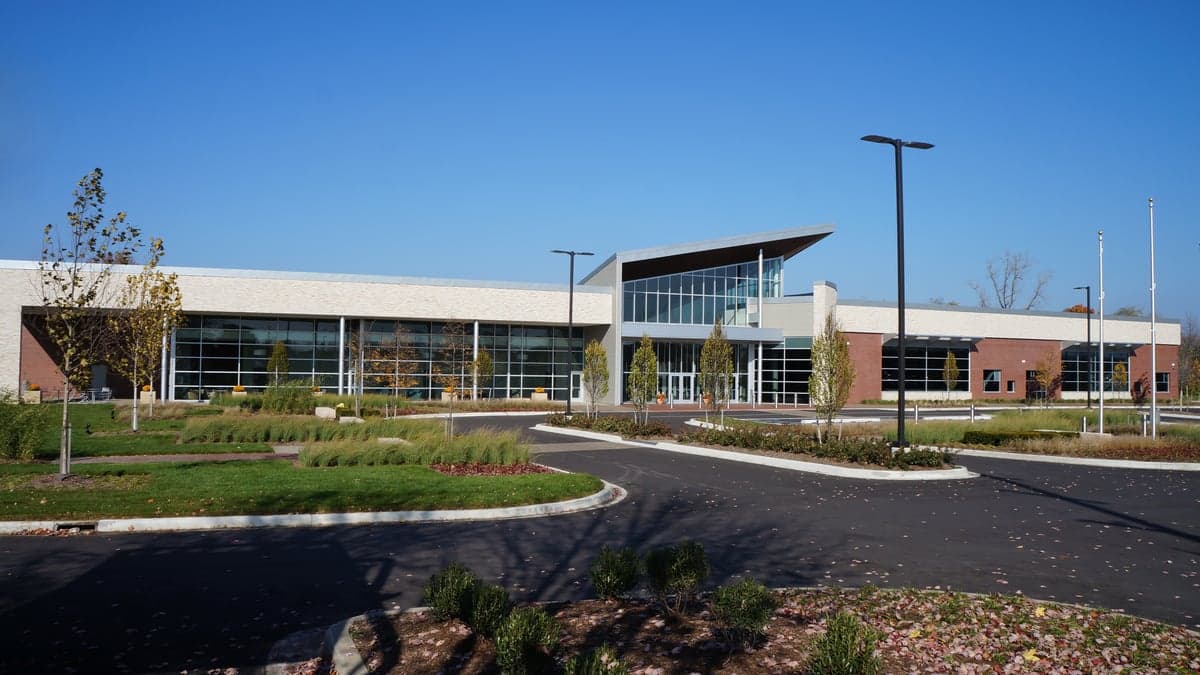
Westland, Michigan, feels like the kind of place where people have lived for decades, not because they’re stuck, but because it works. It’s a solid, middle-class suburb of Detroit that doesn’t try to be flashy—it’s more about affordable homes, familiar strip malls, and a pace that lets you breathe. You’ll find a mix of aging auto workers, young families priced out of Ann Arbor, and single professionals who want a short commute without the city noise.
The Daily Rhythm: Strip Malls, Short Commutes, and Real Seasons
Most mornings here start with a drive. The average commute clocks in at about 25 minutes, which is manageable for a Detroit suburb—you can be downtown in under 30 minutes on a good day, or hit the I-275 corridor for work in Livonia or Plymouth. People shop at the Westland Shopping Center (the old Westland Mall, now a mix of big-box stores and local shops) or hit the Kroger on Warren Road. Weekend errands often mean a trip to the Meijer on Ford Road, followed by lunch at a local chain like Leo’s Coney Island or a sit-down at the Polish Village Cafe in nearby Hamtramck if you’re craving pierogi. The weather is full-on Michigan: snowy, gray winters that last from November to March, followed by a brief, gorgeous spring and humid summers that make you appreciate air conditioning. Locals grumble about the potholes after winter, but they’re used to it.
Who Fits In: Families, Tradespeople, and the Priced-Out
Westland’s median age is 38.2, and the median household income sits at $62,216—a hair below the national average, but the cost of living index is 82, meaning your dollar goes noticeably further. With a median home value of $176,500, you can buy a decent three-bedroom ranch for what a studio apartment costs in coastal cities. The kind of person who thrives here is someone who values practicality over prestige. You’ll see a lot of union workers, nurses, and small-business owners. About 21.7% of adults hold a bachelor’s degree or higher, which is lower than the national average—this isn’t a college town, and that’s fine by most residents. It’s a place where you know your neighbors by their dogs and their snowblowers, not their LinkedIn profiles.
Sports, Entertainment, and What People Actually Do
High school football is a genuine event here. Westland John Glenn High School and Churchill High School games on Friday nights draw solid crowds, especially when they play rivals like Livonia Stevenson or Canton. For pro sports, it’s all Detroit teams—Lions, Tigers, Red Wings, Pistons—and fans are loyal but realistic. You’ll catch games at local sports bars like Bubba’s Roadhouse on Warren Road or Woodys Bar & Grill, where the beer is cold and the TVs are always on. For outdoor stuff, Hines Park is the standout—a 17-mile linear park along the Rouge River with biking trails, disc golf, and picnic areas. In summer, the Westland Summer Festival (usually in July) brings carnival rides, a car show, and local bands to Central City Park. The city also has a solid farmers market on Saturdays from June to October at the Westland City Hall parking lot. If you want a bigger night out, you’re driving 20 minutes to downtown Detroit or Royal Oak.
Pros and Cons: What Locals Love and What Wears on Them
- Pro: Affordability. You can buy a home here for under $200K and still have money left for a vacation. The cost of living is a genuine draw for first-time buyers and single people tired of renting.
- Con: Crime is a real concern. The violent crime rate is 421.1 per 100,000—roughly double the national average. Most of it is concentrated in specific pockets (apartment complexes near Ford Road, for example), but it’s something you hear about at neighborhood meetings. Property crime is the bigger nuisance: package theft and car break-ins are common enough that people invest in Ring cameras.
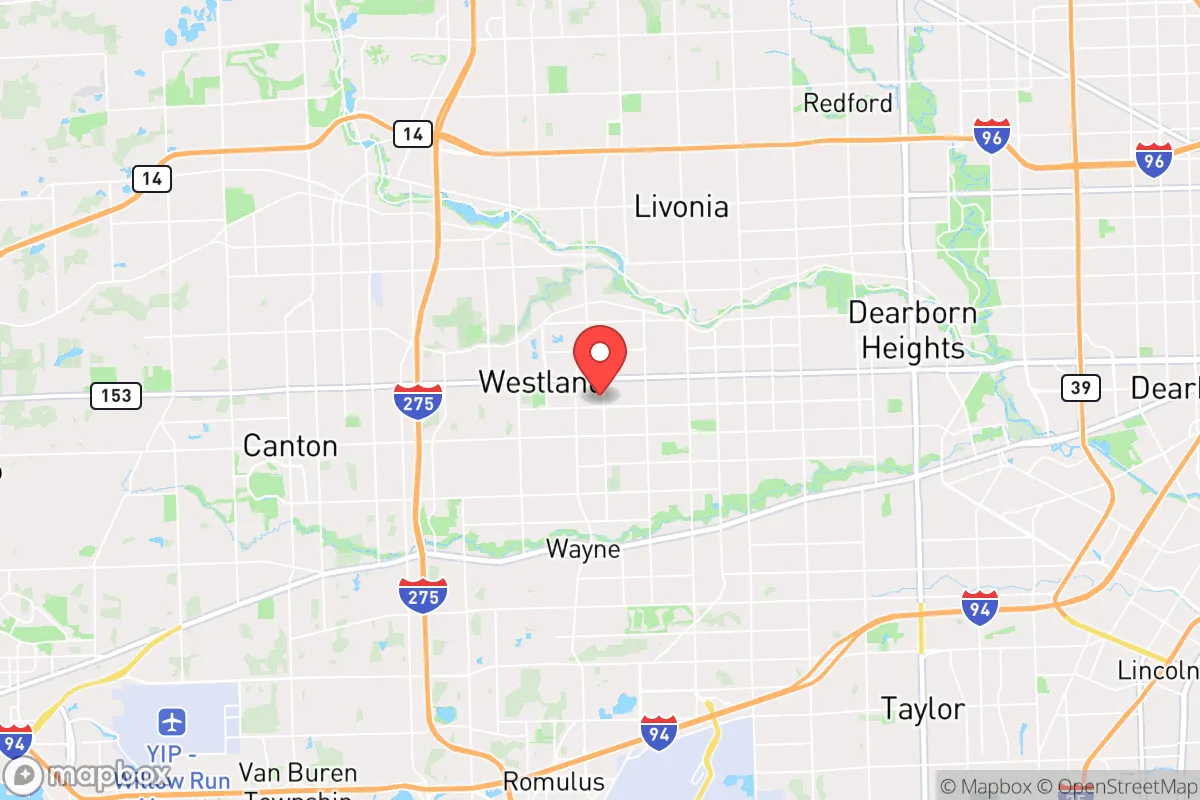
- Pro: Location. You’re 20 minutes from Detroit, 25 from Ann Arbor, and 15 from the Detroit Metro Airport. It’s a central spot for anyone who works in the region but doesn’t want to live in the city.
- Con: Not much to do after 9 PM. The restaurant scene is heavy on chains and diners. If you want craft cocktails or live music beyond a cover band, you’re driving to Ferndale or Plymouth.
- Pro: Schools are decent for the price. The Westland Community Schools district isn’t top-tier, but it’s functional. Many families opt for private or charter options, but the public schools are a solid fallback.
- Con: Winter can feel endless. From December through March, the city slows down. Snow removal is decent on main roads, but side streets can get messy. Seasonal affective disorder is a real thing here.
The cultural quirk that stands out: Westland doesn’t have a strong “downtown” identity. It’s a collection of neighborhoods, strip malls, and industrial parks. That frustrates some people who want a walkable Main Street, but it also means less pretension. You’re not paying for a brand name—you’re paying for a roof, a yard, and a commute that doesn’t eat your life. For single people and parents who value stability over excitement, that trade-off makes sense.

Similar small cities to Westland
* Values derived from national, state, county, city and local statistics and may differ in a specific area. Last updated: 2026-04-29T17:49:07.000Z
Narrative content on this page is AI-generated and may contain mistakes. Verify any details that matter before acting on them.
ReloMaps may earn a commission from affiliate links at no extra cost to you.

