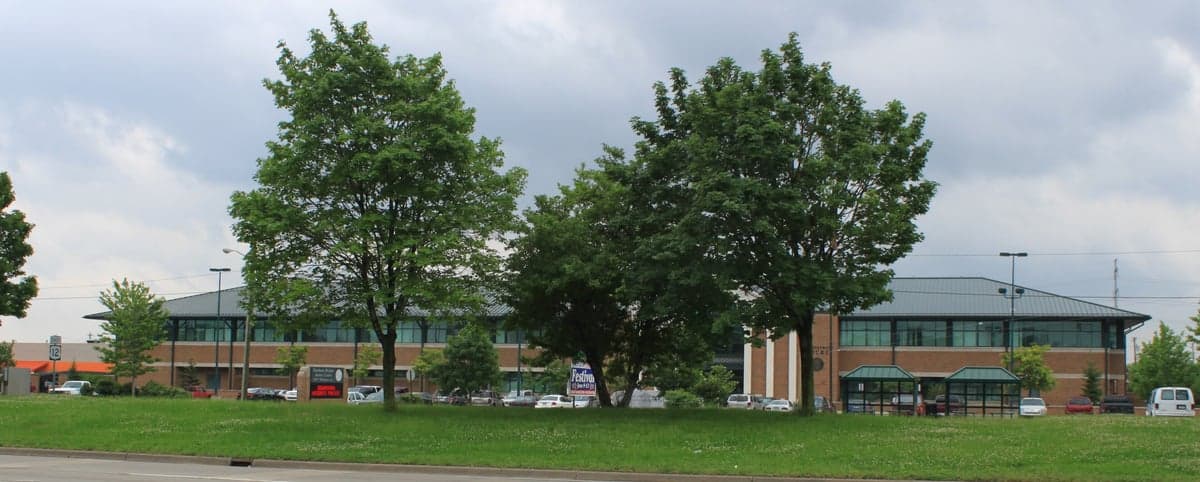
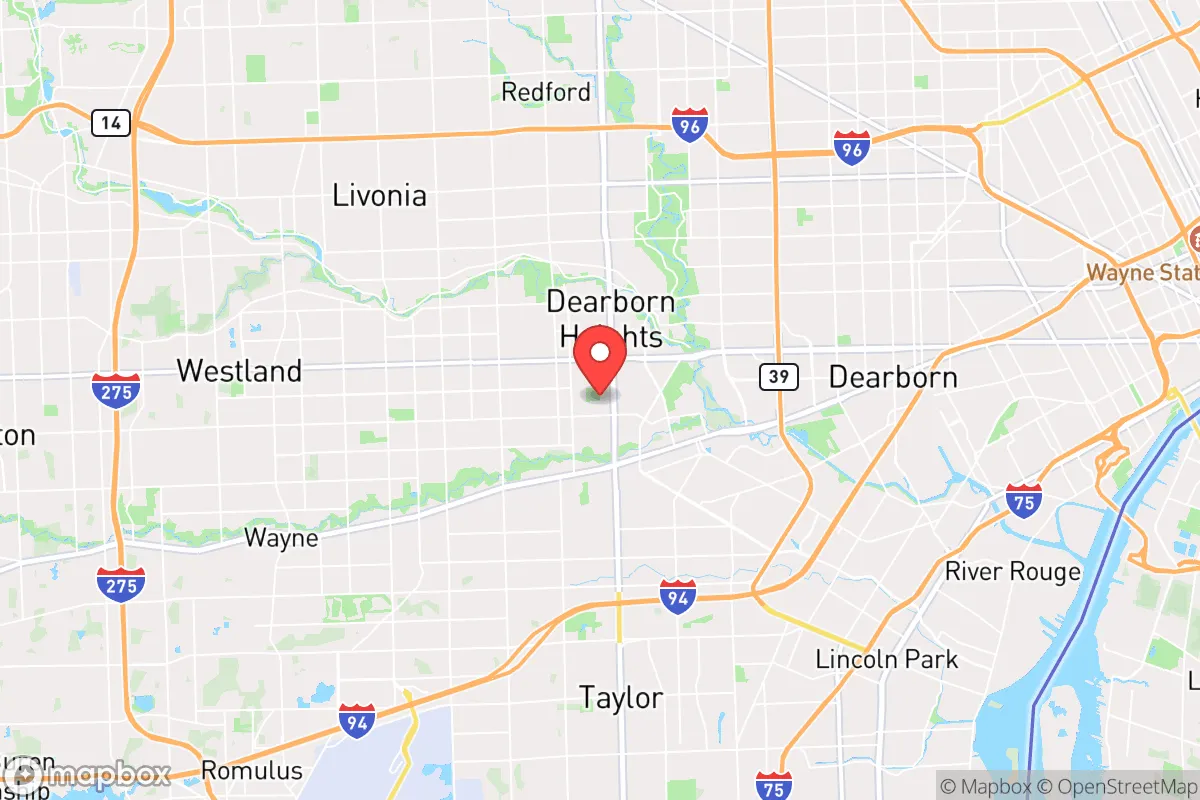
Photo: Wikipedia
Find The Best Places To Live
in Dearborn Heights
PRO TIP! You can paste a Zillow or Redfin link to get info on that property.
What It's Like Living in Dearborn Heights, MI
Dearborn Heights feels like the kind of place where people know their neighbors by name and the biggest decision on a Friday night is whether to grab a coney dog or a shawarma. It’s a solidly middle-class, family-oriented suburb that sits just west of Detroit, with a population hovering around 62,000 and a median age of 35.8 — young enough to have energy, old enough to have settled down. The vibe is less “trendy destination” and more “steady, reliable place to raise kids or start a career,” with a strong blue-collar backbone and a noticeable Middle Eastern cultural influence that shapes the food, the local businesses, and the community calendar.
Daily Rhythm and Who Fits In
Most mornings in Dearborn Heights start with a commute — the average drive to work clocks in at about 24 minutes, which is manageable by Metro Detroit standards. People here work in the auto industry, healthcare, logistics, and local government, with a median household income of $61,035 that reflects a comfortable but not extravagant lifestyle. The kind of person who fits in best is someone who values stability over flash: a single professional who wants affordable homeownership (median home value is $174,900, well below national averages), or a parent who wants good schools without the premium price tag of the northern suburbs. Weekends often involve errands at the local Kroger or Meijer, a visit to one of the city’s 20+ parks, or a casual dinner at a family-run Middle Eastern spot like Al Ameer or La Shish. The cost of living index sits at 90, meaning your dollar stretches further here than in most of the country — a fact that longtime residents appreciate when they see friends in Ann Arbor or Royal Oak paying double for rent.
Sports, Community, and What People Actually Do
High school sports are a genuine social anchor here. Dearborn Heights Crestwood High School and Annapolis High School draw solid crowds for Friday night football in the fall, and the rivalry between the two is the kind of thing that gets grandparents involved. For pro sports, it’s all Detroit teams — Lions, Tigers, Red Wings, Pistons — and you’ll see plenty of gear around town, especially during football season. The city itself doesn’t have a major music venue or a downtown strip, but that’s not really the point. People head to Ford Field or Comerica Park for big games (20 minutes east), or to Greenfield Village in nearby Dearborn for a dose of history. The Dearborn Heights Civic Center hosts seasonal events like the Summer Concert Series and the Fall Festival, which are low-key but well-attended. For outdoor time, Hines Park is a 10-minute drive and offers miles of paved trails for biking, jogging, or just walking the dog. The weather follows the usual Michigan rhythm: hot, humid summers perfect for cookouts, and cold, snowy winters where you learn to love a good snowblower.
Pros and Cons of Living Here
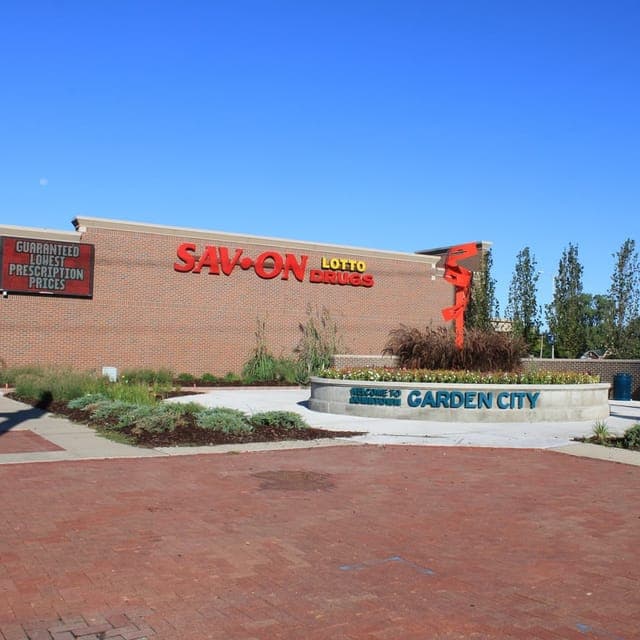
Let’s be honest about what works and what doesn’t. On the plus side, the housing is genuinely affordable — you can buy a solid three-bedroom ranch for under $200,000, which is almost unheard of in many parts of the country. The diversity is a real strength: the large Arab American and Chaldean communities bring incredible food (try the kibbeh or baklava from any local bakery) and a strong sense of family values that aligns well with conservative-leaning residents. The commute to Detroit is short, and the schools, while not top-tier, are decent and community-focused. On the downside, the violent crime rate of 383.2 per 100,000 is higher than the national average — it’s not a dangerous city by Detroit standards, but it’s something to be aware of, especially in certain pockets. The nightlife is minimal; if you want bars that stay open past 10 p.m. or a live music scene, you’ll drive to Dearborn or Detroit. Traffic on Ford Road and Telegraph Road can be a slog during rush hour, and the winter snow removal is hit-or-miss depending on your street. Some longtime residents also grumble about the property taxes, which are higher than in neighboring communities like Allen Park or Garden City.
Cultural Quirks and Local Identity
One thing you’ll notice quickly: Dearborn Heights doesn’t try to be anything it’s not. There’s no pretension, no “up-and-coming” hype — just a straightforward, hardworking community where people take pride in their lawns, their kids, and their heritage. The Dearborn Heights Library is a genuine hub, especially for families, and the annual Memorial Day Parade is a big deal, drawing crowds from across the city. The food scene is the hidden gem: you can get excellent shawarma, falafel, and manakeesh at a dozen different spots, and the coney islands (like Leo’s Coney Island) are a local institution. The city’s identity is also shaped by its proximity to the Ford Rouge Plant and the broader auto industry — many residents work in manufacturing or supply chain, and there’s a quiet pride in being part of the region’s industrial backbone. For a single person or a parent looking for a place that’s affordable, safe enough, and rich in everyday community life, Dearborn Heights delivers without the fanfare. It’s not for everyone — but for the right person, it feels like home.

Similar small cities to Dearborn Heights
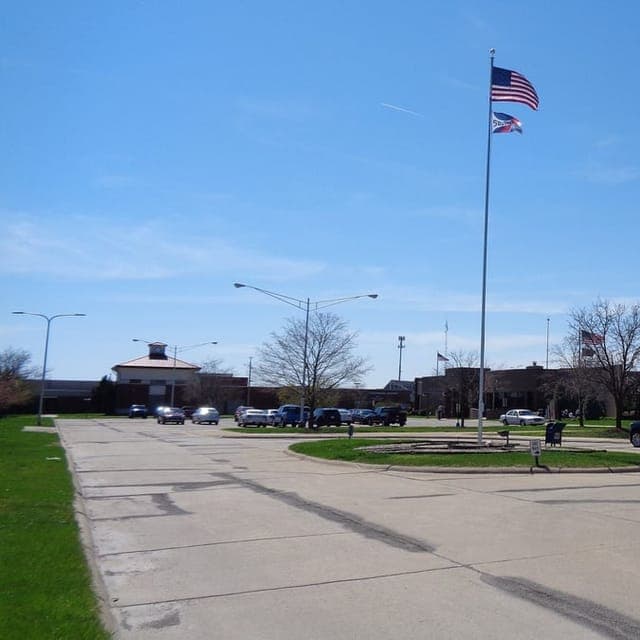
* Values derived from national, state, county, city and local statistics and may differ in a specific area. Last updated: 2026-04-29T20:59:35.000Z
Narrative content on this page is AI-generated and may contain mistakes. Verify any details that matter before acting on them.
ReloMaps may earn a commission from affiliate links at no extra cost to you.

