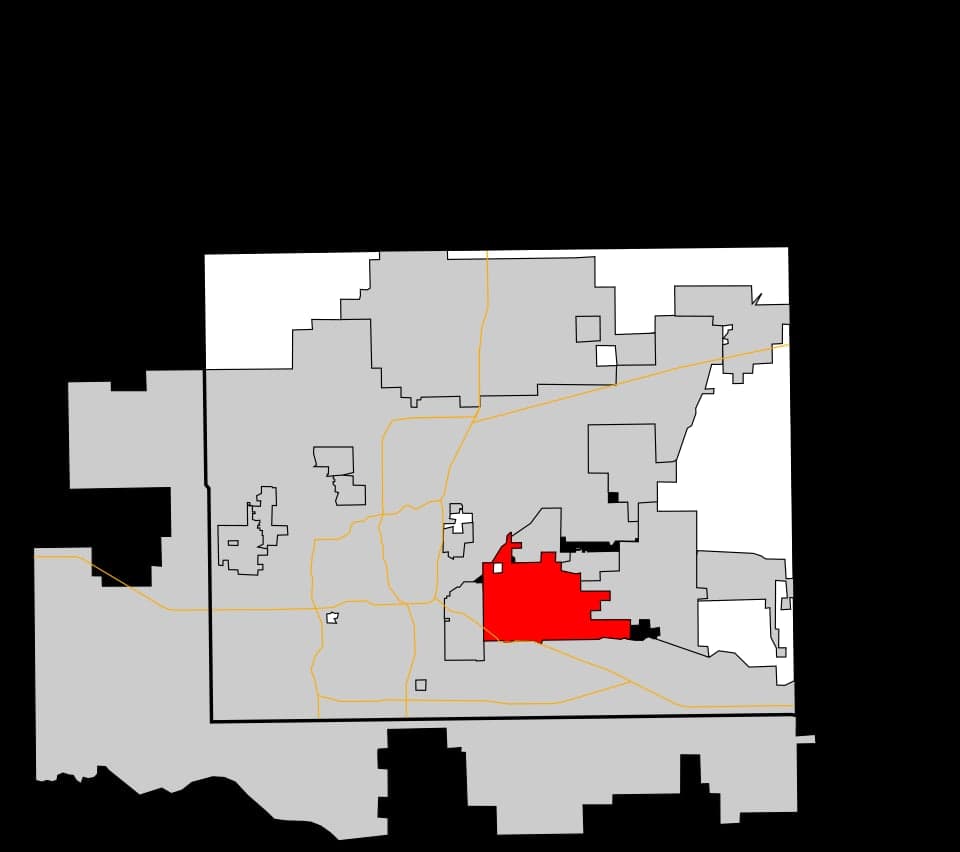
Photo: Wikipedia
Find The Best Places To Live
in Midwest City
PRO TIP! You can paste a Zillow or Redfin link to get info on that property.
What It's Like Living in Midwest City, OK
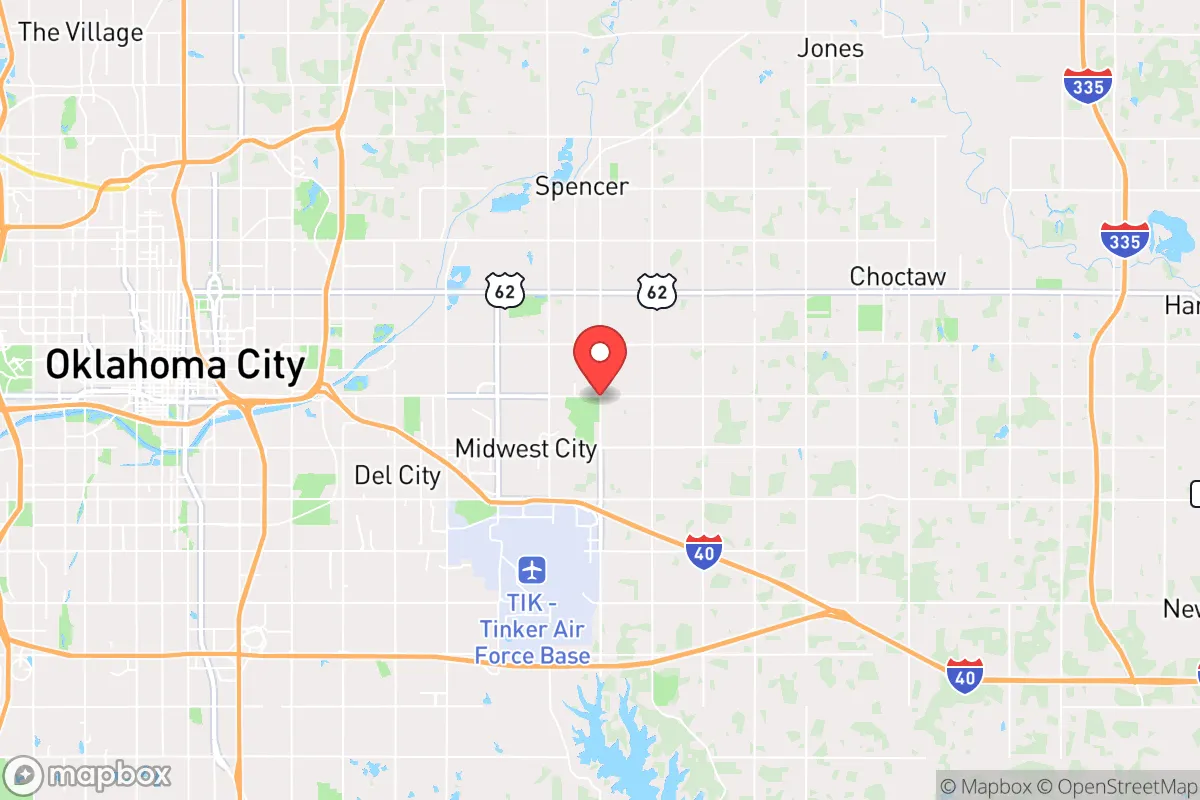
Midwest City has a reputation as a quiet, no-drama place where people actually know their neighbors, and that reputation is mostly accurate. It’s a classic Oklahoma suburb that feels more like a small town than a city of nearly 60,000, with a strong military and aerospace presence thanks to Tinker Air Force Base sitting right next door. The vibe here is practical and unpretentious — you won’t find many trendy coffee shops or art galleries, but you will find solid schools, affordable housing, and a community that rallies around its high school football team on Friday nights.
Daily Rhythm and Who Fits In
Life in Midwest City moves at a deliberate, unhurried pace. The typical resident is a working parent or a single professional employed at Tinker, the nearby FAA center, or one of the local school districts. With a median age of 36.1, the population skews slightly younger than the state average, but it’s a settled young — people are here to raise families, not party. The median household income sits at $57,739, which goes a long way when the cost of living index is 76 (well below the national average of 100). That means a family can afford a decent $158,400 home on a single salary, and still have room in the budget for a bass boat or season tickets to OU football.
Weekends are often spent at the Rose State College campus for community events, at Joe B. Barnes Regional Park for soccer games and fishing, or grabbing a bite at local staples like Boomarang Diner (a regional chain known for its chicken-fried steak) or El Chico for Tex-Mex. The Midwest City Farmers Market runs from May through October, drawing a loyal crowd of locals who know each other by name. Traffic is rarely a problem — the average commute is 23 minutes, and most of that is a straight shot down SE 29th Street or Air Depot Boulevard. The biggest daily frustration is the lack of late-night options; most restaurants close by 9 p.m., and the only things open past 10 are Walmart and a few fast-food drive-thrus.
Sports, Community, and What People Actually Do for Fun
High school football is the closest thing Midwest City has to a civic religion. Midwest City High School has a storied program with multiple state championships, and Friday night games at Rose Field draw thousands of people — not just parents, but retirees, local business owners, and former players who never left town. The Bombers’ rivalry with Carl Albert High School (just a few miles away in neighboring Midwest City) is intense and genuinely divides friend groups. For college sports, most residents are OU Sooners fans, with a smaller contingent pulling for Oklahoma State; the 30-minute drive to Norman for a home game is a regular fall ritual.
Beyond sports, entertainment options are modest but functional. The Midwest City Community Center hosts a popular summer concert series, and the Hefner Park complex offers disc golf, walking trails, and a splash pad for kids. The Frontier City theme park is just 10 minutes west in Oklahoma City, and the National Cowboy & Western Heritage Museum is an easy 15-minute drive. For nightlife, most people head to Bricktown in downtown OKC (about 20 minutes away) for bars and live music, since Midwest City itself has only a handful of dive bars like O’Brien’s Pub and The Garage. The annual Midwest City Fourth of July Celebration at Joe B. Barnes Park is the biggest event of the year, with fireworks, a carnival, and a parade that shuts down Air Depot Boulevard.
Pros and Cons of Living Here
What longtime residents love:
- Affordability that actually works. A median home value of $158,400 means a teacher or a mechanic can buy a three-bedroom house with a yard. Rent is similarly reasonable — a one-bedroom apartment averages around $750–$850.
- Strong sense of safety in the neighborhoods. While the violent crime rate of 341.8 per 100,000 is higher than the national average, most of that is concentrated in a few specific apartment complexes near the interstate. The vast majority of residential streets are quiet, and people leave their garage doors open while gardening.
- Proximity to Tinker Air Force Base. The base is the largest employer in the state, and its presence means stable jobs, good schools (many teachers’ spouses work at Tinker), and a steady influx of military families who keep the community from getting stale.
What frustrates residents:
- Limited local job options outside the base. If you don’t work for Tinker, the FAA, or a school, you’re likely commuting to Oklahoma City or Edmond. The local economy is heavily dependent on the federal government, which can feel precarious during budget fights.
- Entertainment is thin. There’s no movie theater in town (the nearest is in Del City), no bowling alley, and no major music venue. For anything beyond a chain restaurant or a park, you’re driving 15–20 minutes into OKC.
- Weather is a constant factor. Summers are brutally hot (100°F+ for weeks at a time), and spring brings tornado warnings that are taken very seriously. The May 2013 tornado that hit nearby Moore is still a reference point for how quickly things can change.
Cultural Quirks and Local Identity
Midwest City has a distinct identity that sets it apart from other Oklahoma suburbs. It was founded in 1943 specifically to house workers at the then-new Tinker Field, and that military-industrial origin still defines the town’s character. You’ll see “Bomber” logos everywhere — on water towers, school buses, and even the city’s official seal. There’s a quiet pride in being a “working town” rather than a bedroom community for executives. The 24.8% college-educated rate is lower than the national average, but that reflects a workforce that values trade skills and military service over four-year degrees. People here are direct, helpful, and suspicious of pretension — if you show up with a new BMW, you’ll get friendly ribbing, not admiration. The schools, especially Midwest City High School and Carl Albert High School, are the social and cultural anchors of the community; school board meetings are genuinely well-attended, and a teacher’s reputation matters more than a politician’s. It’s not a place for everyone, but for someone who wants a stable, affordable, no-nonsense life within striking distance of a major city, it works.

Similar small cities to Midwest City
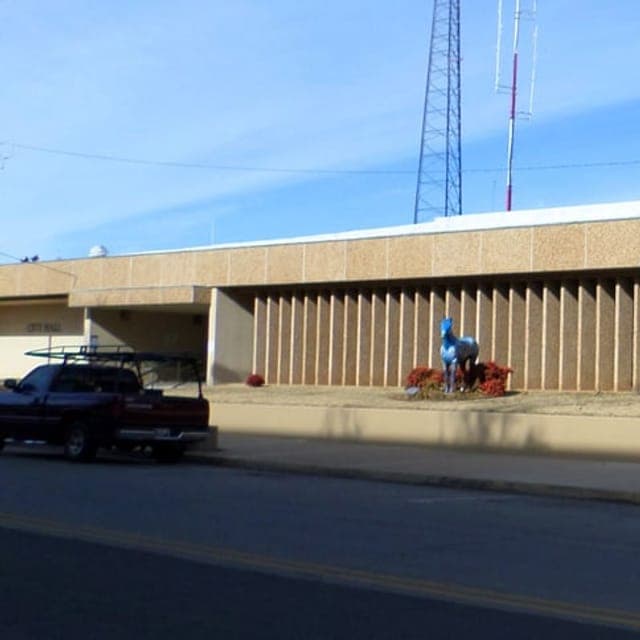
* Values derived from national, state, county, city and local statistics and may differ in a specific area. Last updated: 2026-04-25T13:53:56.000Z
Narrative content on this page is AI-generated and may contain mistakes. Verify any details that matter before acting on them.
ReloMaps may earn a commission from affiliate links at no extra cost to you.

