Personal Sovereignty in Mililani, HI
Moderate friction. Expect trade-offs in some aspect of personal liberty and independence.
What does Personal Sovereignty tell us?
Personal Sovereignty measures your capacity for self-reliance and independence with minimal government friction. Higher scores mean fewer barriers between you and the way you want to live... but it assumes you have the space you need and good neighbors.
What does this tell us?
Personal Sovereignty measures your capacity for self-reliance and independence with minimal government friction. Higher scores mean fewer barriers between you and the way you want to live... but it assumes you have the space you need and good neighbors.
State Policy
Energy independence: Importer (2% of energy produced in-state)
Personal Liberty
Homesteading

Personal Liberty Analysis
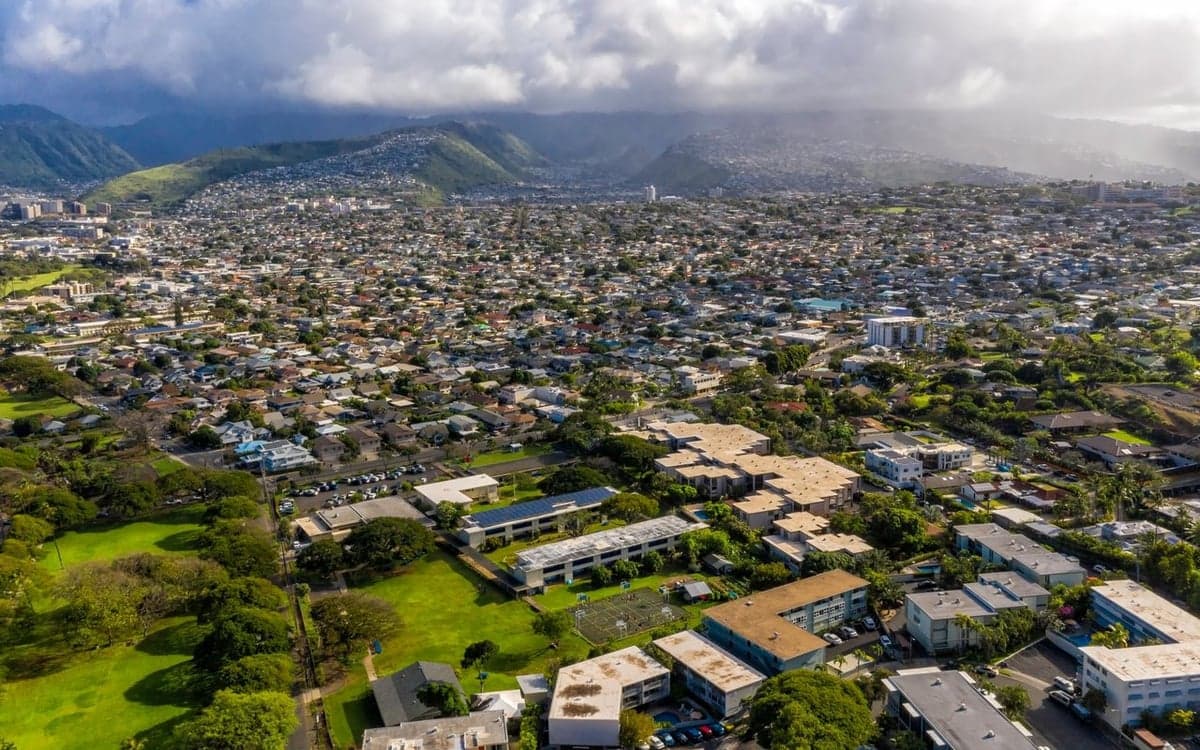
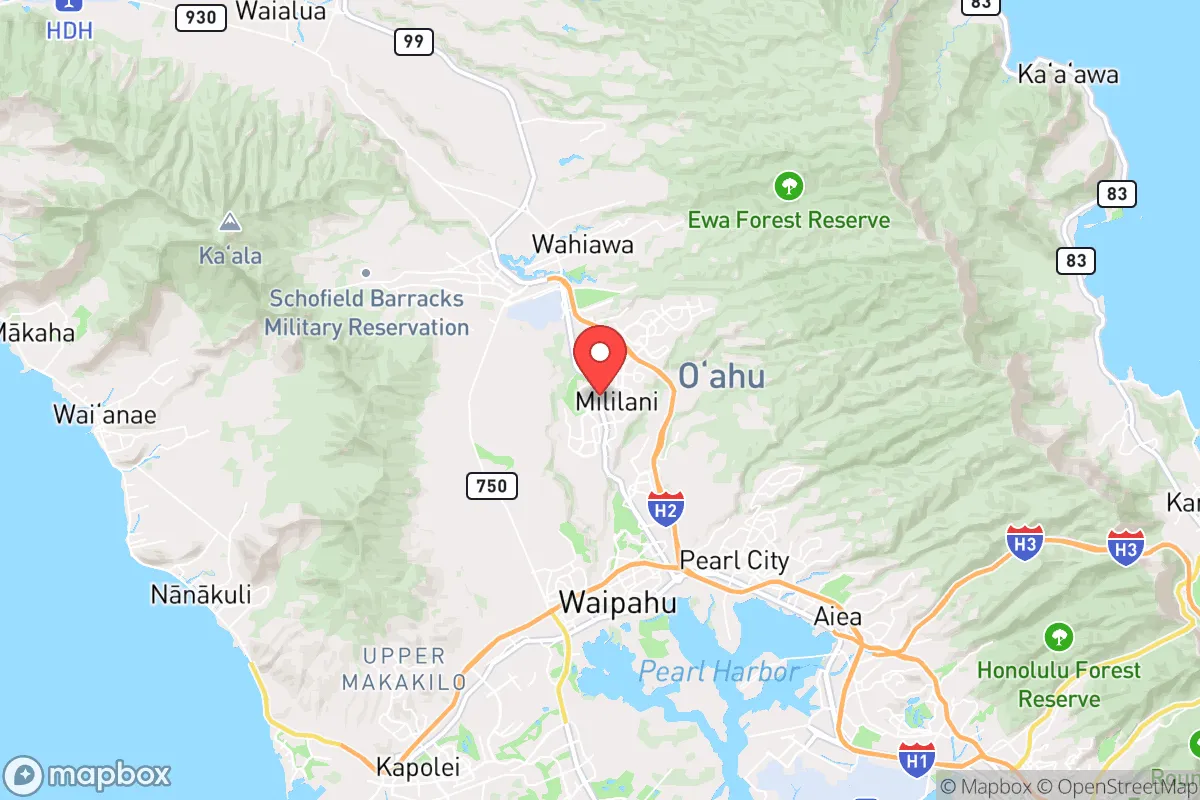
For a conservative-leaning individual or family evaluating Mililani, Hawaii, personal sovereignty is a complex trade-off. The island of Oahu offers a stable, tight-knit community with strong local networks, but it operates under a state government that consistently ranks among the most interventionist in the nation. While the day-to-day autonomy of a homeowner in Mililani may feel high—with quiet streets, good schools, and a strong sense of place—the legal and regulatory environment imposes significant constraints on self-reliance, self-defense, and financial independence. This analysis breaks down the specific factors a prepper or survivalist-minded person must weigh before relocating to this Central Oahu suburb.
Tax burden and regulatory posture: what it costs to keep what you earn
Hawaii’s state-level tax burden is among the heaviest in the country, and Mililani residents feel it directly. There is no local income tax, but the state income tax ranges from 1.4% to 11%—with the top bracket hitting incomes over $200,000. For a family earning a solid middle-class income, the effective rate often lands between 6% and 8%, which is higher than most mainland states. Property taxes in Mililani are relatively low by national standards—around 0.35% of assessed value—but this is a double-edged sword: the state relies heavily on tourism and consumption taxes, meaning the general excise tax (GET) of 4% applies to nearly everything, including groceries and medical services. Regulatory posture is equally restrictive. Hawaii has some of the strictest land-use and zoning laws in the U.S., overseen by the state Land Use Commission. Building permits, even for minor additions, can take months. For a prepper wanting to add a root cellar, a rainwater catchment system, or a secure workshop, the bureaucratic hurdles are real. The state’s heavy-handed approach to environmental review and shoreline setbacks also limits what you can do with your property. In short, you keep less of what you earn, and the state has a say in how you use your land.
Self-defense and gun law specifics: what you can and cannot own
For anyone prioritizing the right to keep and bear arms, Hawaii is one of the most restrictive states in the union. Mililani residents face a de facto ban on standard-capacity magazines—anything over 10 rounds is illegal to possess, even for rifles. Handgun purchases are limited to one per 30-day period, and all firearm transactions must go through a licensed dealer with a mandatory 14-day waiting period. The state does not recognize concealed carry permits from other states, and obtaining a Hawaii permit to carry is extremely difficult; as of 2026, the "may issue" standard remains in place, meaning local police chiefs have broad discretion to deny permits. Open carry is effectively prohibited. For a survivalist mindset, this means your defensive options are severely limited. You can own a bolt-action rifle or a shotgun for hunting, but the ability to defend your home with a standard AR-15 or a high-capacity handgun is legally off the table. The state also maintains a firearm registry, and private sales must go through a dealer. If self-defense is a core value, Mililani—and Hawaii generally—is a poor fit. The legal climate actively discourages armed preparedness.
Self-reliance and homesteading viability: lot sizes, zoning, and off-grid feasibility
Mililani is a planned community built in the 1970s, and its zoning reflects that. Most residential lots are small—typically 5,000 to 7,000 square feet—with strict homeowners' association (HOA) covenants that govern everything from paint colors to the types of plants you can grow. Raising chickens is allowed in some areas but often requires a permit and adherence to setback rules. Keeping goats, pigs, or larger livestock is generally prohibited within the urban growth boundary. Off-grid living is nearly impossible. The state requires connection to the electrical grid for any habitable structure, and rainwater catchment systems are heavily regulated—you must have a potable water source approved by the Department of Health. Solar panels are common, but net metering rules have become less favorable in recent years, and battery storage is expensive. For a prepper wanting to be self-sufficient, the reality is that Mililani is a suburban bedroom community, not a homesteading zone. The best you can do is a small vegetable garden, a few fruit trees, and a modest solar setup—but true independence from utilities and supply chains is not feasible here. If self-reliance is a priority, look to the Big Island or Kauai, where zoning is looser and lot sizes are larger.
Personal liberties: parental rights, medical autonomy, speech, and property
On parental rights, Hawaii is mixed. The state has strong laws supporting parental involvement in education—parents can opt their children out of specific curriculum content, and there is a robust charter school and homeschool network. Mililani has several highly rated public schools, and the community is family-oriented. However, the state also mandates comprehensive sex education and has a progressive stance on gender identity in schools, which may conflict with conservative values. Medical autonomy is heavily restricted. Hawaii has strict vaccine mandates for school attendance, and during public health emergencies, the governor has broad powers to enforce quarantines and treatment orders. The state also has a "right to try" law for terminally ill patients, but access to alternative treatments is limited by the state's tight medical board. On free speech, Hawaii generally protects political expression, but the state has a history of aggressive enforcement of campaign finance laws and public nuisance statutes that can be used against protestors. Property rights are the weakest link. The state's strong eminent domain powers, combined with the Land Use Commission's authority to reclassify land, mean that a homeowner's ability to use their property as they see fit is heavily circumscribed. For a conservative concerned about government overreach, these constraints are a significant red flag.
Overall, Mililani offers a stable, safe, and family-friendly environment with good schools and a strong sense of community, but personal sovereignty is sharply limited by state-level policies. The tax burden is high, gun rights are among the worst in the nation, homesteading is impractical, and property rights are weak. For a survivalist or prepper, the trade-off is clear: you gain a low-crime, well-maintained suburb with excellent public services, but you lose the ability to fully control your own security, your own land, and your own finances. Compared to states like Texas, Idaho, or Montana, Mililani ranks very low on the sovereignty scale. If your priority is maximum personal autonomy, look elsewhere. But if you value community stability and are willing to work within a heavily regulated system, Mililani can still be a viable base—just don't expect to live off the grid or defend your home with the tools you'd prefer.

* Values derived from national, state, county, city and local statistics and may differ in a specific area. Last updated: 2026-04-24T00:08:12.000Z
Narrative content on this page is AI-generated and may contain mistakes. Verify any details that matter before acting on them.
ReloMaps may earn a commission from affiliate links at no extra cost to you.

