Quality of Life in Mililani, HI
A high quality of life with strong walkability, manageable living costs, healthy neighborhood signals, and solid amenity access.
What does Quality of Life tell us?
Quality of Life blends cost of living, nearby amenities, socioeconomic signals, and neighborhood character. City-level scores represent the whole municipality; individual neighborhoods can differ.
What does this tell us?
Quality of Life blends cost of living, nearby amenities, socioeconomic signals, and neighborhood character. City-level scores represent the whole municipality; individual neighborhoods can differ.
Cost of Living
151% above national average
The Real Cost of Living in Mililani, HI for 2026
| Tier | Individual | Family (4) |
|---|---|---|
| Survival | $38k | $72k |
| Comfortable | $119k | $176k |
| Luxury | $175k+ | $271k+ |
| Elite (Top 5%) | $206k+ | $319k+ |
79%
The Area Signal
A metric tracking the socioeconomic signals of the area.
Hobbies
Explore the areaGroceries
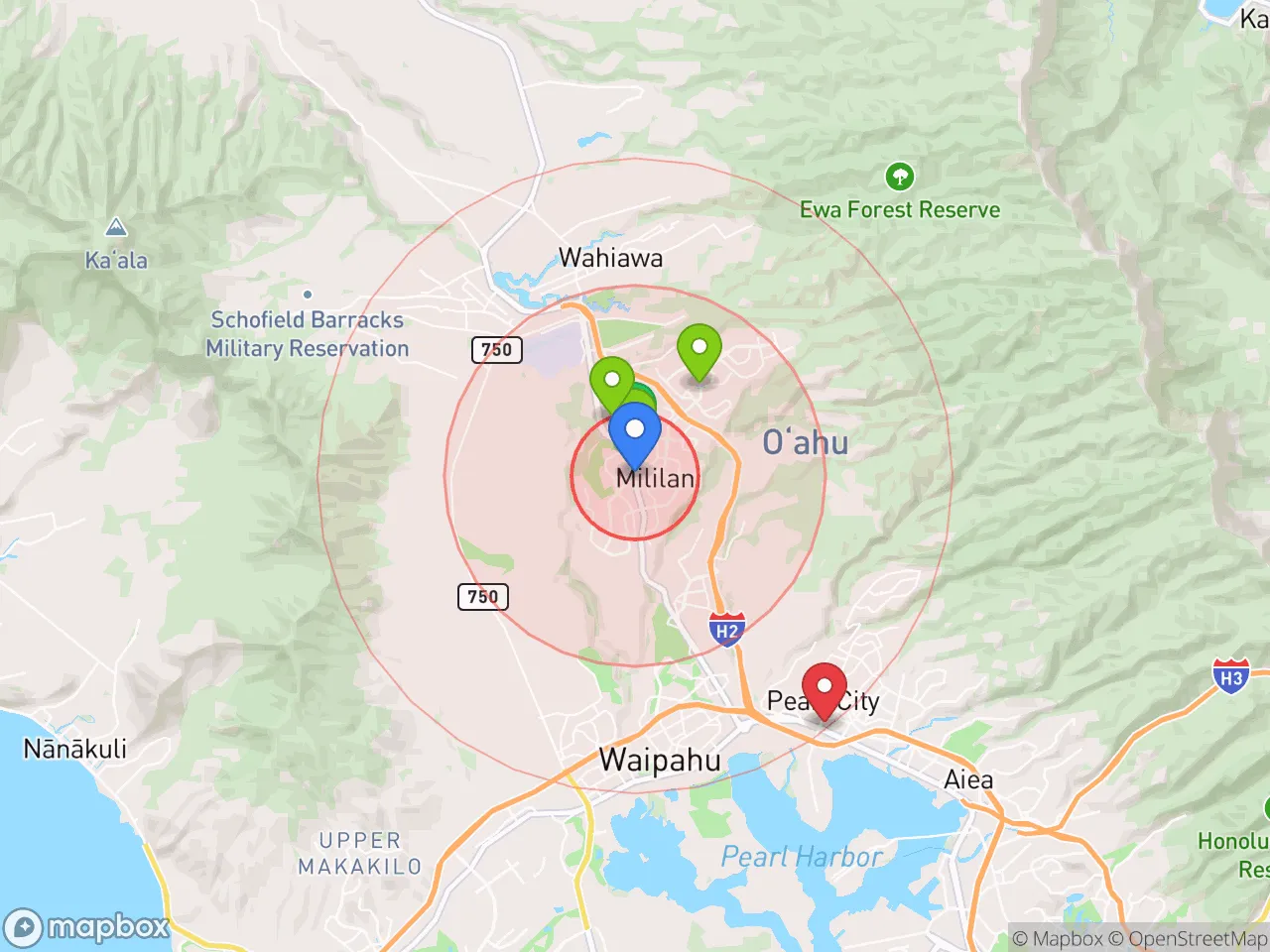
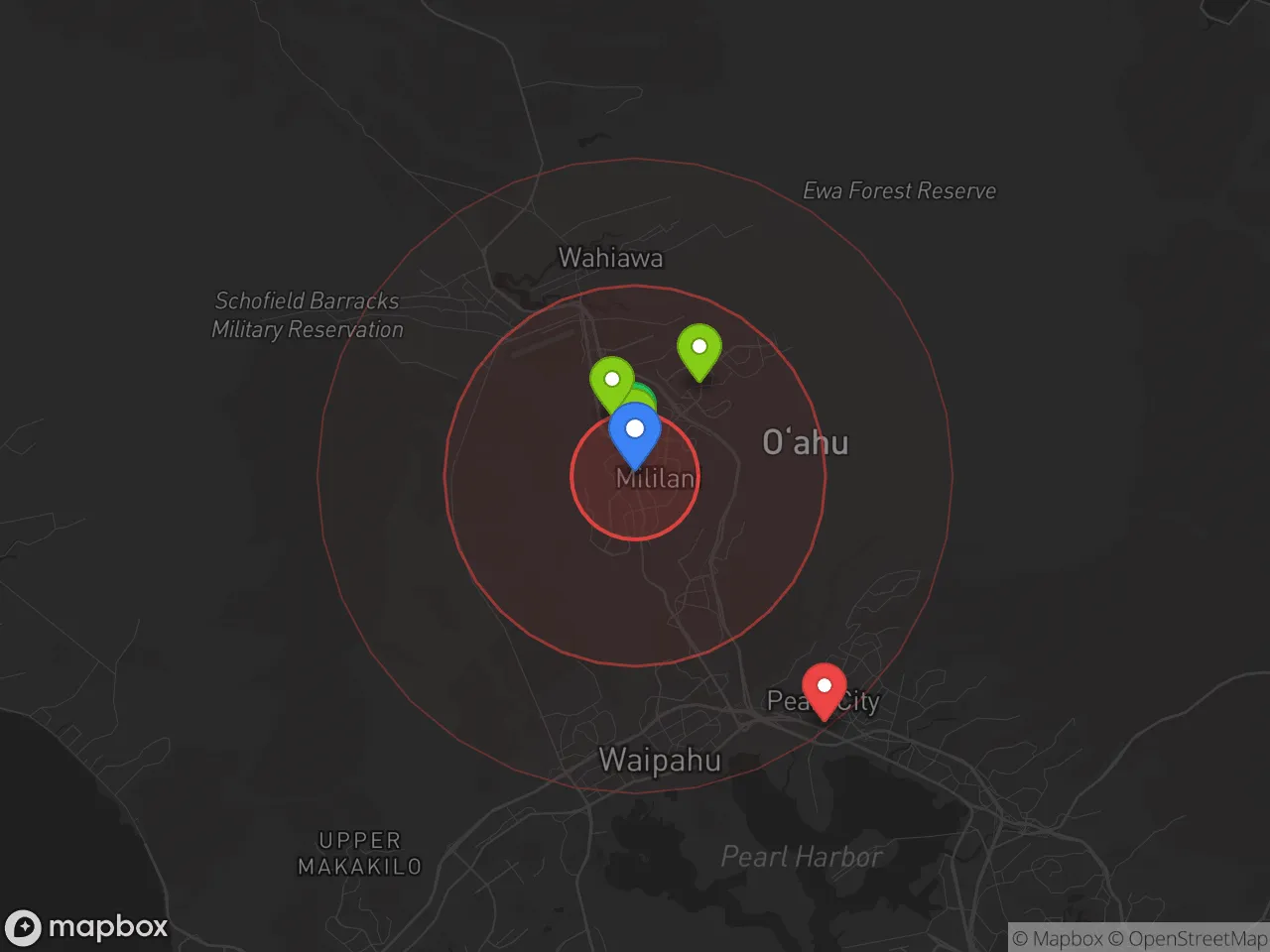
5 within 10 miles
Gas
20 within 10 miles
Hospital
16 within 20 miles
Airport
Daniel K. Inouye International Airport
Post Office
USPS — Mililani, HI
Critical Amenities
Quality-of-Life Analysis
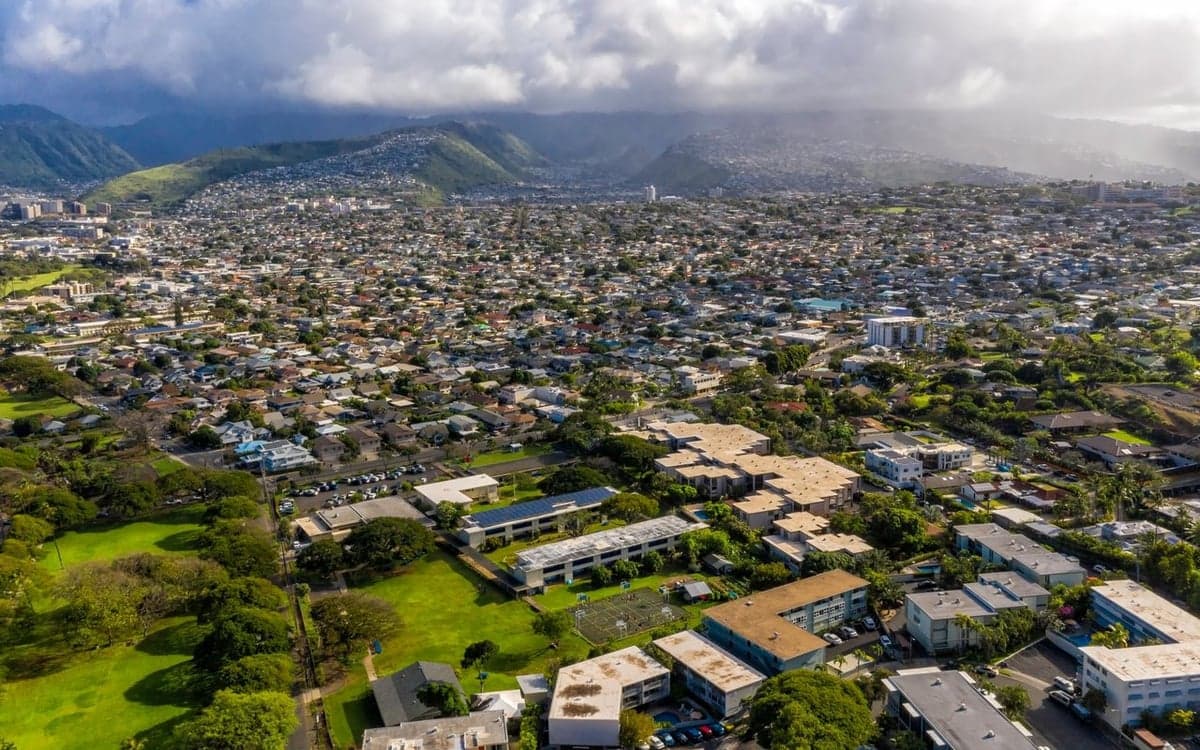
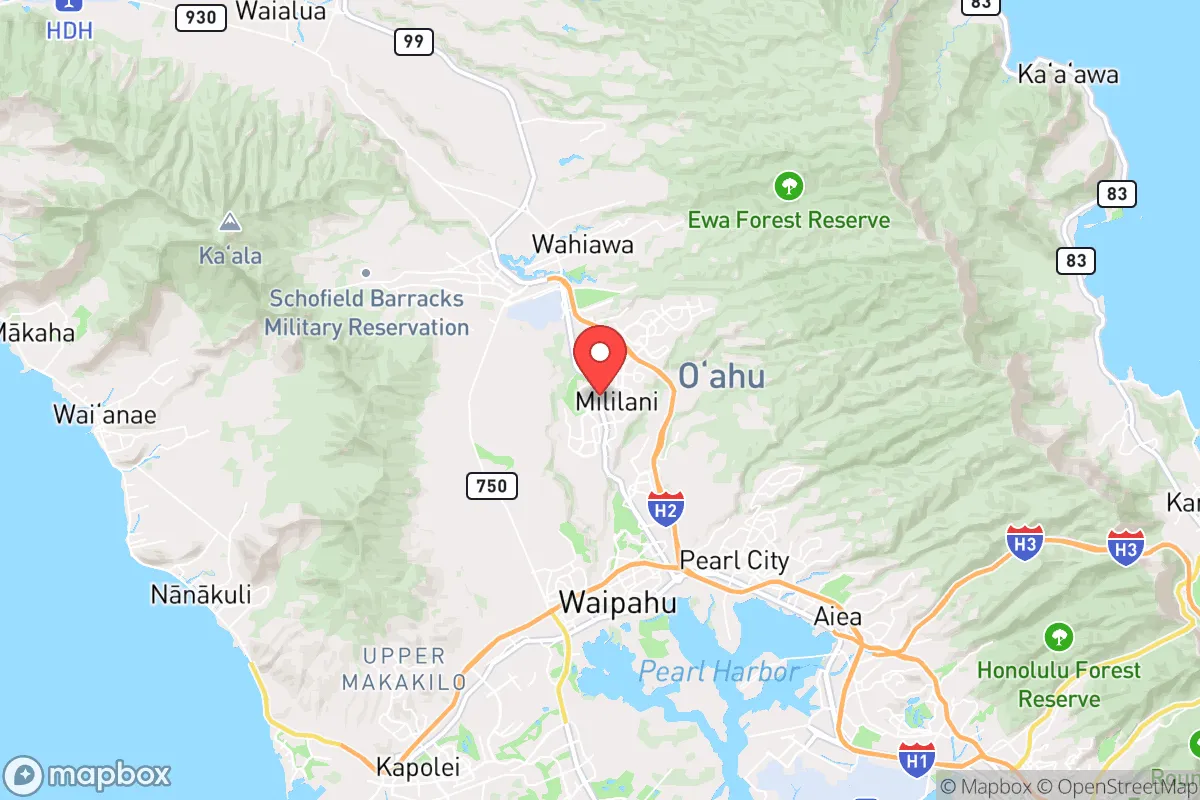
Mililani, a master-planned community on Oahu's central plateau, is widely regarded as one of the most desirable middle-to-upper-middle-class suburbs in Hawaii. The area attracts a high concentration of military families, professionals commuting to Honolulu, and multi-generational local families seeking a quieter, more structured environment than the urban core. With a cost of living index of 251 (more than 2.5 times the national average), Mililani commands a premium for its safety, schools, and amenities, but remains more affordable than Honolulu's urban neighborhoods or the windward coast.
Cost of living, housing prices, and how Mililani compares to nearby towns
The financial reality of living in Mililani is steep by mainland standards but competitive within Oahu. The median home value sits at $901,800, while the median rent is $2,389 per month. This places Mililani well above the national median but notably below Honolulu's median home value of roughly $1.1 million and significantly less than the $1.5 million+ averages seen in Kailua or Hawaii Kai. For renters, Mililani offers more square footage per dollar than urban Honolulu, where a comparable two-bedroom apartment can exceed $3,000. The trade-off is a longer commute: the average travel time to work is 29.4 minutes, largely along the H-2 freeway corridor. While this is manageable, it can stretch to 45–60 minutes during peak hours, making the area less ideal for those who need to be downtown daily. Property taxes in Mililani are relatively low for Hawaii, typically around 0.35% of assessed value, which helps offset the high purchase price.
What daily life is like: schools, shopping, and community amenities
Mililani's daily rhythm is defined by its planned layout, abundant parks, and strong school system. The Mililani Complex — including Mililani High School, Mililani Middle School, and several elementary schools — consistently ranks among the top public school clusters in the state, drawing families who prioritize education. The town center, anchored by Mililani Shopping Center and Town Center of Mililani, provides a full range of grocery stores, restaurants, and big-box retailers like Target and Walmart, reducing the need to travel to Honolulu for errands. Recreation is a major draw: the Mililani Golf Club offers a public 18-hole course, while the Mililani District Park features a pool, tennis courts, and sports fields. The community also hosts regular farmers' markets and holiday events, fostering a suburban, neighborly feel. However, nightlife is virtually nonexistent, and the area's uniformity — rows of single-family homes and townhouses — can feel repetitive to those accustomed to more eclectic neighborhoods.
Mililani is best suited for families, military personnel stationed at Schofield Barracks or Wheeler Army Airfield, and professionals who prioritize good schools and low crime over urban excitement. Singles and young couples without children may find the area too quiet and the commute draining, but for those seeking a safe, well-maintained community with strong public services, Mililani delivers a rare balance of suburban comfort and island living. It is not a place for bargain hunters, but for those who can afford the premium, it offers one of the most stable and family-friendly environments on Oahu.

Crime in Mililani, HI
Generally safer than 64% of comparable U.S. locations.
Violent CrimeViolent Crime Analysis
Property CrimeProperty Crime Analysis
Crime Analysis
Mililani, a master-planned community on Oahu's central plateau, consistently ranks among the safest towns in Hawaii, with crime rates significantly below both state and national averages. The community's violent crime rate of 200.2 incidents per 100,000 residents is roughly half the national average, while its property crime rate of 1,586.9 per 100,000 also undercuts the U.S. figure of approximately 1,954 per 100,000. These figures reflect a community where proactive neighborhood watch programs and a strong police presence from the Honolulu Police Department's Mililani substation contribute to a tangible sense of security.
Crime in context
When placed against Hawaii's statewide averages, Mililani's safety profile stands out even more sharply. The state's violent crime rate hovers around 250 per 100,000, and its property crime rate near 2,800 per 100,000, meaning Mililani residents experience roughly 20% fewer violent crimes and over 40% fewer property crimes than the typical Hawaii resident. This is particularly notable given that Mililani sits within the City and County of Honolulu, which encompasses the entire island of Oahu and its dense urban core. The community's low crime is attributable to its design as a planned residential area with limited through-traffic, a high median household income (over $100,000), and a population that is predominantly families and long-term homeowners. However, readers should be aware that Hawaii's justice system, like many in progressive metro areas, has adopted reforms such as bail reform and reduced sentencing for non-violent offenses, which can result in repeat property offenders cycling through the system more quickly than in jurisdictions with stricter judicial philosophies.
What residents experience
Daily life in Mililani is characterized by a low fear of crime. Residents commonly leave garage doors open during the day, children walk to school and parks independently, and the town's many cul-de-sacs and greenbelts feel safe after dark. The most frequent incidents are non-violent: package thefts from porches, occasional vehicle break-ins at shopping centers like Mililani Town Center, and isolated reports of juvenile vandalism. Violent crime is rare and almost always domestic in nature, not random. The community's two police substations—one at Mililani Shopping Center and another near Mililani High School—maintain a visible patrol presence, and the neighborhood watch program is one of the most active on the island, with regular meetings and social media alerts. For families and retirees, the trade-off is a quiet, predictable environment where serious crime is an exception, not a norm.
Neighborhood-level variation within Mililani is minimal but worth noting. The older, more established sections—Mililani Mauka and the original Mililani Waena—tend to have slightly lower crime rates than the newer Mililani Town Center area, which sees more transient foot traffic from nearby shopping and dining. The gated communities along Ka Uka Boulevard and the single-family home tracts near Mililani High School report virtually no violent crime. Overall, Mililani offers one of the safest suburban experiences in Hawaii, though residents should remain vigilant about opportunistic property crime, especially in parking lots and near transit stops, as is standard for any well-populated suburban area.
* Values derived from national, state, county, city and local statistics and may differ in a specific area. Last updated: 2026-04-24T00:08:12.000Z
Narrative content on this page is AI-generated and may contain mistakes. Verify any details that matter before acting on them.
ReloMaps may earn a commission from affiliate links at no extra cost to you.

