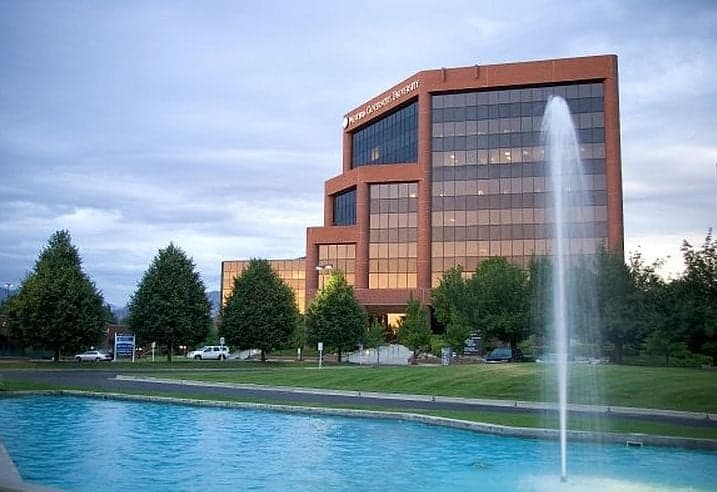
Photo: Wikipedia
Political ClimatePolitical Climate in Millcreek, UT
District shown is the primary district for this city’s centroid. Cities may span multiple districts.
Local Political AnalysisPolitical Analysis of Millcreek, UT
Millcreek, Utah, has long been a solidly conservative community, with a Cook PVI of R+10 that reflects its deep-rooted Republican leanings. But if you’ve lived here as long as I have, you’ve seen the quiet shift—not a dramatic flip, but a slow creep toward more progressive policies that feel out of step with the values most of us grew up with. The 2024 election results still show a comfortable red margin, but the trajectory is what gives me pause: younger transplants from the coast and Salt Lake City’s urban core are bringing ideas that prioritize government solutions over personal responsibility.
How it compares
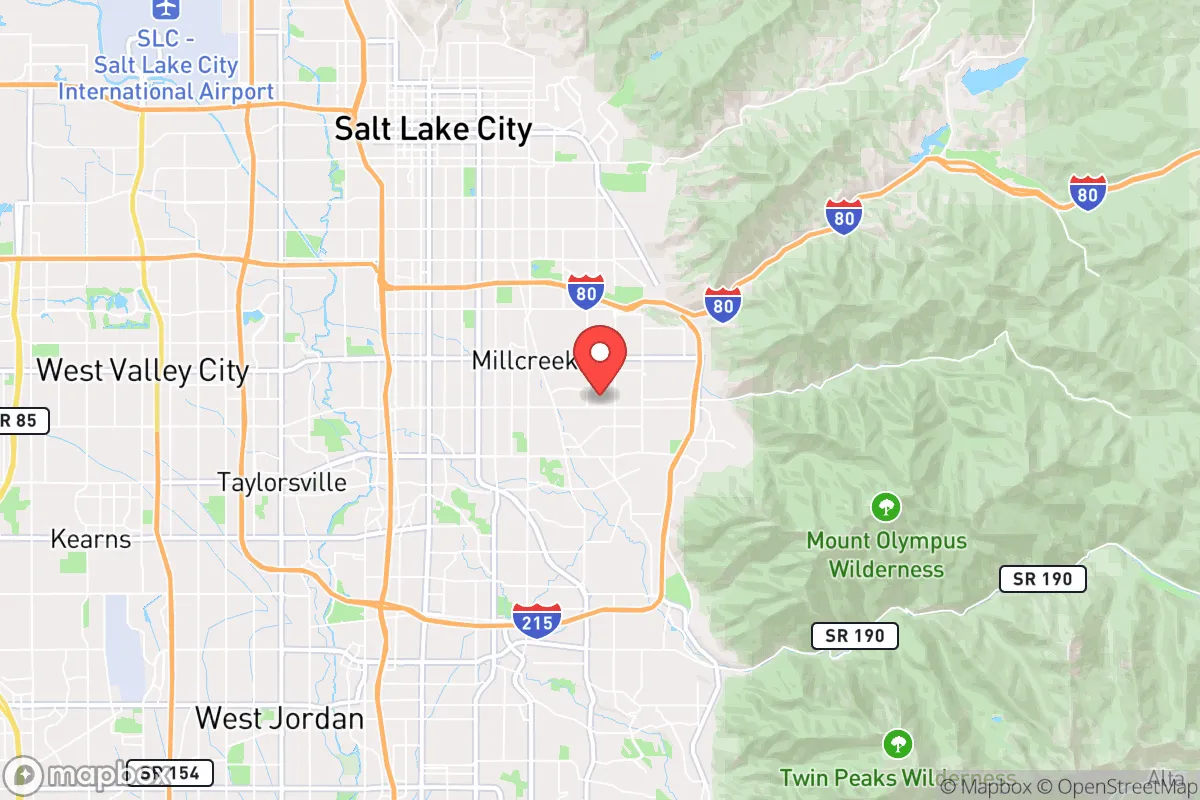
Drive five minutes north into Salt Lake City proper, and you’re in a completely different world—a deep blue stronghold where progressive politics dominate city council decisions and zoning laws. Head east up into the foothills or south toward Holladay and Cottonwood Heights, and you’ll find communities that still vote reliably red, much like Millcreek used to. But here’s the rub: Millcreek’s own municipal elections have started to mirror Salt Lake City’s more than its neighbors’. In 2023, we saw a city council race where a candidate openly pushing for higher density zoning and “equity” initiatives nearly won—something unthinkable a decade ago. The contrast with nearby Sandy or Draper, where conservative values remain the default, is stark. Millcreek is becoming a battleground, and the R+10 PVI masks the fact that the margin is shrinking every cycle.
What this means for residents
For those of us who value limited government and personal freedoms, the warning signs are real. The push for stricter land-use regulations—like the recent debate over accessory dwelling units—sounds harmless until you realize it’s a foot in the door for more government control over what you can do with your own property. Property taxes have crept up to fund “community initiatives” that feel more like social engineering than practical governance. If you’re a gun owner, you’ve noticed the quiet chatter about “safe storage” ordinances that could easily morph into mandates. The biggest concern? The erosion of the live-and-let-live ethos that made Millcreek a great place to raise a family. When local officials start treating every neighborhood issue as a chance to impose new rules, it’s a slippery slope toward the kind of overreach we moved here to escape.
On the cultural front, Millcreek still holds onto its conservative roots in everyday life—church attendance remains high, and most folks still wave when you pass them on the street. But the policy battles are where the real story lies. The city’s recent embrace of “complete streets” programs, which prioritize bike lanes and public transit over car access, feels like a solution in search of a problem. And the school board’s quiet adoption of social-emotional learning curricula has raised eyebrows among parents who want academics, not ideology. If the trend continues, Millcreek could become another Salt Lake City suburb where personal freedoms take a backseat to government-approved “progress.” For now, it’s still a good place to live—but keep your eye on the ballot box, because the fight for the soul of this town is just getting started.

State Political ClimatePolitical Climate in Utah
State Political AnalysisPolitical Environment in the State
Utah has been a reliably red state for generations, with the GOP holding a supermajority in the legislature and the state voting +20 points for Donald Trump in 2024. The dominant coalition is a blend of LDS (Mormon) cultural conservatism, a growing libertarian-leaning tech sector, and a strong rural populist base. Over the last 10-20 years, the state has shifted from a near-monolithic Republican lock to a more nuanced landscape: the Wasatch Front metros (Salt Lake City, Provo, Ogden) have seen a slow but steady influx of out-of-state transplants and younger voters, nudging some suburban areas purple, while rural counties like San Juan and Carbon have actually trended redder. The overall trajectory remains solidly conservative, but the margins are tightening in the urban core.
Urban vs. rural divide
The political map of Utah is a classic story of the Wasatch Front versus everything else. Salt Lake City itself is a deep blue island—the only county that voted for Joe Biden in 2020—driven by a dense urban core, a large university population (University of Utah), and a growing non-LDS demographic. But drive 20 minutes south to Provo or north to Ogden, and you’re back in deep red territory. Provo, home to Brigham Young University, is one of the most conservative cities in the nation, with a strong LDS influence that shapes everything from zoning to school board elections. The rural counties—Duchesne, Uintah, Beaver, Garfield—routinely vote 80%+ Republican, driven by ranching, mining, and a fierce independence from federal land management. The real battleground is the suburban ring around Salt Lake City: places like Draper, Sandy, and Lehi. These areas are growing fast with tech workers and remote employees, and while they still lean red, they’ve shown signs of moderation on issues like education funding and environmental regulation. If you’re moving to Utah, your political experience will be vastly different depending on whether you land in downtown SLC or a rural county.
Policy environment
Utah’s policy environment is a mixed bag for conservatives. On the plus side, the state has a flat income tax (4.55% as of 2025) and no state-level property tax on vehicles, which keeps the tax burden relatively low. The regulatory posture is business-friendly, with a right-to-work law and minimal zoning restrictions in most rural areas. Education policy is a flashpoint: the state has a robust school choice program (the Carson Smith Scholarship for special needs students and a growing charter school sector), but the legislature has resisted universal vouchers, and the Utah Education Association remains a powerful union voice. Healthcare policy is generally free-market, with no state-run insurance exchange and a limited Medicaid expansion. Election laws are a bright spot for election integrity: Utah requires voter ID, has automatic voter registration tied to driver’s licenses, and uses paper ballots with risk-limiting audits. However, the state’s mail-in voting system—universal and automatic—has drawn criticism from some conservatives who worry about ballot harvesting, though no major fraud has been documented. The biggest red flag for limited-government advocates is the state’s aggressive use of eminent domain for transportation projects and the Inland Port in Salt Lake City, which has sparked property rights battles.
Trajectory & freedom
Utah is generally trending more free on economic and Second Amendment issues, but less free on social and medical autonomy. On the positive side, the state passed Constitutional Carry (permitless carry) in 2021, and in 2023, the legislature expanded parental rights in education with HB 261, which requires schools to notify parents if a child requests a name or pronoun change and bans instruction on sexual orientation in K-3. The state also passed a religious freedom bill (SB 36) in 2024 that protects faith-based organizations from discrimination lawsuits over hiring practices. On the concerning side, the state has aggressively expanded vaccine mandates for schoolchildren (HB 308 in 2023 removed the personal belief exemption for MMR), and the Utah Department of Health has broad quarantine powers that were used during COVID. The medical autonomy landscape is mixed: the state legalized medical cannabis in 2018, but the program is tightly controlled with a limited number of dispensaries and strict qualifying conditions. Property rights are under pressure from the Utah Lake Authority and the Point of the Mountain development, where the state has used eminent domain to acquire land for a new state prison and tech hub. The bottom line: Utah is still a freedom-friendly state for gun owners and parents, but the government’s appetite for public health mandates and land grabs is a real concern.
Civil unrest & political movements
Utah has seen relatively little civil unrest compared to coastal states, but there are flashpoints. The BLM protests in Salt Lake City in 2020 were large but mostly peaceful, with some property damage downtown. The John Birch Society and Utah Patriots groups are active in rural counties, organizing against federal land management and pushing for county supremacy resolutions—several counties, including San Juan and Kane, have passed symbolic ordinances asserting local control over federal lands. Immigration politics are a simmering issue: Utah has a guest worker program (HB 116) that is unique in the nation, allowing undocumented immigrants to apply for a state-issued permit to work and drive, but enforcement is lax, and the state has no sanctuary city policies. The election integrity debate is muted compared to Arizona or Georgia, but the Utah GOP has pushed for stricter voter ID laws and a ban on ballot drop boxes, which failed in 2024. The most visible political movement is the LDS Church’s influence: while the church officially stays neutral on most partisan issues, its leadership has weighed in on same-sex marriage (opposing it) and immigration reform (supporting a path to citizenship). A new resident will notice that political activism is generally polite and church-organized, not confrontational—but the tension between the growing secular urban population and the rural LDS base is real.
Projection
Over the next 5-10 years, Utah will likely remain a red state, but the margins will continue to tighten in the Wasatch Front. The in-migration from California, Washington, and Colorado is bringing more moderate and left-leaning voters to Salt Lake County, while the rural counties are aging and losing population. The tech boom in Lehi and Draper (the “Silicon Slopes”) is attracting young, educated workers who are fiscally conservative but socially liberal—they support low taxes and deregulation but are more open to LGBTQ rights and environmental protections. The LDS Church’s influence is slowly waning as the state becomes more diverse, but it will remain a powerful cultural force for at least another generation. The biggest wildcard is water scarcity: as the Colorado River shrinks, the state will face pressure to impose conservation mandates, which could spark a property rights backlash. If you’re moving to Utah now, expect the political environment to stay conservative but become more contested in the suburbs, while rural areas remain deeply red. The state’s freedom index will likely hold steady on economic issues but could slip on public health and land use.
For a new resident, the practical takeaway is this: Utah offers a low-tax, business-friendly environment with strong gun rights and parental control in education, but you’ll need to accept a government that is not shy about using eminent domain, mandating vaccines, and managing water use. If you’re a conservative who values local control and limited government, the rural counties and smaller cities like St. George or Cedar City are your best bet. If you’re a parent who wants school choice and religious freedom, the suburbs of Provo or Ogden will feel like home. Just keep an eye on the legislature—they’re friendly now, but the state’s growth is bringing new voices that could shift the balance in the next decade.
* Values derived from national, state, county, city and local statistics and may differ in a specific area. Last updated: 2026-05-03T20:36:57.000Z
Narrative content on this page is AI-generated and may contain mistakes. Verify any details that matter before acting on them.
ReloMaps may earn a commission from affiliate links at no extra cost to you.

