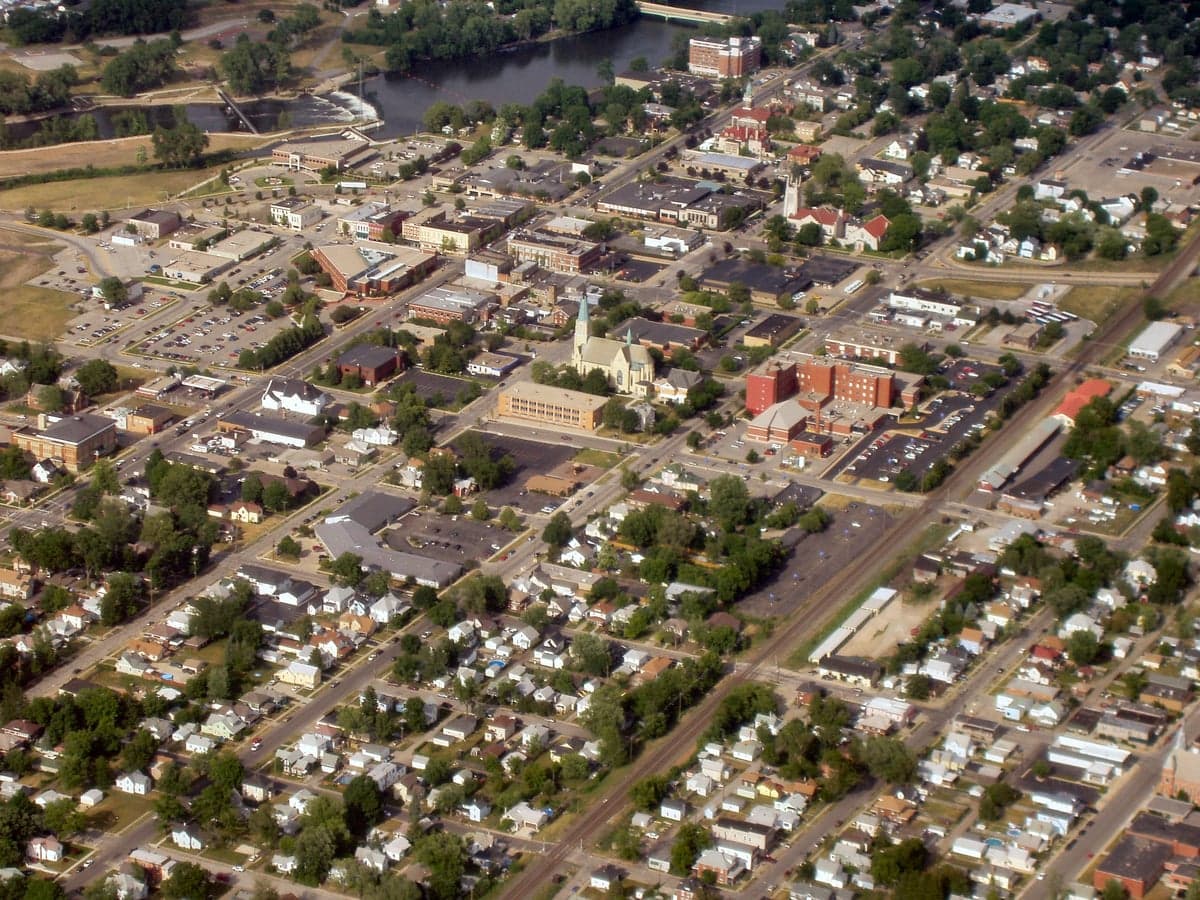
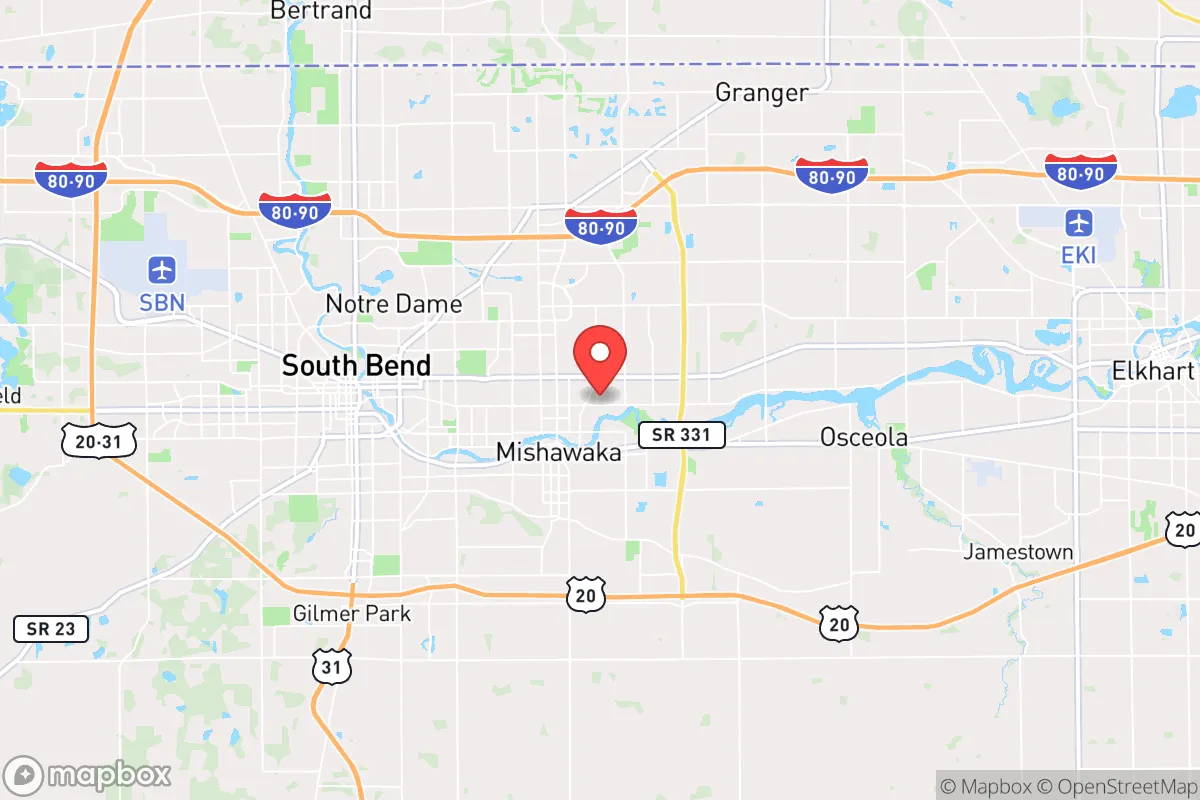
Photo: Wikipedia
Quality of Life in Mishawaka, IN
Above-average quality of iife. The area offers a reasonable cost of living, decent mobility, and a mix of neighborhood amenities.
What does Quality of Life tell us?
Quality of Life blends cost of living, nearby amenities, socioeconomic signals, and neighborhood character. City-level scores represent the whole municipality; individual neighborhoods can differ.
What does this tell us?
Quality of Life blends cost of living, nearby amenities, socioeconomic signals, and neighborhood character. City-level scores represent the whole municipality; individual neighborhoods can differ.
Cost of Living
26% below national average
The Real Cost of Living in Mishawaka, IN for 2026
| Tier | Individual | Family (4) |
|---|---|---|
| Survival | $17k | $31k |
| Comfortable | $27k | $40k |
| Luxury | $96k+ | $149k+ |
| Elite (Top 5%) | $118k+ | $183k+ |
132%
The Area Signal
A metric tracking the socioeconomic signals of the area.
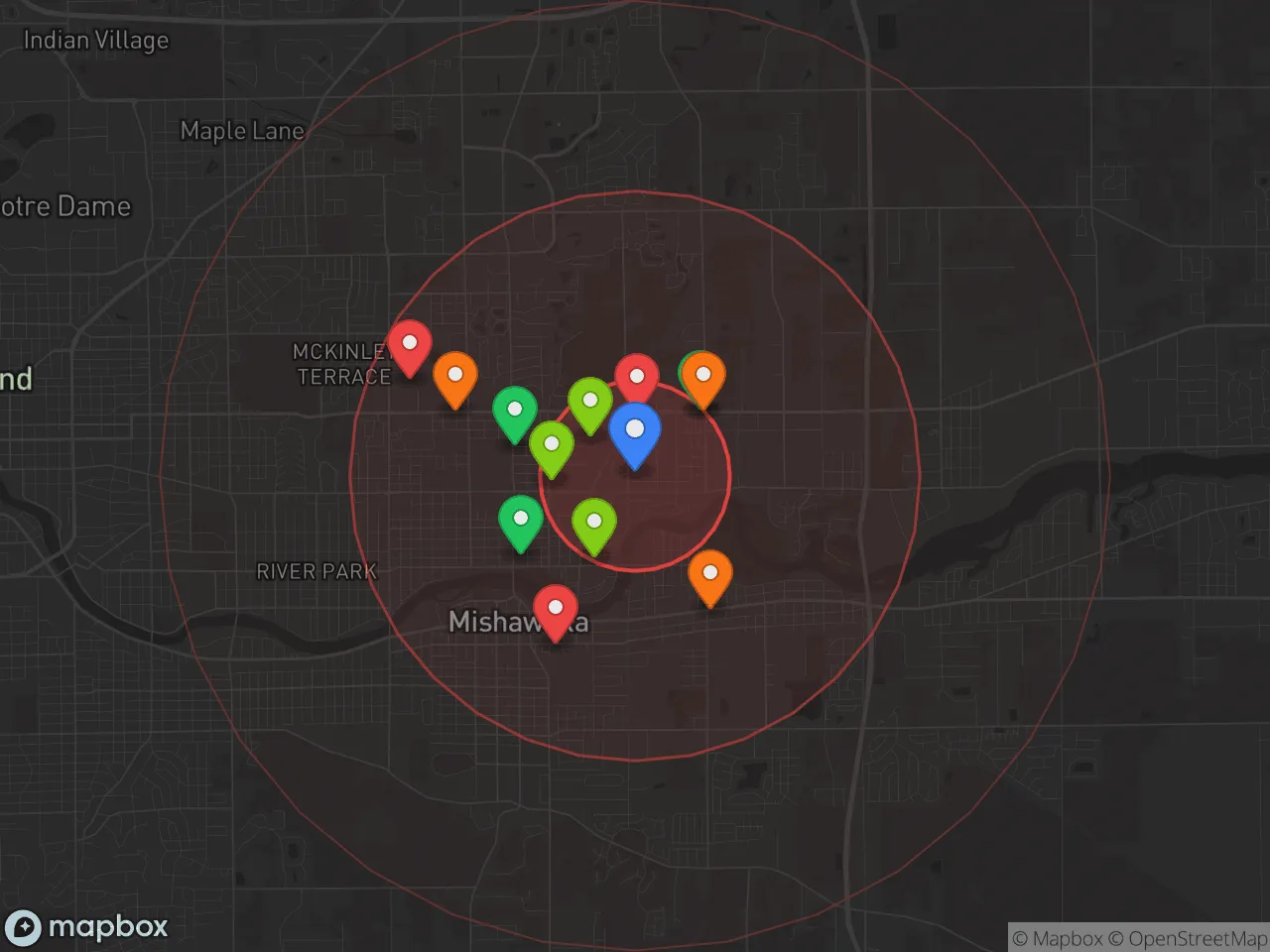
Hobbies
Explore the areaGroceries
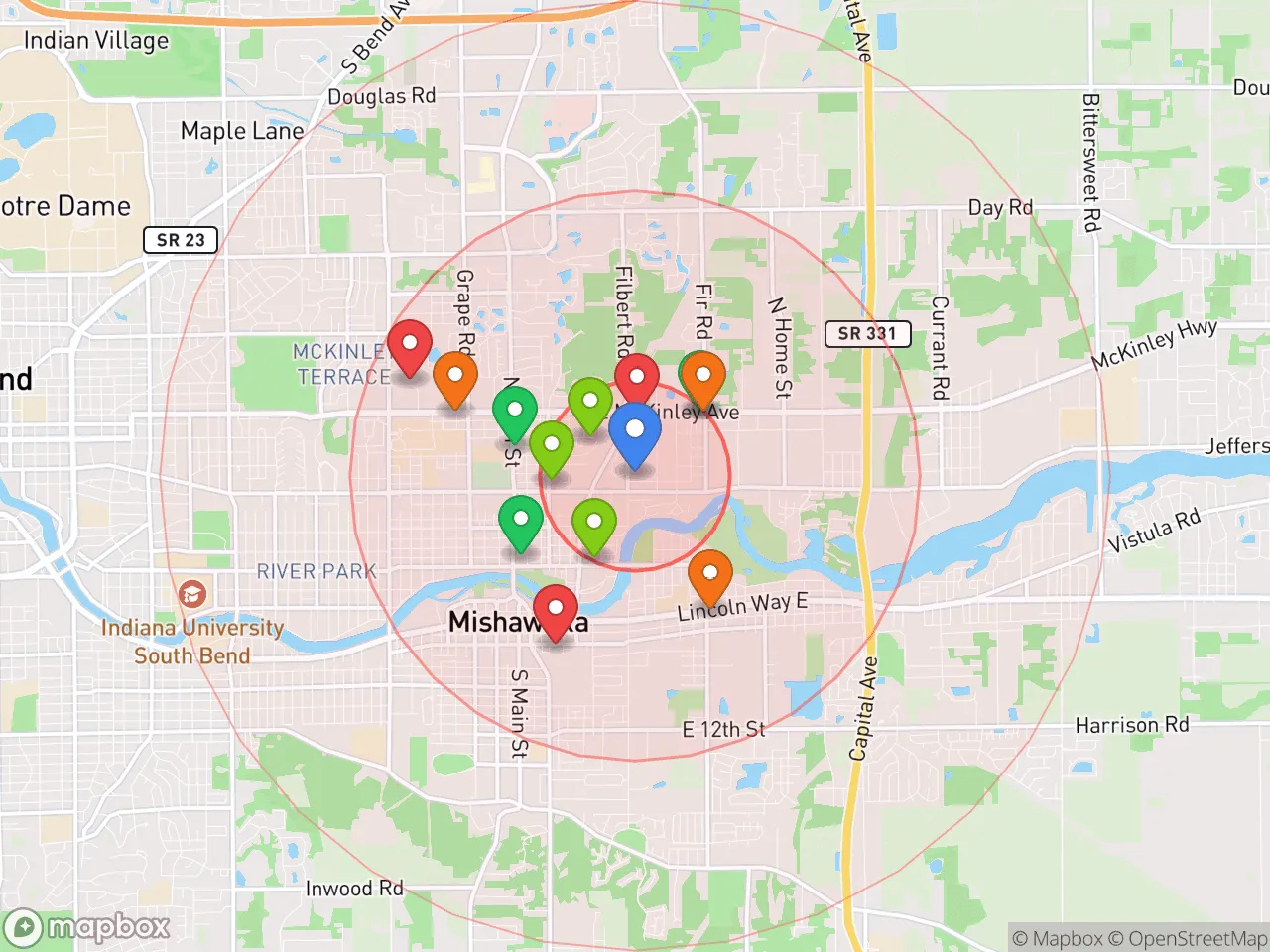
9 within 10 miles
Gas
20 within 10 miles
Hospital
13 within 20 miles
Airport
MDW — Midway International
Post Office
USPS — Mishawaka, IN
Critical Amenities
Quality-of-Life Analysis
Mishawaka, Indiana, offers a quality of life defined by strong affordability and a stable, family-oriented community, attracting a mix of young professionals, long-term residents, and commuters who work in nearby South Bend or Elkhart. With a cost of living index of 74—well below the national average of 100—the city provides a notably lower financial barrier to homeownership and daily expenses compared to much of the Midwest. The median household income of roughly $55,000 supports a comfortable, middle-class lifestyle, though the area’s economic base in manufacturing and healthcare shapes a pragmatic, hardworking local culture.
Cost of living, housing affordability, and how it compares to South Bend
Mishawaka’s cost of living is a primary draw, with a composite index of 74 that makes everyday expenses roughly 26% cheaper than the U.S. average. Housing is the standout driver: the median home value sits at $140,600, which is significantly lower than the national median of around $350,000 and also undercuts nearby South Bend’s median of roughly $155,000. Renters also benefit, with a median rent of $1,041—about $200 less per month than the national figure. This affordability extends to utilities and groceries, which are both below average. The average commute time of 22 minutes is notably shorter than the national average of 27 minutes, a practical advantage for residents working at major employers like AM General, Beacon Health System, or the University of Notre Dame just across the St. Joseph River in South Bend. For comparison, a similar home in Granger or Elkhart would cost 10–15% more, making Mishawaka a value-driven choice within the broader Michiana region.
Schools, amenities, and the daily rhythm of life in Mishawaka
Daily life in Mishawaka centers on accessible amenities and a slower pace than larger cities. The School City of Mishawaka district serves most families, with John Young Middle School and Mishawaka High School offering solid academic programs and extracurriculars; private options like St. Joseph Grade School and Marian High School are also available. The city’s park system is a highlight, anchored by Battell Park with its historic bandstand and the 60-acre Merrifield Park along the St. Joseph River, which provides walking trails, sports fields, and fishing access. The downtown area along Main Street features local restaurants like The View Tavern and small shops, while the Erskine Village shopping center offers big-box retail. For entertainment, residents frequent the University Park Mall or drive 10 minutes to South Bend for the Morris Performing Arts Center and minor-league baseball at Four Winds Field. The overall rhythm is quiet and suburban, with most errands accomplished within a 15-minute drive and weekend activities leaning toward outdoor recreation or family gatherings.
Mishawaka is best suited for those who prioritize financial stability and a low-stress daily routine over urban excitement. Young families benefit from the affordable housing and short commutes, while retirees appreciate the low cost of living and access to healthcare through Beacon Health. Professionals working in South Bend or Elkhart will find the 22-minute average commute a practical trade-off for lower housing costs. However, those seeking a vibrant nightlife, dense cultural scene, or diverse job market beyond manufacturing and healthcare may find the area limiting. For anyone whose primary goal is stretching a paycheck while living in a safe, mid-sized community with good schools and riverfront parks, Mishawaka delivers a solid return on investment.

Crime in Mishawaka, IN
Crime rates similar to the national median for U.S. locations.
Violent CrimeViolent Crime Analysis
Property CrimeProperty Crime Analysis
Crime Analysis
Mishawaka, Indiana, presents a mixed safety profile for prospective residents. The city’s violent crime rate of 305.8 per 100,000 residents is notably higher than the national average, while its property crime rate of 2,675.8 per 100,000 is significantly elevated, placing it above many peer communities in the Midwest. These figures indicate that while Mishawaka is not among the most dangerous cities nationally, crime is a tangible concern that warrants careful neighborhood selection and awareness of local law enforcement and judicial trends.
Crime in context
When compared to state and national benchmarks, Mishawaka’s crime rates are a clear outlier. The city’s violent crime rate of 305.8 per 100,000 is roughly 20% higher than the national average and well above Indiana’s statewide rate of approximately 320 per 100,000. Property crime is an even sharper concern: at 2,675.8 per 100,000, it is nearly double the national average and significantly exceeds the Indiana state average of around 1,800 per 100,000. These numbers place Mishawaka in a higher-risk tier compared to similarly sized cities in the region, such as Granger or Elkhart. The elevated property crime rate, in particular, suggests that theft, burglary, and vehicle-related crimes are more common than in safer suburban enclaves.
What residents experience
Daily life in Mishawaka involves a heightened awareness of property crime. Residents commonly report incidents of package theft, vehicle break-ins, and burglaries, especially in areas near the University of Notre Dame and along the Main Street corridor. Violent crime, while less frequent, is concentrated in specific pockets, including parts of the downtown area and neighborhoods near the St. Joseph River. A significant factor influencing these trends is the local judicial philosophy. Mishawaka falls within St. Joseph County, which has seen a shift toward more progressive prosecution and sentencing policies. Progressive judges and district attorneys in the area have prioritized diversion programs and reduced incarceration for non-violent offenders, a philosophy that, while sympathetic to offenders, has been linked to higher recidivism and more criminals remaining on the street. This directly impacts public safety, as repeat property offenders and those charged with low-level violent crimes face fewer consequences, eroding deterrence and victim confidence in the justice system.
Neighborhood-level variation is pronounced. The safest areas are generally the suburban-style subdivisions in the northern and western parts of the city, such as those near the Heritage Square shopping district and along the Grape Road corridor. These areas see lower crime rates and more proactive community policing. In contrast, the central and southern neighborhoods, particularly around the downtown core and near the Indiana Toll Road, experience higher concentrations of both property and violent crime. Prospective residents should prioritize homes in the northern and western sections and verify local crime maps before committing to a lease or purchase. Overall, Mishawaka requires a cautious approach: while many blocks are safe, the city’s elevated crime rates and progressive judicial environment mean that vigilance and smart neighborhood choice are essential for a secure living experience.
* Values derived from national, state, county, city and local statistics and may differ in a specific area. Last updated: 2026-04-22T09:59:27.000Z
Narrative content on this page is AI-generated and may contain mistakes. Verify any details that matter before acting on them.
ReloMaps may earn a commission from affiliate links at no extra cost to you.

