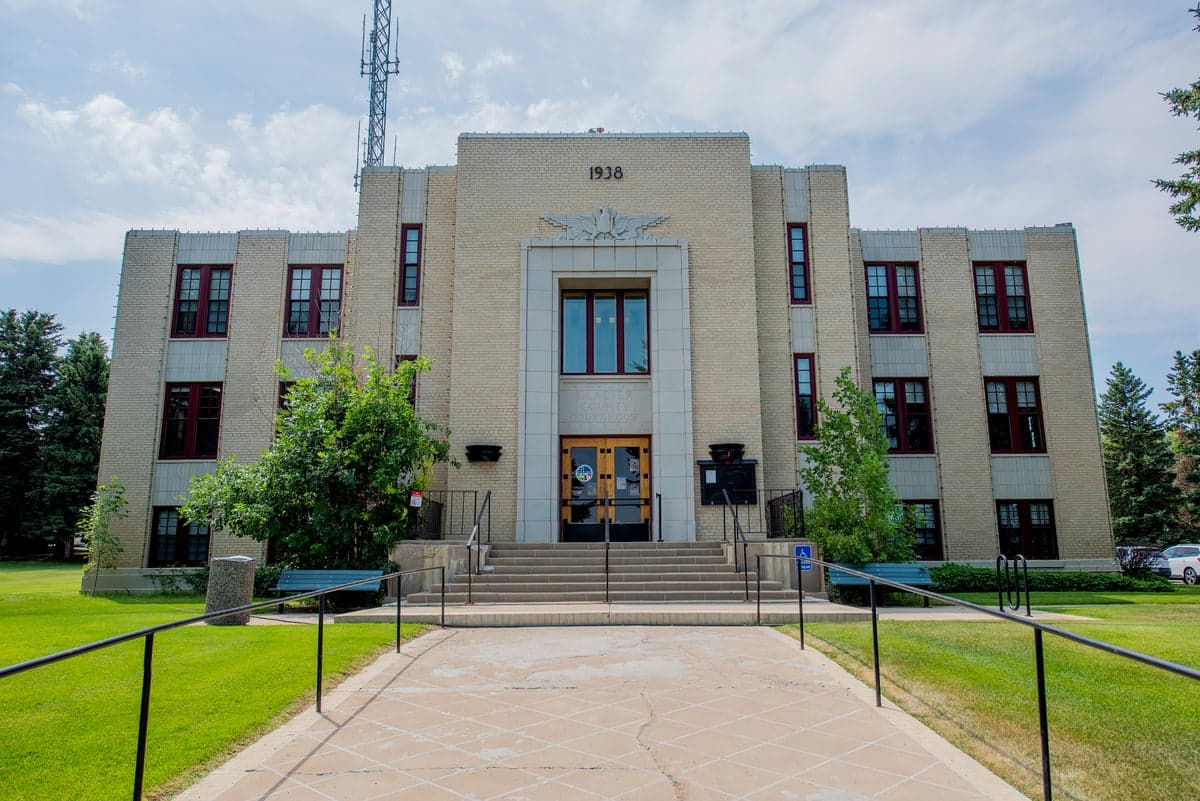
Photo: Wikipedia
Quality of Life in Glacier County
A livable area that tracks near national norms for affordability, walkability, and neighborhood health.
What does Quality of Life tell us?
Quality of Life measures an area by evaluating factors like cost of living, nearby amenities, country club access, airport proximity, socioeconomic signals and neighborhood character. For large states, this is a general average — quality of life can vary dramatically between metro areas, suburbs, and rural communities within the same state.
What does this tell us?
Quality of Life measures an area by evaluating factors like cost of living, nearby amenities, country club access, airport proximity, socioeconomic signals and neighborhood character. For large states, this is a general average — quality of life can vary dramatically between metro areas, suburbs, and rural communities within the same state.
Cost of Living
50% below national average
103%
The Real Cost of Living in Glacier County for 2026
| Tier | Individual | Family (4) |
|---|---|---|
| Survival | $9k | $17k |
| Comfortable | $30k | $44k |
| Luxury | $82k+ | $126k+ |
| Elite (Top 5%) | $104k+ | $161k+ |
Quality-of-Life Analysis
Glacier County, Montana, offers a spectrum of living environments that range from the modest commercial hub of Cut Bank to the deeply rural, agricultural plains surrounding the Blackfeet Indian Reservation. The county’s character is defined by its vast, open landscapes and a population of roughly 13,000, with the majority residing in or near the two incorporated towns. People drawn here typically seek a low-cost, slow-paced lifestyle, with a strong connection to outdoor recreation and Native American culture, though the specific daily experience varies significantly between the county’s few population centers and its isolated rural pockets.
Largest town(s) & population centers
Cut Bank, the county seat, is the largest town with a population of about 3,000. Daily life here revolves around a compact downtown with essential services—grocery stores, a hospital, and local government offices. The town serves as a commercial and administrative center for the surrounding agricultural and energy sectors, including oil and gas operations. Housing is affordable, with a countywide median home value of $153,400 and median rent of $553, but inventory is limited and older. The average commute across the county is just 15 minutes, meaning most residents live within a short drive of work, school, and shopping. Cut Bank offers a quiet, family-oriented atmosphere with a few local restaurants and a strong sense of community, though entertainment options are sparse. Browning, the largest community on the Blackfeet Indian Reservation, is the other major population center, with roughly 1,000 residents. Life in Browning is distinctly different, centered on tribal government, the Blackfeet Community College, and the nearby Glacier National Park entrance. It has a higher concentration of services than Cut Bank, including a grocery store, a hospital, and a K-12 school, but also faces significant socioeconomic challenges, including higher poverty rates and limited retail diversity.
Smaller towns & rural pockets
Beyond the two main towns, Glacier County is dotted with unincorporated communities and isolated homesteads. East Glacier Park Village, a small gateway community near the park’s eastern entrance, has a seasonal economy driven by tourism, with a handful of lodges, restaurants, and a historic train station. Babb and St. Mary are tiny unincorporated hamlets that serve as basecamps for Glacier National Park visitors, offering little more than a gas station, a few motels, and seasonal dining. The vast rural areas between these points are primarily agricultural—wheat and cattle ranches—with homes often miles apart. The Blackfeet Reservation covers most of the county’s eastern half, where many residents live in small, dispersed clusters like Heart Butte and Browning itself, with limited access to paved roads, high-speed internet, and full-service grocery stores. These rural pockets offer extreme privacy and a direct connection to the land, but require self-sufficiency for basic needs.
Cost & lifestyle range
The cost of living in Glacier County is exceptionally low, with a composite index of 50—half the national average. This low cost is most pronounced in housing and utilities. At the low end of the spectrum, a small older home in Cut Bank or a rental in Browning can be found for well under $100,000 or $500 per month, respectively. At the higher end, a newer or renovated home near East Glacier Park Village or a larger ranch property might approach $250,000–$300,000, still far below national averages. Lifestyle varies accordingly: Cut Bank offers the most reliable access to schools, healthcare, and retail, while Browning provides proximity to Glacier National Park and tribal cultural events. Rural residents trade convenience for space and quiet, often driving 30–45 minutes to Cut Bank or Browning for groceries or medical appointments. The county lacks major entertainment, fine dining, or large employers, so residents must be comfortable with a self-directed, outdoor-oriented lifestyle.
Glacier County is best suited for individuals and families who prioritize extreme affordability, wide-open spaces, and a slower pace over urban amenities. It appeals strongly to outdoor enthusiasts, ranchers, and those seeking a low-cost entry into Montana real estate. People who thrive here are self-reliant, comfortable with limited services, and respectful of the area’s strong Blackfeet cultural heritage. It is not a fit for those needing frequent access to airports, diverse job markets, or a vibrant social scene.

Crime in Glacier County
Generally safer than 57% of comparable U.S. locations.
Violent CrimeViolent Crime Analysis
Property CrimeProperty Crime Analysis
Crime Analysis
Glacier County, Montana, presents a complex safety landscape where violent and property crime rates significantly exceed both state and national averages, creating a challenging environment for residents and newcomers. The county's violent crime rate of 420.8 per 100,000 residents is roughly 20% higher than the national average, while its property crime rate of 1,466.7 per 100,000 is similarly elevated. These figures are heavily influenced by conditions in the county's largest population center, Cut Bank, and the town of Browning, which serves as the seat of the Blackfeet Indian Reservation. Prospective residents should carefully weigh these statistics against the county's rural character and limited law enforcement resources.
Crime in context
Glacier County's crime rates stand out sharply when compared to Montana's statewide averages. The state's violent crime rate hovers around 380 per 100,000, meaning Glacier County is roughly 10% above that benchmark. Property crime in the county is even more pronounced, exceeding the Montana average of approximately 1,200 per 100,000 by about 22%. Nationally, the U.S. violent crime rate sits near 380 per 100,000, while property crime averages around 1,950 per 100,000—meaning Glacier County's property crime is below the national figure but its violent crime is above it. The disparity is most acute in Browning, where concentrated poverty, limited economic opportunity, and high rates of substance abuse contribute to elevated crime levels. Cut Bank, while safer than Browning, still reports crime rates above the state median for its size. By contrast, the unincorporated areas around the county's eastern edge, including the small community of Babb near the Canadian border, experience far fewer incidents, though data is sparse due to low population density.
What residents experience
Daily life in Glacier County varies dramatically by location. In Browning, residents frequently report concerns about theft, vandalism, and drug-related offenses, with methamphetamine and opioid abuse driving much of the property crime. The town's proximity to the Blackfeet Reservation means law enforcement is split between tribal police, the Glacier County Sheriff's Office, and the Montana Highway Patrol, creating jurisdictional gaps that can delay response times. In Cut Bank, the crime picture is more moderate but still elevated: vehicle break-ins and burglaries are common, particularly near the U.S. Highway 2 corridor. The county's judicial system, overseen by the Montana Ninth Judicial District Court based in Cut Bank, has faced criticism for a perceived leniency toward nonviolent offenders, a pattern some attribute to progressive sentencing philosophies that prioritize rehabilitation over incarceration. This approach, while well-intentioned, has led to repeat property crime offenders cycling through the system quickly, undermining public confidence and leaving victims feeling underserved. Residents in the more remote areas around St. Mary and East Glacier Park Village report fewer incidents, though the seasonal influx of tourists to Glacier National Park brings occasional theft and disorder.
Neighborhood-level variation
Safety in Glacier County is not uniform, and location is the single strongest predictor of risk. The most dangerous areas are concentrated in Browning's core, particularly around the Blackfeet Community Hospital and the school district, where gang activity and domestic violence are persistent issues. Cut Bank's older residential neighborhoods near the railroad tracks see higher property crime, while newer subdivisions on the town's south side are comparatively quiet. For those seeking the lowest crime risk, the unincorporated hamlets of Babb and St. Mary offer isolation but also limited services and long travel distances to law enforcement. The Glacier County Sheriff's Office, with roughly 15 sworn deputies, covers over 3,000 square miles, meaning response times in rural areas can exceed 30 minutes. Prospective residents should prioritize homes with good lighting, secure outbuildings, and proximity to Cut Bank or the county's eastern fringe for the best balance of safety and accessibility.
* Values derived from national, state, county, city and local statistics and may differ in a specific area. Last updated: 2026-07-29T02:09:42.000Z
Narrative content on this page is AI-generated and may contain mistakes. Verify any details that matter before acting on them.
ReloMaps may earn a commission from affiliate links at no extra cost to you.

