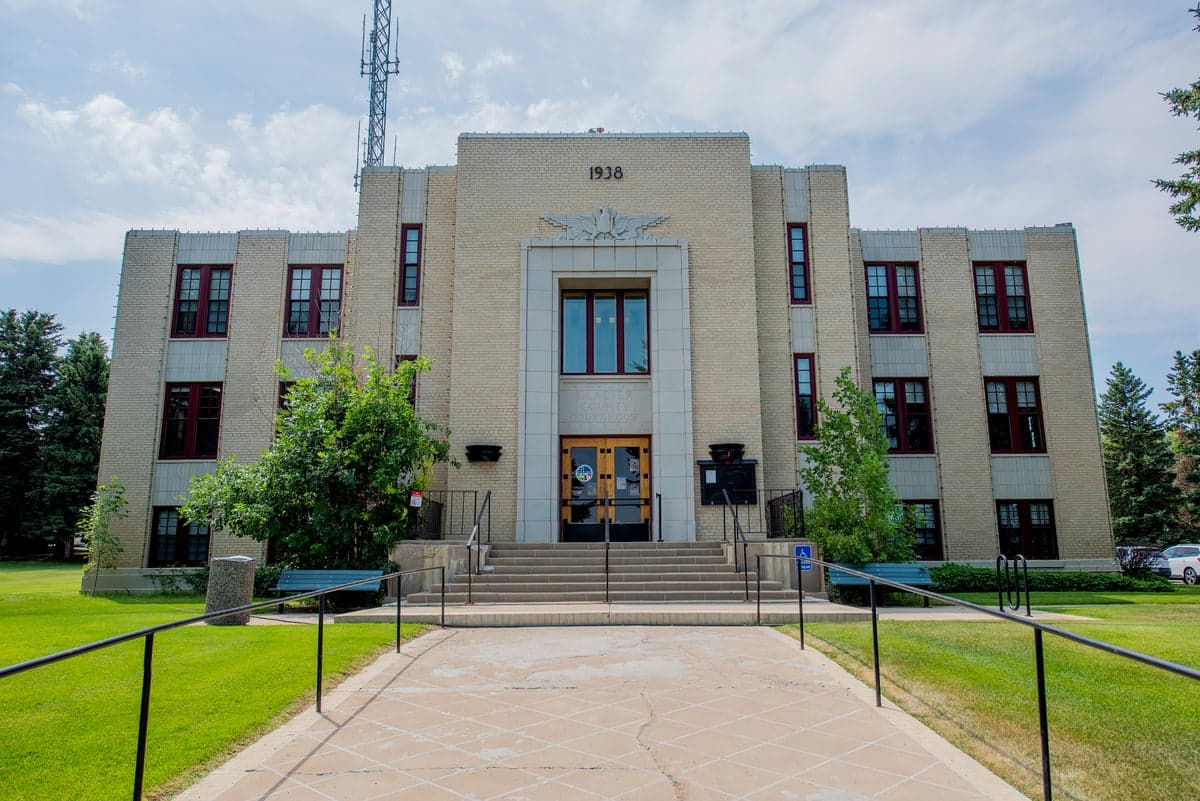
Photo: Wikipedia
Find The Best Places To Live in Glacier County
PRO TIP! You can paste a Zillow or Redfin link to get info on that property.
Best Places to Live in Glacier County
Cities & Towns in Glacier County
Cities in Glacier County
What It's Like Living in Glacier County, MT
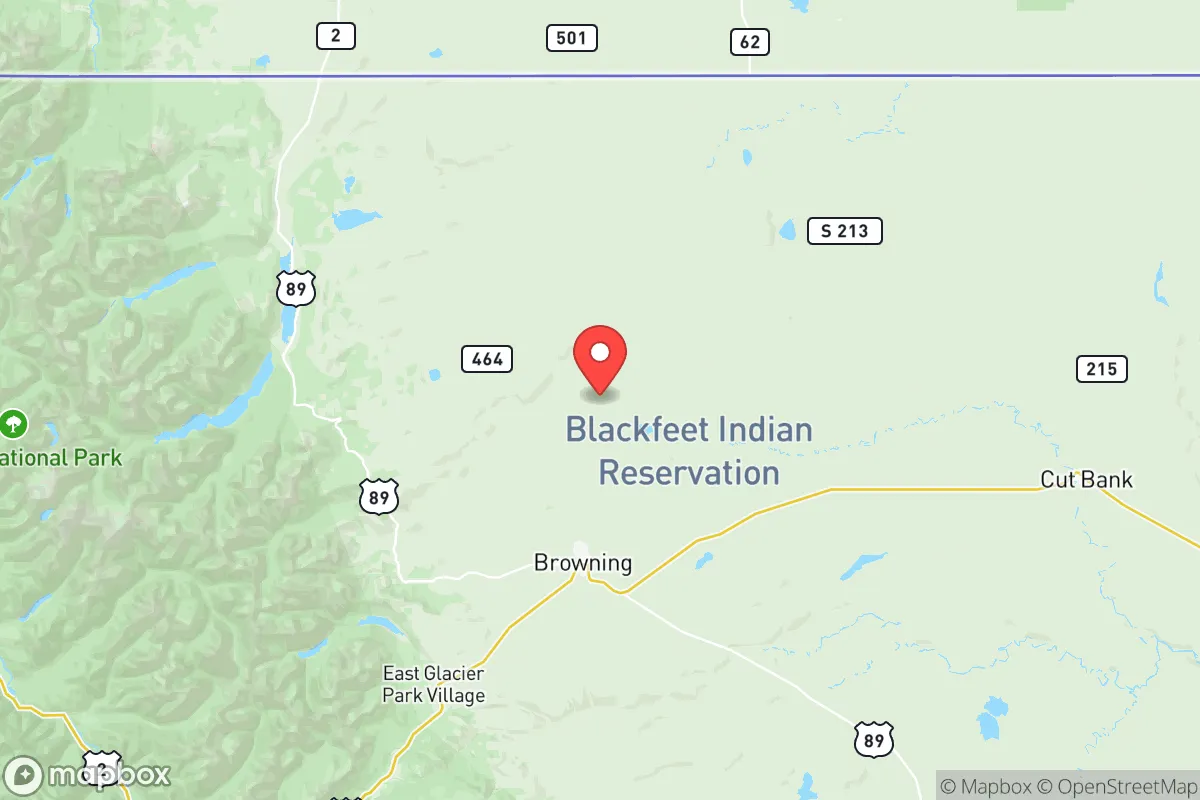
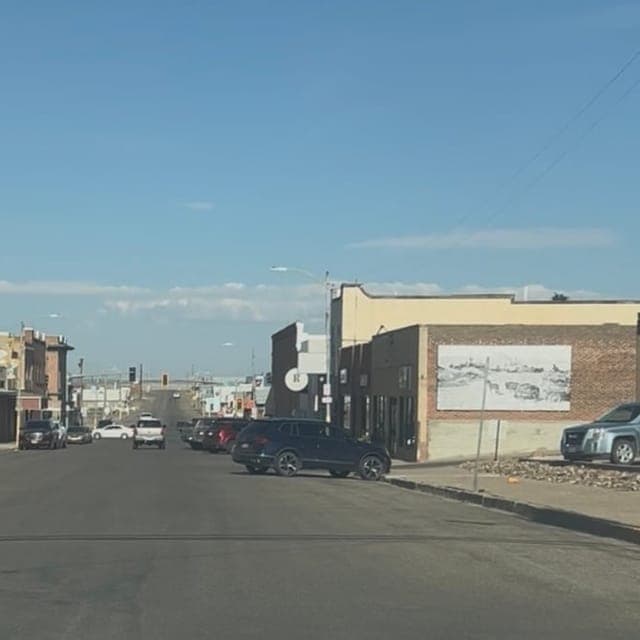
Living in Glacier County, Montana, means trading strip-mall convenience for a landscape that still feels wild and a pace of life that forces you to slow down. The county’s anchor, Cut Bank, is a classic railroad-and-oil town where the Hi-Line meets the Rocky Mountain Front, while Browning sits as the largest community and the heart of the Blackfeet Nation. Smaller spots like Babb and St. Mary serve as gateways to Glacier National Park, and the rural stretches in between are defined by wheat fields, cattle ranches, and the kind of horizon that makes you feel small in a good way.
The Daily Rhythm in a Wide-Open Place
A typical weekday in Cut Bank starts early, often before sunrise, with the smell of diesel from farm trucks and the whistle of freight trains cutting through the cold air. Most people here work in agriculture, oil and gas, the tribal government in Browning, or the school systems that serve as community anchors. The median commute is just over 15 minutes, so you’re never far from home or work, but that also means amenities are spread thin. For groceries, most folks hit the IGA in Cut Bank or the grocery stores in Browning; for anything beyond basics, a trip to Great Falls (about two hours east) or Kalispell (two hours west) becomes a planned event. Weekends often involve fixing fences, ice fishing on the Marias River, or driving up to Babb for a burger at the famous Glacier Park Lodge or the rustic Two Sisters Cafe. The median age here is 34.2, which is young for rural Montana, driven largely by families in Browning and younger workers in the oil fields around Cut Bank.
Sports, Community, and What People Rally Around
High school sports are the main event. Friday-night football in Cut Bank is a genuine community gathering, with the Wolves drawing crowds that pack the bleachers even in subzero weather. Browning’s teams are equally intense, with basketball and football games serving as social hubs where multiple generations show up. There’s no pro sports team within three hours, so the local rivalries—especially between Cut Bank and Browning—carry real weight. The biggest annual event is the North American Indian Days in Browning, a massive powwow that draws dancers and drum groups from across the U.S. and Canada. For outdoor recreation, Glacier National Park is the obvious crown jewel, with St. Mary and the east entrance providing access to Going-to-the-Sun Road, hiking, and fishing. Locals also swear by the Two Medicine area for a quieter experience. The cost of living index sits at 50—half the national average—which means a median home value of $153,400 can get you a solid three-bedroom house in Cut Bank or a modest place in Browning, though inventory is tight.
Pros and Cons of Life on the Hi-Line
What people love: The space. You can drive for miles without seeing another car, and the night sky is so clear you can see the Milky Way from your backyard. The community is tight-knit in a way that feels genuine—neighbors help with calving, share extra garden produce, and actually know your name. The median income of $45,129 goes further here than almost anywhere else in the country, and the low cost of living means a single-income family can own a home and still afford a hunting license. The violent crime rate of 420.8 per 100,000 is higher than the national average, but locals will tell you that number is skewed by incidents in Browning, where poverty and substance abuse are serious issues; in Cut Bank and the rural areas, property crime is more common than violent crime, and most people still leave their trucks unlocked.
What frustrates people: The isolation. Winters are long and brutal, with temperatures dropping to 30 below and snow that can shut down highways for days. The nearest Target or Costco is a two-hour drive, and healthcare options are limited—serious emergencies mean a medevac to Great Falls or Kalispell. Only 18.1% of adults have a college degree, which reflects the limited white-collar job market; if you’re not in ag, oil, tribal government, or education, you’ll likely be commuting or working remotely. The weather dictates everything: summer is a frantic burst of tourism and harvest, while winter is a slow, quiet season where cabin fever is a real risk. For single people, the dating pool is small, and for families, the schools in Cut Bank and Browning face the same funding challenges as most rural districts, though they remain the heart of community life.
Who Fits In Here
Glacier County works best for people who value solitude over convenience, who don’t mind driving an hour for a sit-down restaurant, and who find satisfaction in self-reliance. It’s a good fit for hunters, anglers, and anyone who wants to own land without a mortgage that eats half their paycheck. Families who move here tend to be drawn by the low cost of living and the chance to raise kids with a sense of independence—kids ride bikes to school, roam the countryside, and learn to drive tractors before cars. Single people might find it lonely unless they’re deeply into outdoor sports or have a job that plugs them into the community. The conservative leaning is strong across the county, especially in Cut Bank and the farm communities, though Browning’s politics are more complex, shaped by tribal sovereignty and Democratic-leaning voting patterns. If you’re looking for nightlife, cultural diversity, or career growth, this isn’t the place. But if you want to live in a place where the land is still the main character and your neighbors will pull you out of a snowdrift without being asked, Glacier County delivers that in spades.

* Values derived from national, state, county, city and local statistics and may differ in a specific area. Last updated: 2026-07-29T02:09:42.000Z
Narrative content on this page is AI-generated and may contain mistakes. Verify any details that matter before acting on them.
ReloMaps may earn a commission from affiliate links at no extra cost to you.

