Photo: Wikipedia
Quality of Life in Montgomery, AL
A high quality of life with strong walkability, manageable living costs, healthy neighborhood signals, and solid amenity access.
What does Quality of Life tell us?
Quality of Life blends cost of living, nearby amenities, socioeconomic signals, and neighborhood character. City-level scores represent the whole municipality; individual neighborhoods can differ.
What does this tell us?
Quality of Life blends cost of living, nearby amenities, socioeconomic signals, and neighborhood character. City-level scores represent the whole municipality; individual neighborhoods can differ.
Cost of Living
24% below national average
The Real Cost of Living in Montgomery, AL for 2026
| Tier | Individual | Family (4) |
|---|---|---|
| Survival | $17k | $32k |
| Comfortable | $29k | $42k |
| Luxury | $101k+ | $156k+ |
| Elite (Top 5%) | $126k+ | $195k+ |
131%
The Area Signal
A metric tracking the socioeconomic signals of the area.


Hobbies
Explore the areaGroceries
4 within 10 miles
Gas
0 within 10 miles
Hospital
3 within 20 miles
Airport
ATL — Hartsfield–Jackson Atlanta International
Post Office
USPS — Montgomery, AL
Critical Amenities
Quality-of-Life Analysis
Montgomery, Alabama, presents a quality of life defined by deep historical roots, a strong sense of community, and a cost of living that significantly undercuts the national average. The city’s population is a blend of long-standing families, young professionals drawn to state government and healthcare careers, and a growing number of remote workers seeking affordability. With a cost of living index of 76 (where 100 equals the U.S. average), Montgomery offers a notably lower financial barrier to entry than many Southern peers, attracting those who prioritize economic breathing room over the amenities of a larger metro.
How housing costs and everyday expenses compare to nearby cities
The most compelling draw for many relocating to Montgomery is its housing market. The median home value sits at $148,500, a figure that is roughly half the national median and significantly lower than in Alabama’s fastest-growing cities like Huntsville or Auburn. For renters, the median rent of $1,059 provides access to well-maintained apartments and single-family homes at prices that would be considered deeply discounted in most U.S. markets. This affordability extends beyond housing; groceries, utilities, and transportation costs all fall below the national baseline. The average commute time of just over 20 minutes is a practical advantage, reducing daily stress and transportation expenses compared to the hour-long commutes common in larger Southern metros like Atlanta or Nashville. While property taxes in Montgomery County are slightly higher than in some surrounding rural counties, the overall tax burden remains low, making homeownership more accessible for first-time buyers and families.
What daily life is like for families and professionals in Montgomery
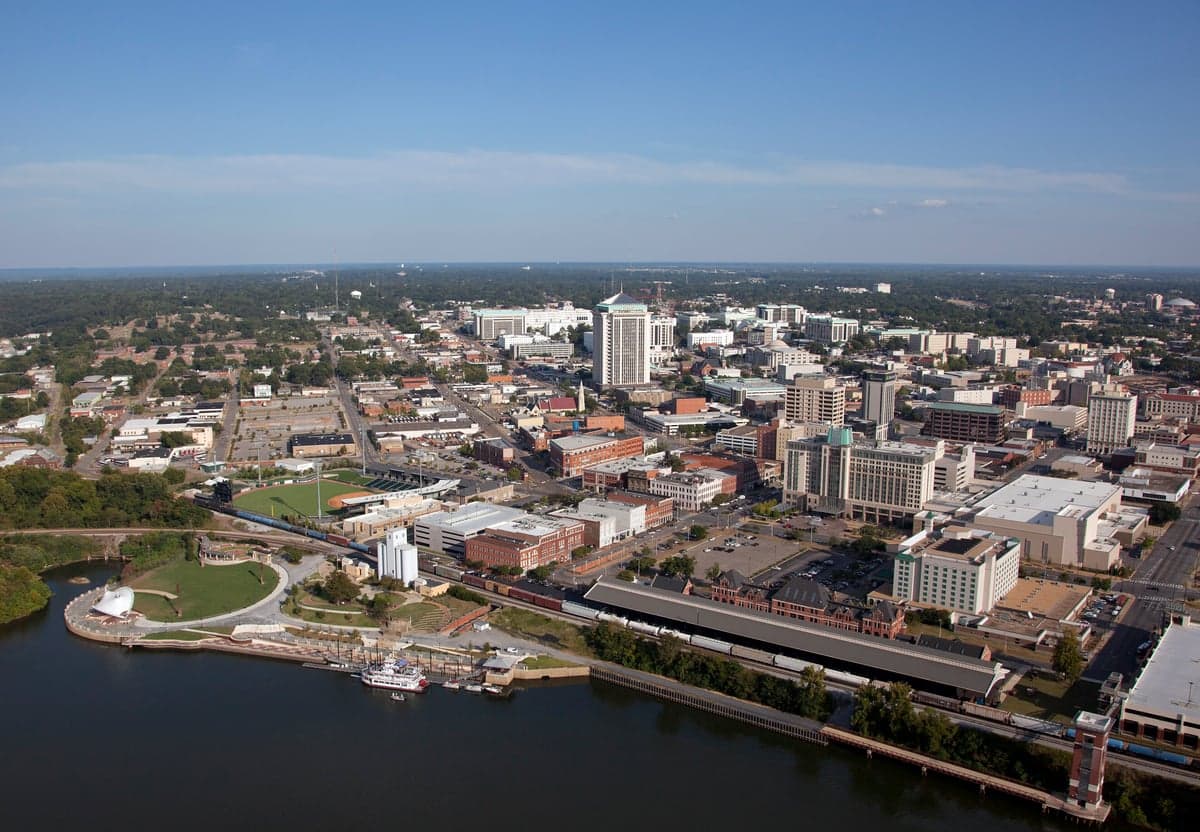
Daily life in Montgomery centers on a slower, more deliberate pace than in major urban hubs, but the city is not without modern amenities. The public school system, Montgomery Public Schools, offers several magnet and specialty programs, though many families also consider private and parochial options in the area. For recreation, the city boasts the Alabama Shakespeare Festival, one of the largest Shakespeare theaters in the world, and the revitalized Riverwalk along the Alabama River. The retail and dining scene is anchored by EastChase, a large mixed-use development that provides a suburban-style shopping and dining corridor. Healthcare is a major employment sector, anchored by Baptist Medical Center South and Jackson Hospital, ensuring residents have access to quality medical care without needing to travel to Birmingham. The city’s layout means most errands, from grocery shopping to dining out, can be accomplished within a 15-minute drive, reinforcing the convenience of the short commute.
Montgomery is best suited for individuals and families who value affordability, historical significance, and a manageable pace of life over the fast-paced, high-cost offerings of a major coastal city. It is an excellent fit for state government employees, healthcare workers, and remote professionals who want to stretch their income further. Those who thrive here are typically comfortable with a car-dependent lifestyle and appreciate a community where the cost of living allows for greater financial flexibility, whether that means owning a home on a single income or having more disposable income for travel and hobbies. For anyone seeking a low-stress, historically rich environment with a genuinely low cost of entry, Montgomery offers a compelling and practical option.

Crime in Montgomery, AL
Significantly higher crime rates than 84% of comparable U.S. locations.
Violent CrimeViolent Crime Analysis
Property CrimeProperty Crime Analysis
Crime Analysis
Montgomery, Alabama, faces significant public safety challenges, with crime rates substantially exceeding both state and national averages. The city’s violent crime rate stands at 643.3 incidents per 100,000 residents, while property crime occurs at a rate of 2,844.8 per 100,000. These figures place Montgomery among the higher-crime cities in the Southeast, driven in part by systemic issues including a progressive-leaning local judiciary that prioritizes offender rehabilitation over incarceration, a policy approach that critics argue contributes to recidivism and emboldens criminal activity.
Crime in context
Montgomery’s violent crime rate is roughly 1.7 times the national average and significantly higher than the Alabama state average. Property crime rates are similarly elevated, approximately 1.5 times the national benchmark. The city’s proximity to larger metro areas like Birmingham and Atlanta does not appear to dilute these figures; rather, Montgomery functions as a regional hub where crime patterns are concentrated. The local district attorney’s office has adopted progressive charging policies, including diversion programs and reduced sentencing for nonviolent offenders, which law enforcement officials argue have weakened deterrence. This ideological approach, while intended to reduce mass incarceration, has been linked to higher rates of repeat offenses and a perception among residents that the justice system does not adequately protect victims or hold offenders accountable.
What residents experience
For those living in Montgomery, safety concerns are a daily reality. Property crimes—including burglary, theft, and motor vehicle theft—are the most common, with residents reporting frequent break-ins and car vandalism, particularly in areas near downtown and along major corridors like Eastern Boulevard. Violent crimes, while less frequent, are more concentrated: homicides and aggravated assaults often occur in specific neighborhoods with high poverty and limited police presence. The city’s response has been hampered by understaffing in the Montgomery Police Department, with officer numbers per capita below the national average. Residents in safer enclaves, such as the Old Cloverdale and Capitol Heights neighborhoods, report lower incident rates, but even these areas experience spillover crime from adjacent higher-crime zones. The progressive judicial philosophy—emphasizing restorative justice and reduced incarceration—has created a climate where many residents feel the system prioritizes offender rights over public safety, leading to frustration and a sense of vulnerability.
Neighborhood-level variation is stark. The downtown core and areas around the Alabama State University campus see elevated violent crime, while suburban pockets like the East Montgomery corridor and the Taylor Road area have lower rates, though property crime remains a concern citywide. Prospective residents should research specific neighborhoods and consider that the city’s overall crime statistics reflect a justice system that, under progressive leadership, has deprioritized punitive measures, potentially increasing risks for law-abiding citizens.
* Values derived from national, state, county, city and local statistics and may differ in a specific area. Last updated: 2026-04-19T18:59:06.000Z
Narrative content on this page is AI-generated and may contain mistakes. Verify any details that matter before acting on them.
ReloMaps may earn a commission from affiliate links at no extra cost to you.

